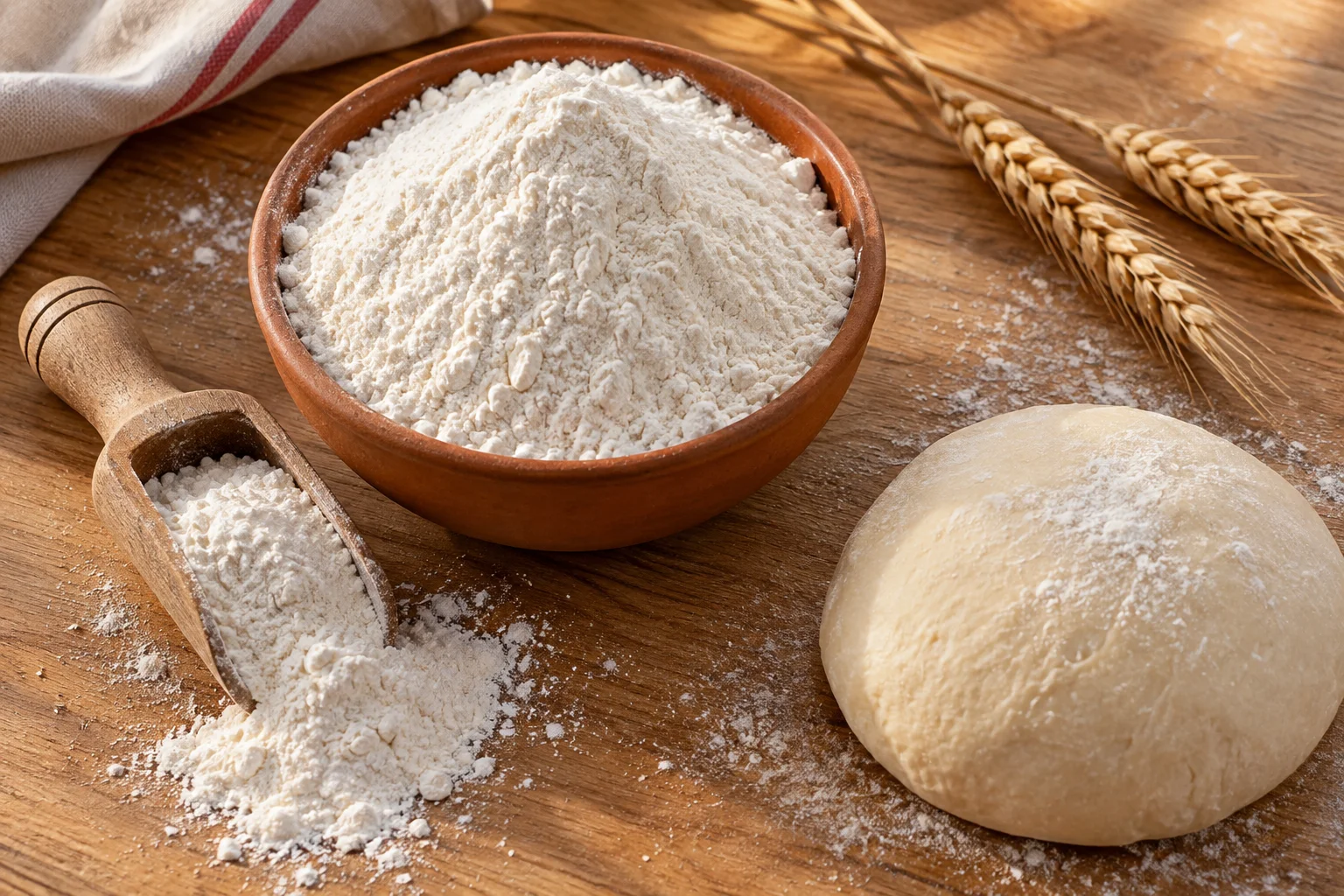
Which flour should you use for pizza?
Tipo 00, plain bread flour, protein and the W value: the useful choice depends on your dough schedule and oven.
BUONO A SAPERSI
From a first dough to a table full of friends: foundations, recipes and practical guides.
Tipo 00, plain bread flour, protein and the W value: the useful choice depends on your dough schedule and oven.
65 percent hydration means 650 grams of water for every kilogram of flour. This simple ratio helps you plan a dough.
Prepare tomorrow’s dough today. The right yeast quantity depends on the recipe, time and temperature.
A few common causes explain many shaping problems. Observe the dough before adding more ingredients.
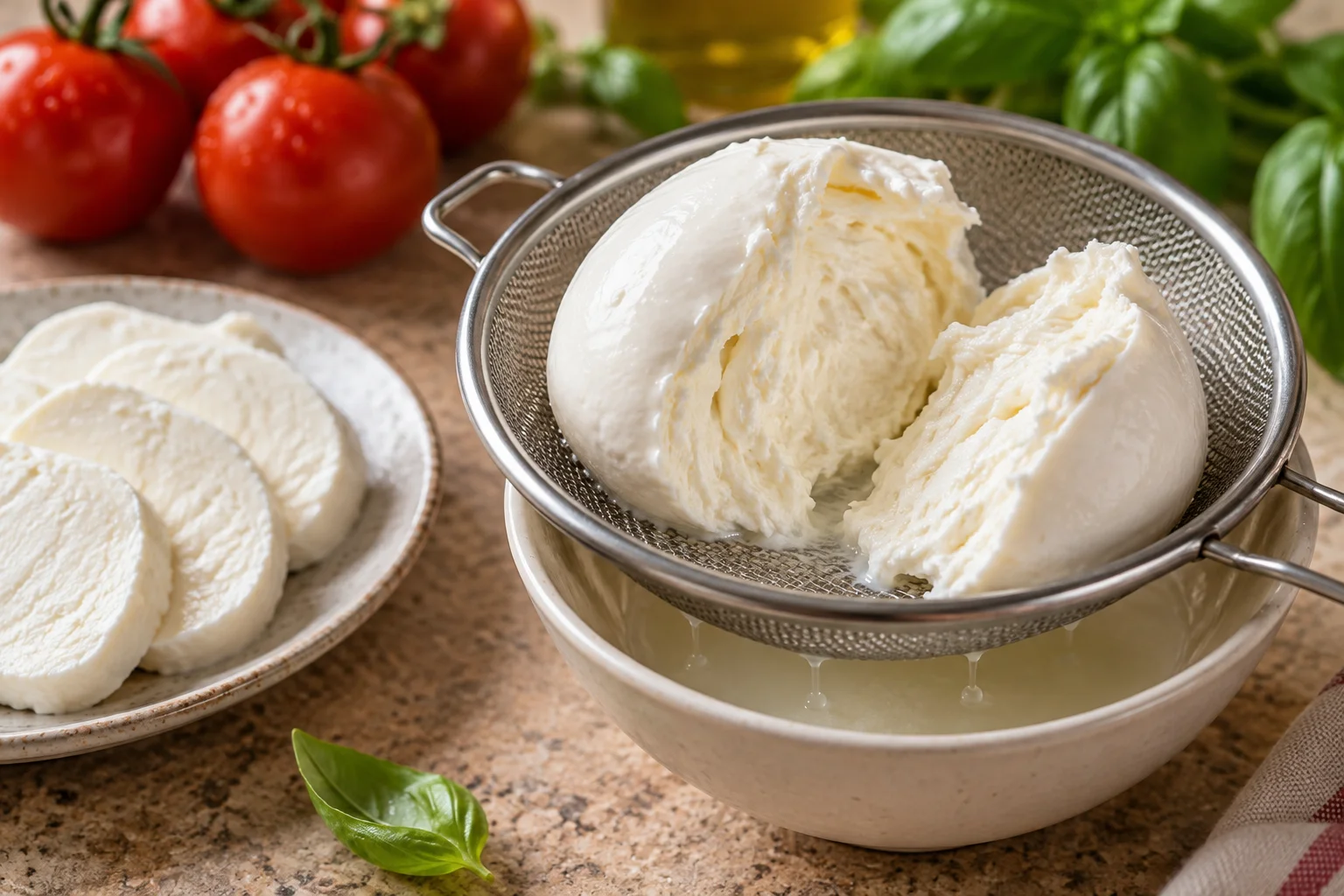
Fresh mozzarella adds moisture; firmer pizza mozzarella is easier to distribute. Choose with your oven and baking time in mind.
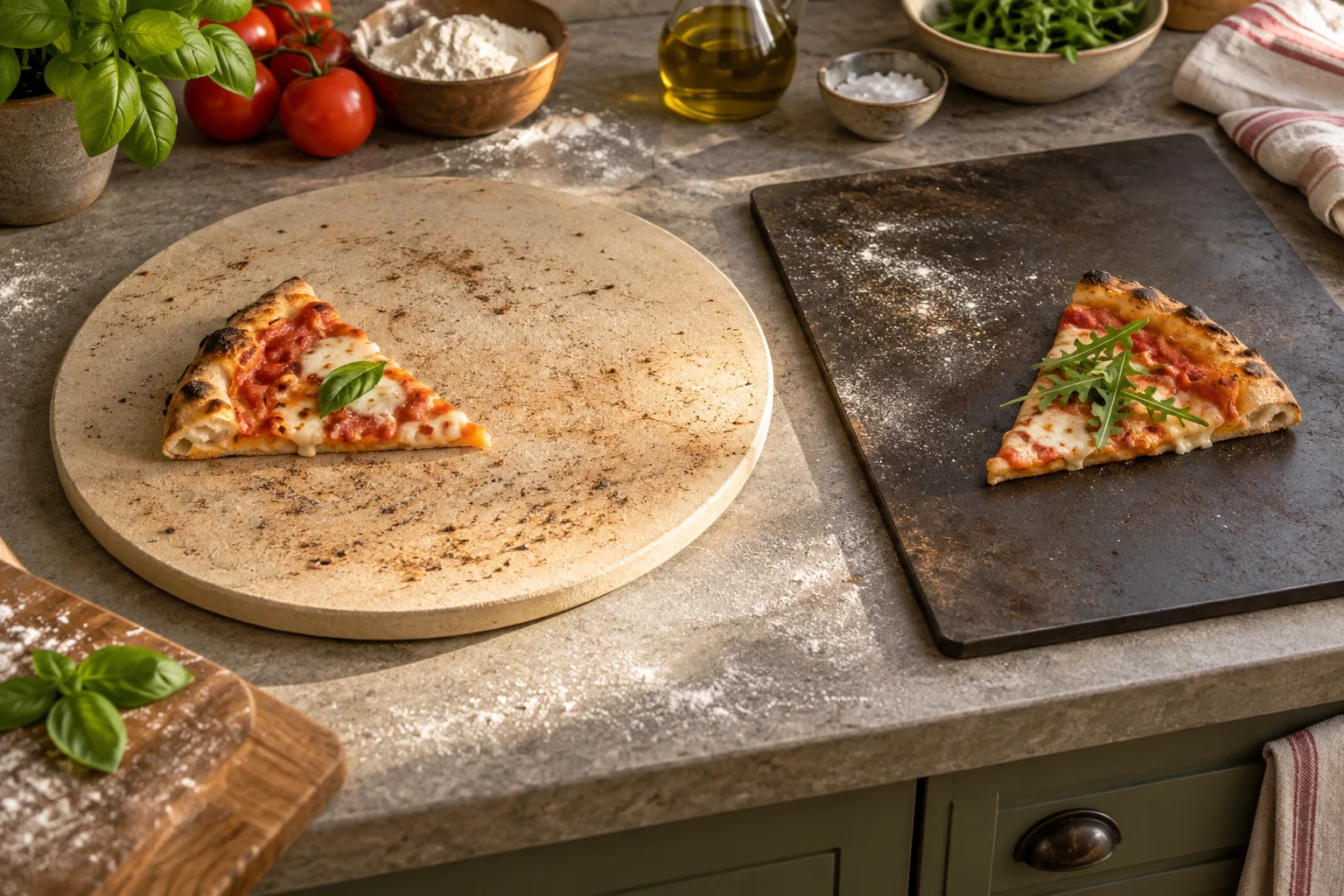
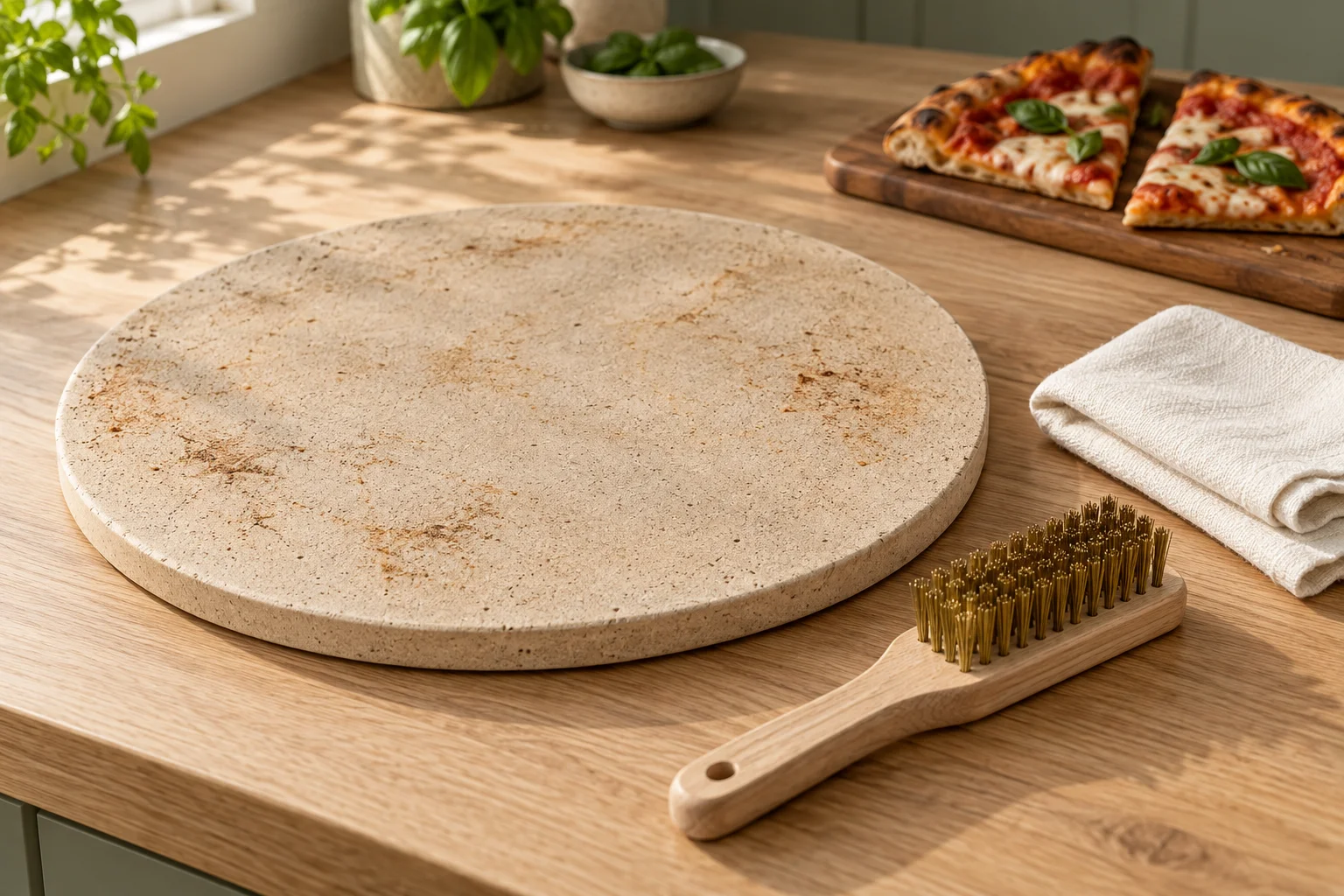
Both store heat and transfer it to the base. They differ in how quickly they conduct heat and how they should be handled.
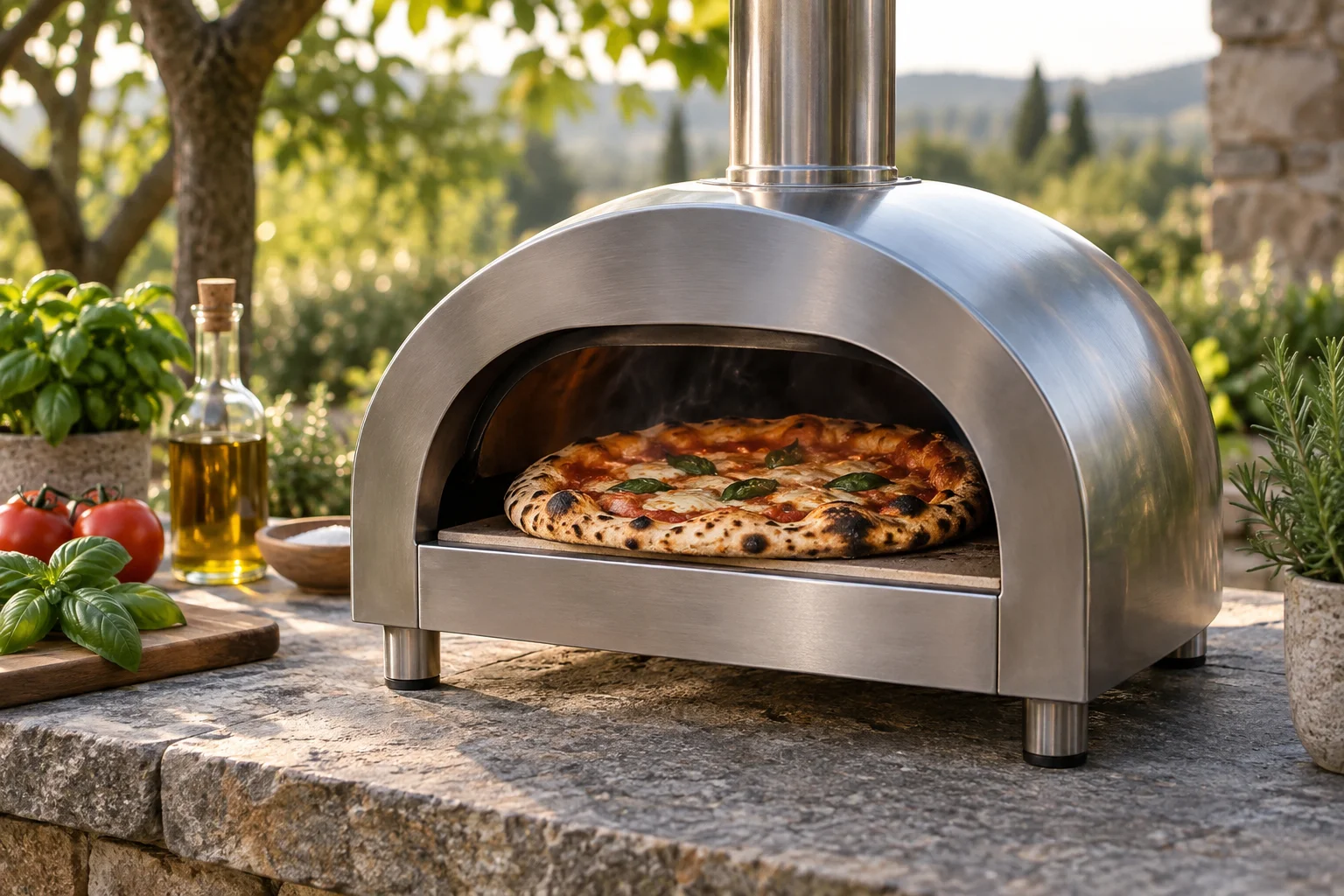
Kitchen or patio, available space and pizza size: three decisions make the shortlist much clearer. Maximum temperature is only one factor.
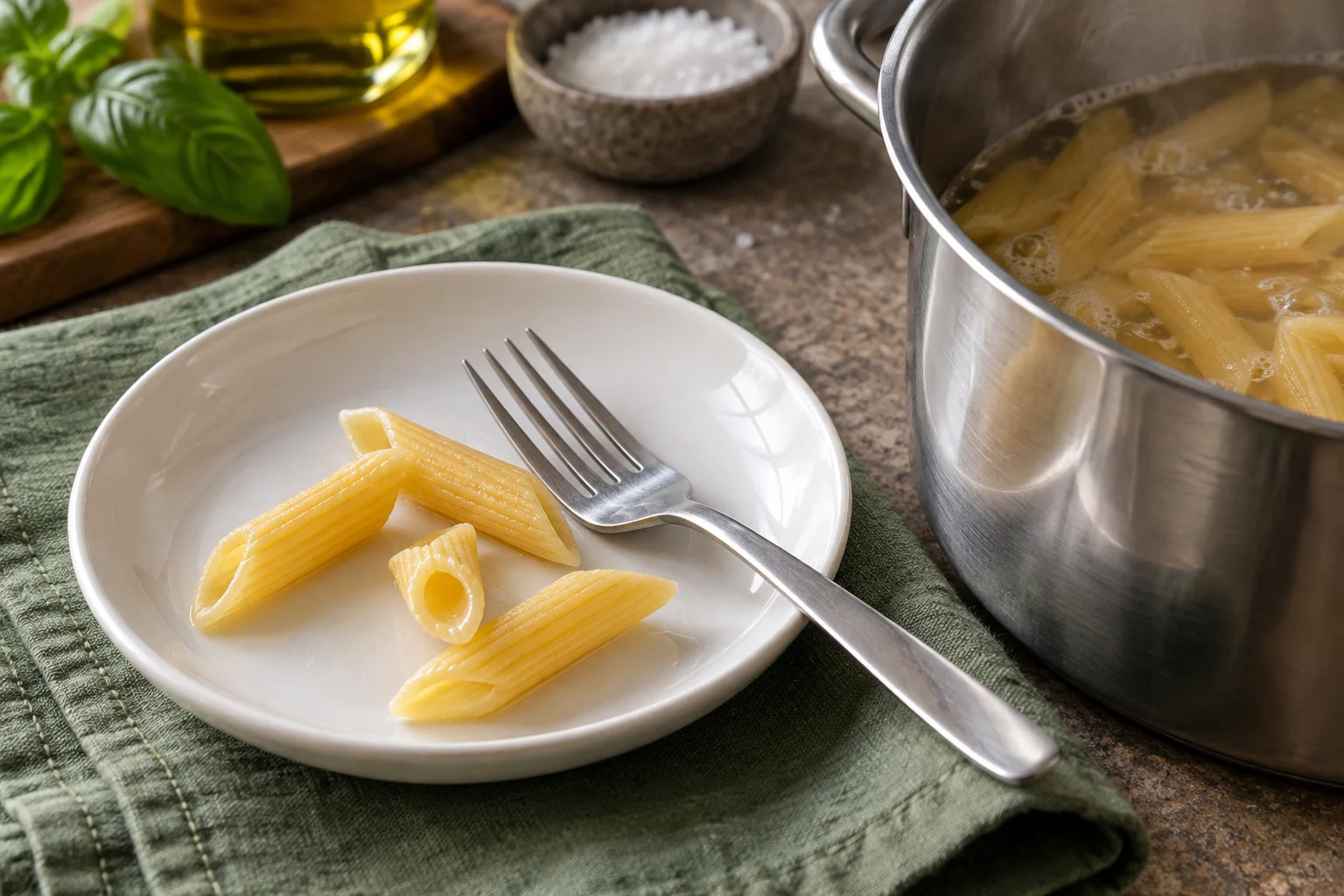
Pasta is ready when it has the bite you want. Packet timing, tasting and finishing in the sauce work together.
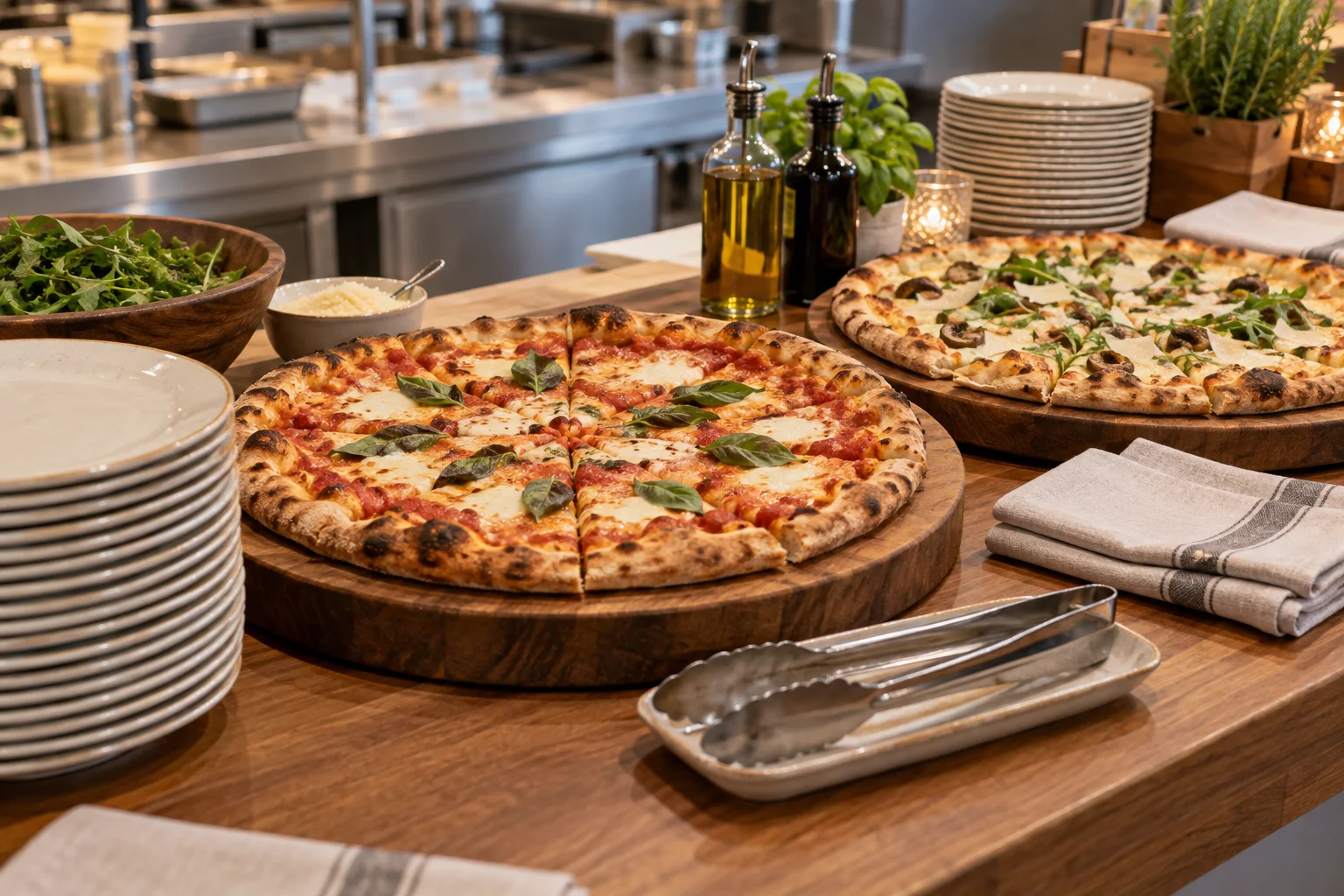
Guest count, location and serving time let a caterer prepare a useful offer. Share these details to reduce follow-up questions.
With dough, toppings and workspace ready, there is more time for your guests. Plan backwards from the oven.
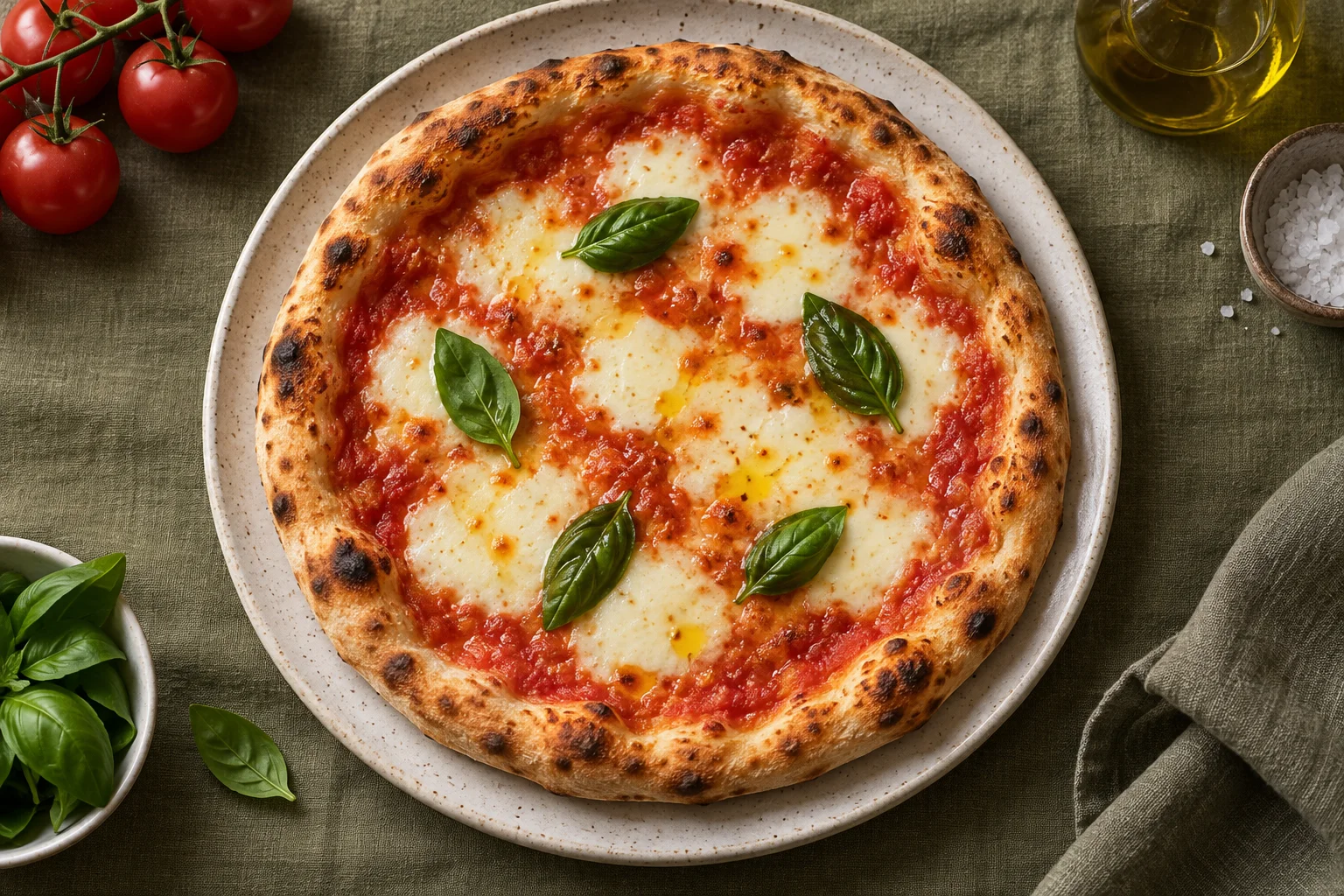
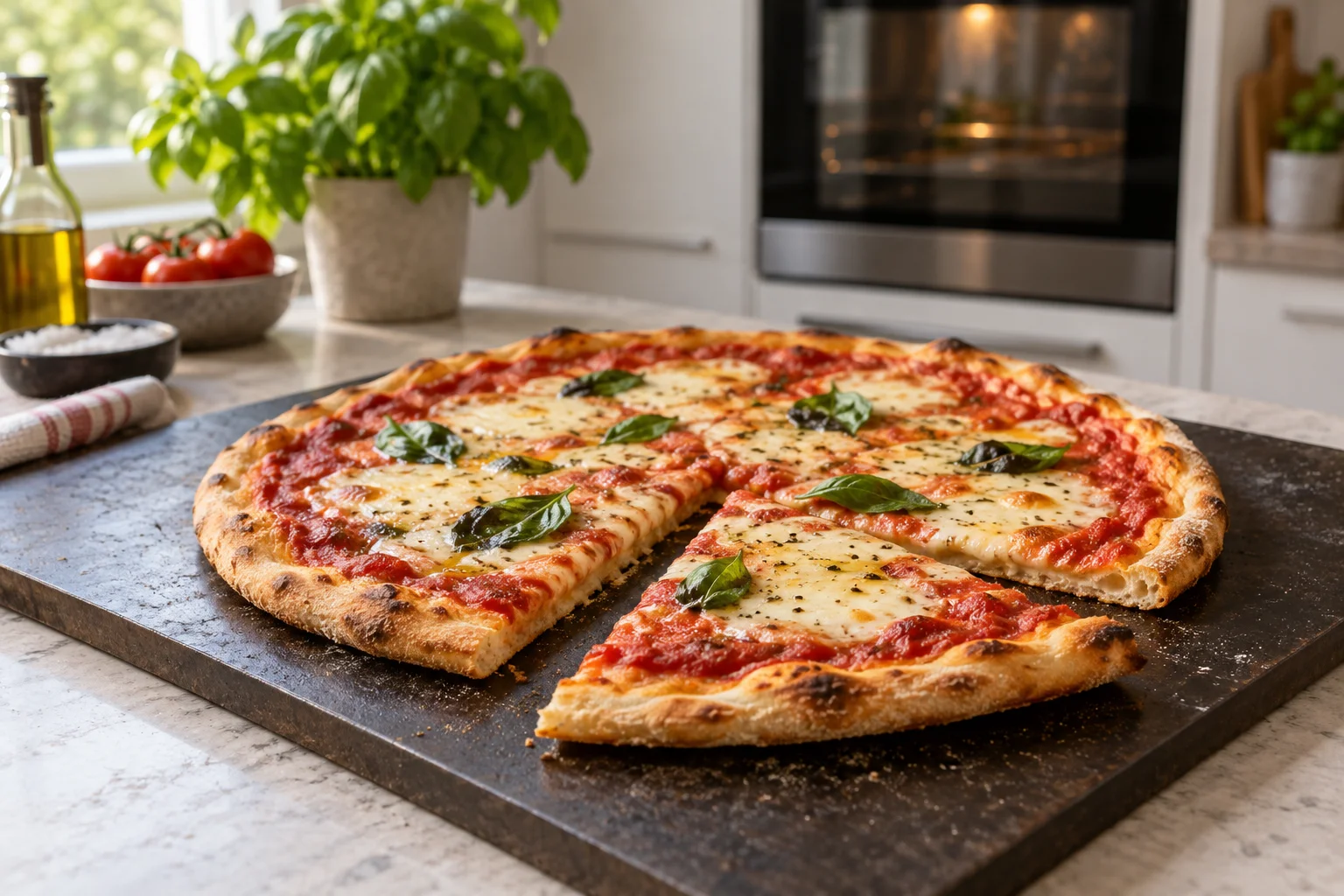
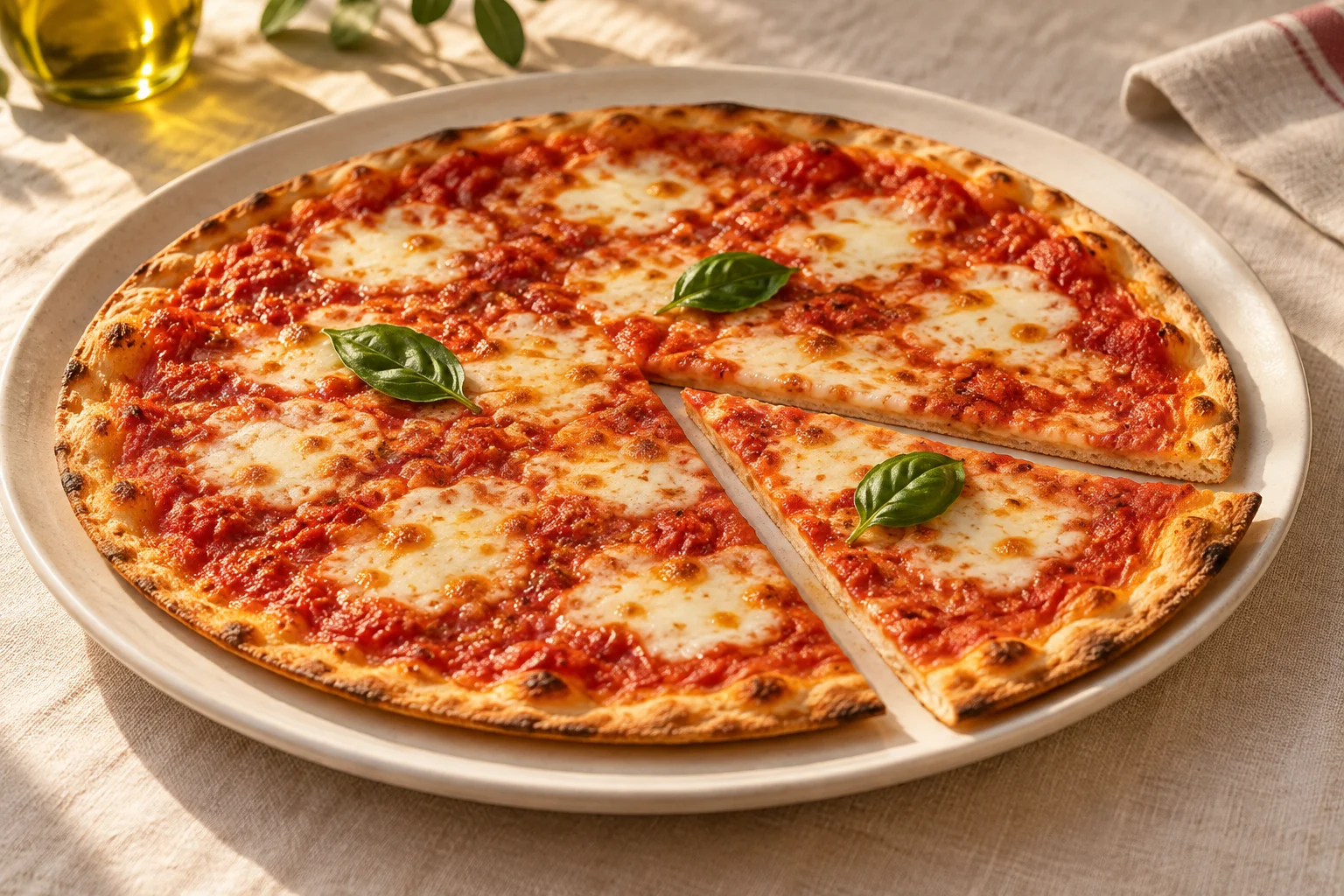
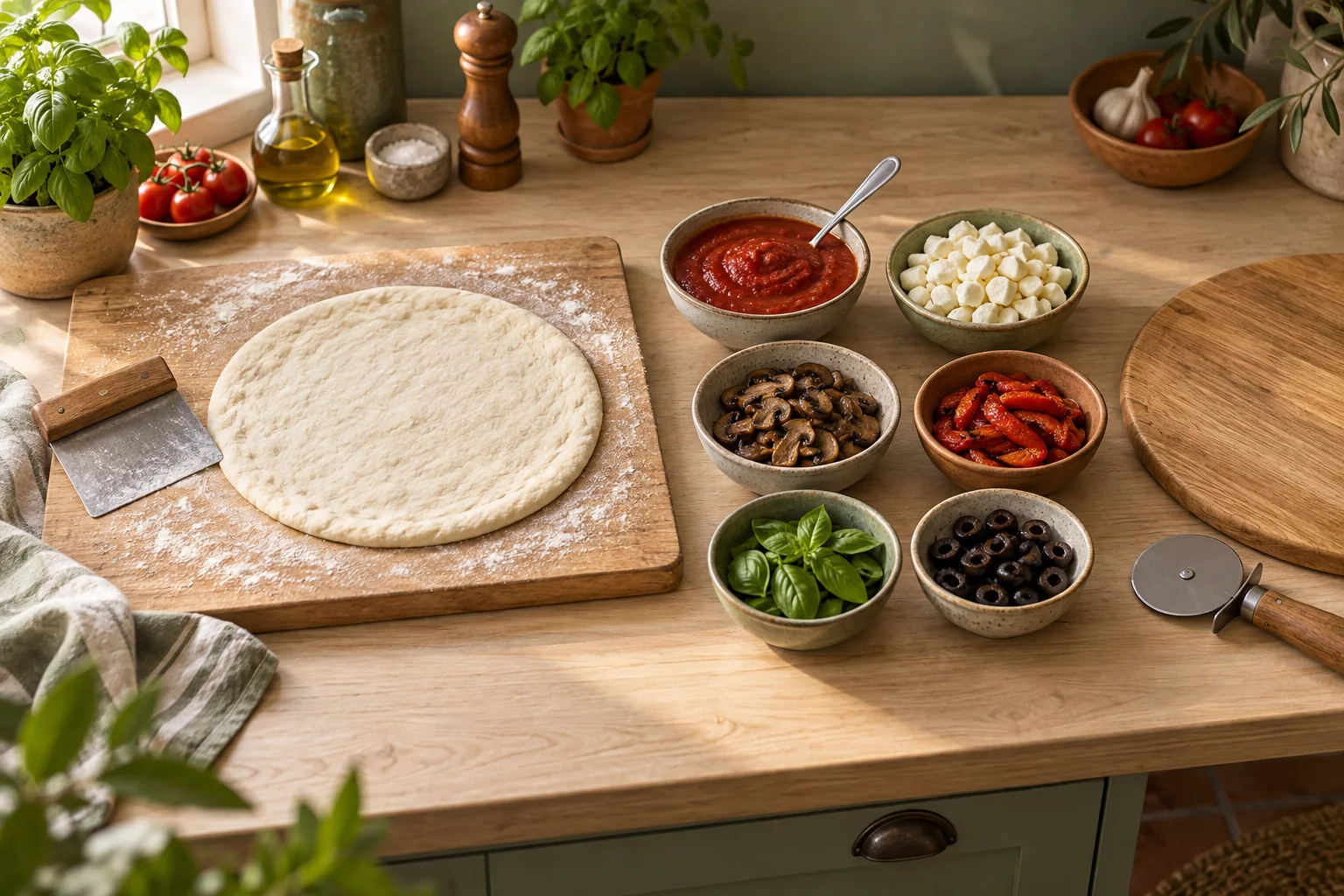
A direct dough, a thin layer of tomato and mozzarella: a starting recipe for two pizzas in a domestic oven.
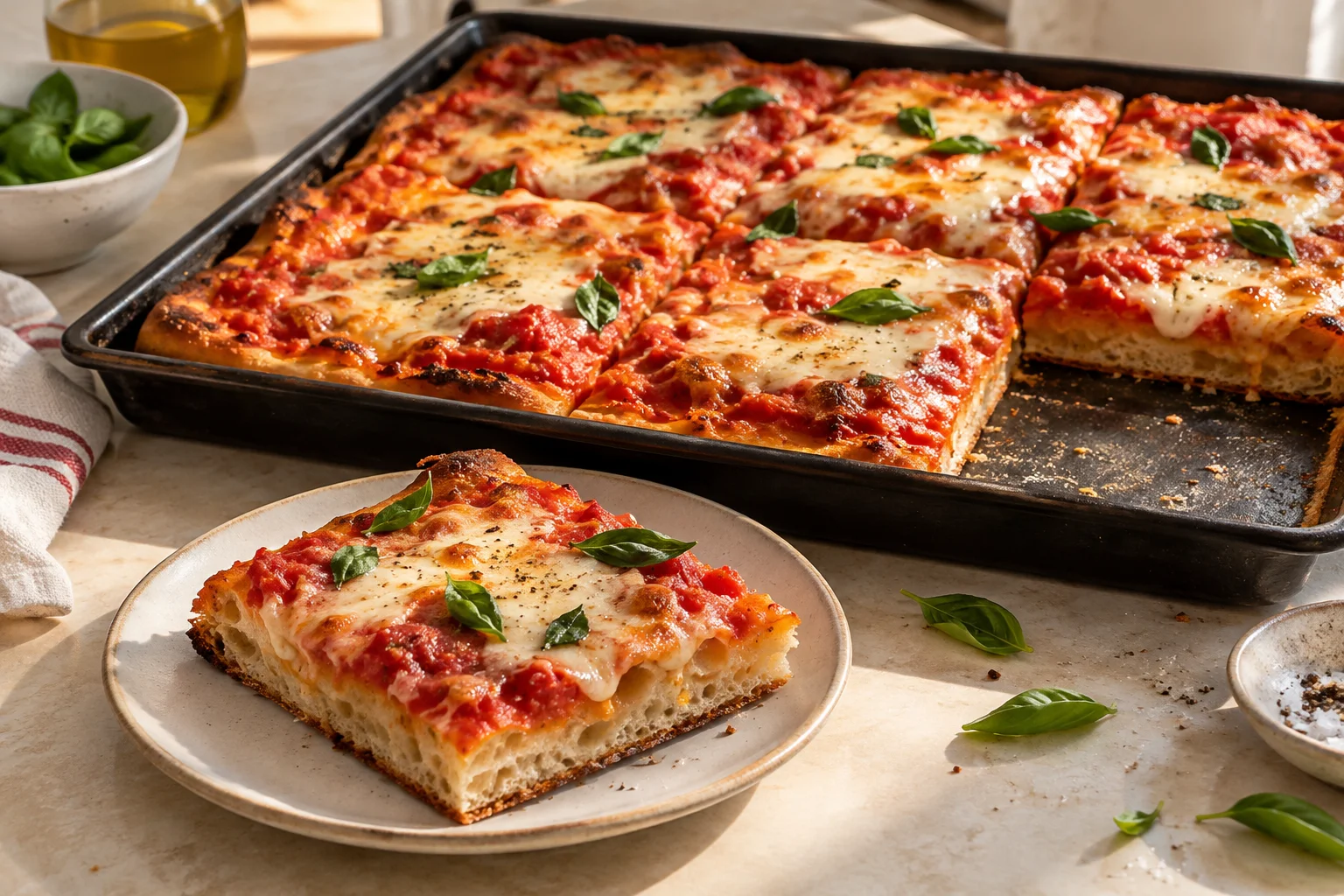
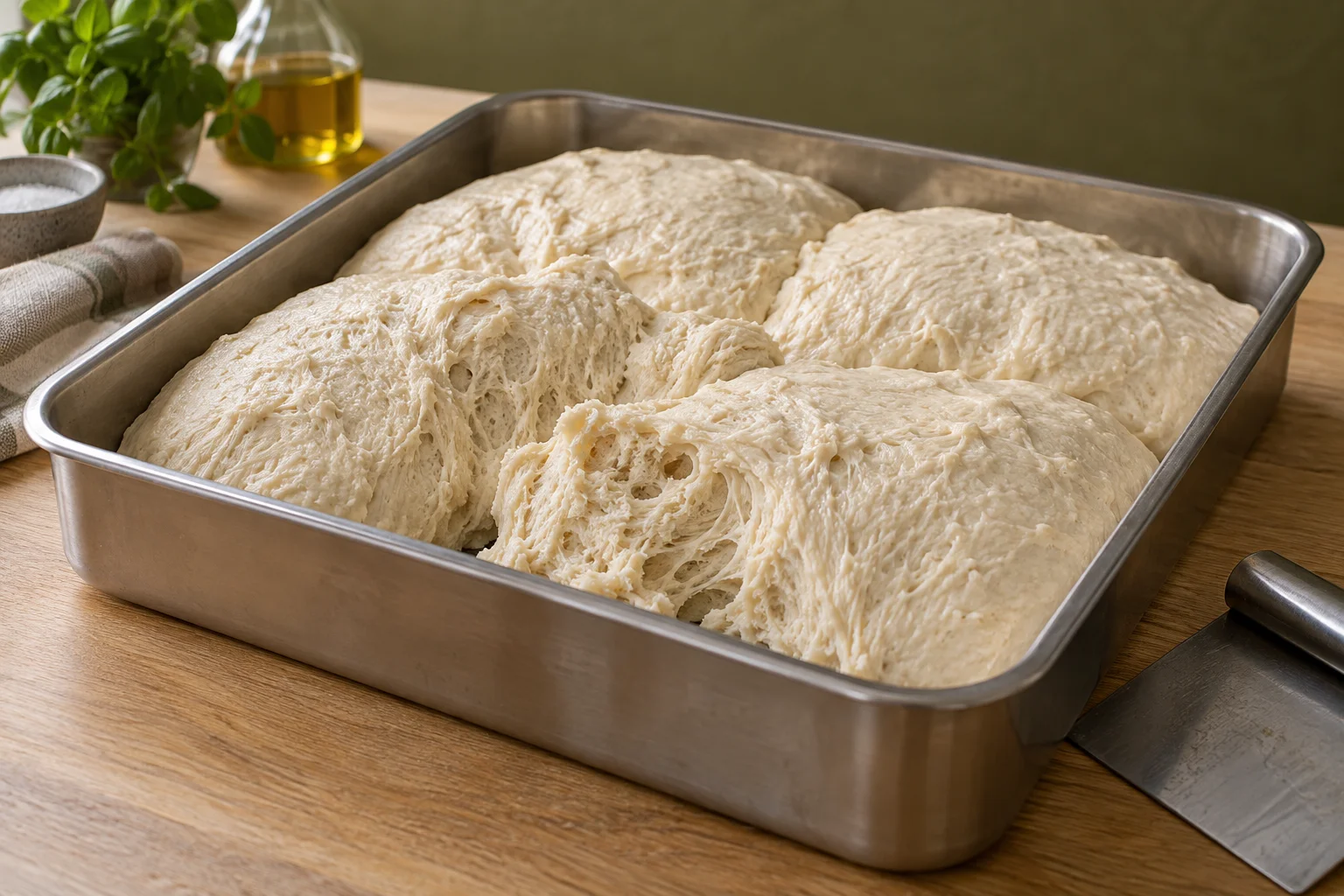
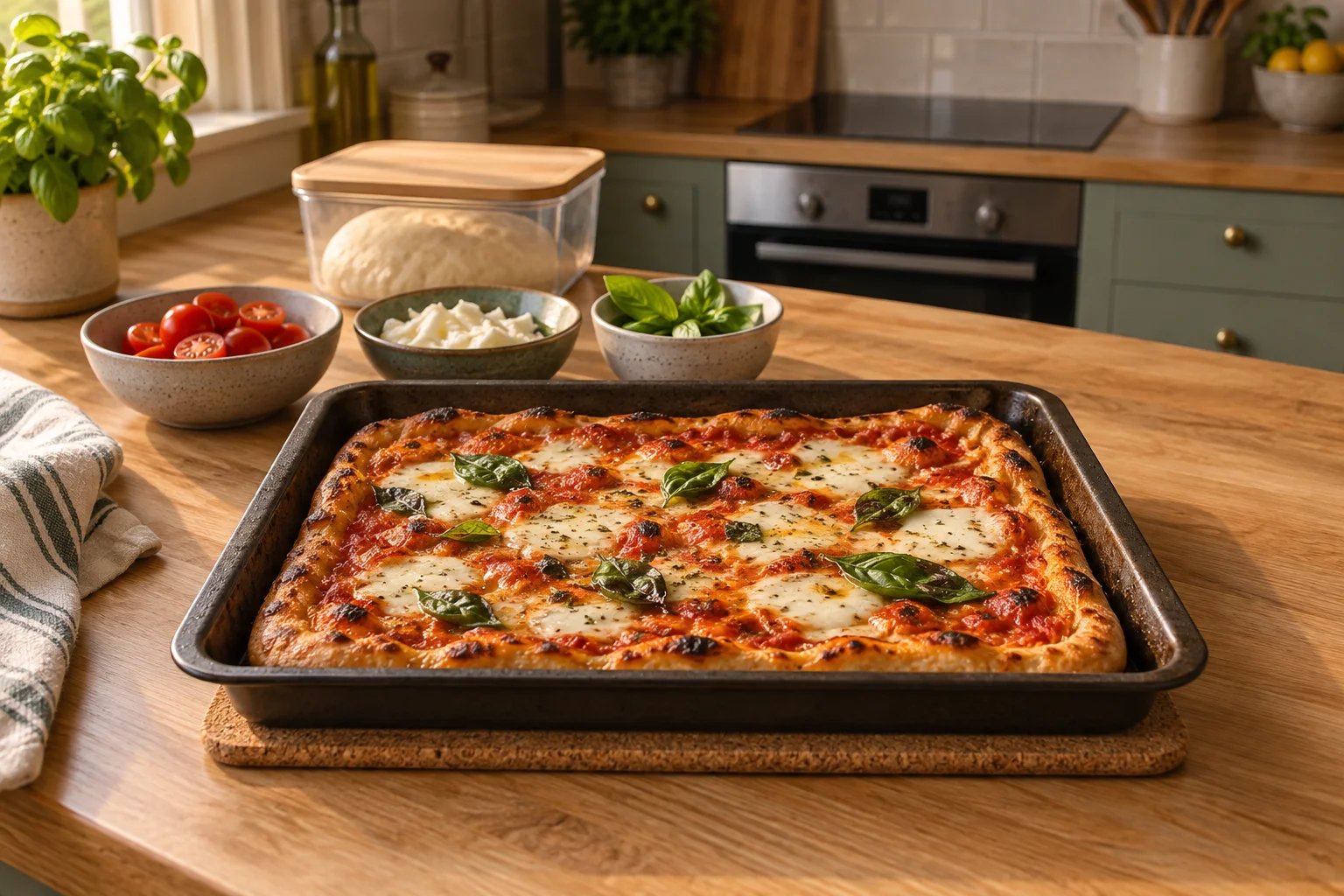
A soft dough is shaped directly in an oiled tray. A practical option for serving several people together.
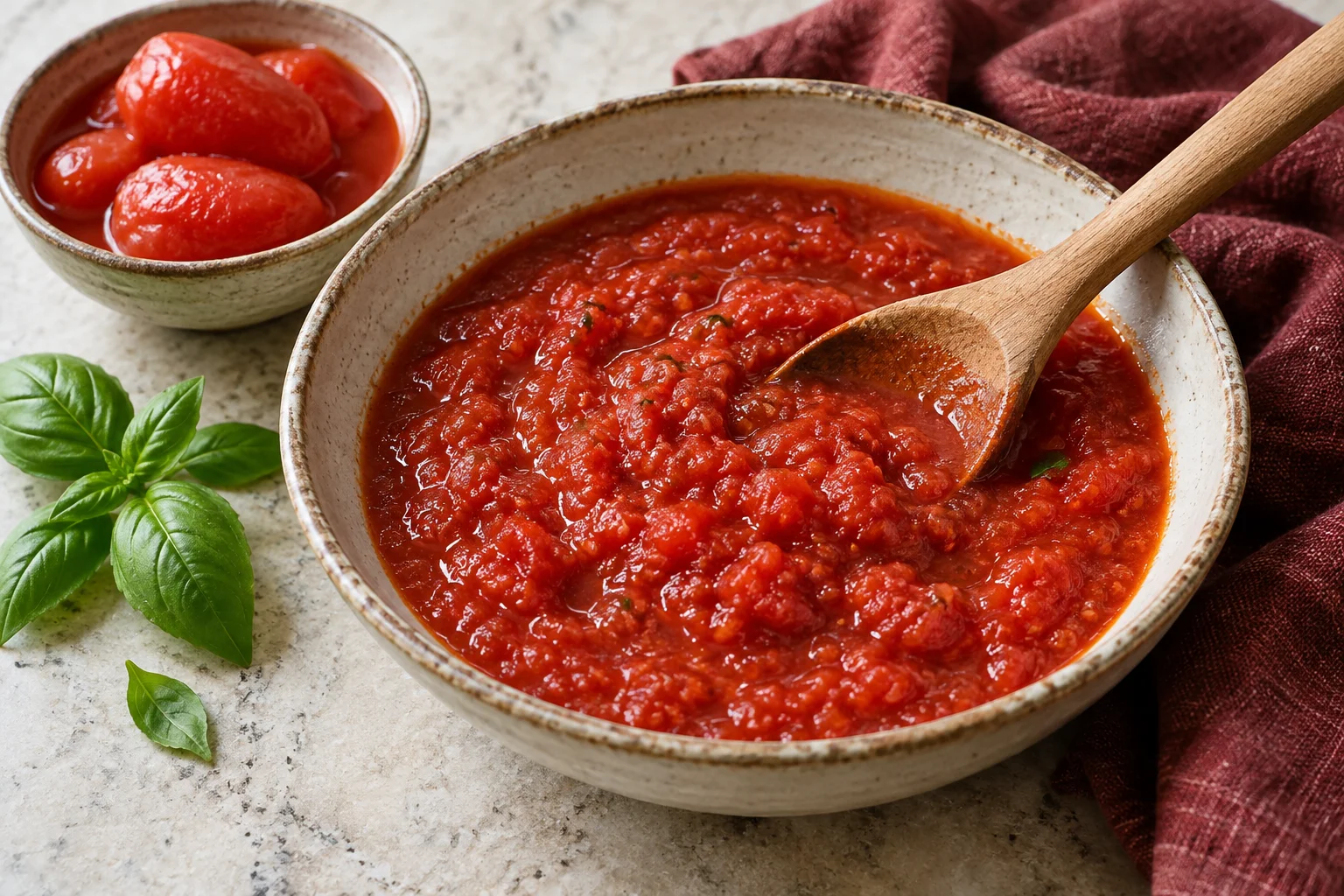
An uncooked sauce from tinned tomatoes takes just a few minutes to prepare. It cooks later on the pizza.
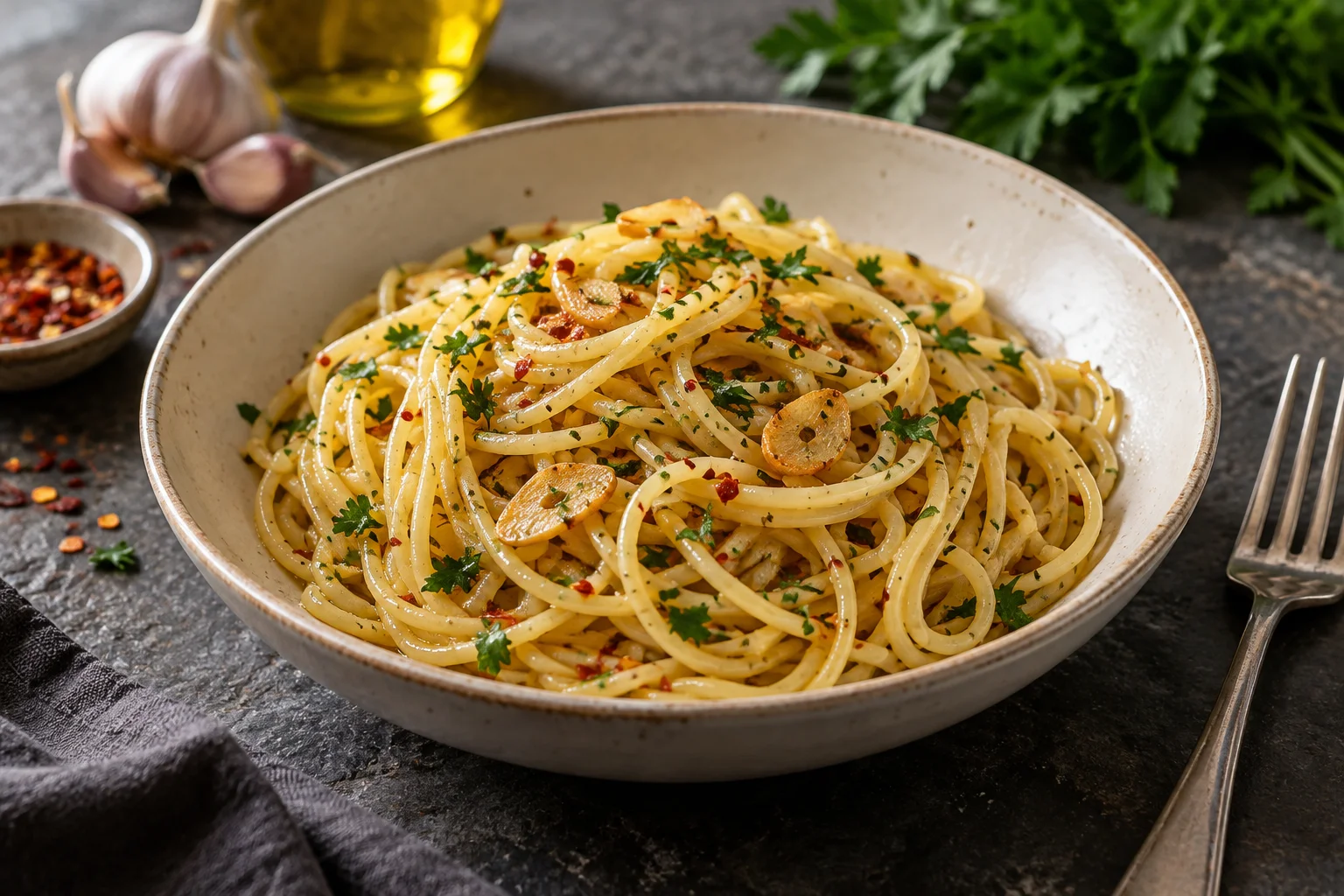
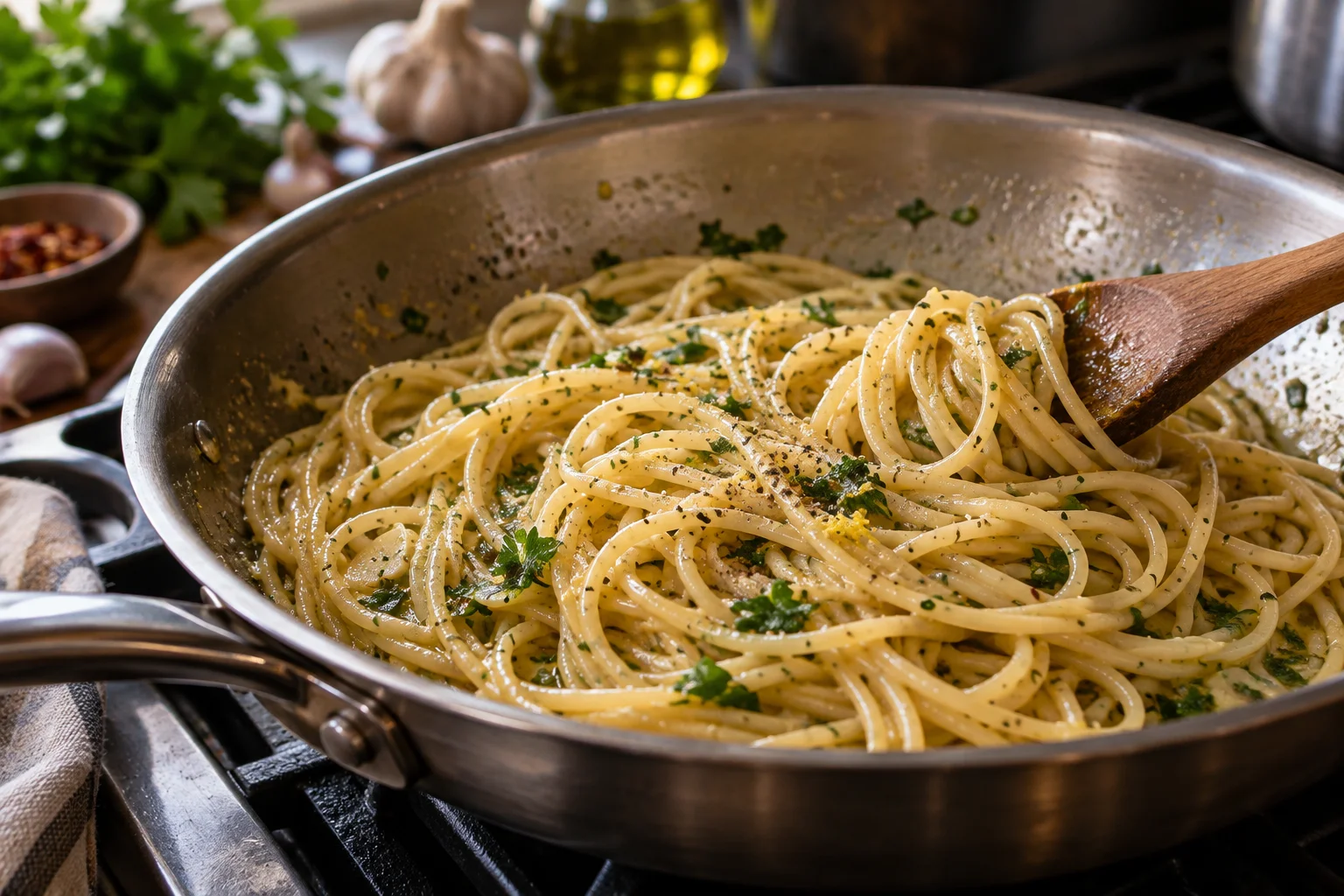
Garlic, olive oil and chilli make a flavourful pasta. Gentle heat and a little starchy cooking water bring it together.
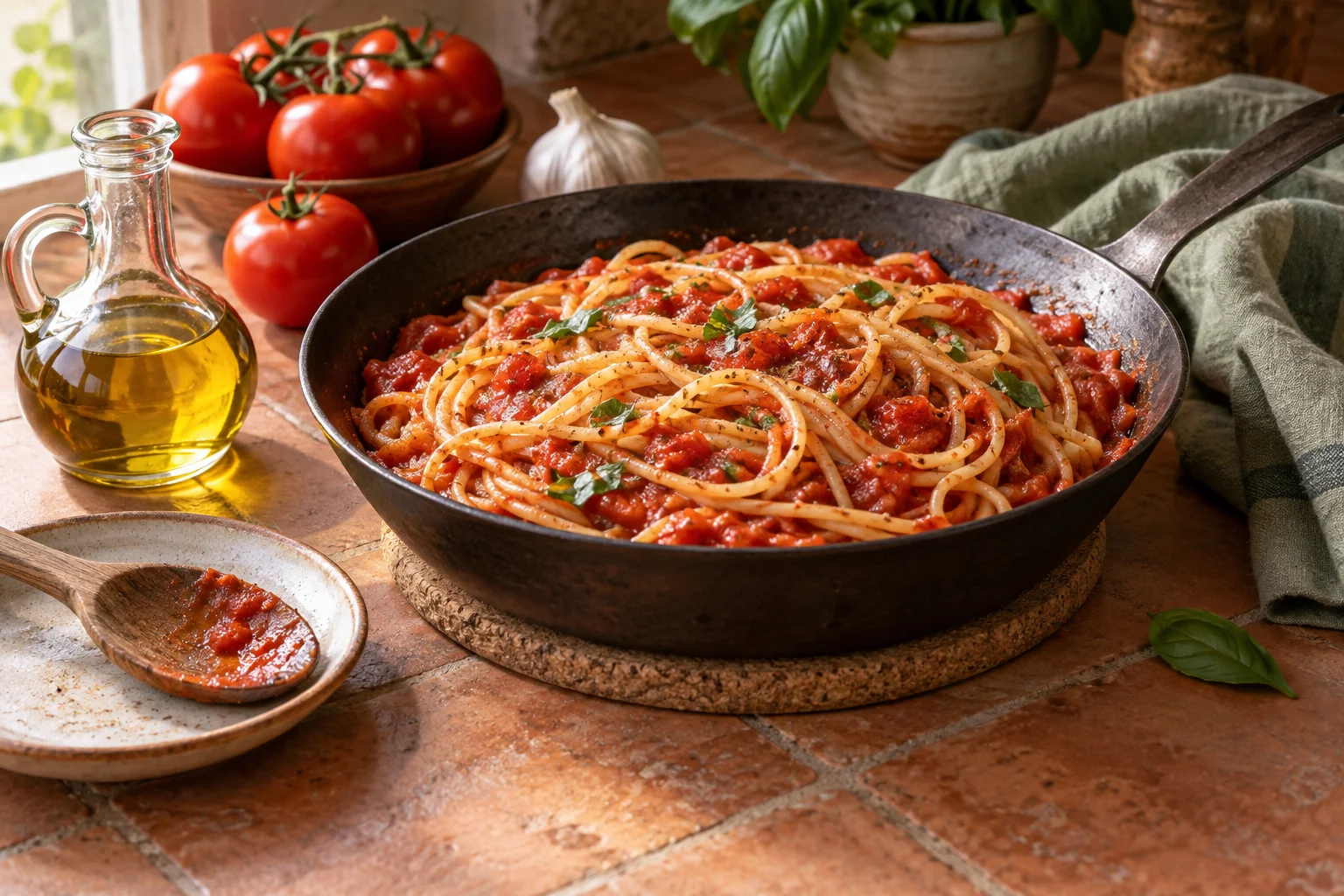
A simple tomato sauce that simmers while you prepare the rest. Serve with spaghetti, penne or tagliatelle.
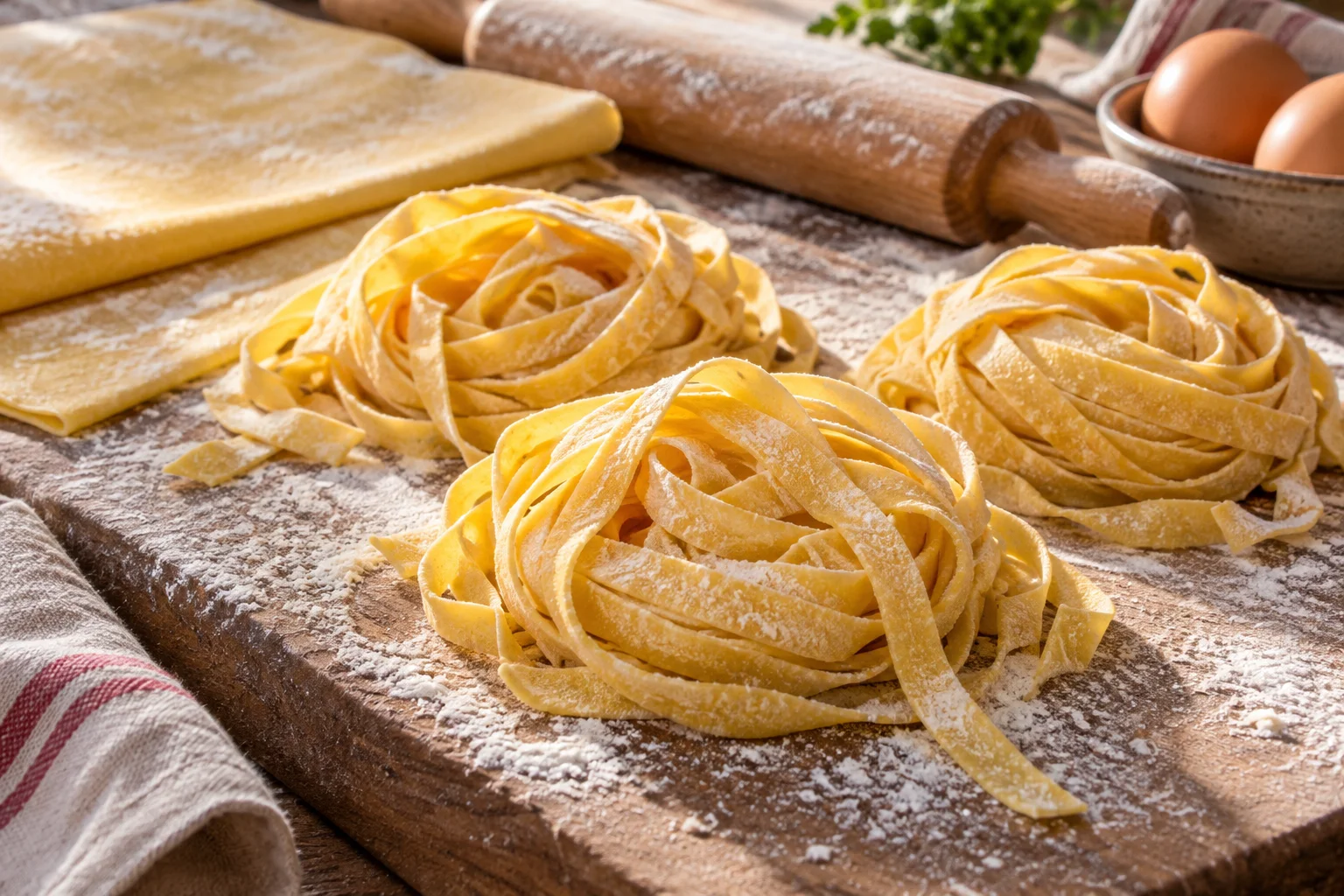
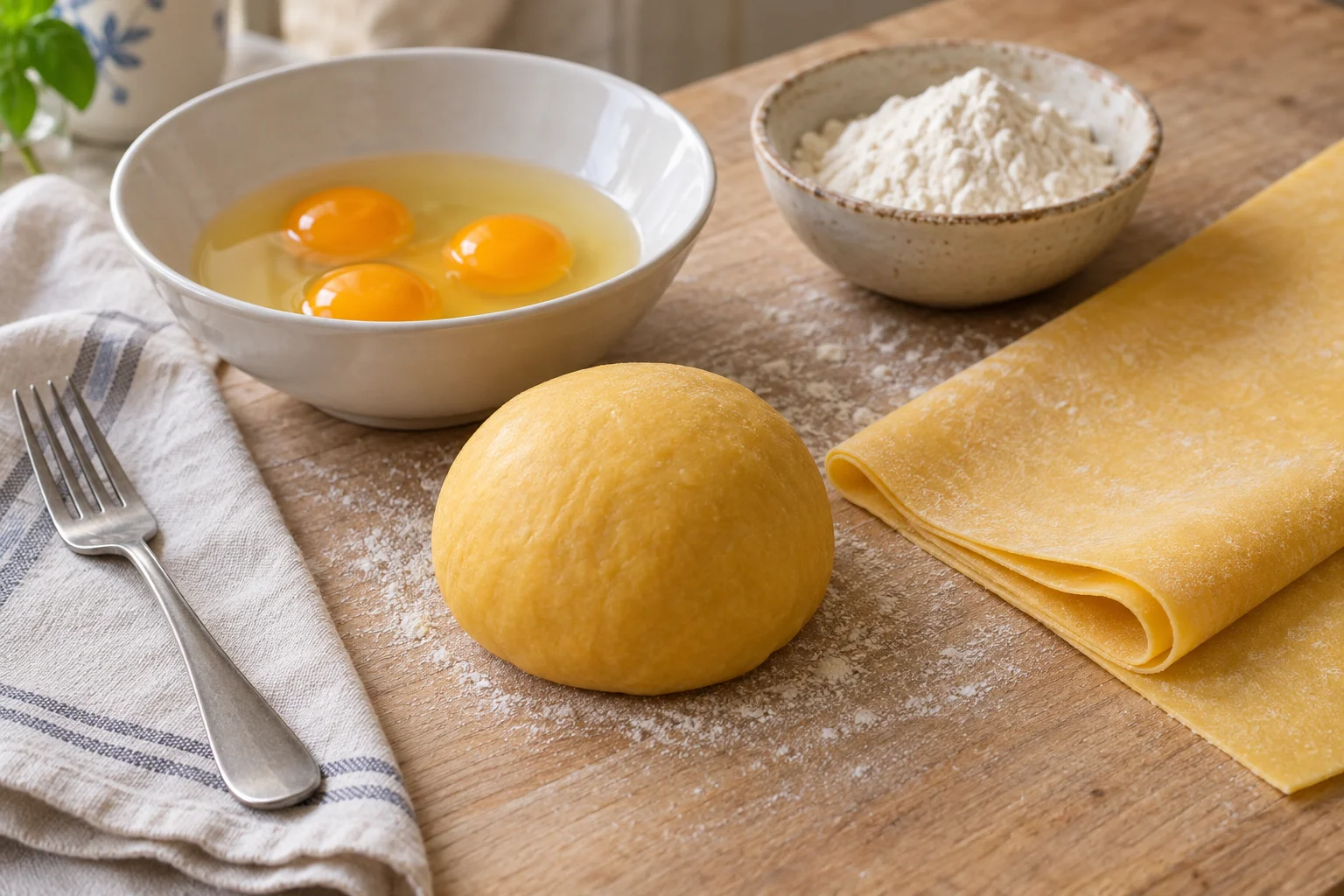
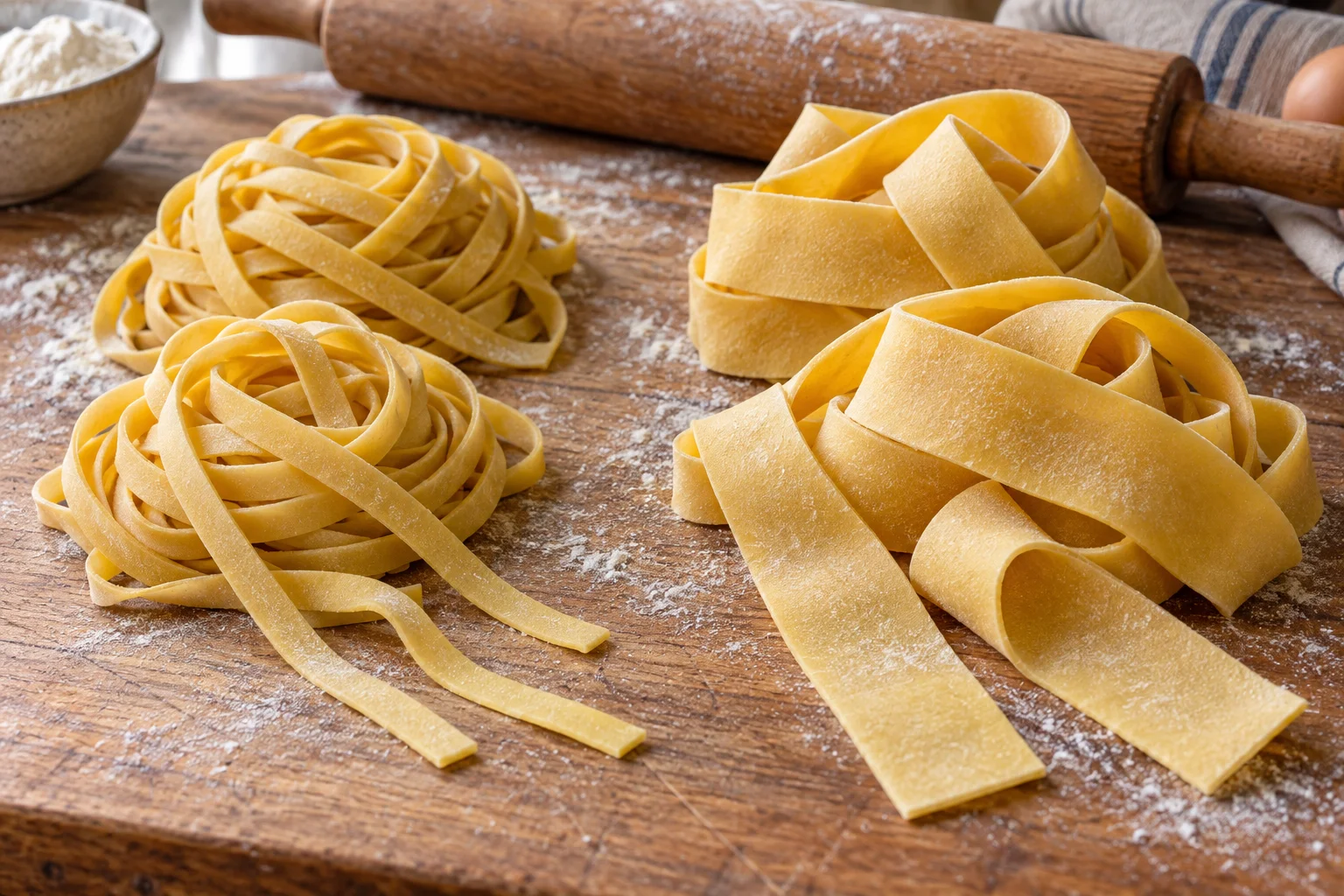
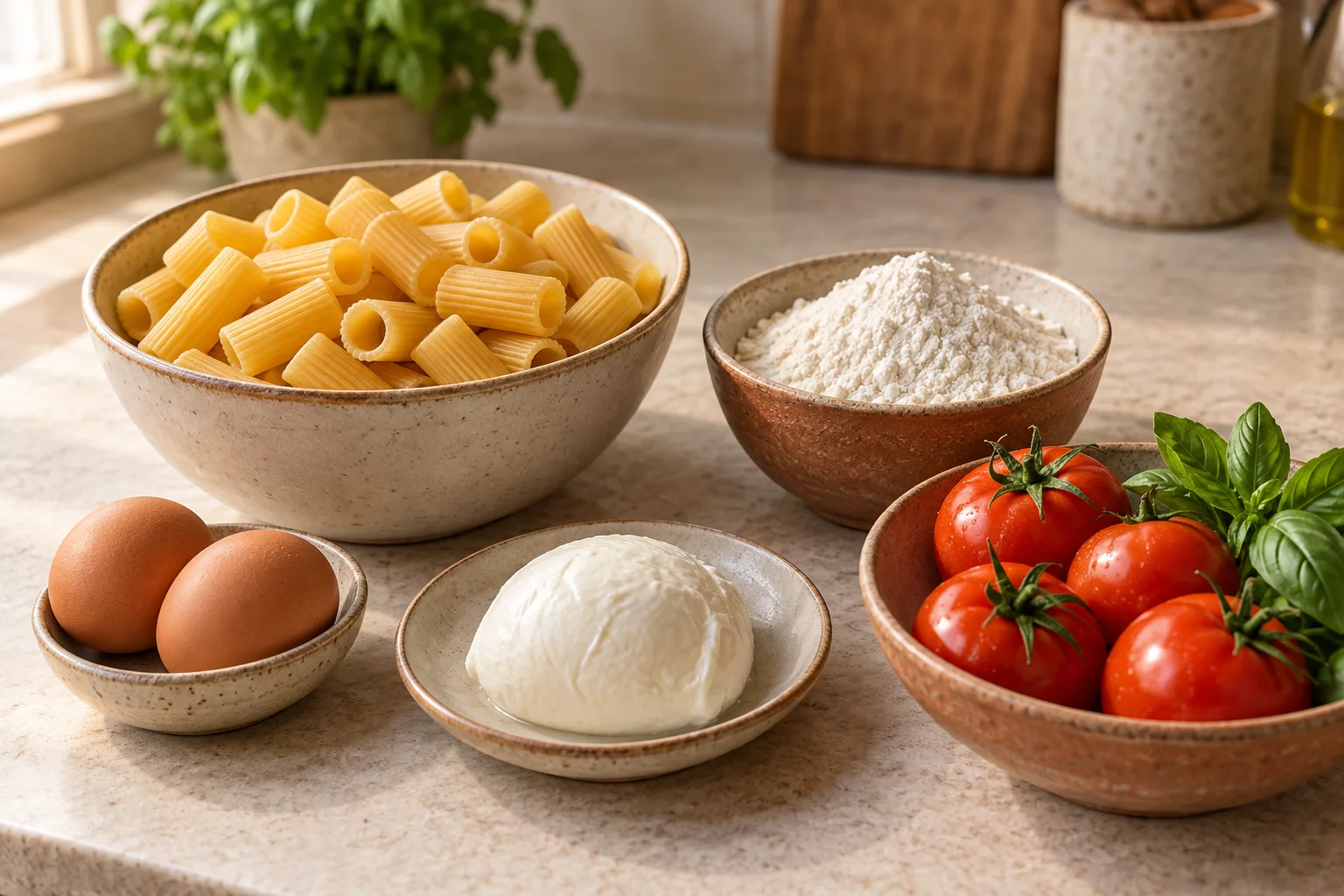
Flour, eggs and a little time: use this basic dough for ribbons rolled by hand or with a pasta machine.
Coordinate the baking surface, temperature, dough and toppings in your home oven, with practical fixes for pale bases and over-browned cheese.
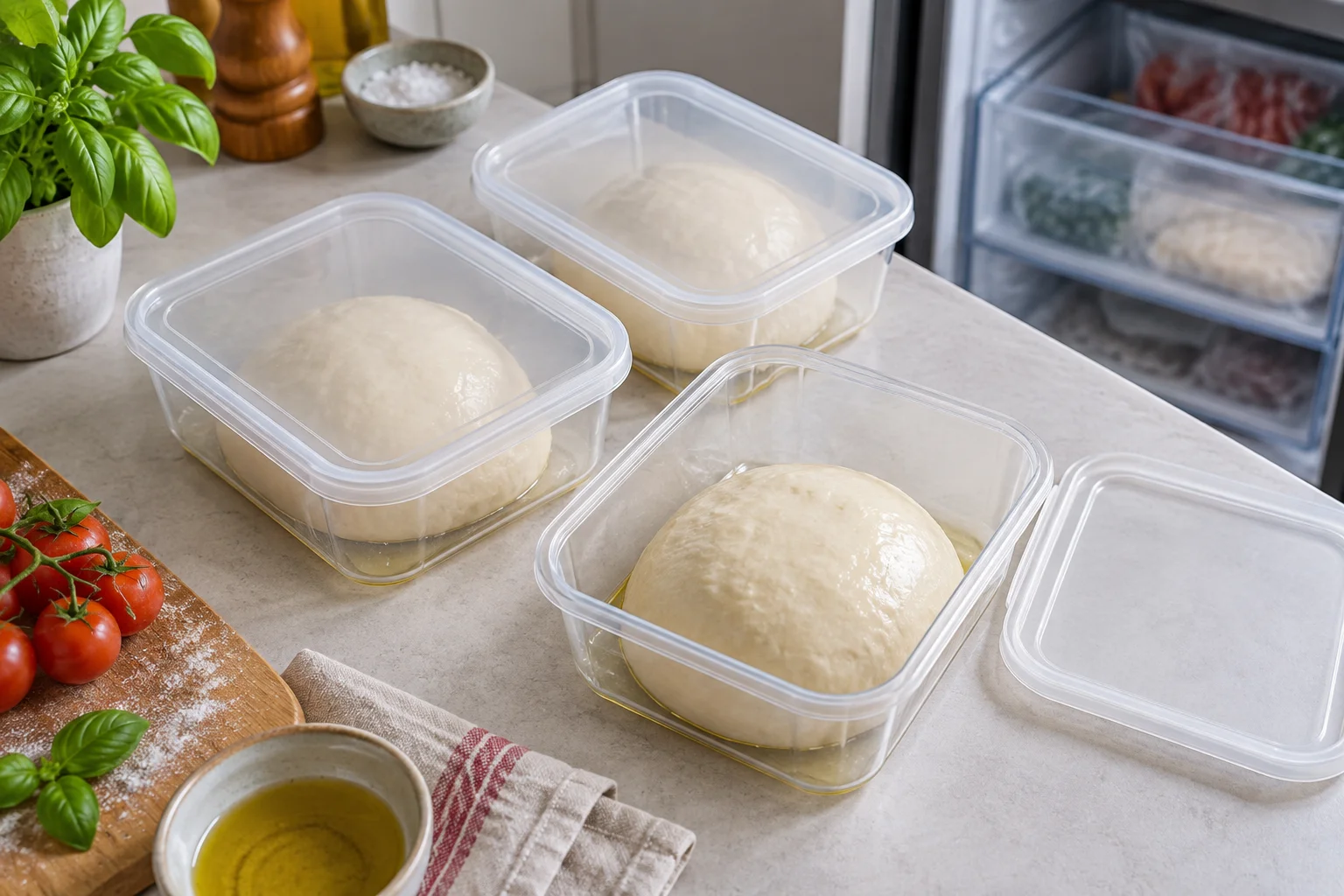
Prepare individual dough portions, protect them in the freezer and plan thawing around your next pizza evening.
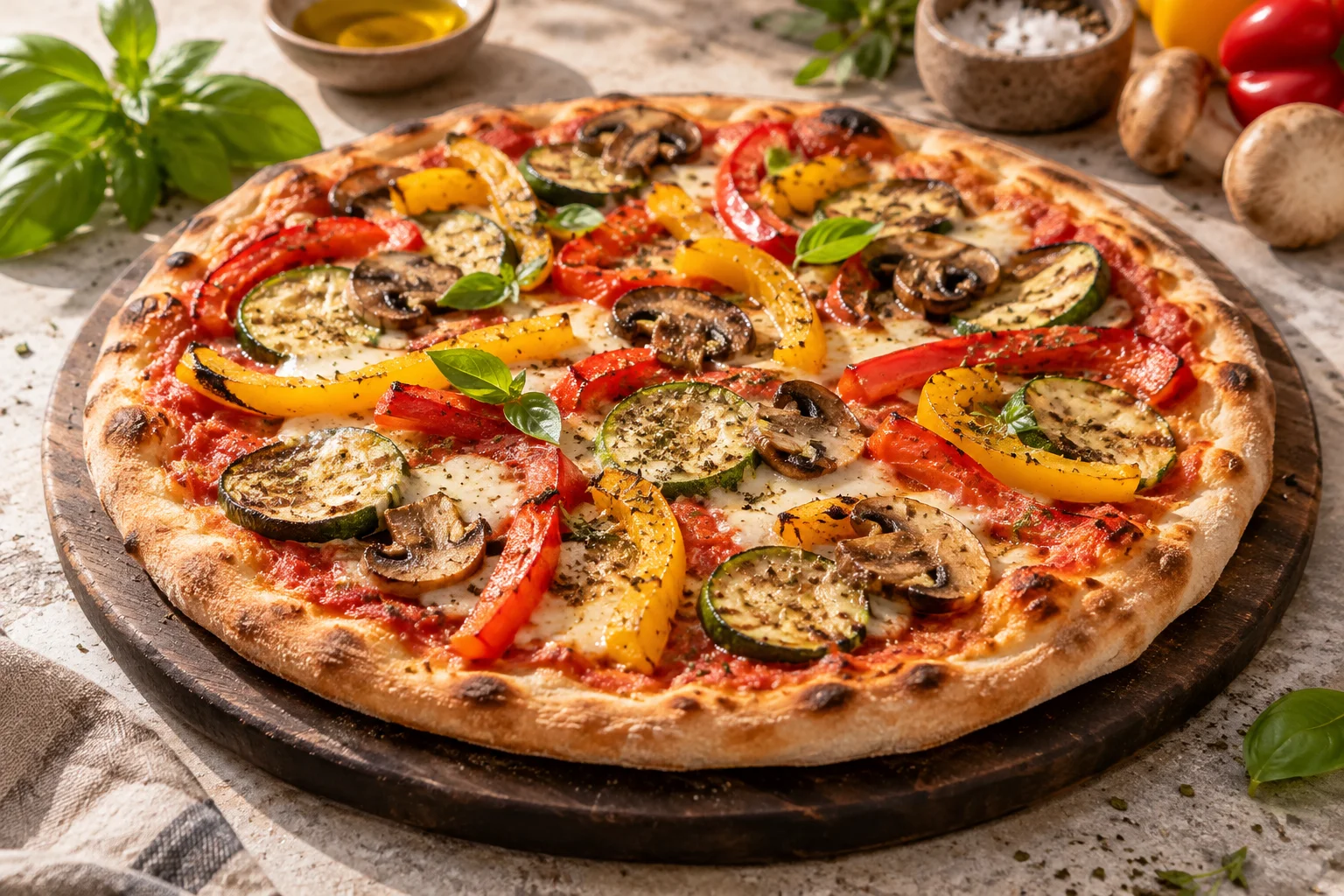
Prepare mushrooms, peppers, courgettes and more, with portion examples, three topping combinations and practical fixes for watery pizza.
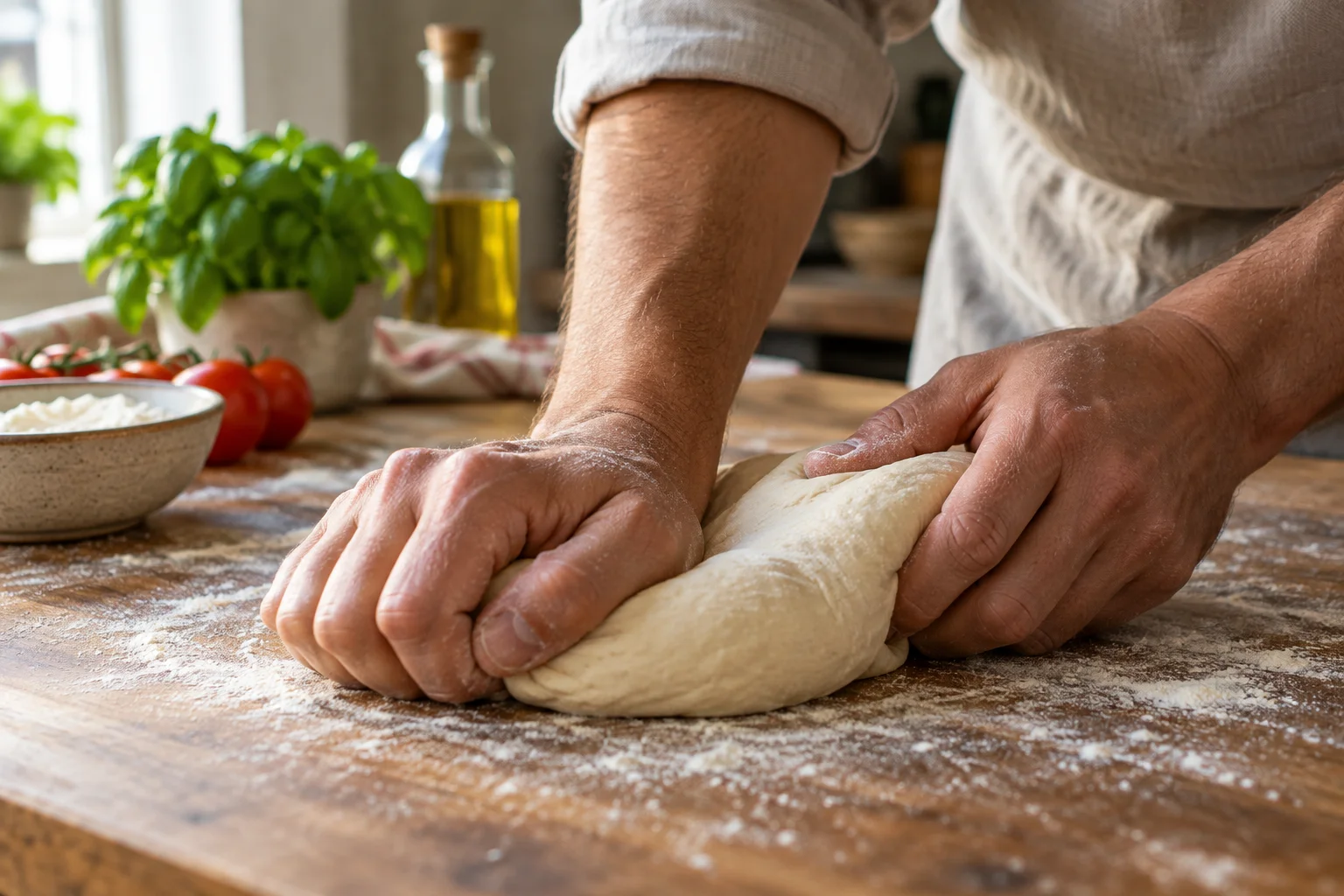
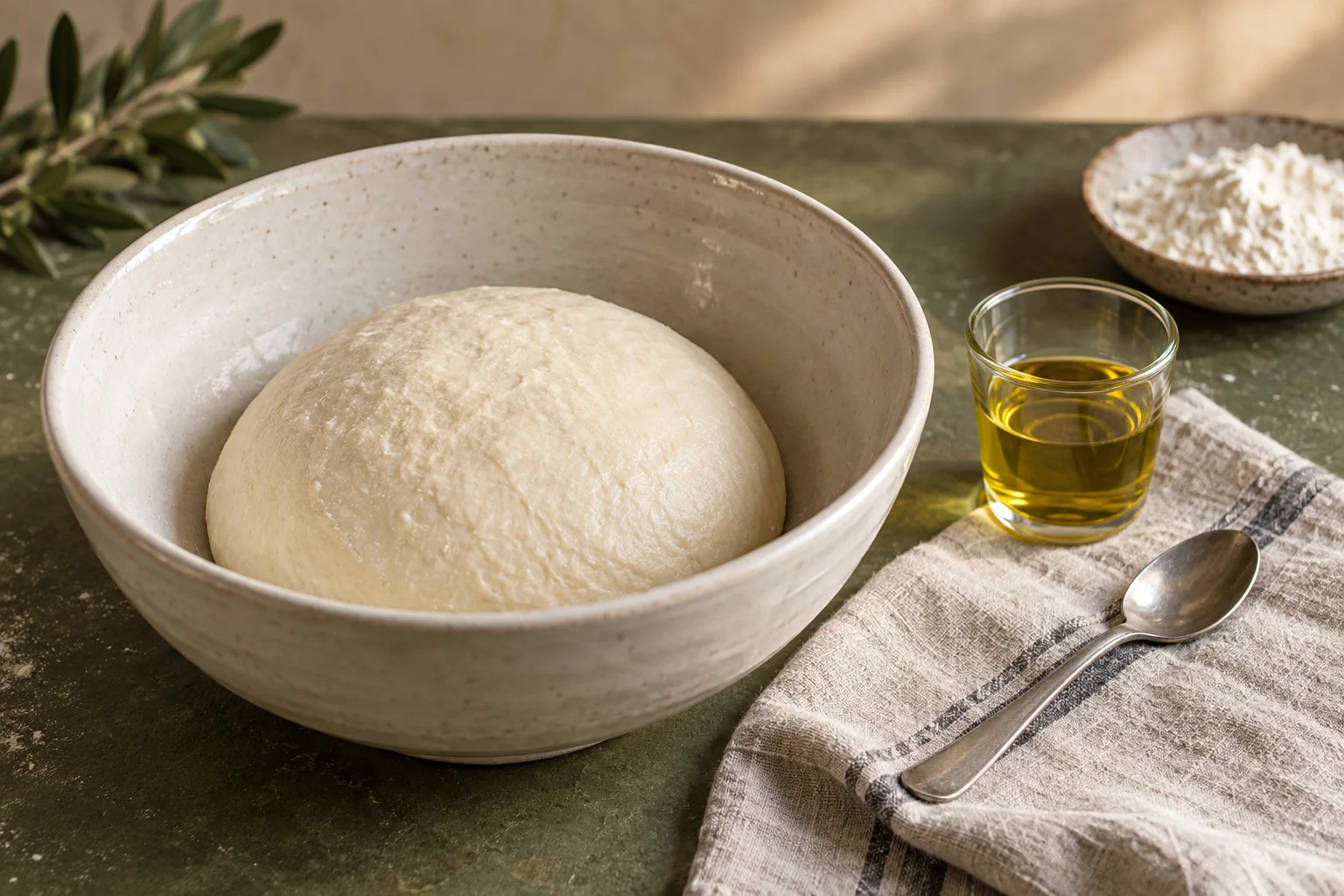
Make pizza dough without a mixer, using a specific batch, simple hand movements and clear guidance on kneading, resting and dividing.
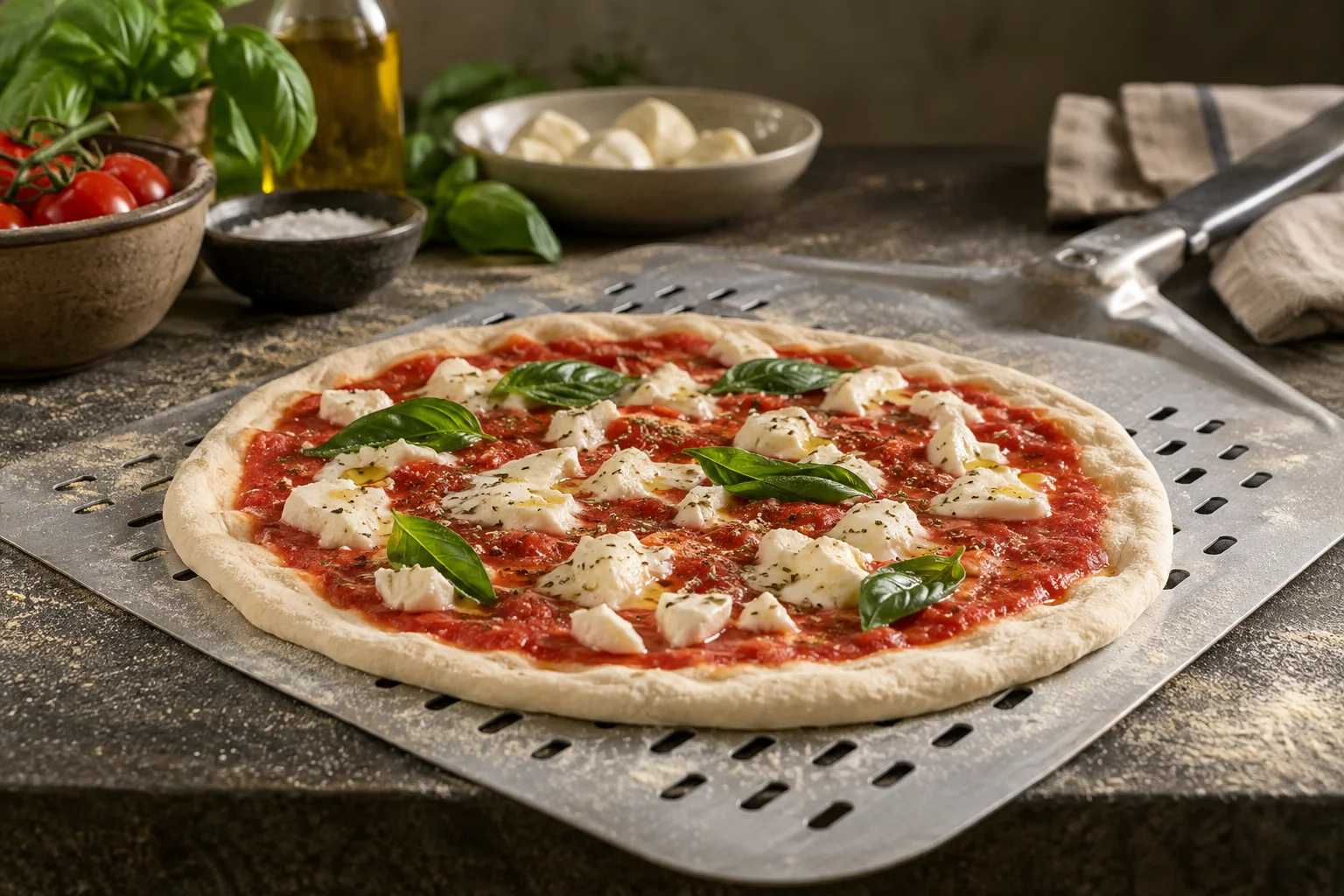
Choose a suitable peel, prevent sticking and launch pizza with control, using a practical sequence for your first attempt.
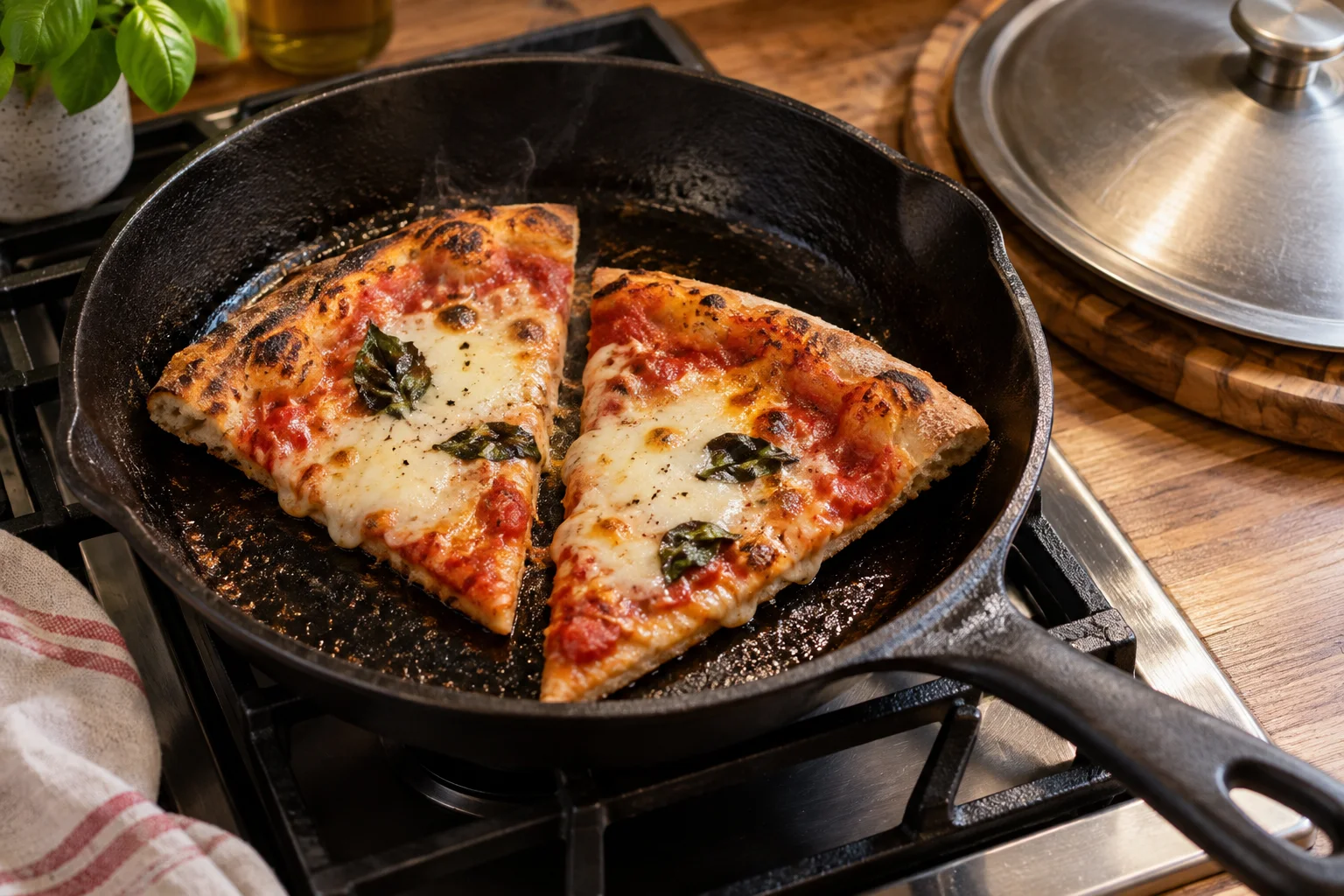
Bring pizza leftovers back to a hot centre and crisp base, with methods for a pan, oven, air fryer and microwave.
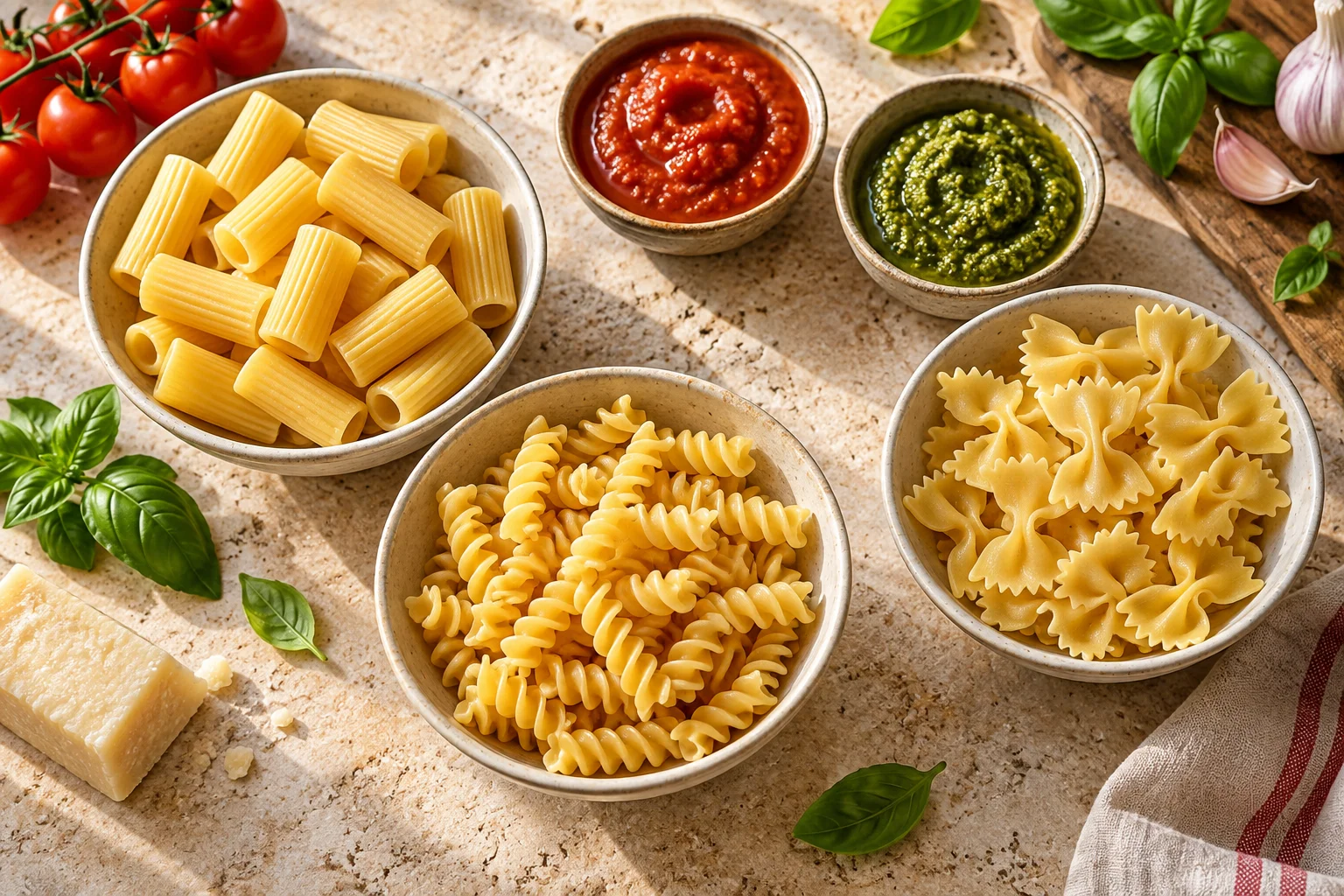
Spaghetti, penne or ribbons: match shapes to sauce and other ingredients, and choose useful substitutes from your cupboard.
A practical quantity and timing plan for eight people, matching sauce, pan capacity and the final minutes before serving.
Use cooking water, heat and movement with purpose, with practical methods for watery, oily or clumped sauces.
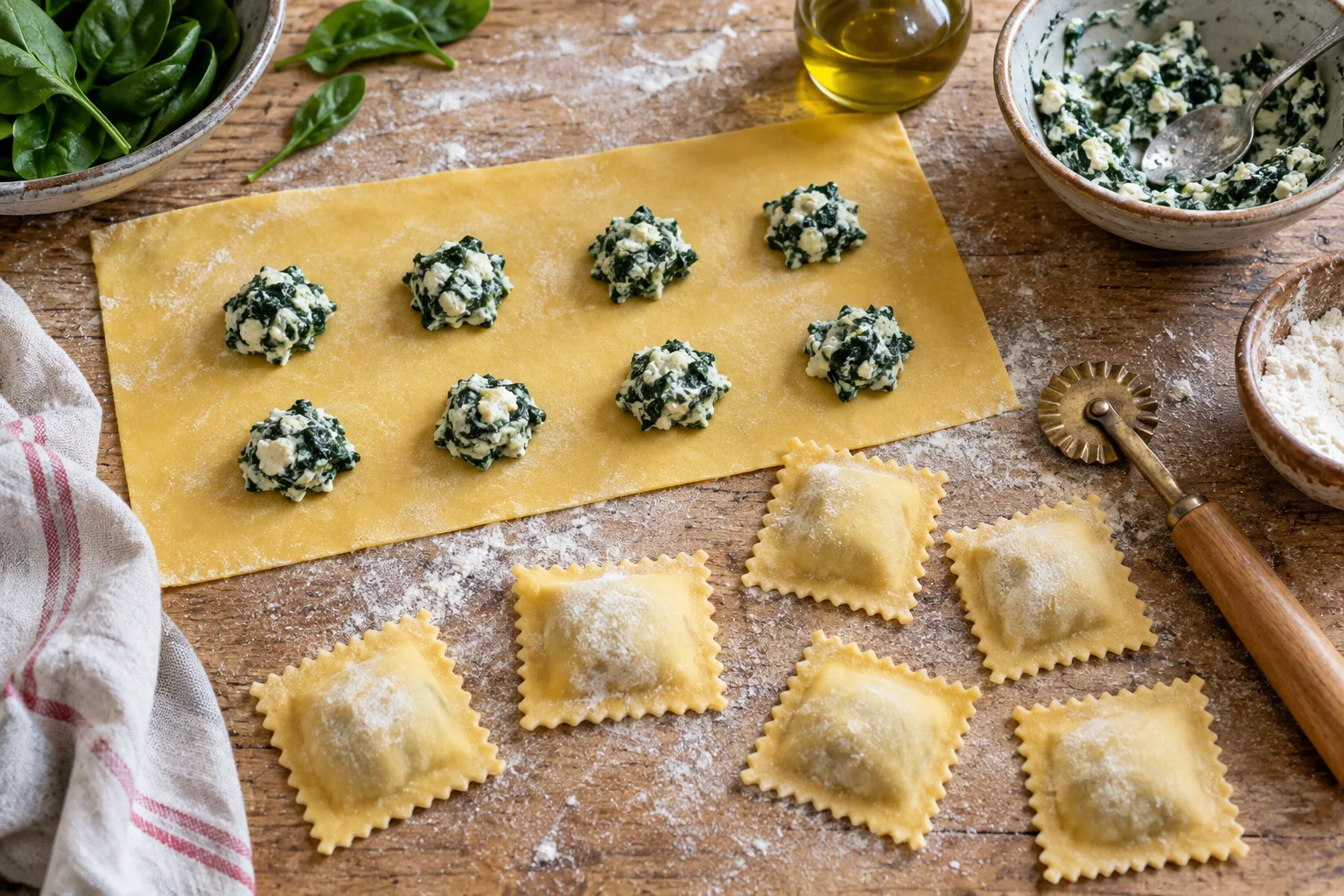
Shape ricotta and spinach ravioli by hand, with guidance on dough thickness, filling, sealed edges and gentle cooking.
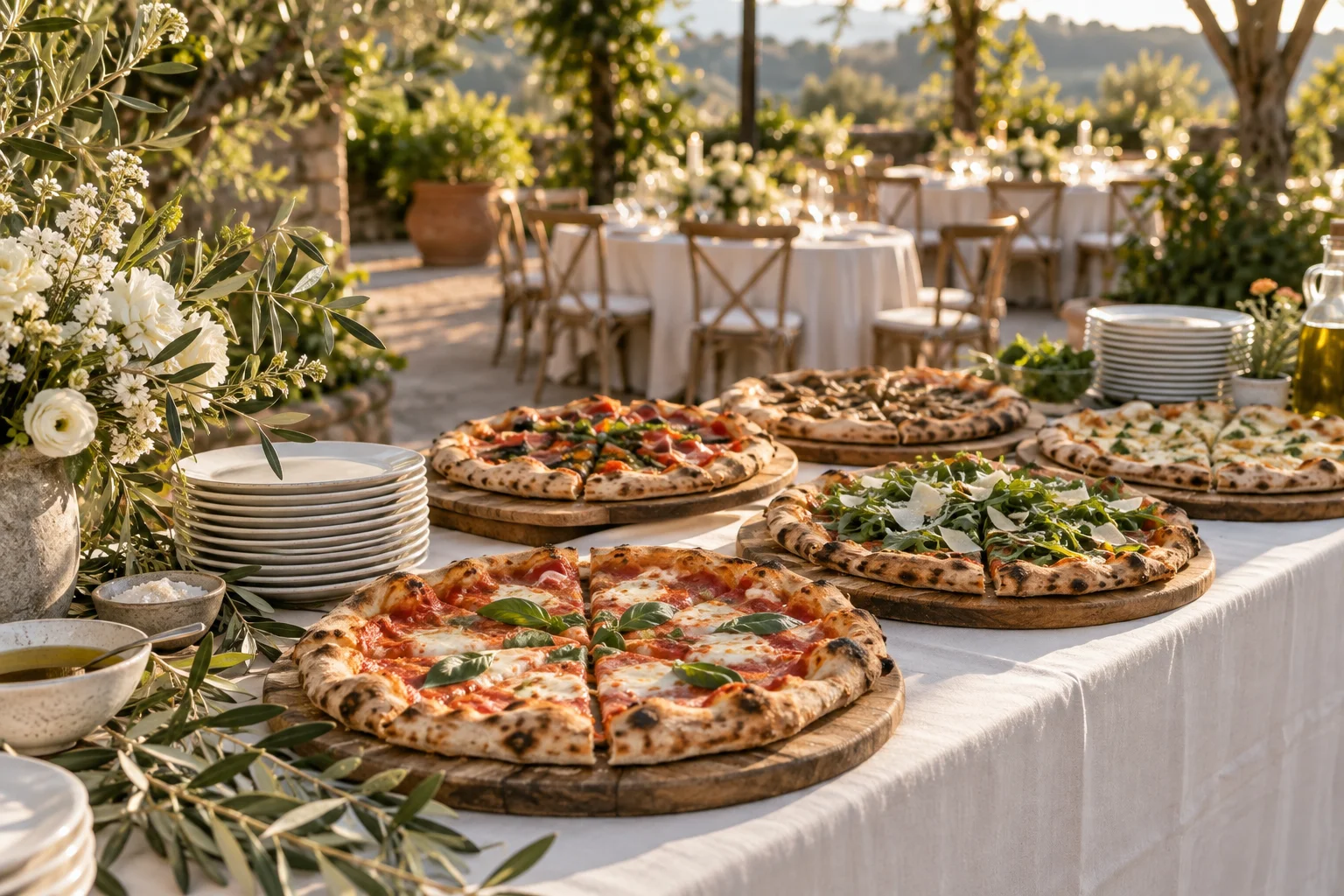
Plan pizza as a wedding meal or late snack, with a quantity example, serving capacity, weather arrangements and comparable quotes.
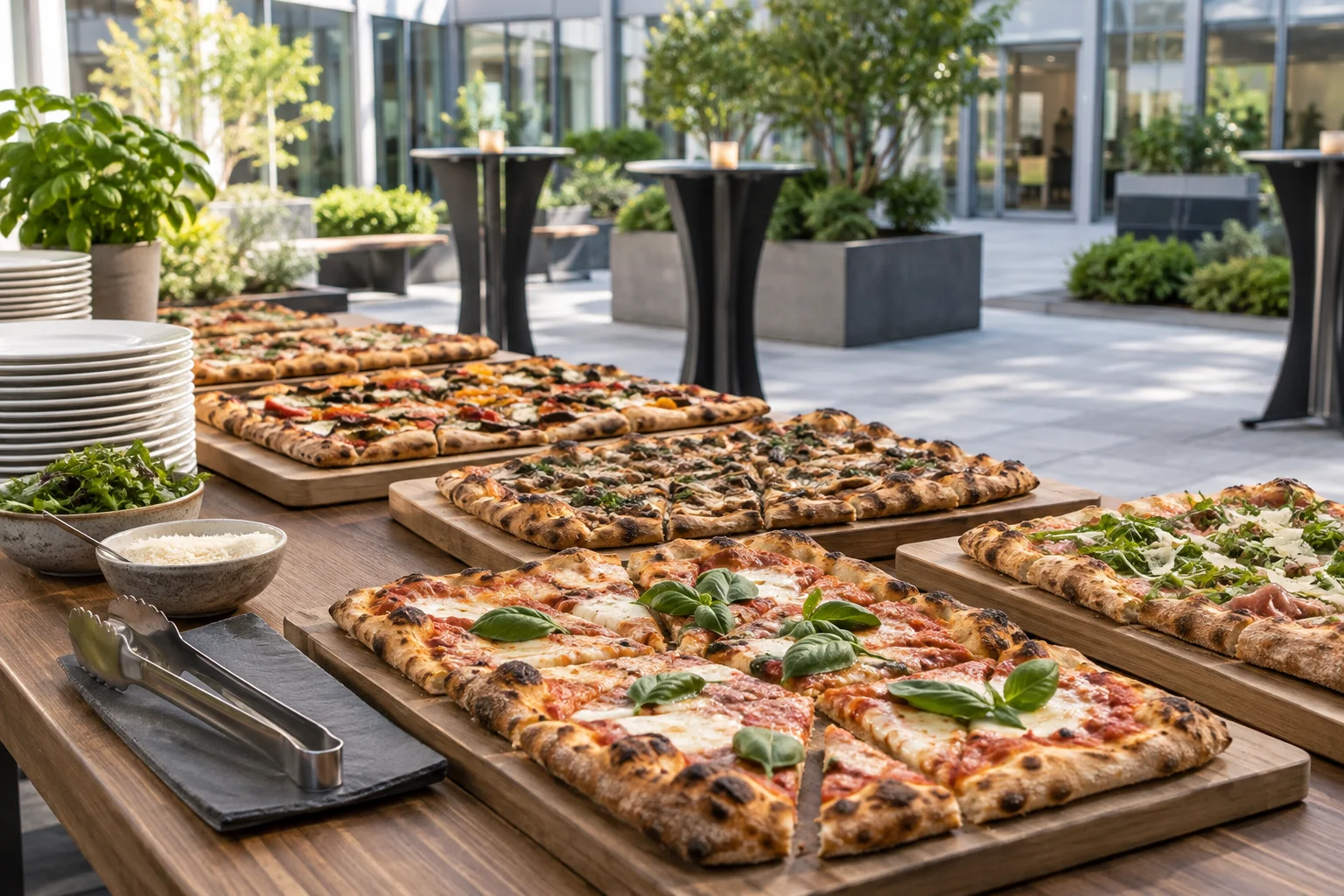
Plan pizza catering for teams and shift workers, with capacity calculations, practical serving routes and a complete quote comparison.
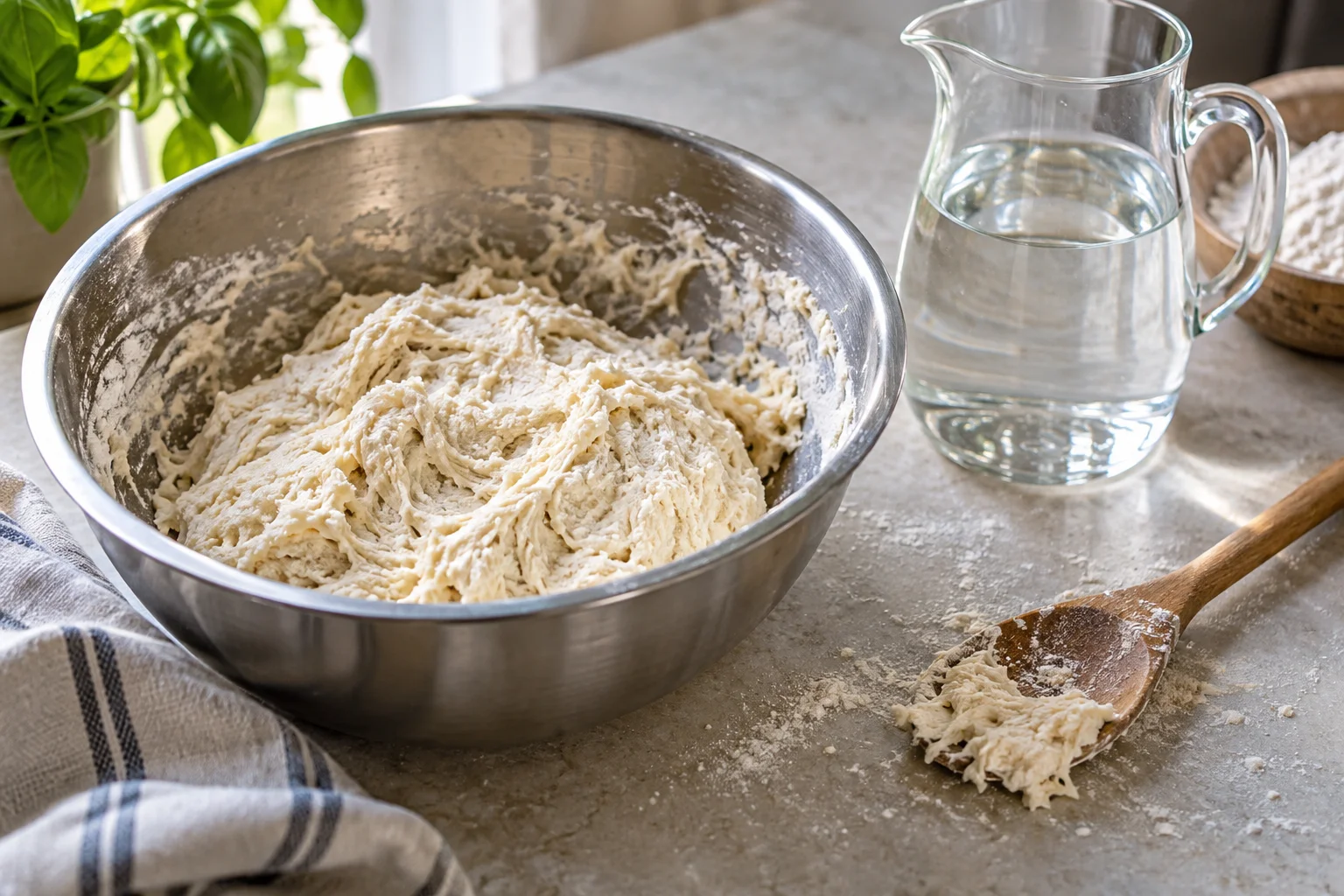
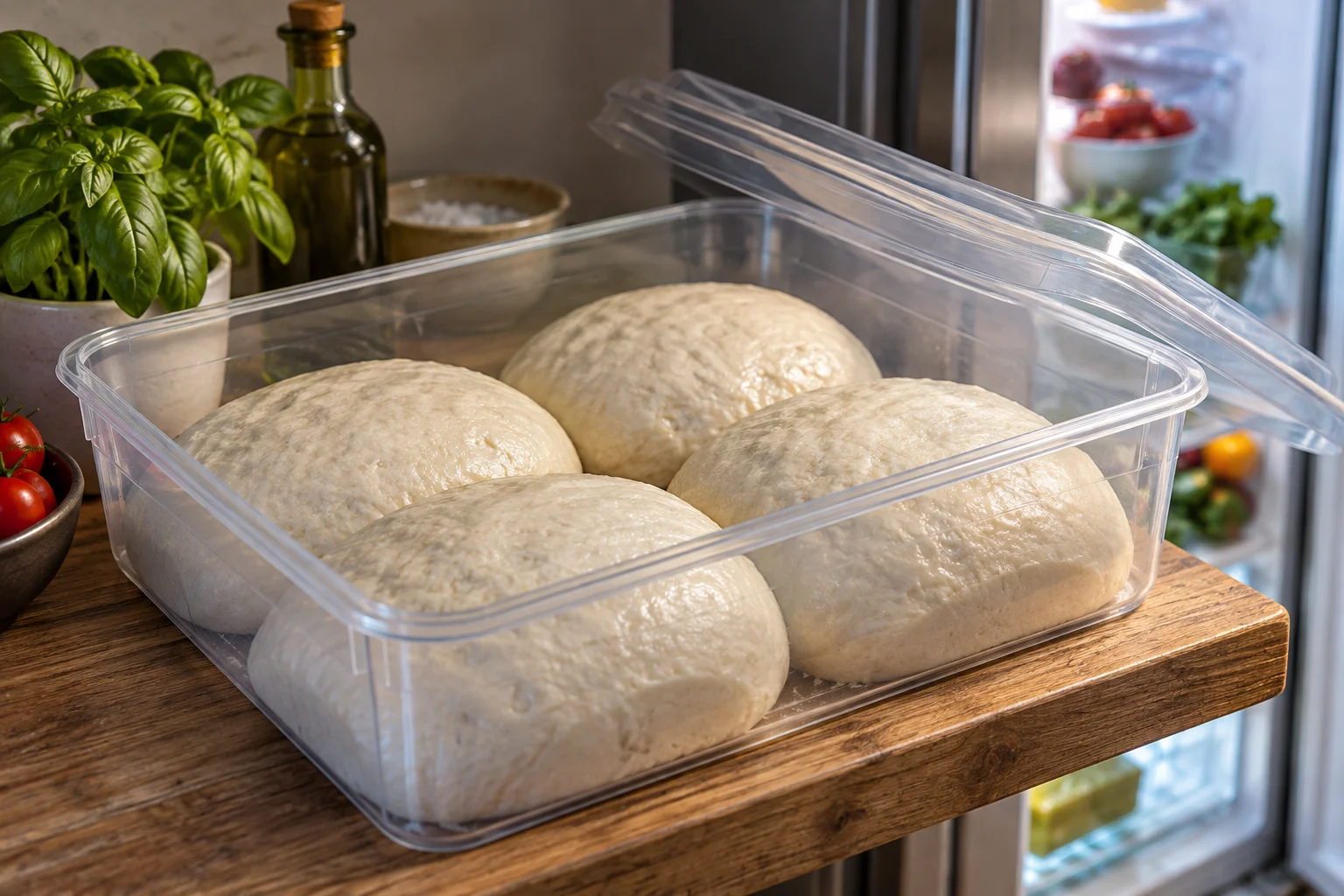
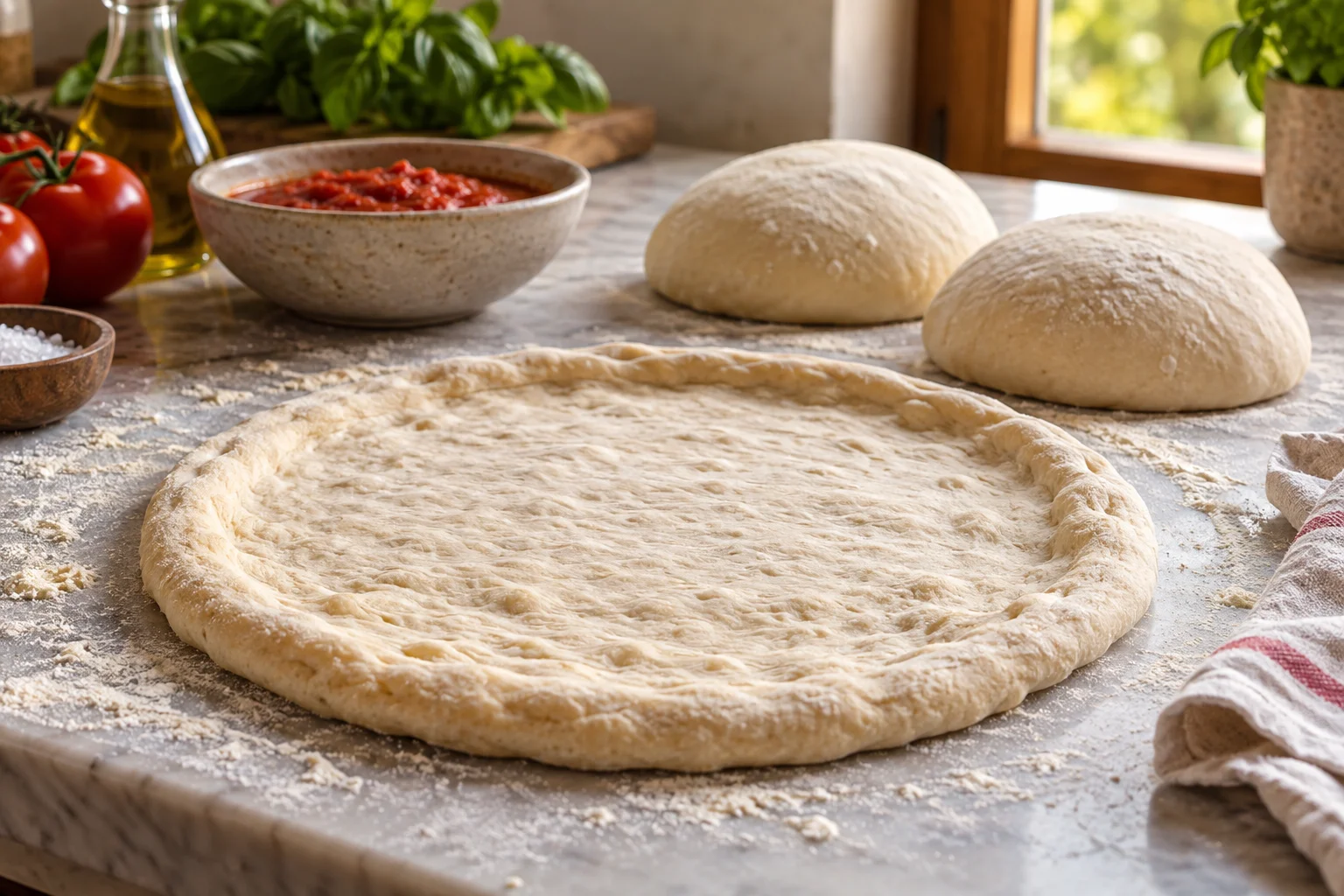
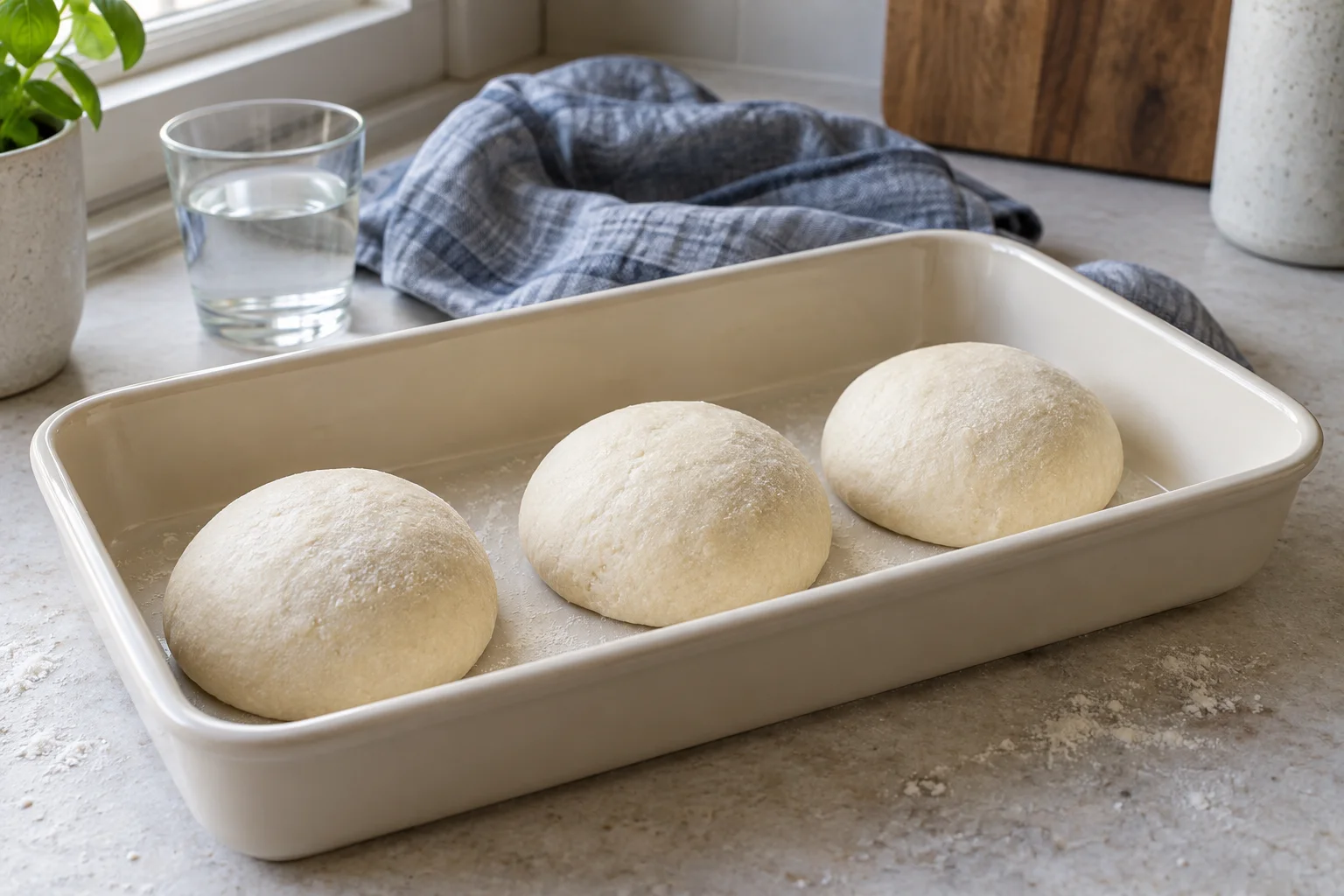
A manageable batch of four dough balls: balance flour and water, ferment overnight, preserve the rim and adapt baking to your oven.
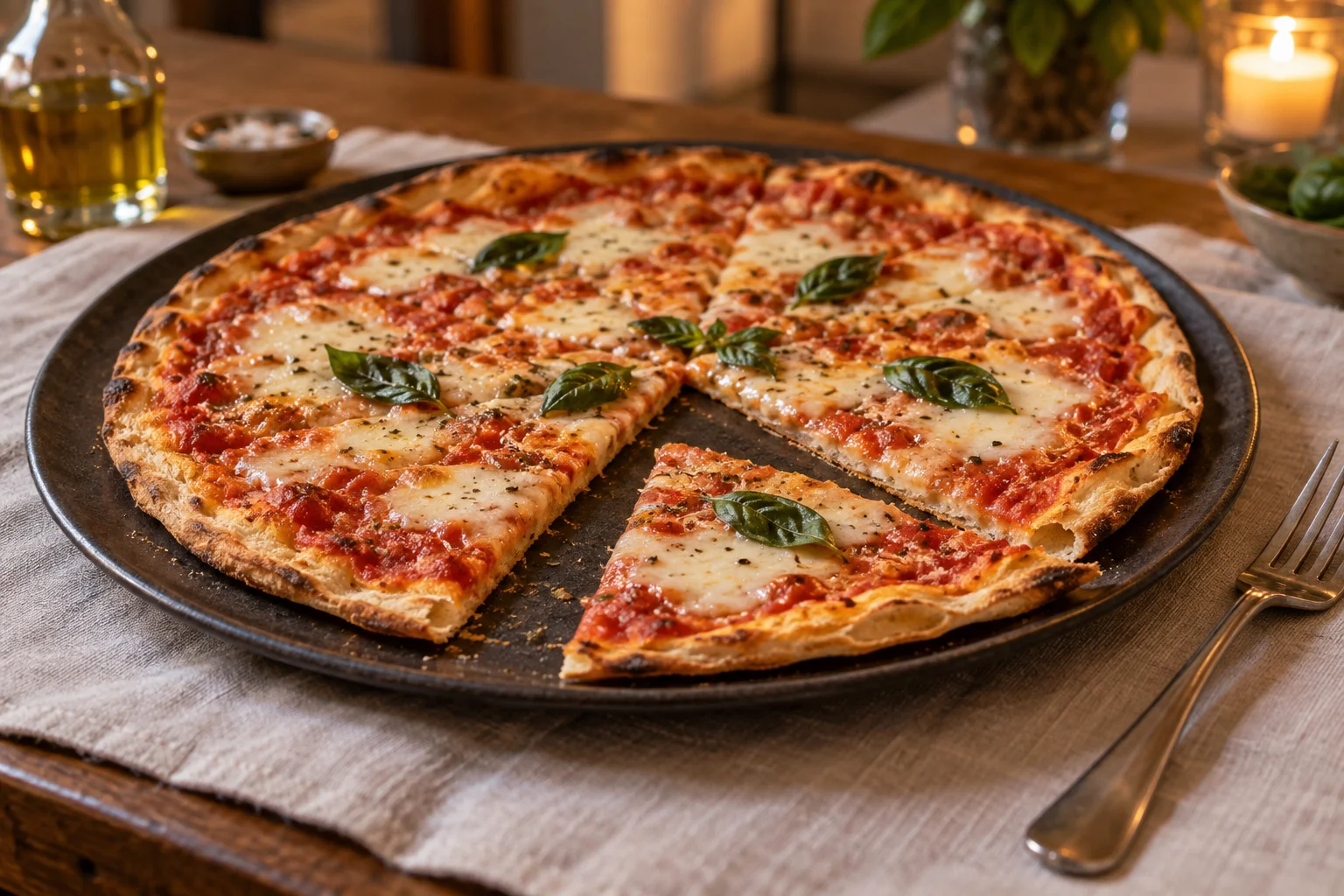
Make round pizza tonda in your home oven with four small dough balls and an overnight rise. Includes quantities, a workable schedule and fixes for a soft centre or dry edges.
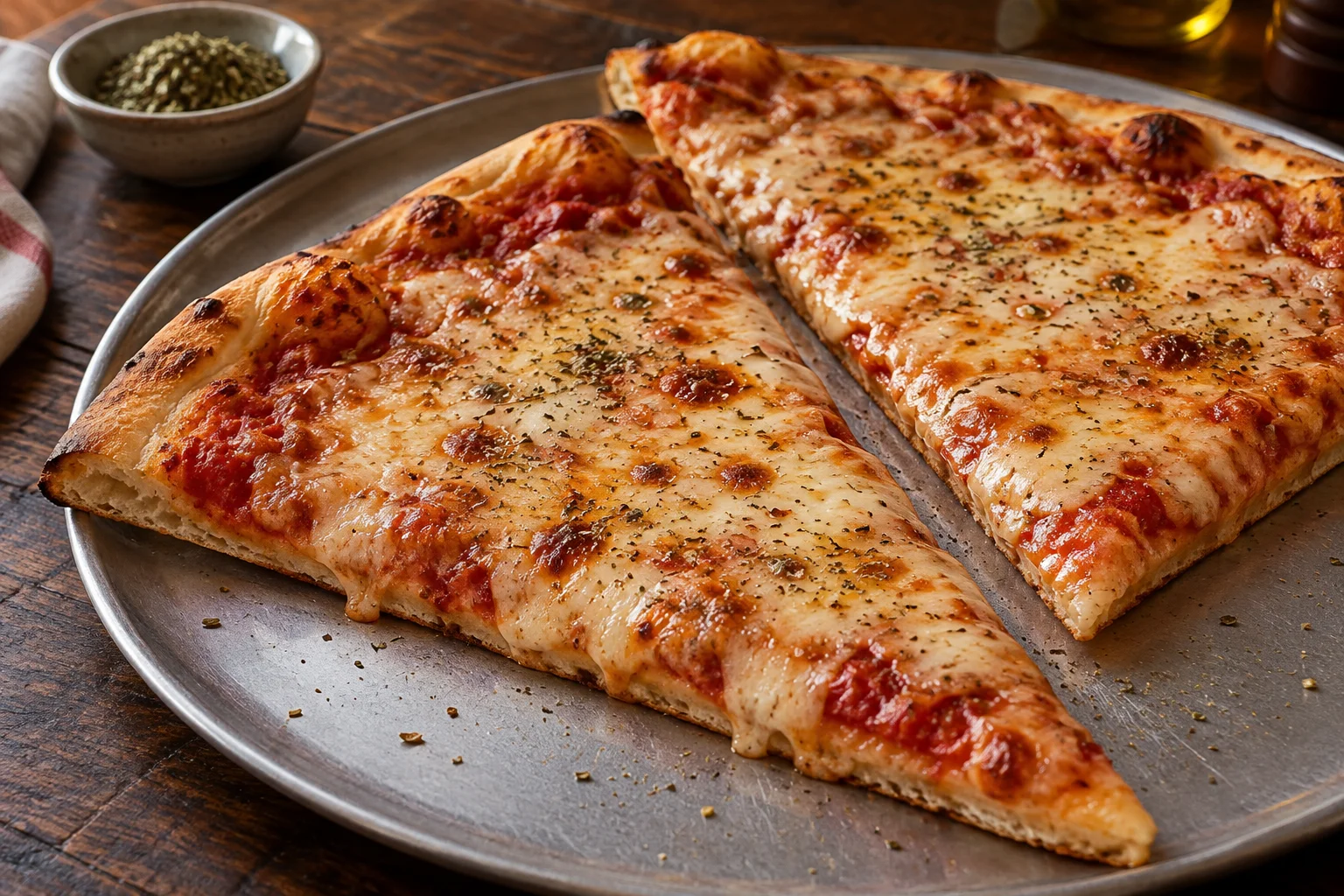
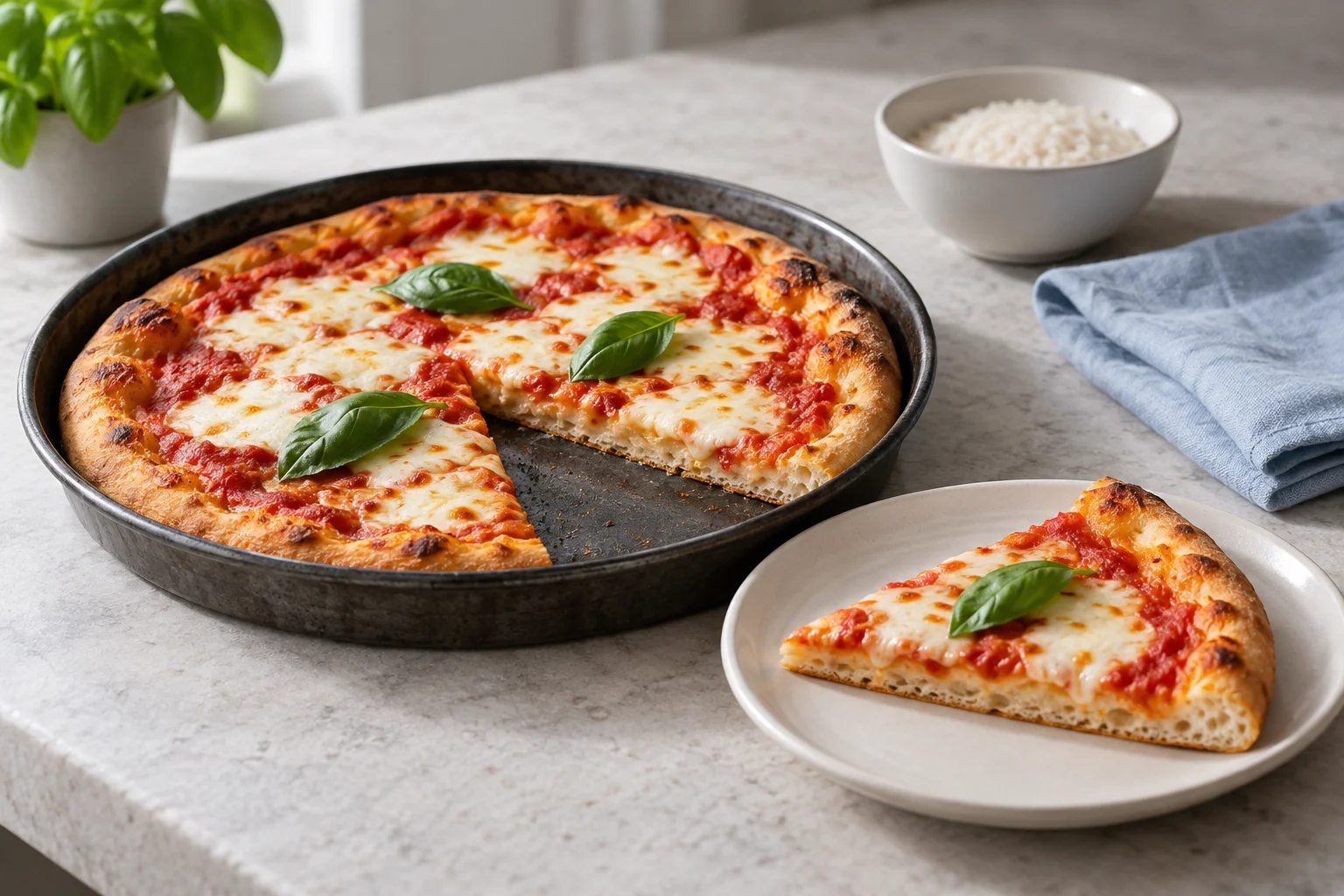
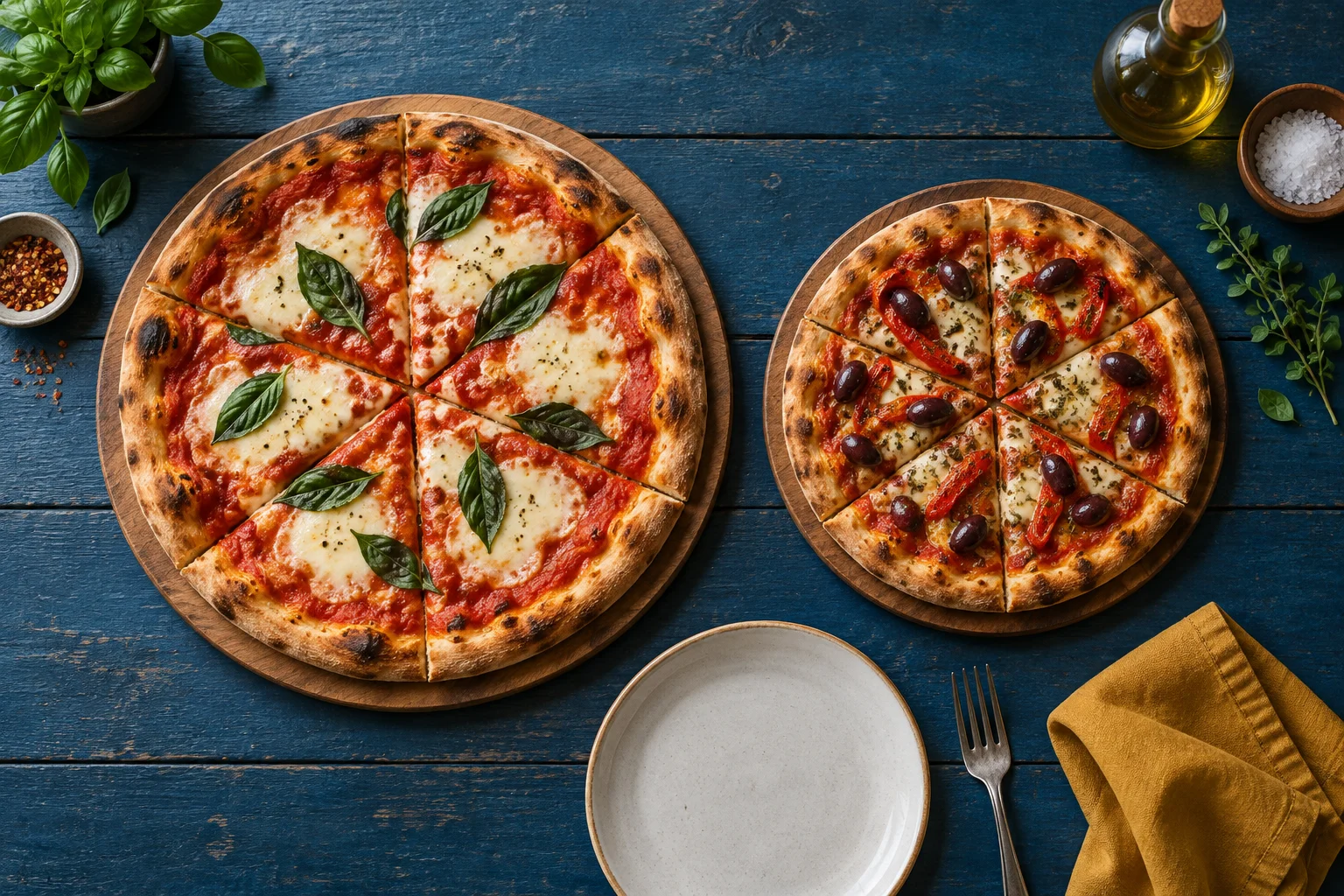
Make two large pizzas with a flexible base, tomato sauce and melted mozzarella. Match the dough weight, cheese quantity and baking heat to your own kitchen.
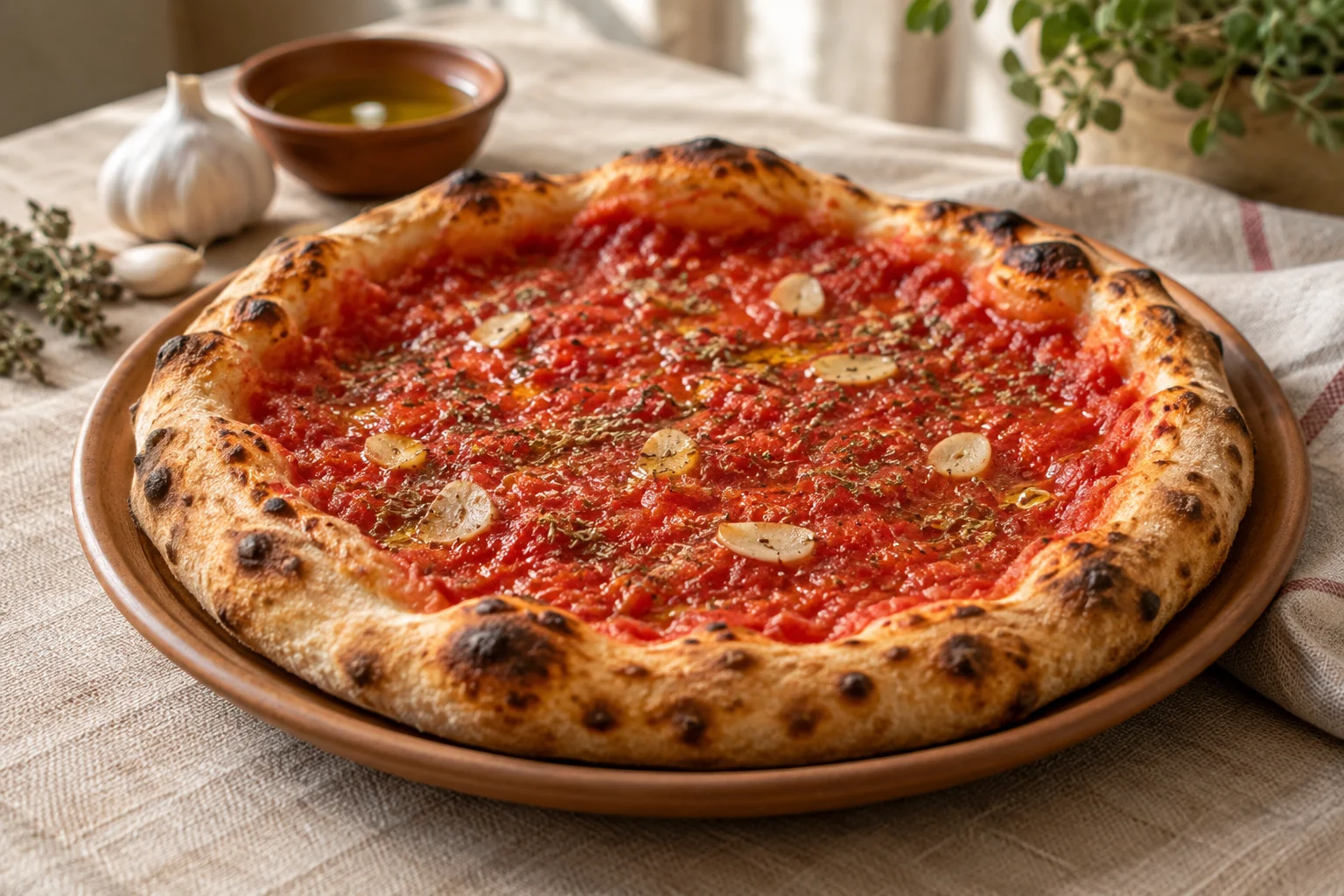
Tomato, thin garlic slices, oregano and olive oil make a simple pizza topping. These quantities use one already proofed dough ball and a domestic oven.
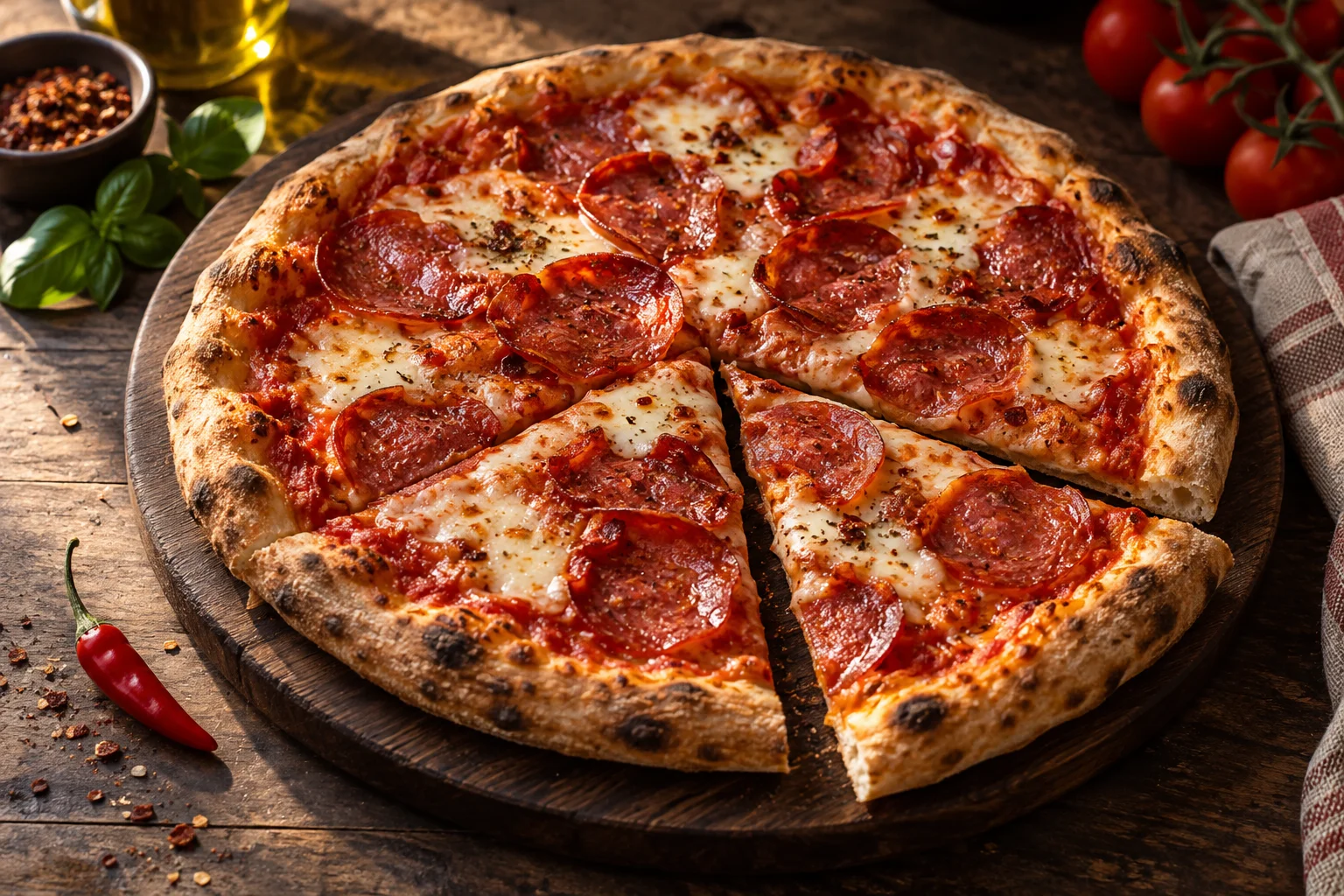
Tomato, mozzarella and spicy salami make a savoury pizza with adjustable heat. A moderate amount of topping keeps the base manageable and the flavour balanced.
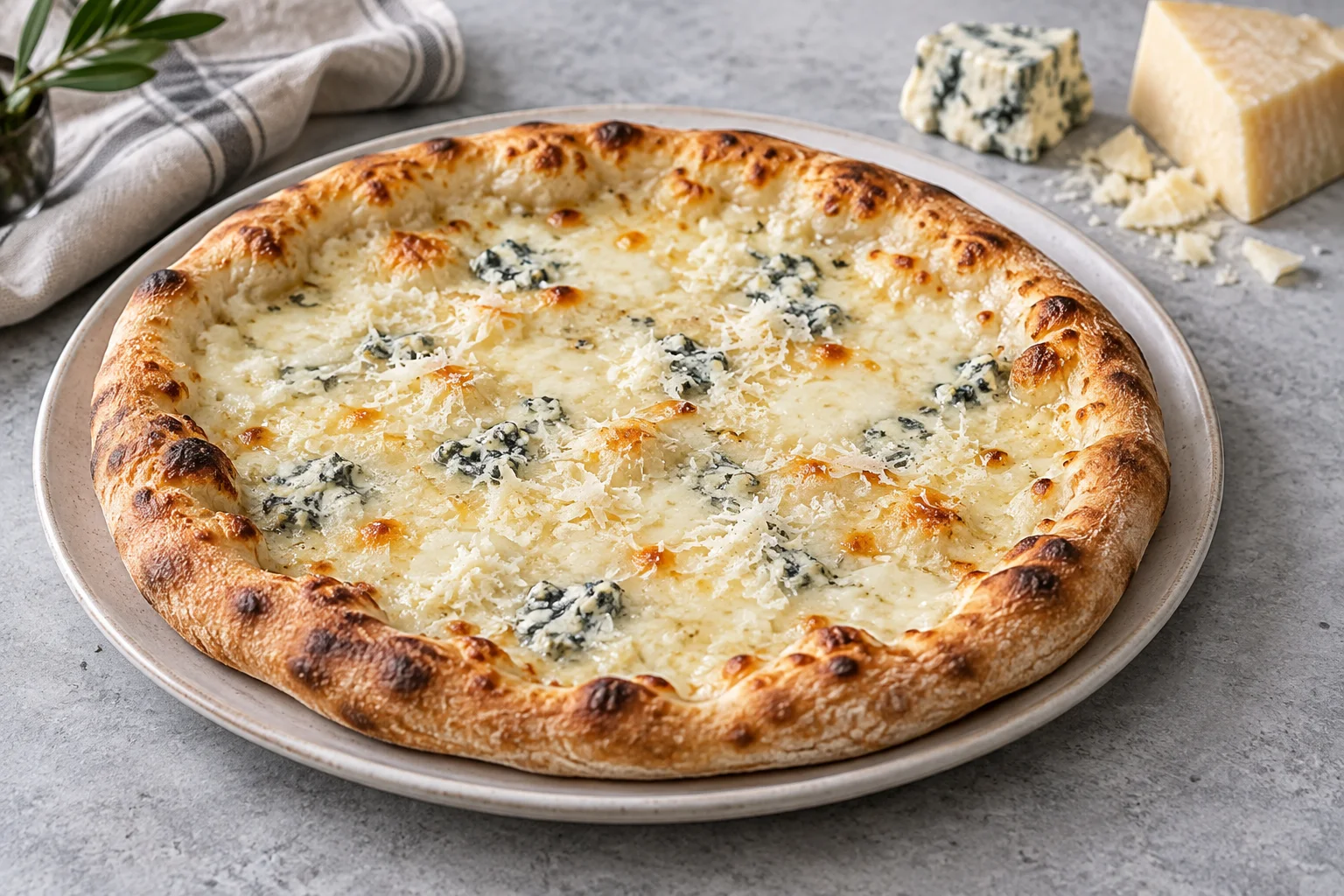
A white pizza with mozzarella, Fontina, Gorgonzola and Parmesan. Four different cheeses provide variety without needing a heavy layer on the base.
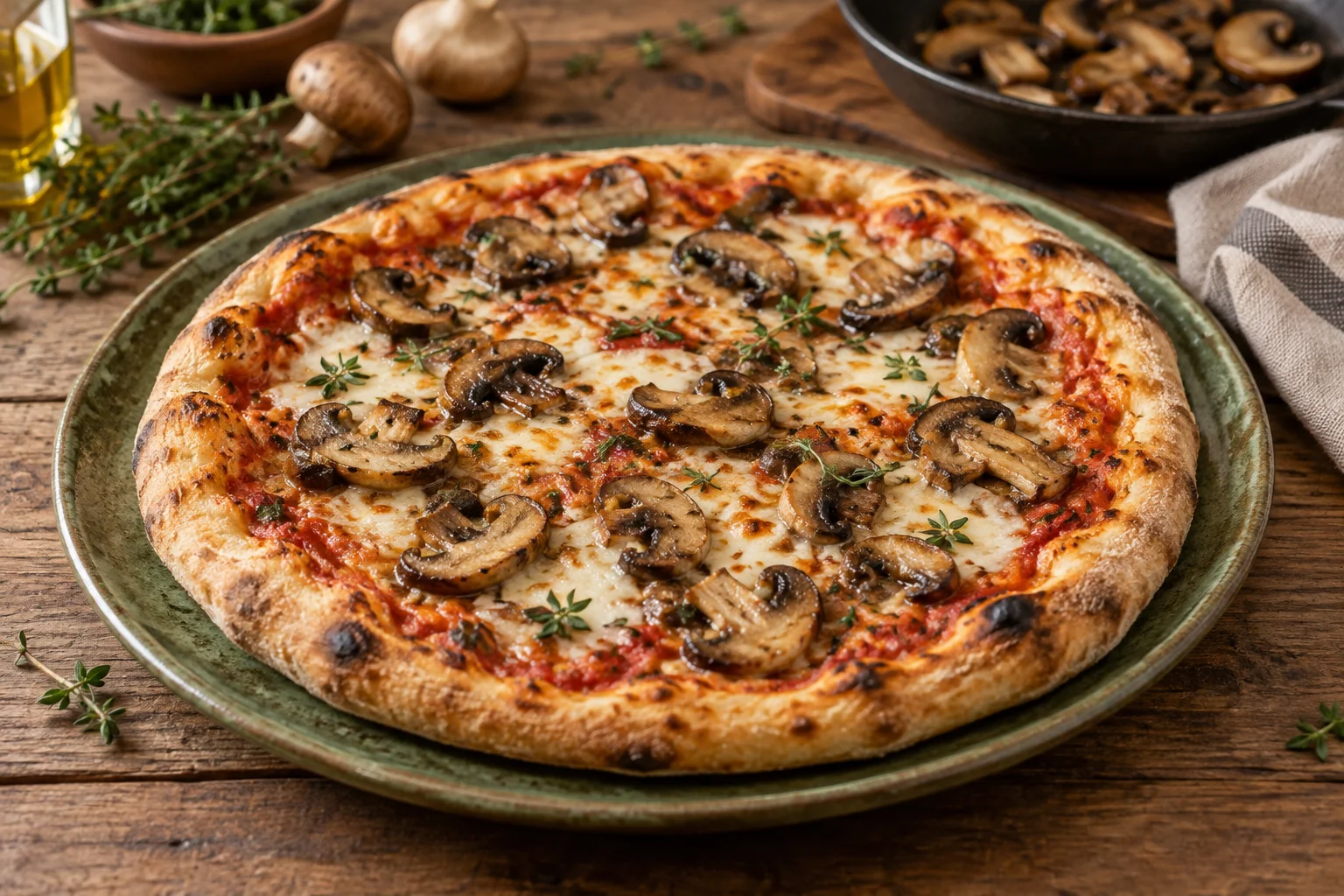
Brown mushrooms are cooked in a pan before joining tomato and mozzarella on the dough. This keeps their flavour clear and reduces free liquid on the pizza.
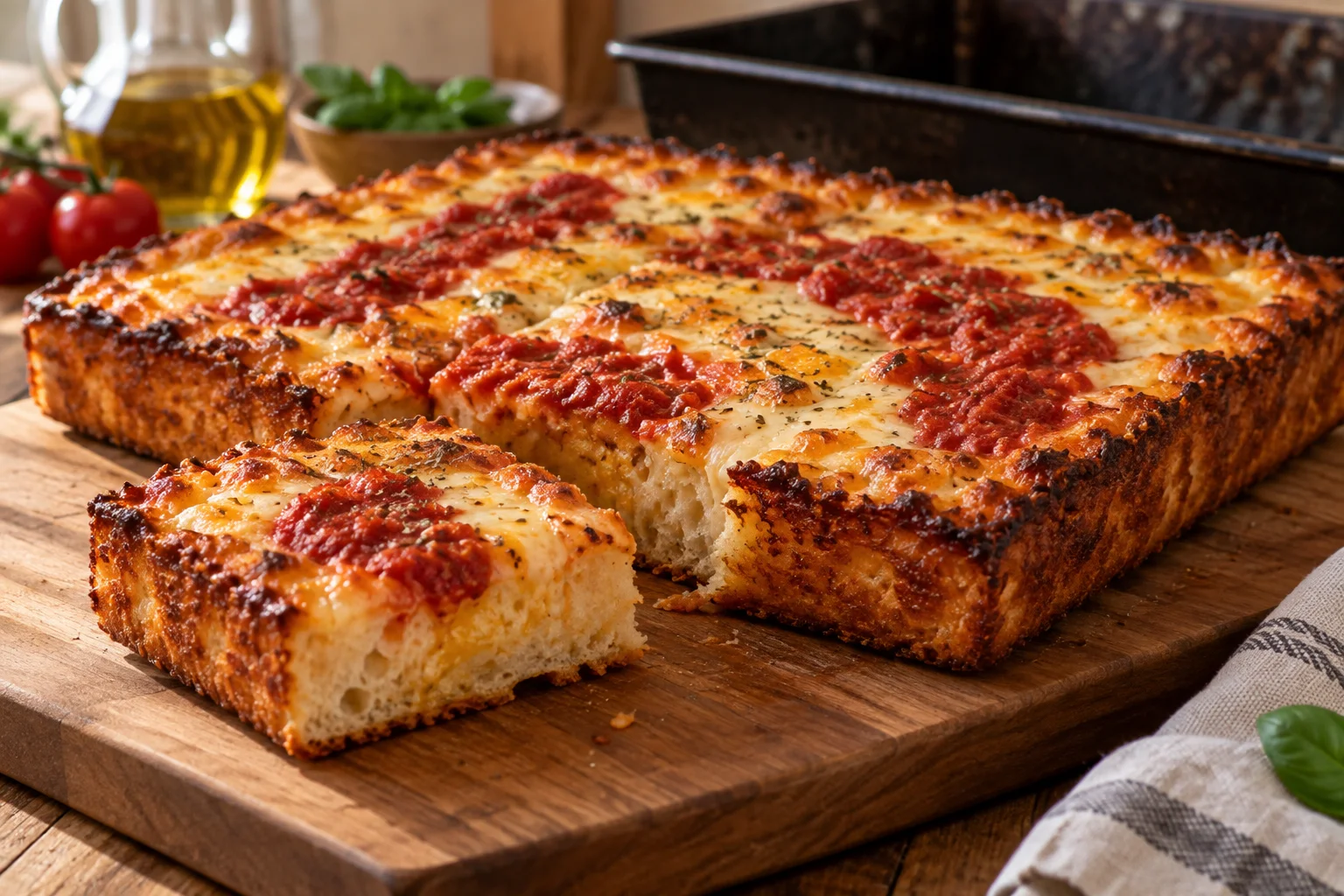
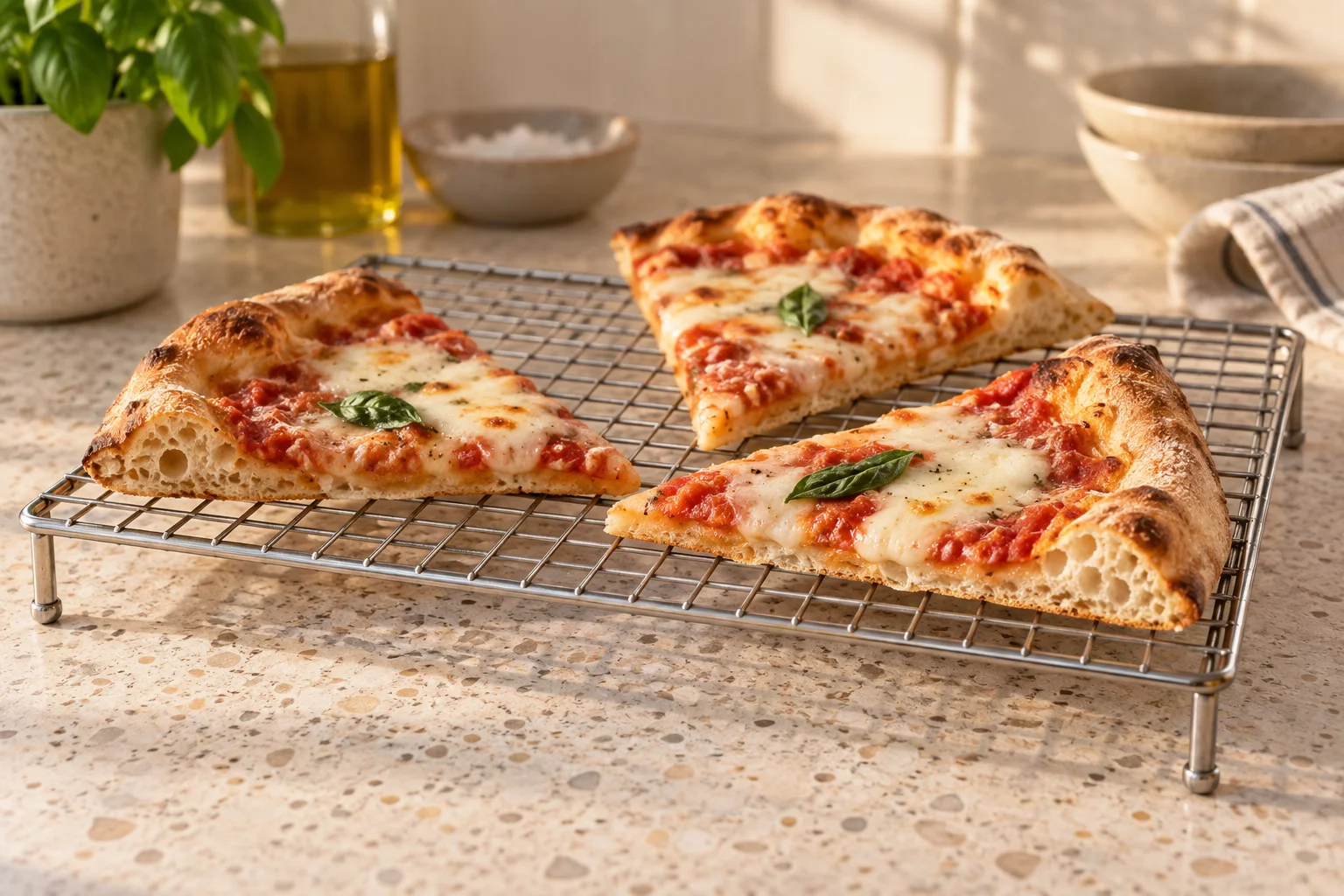
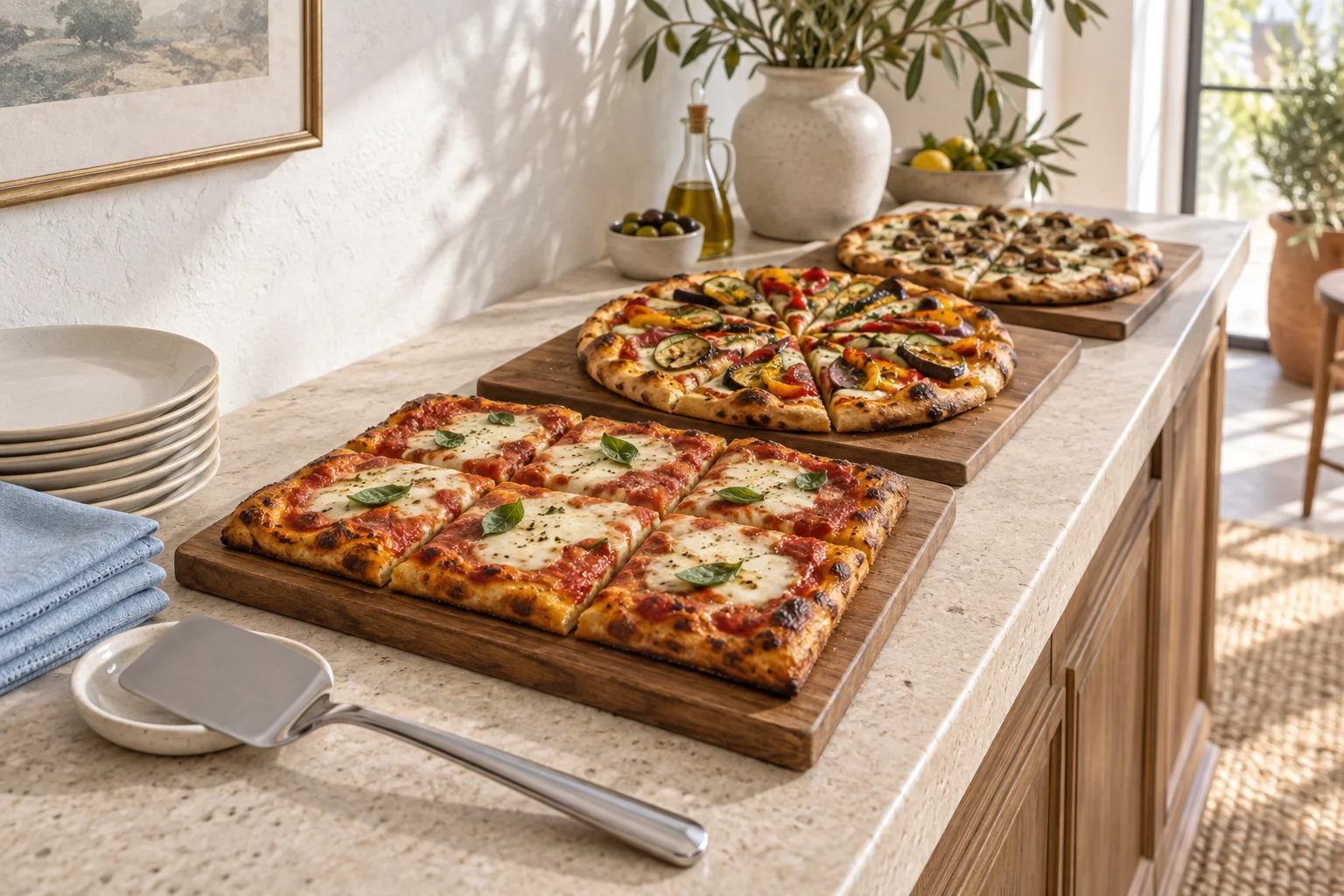
An airy pan-baked base, cheese right to the sides and tomato sauce on top. Includes quantities for a 25 by 35 cm pan and a calculation for other sizes.
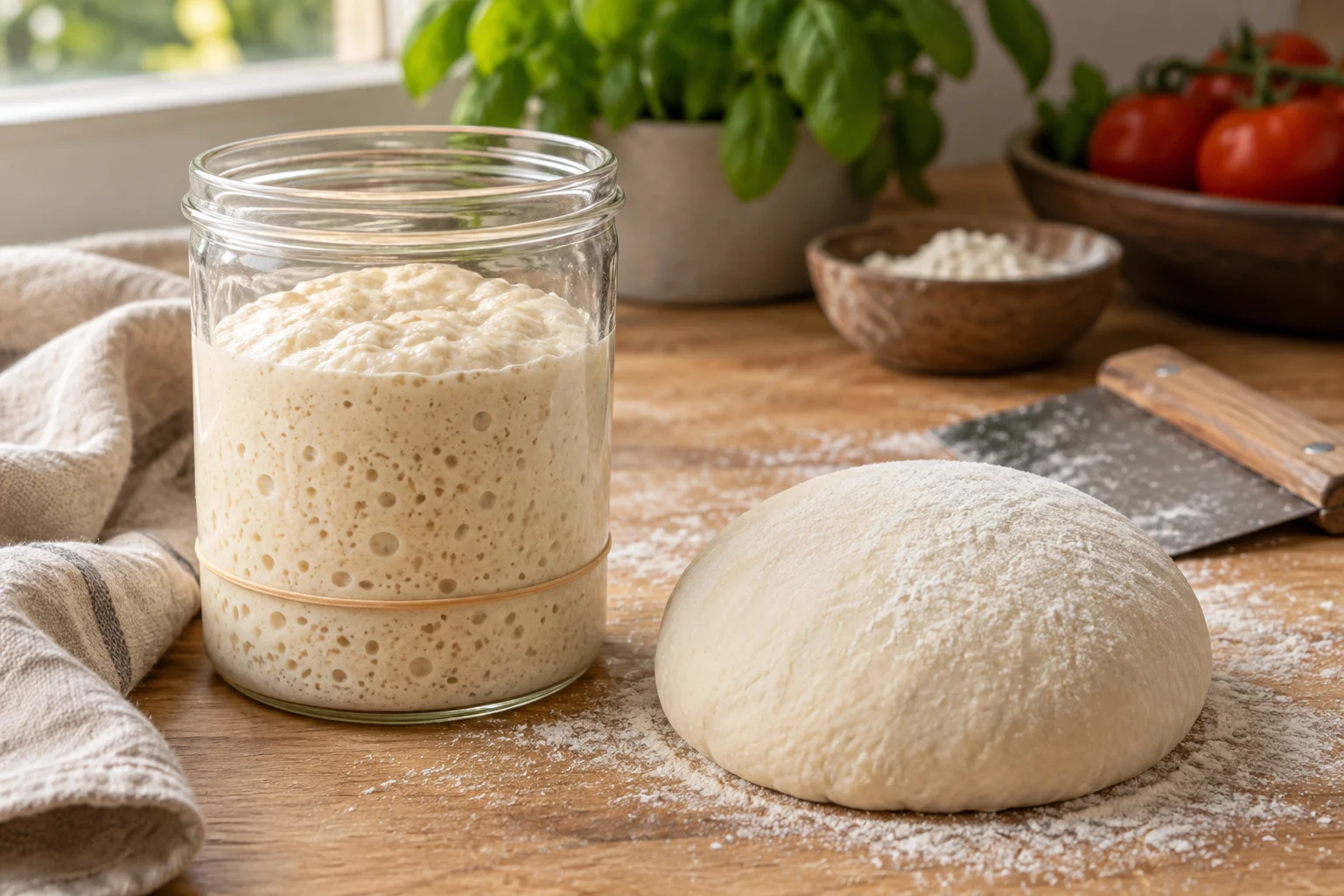
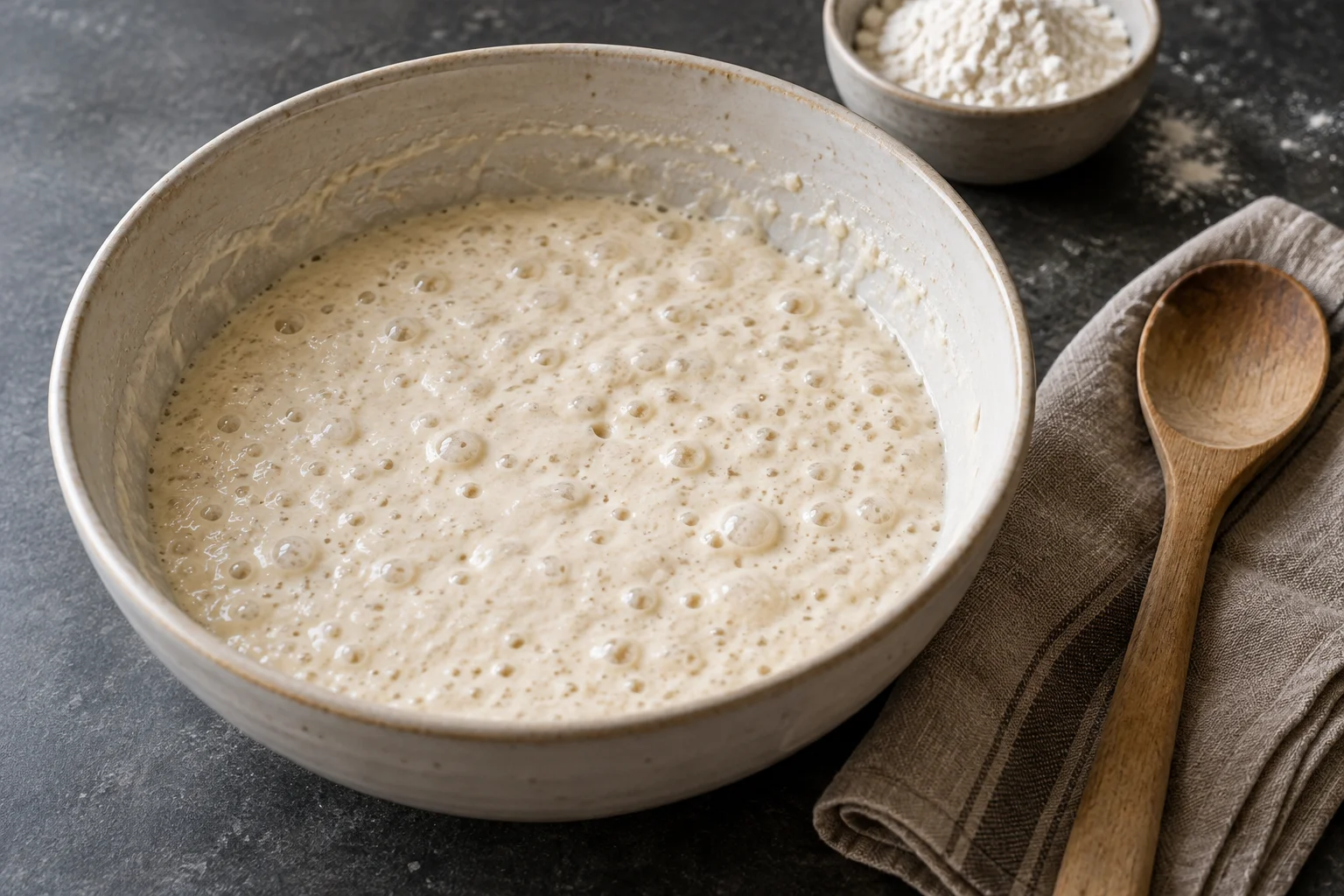
Plan three pizzas with an active wheat sourdough starter. Account for its flour and water, then judge the dough before and after its overnight rise in the fridge.
Prepare three pizzas using a liquid preferment. Follow the complete ingredient calculation, recognise maturity and plan the process from the evening before baking.
Make three pizzas with 50 percent prefermented flour. Learn how to mix a firm biga, assess its maturity and incorporate it evenly into the final dough.
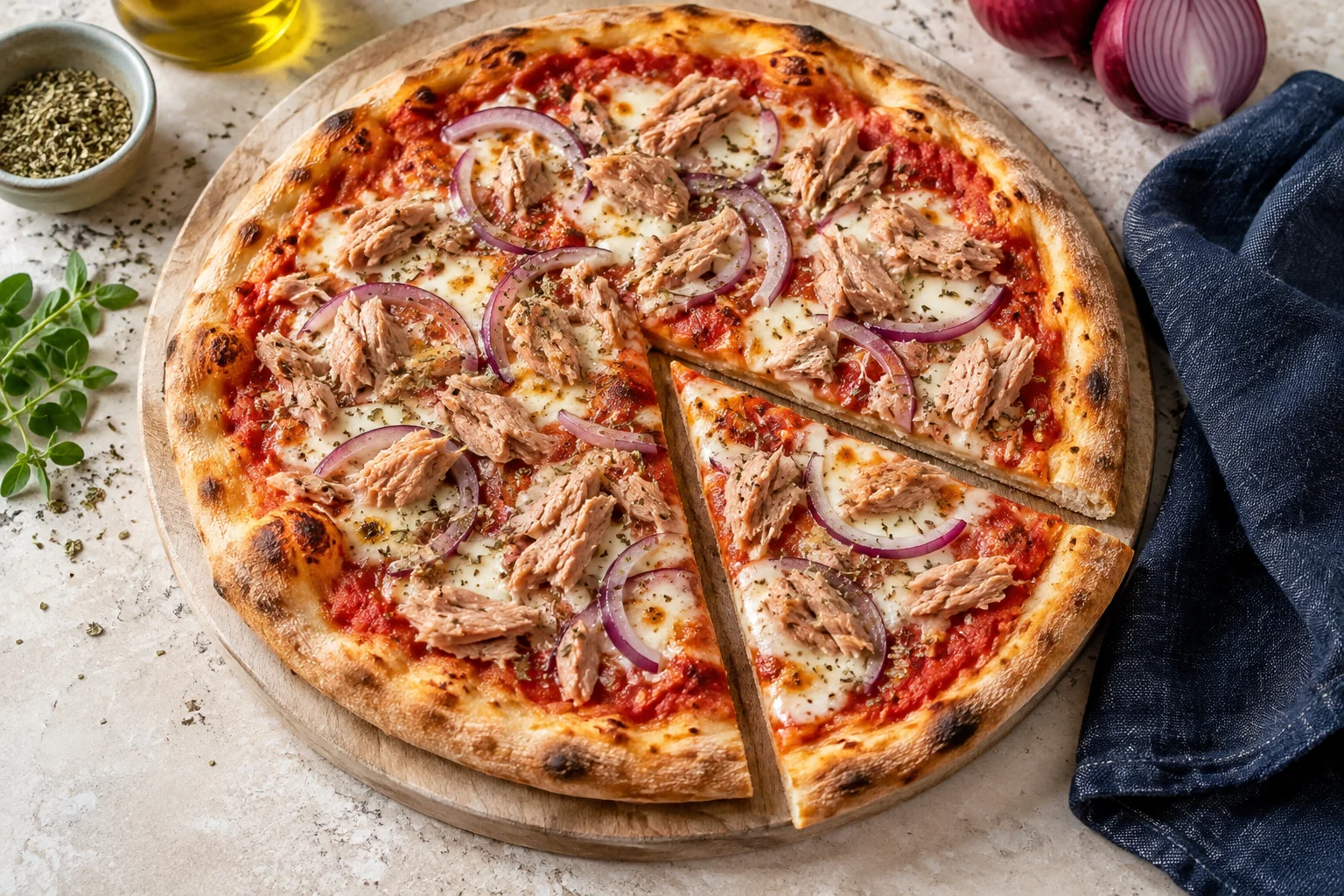
Add the tuna near the end of baking to keep it moist. Thin red onion slices bake with the tomato and mozzarella before the fish goes on.
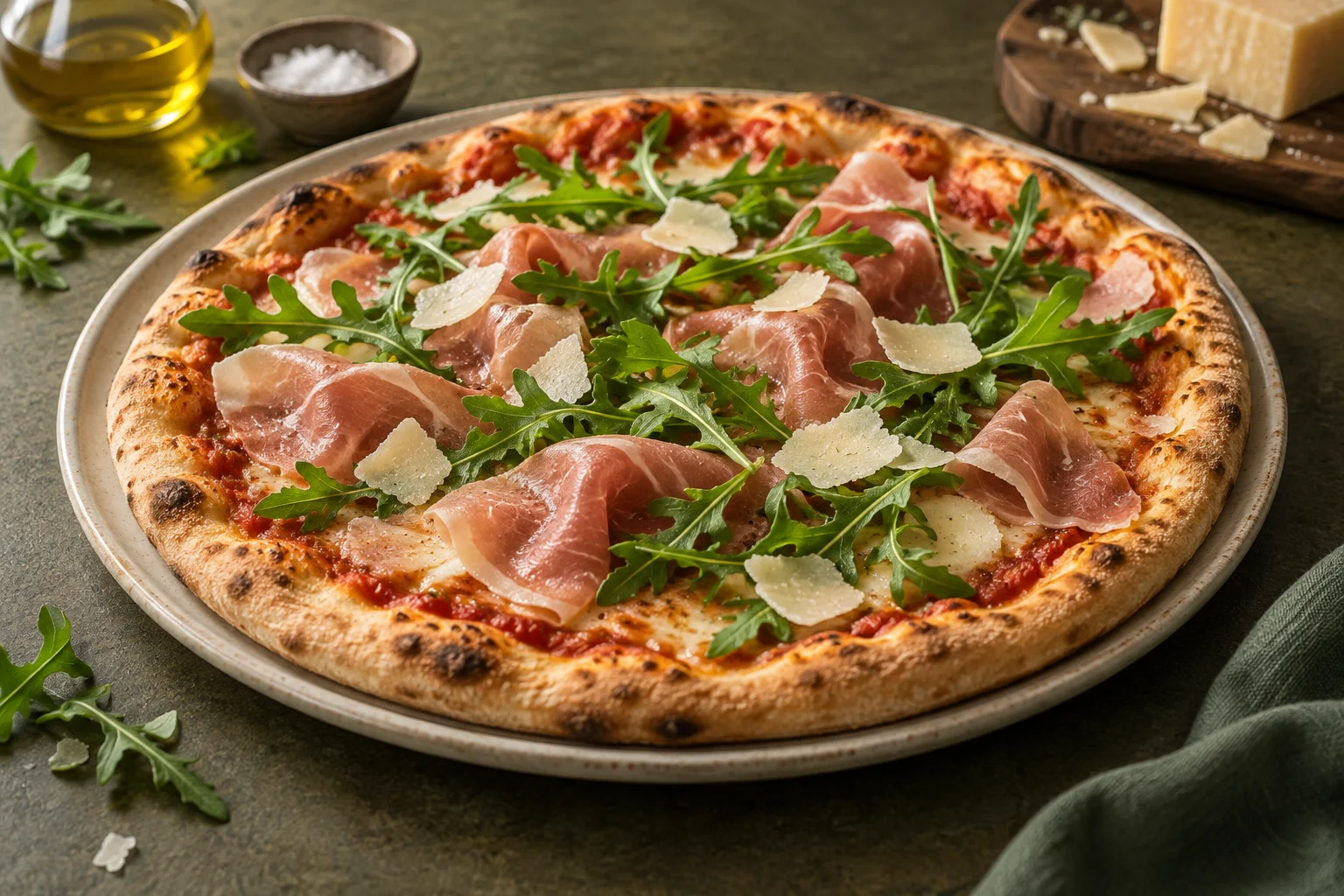
Bake the tomato and mozzarella with the base. Add ready-to-eat cured ham, rocket and thin Parmesan shavings fresh after the pizza leaves the oven.
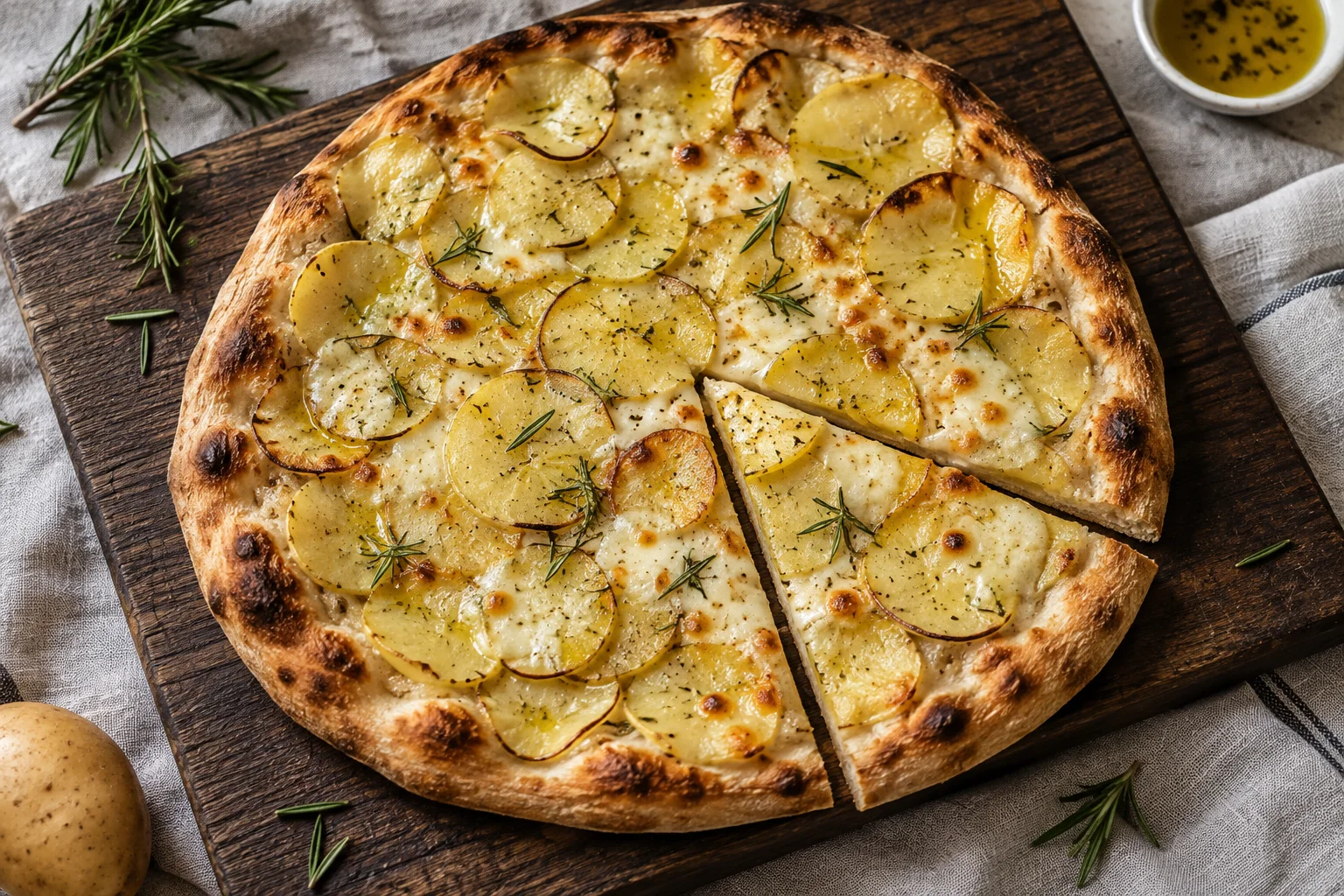
Thin, partly cooked potato slices bake with mozzarella and rosemary on a pizza base. Without tomato sauce, the potato flavour stays prominent.
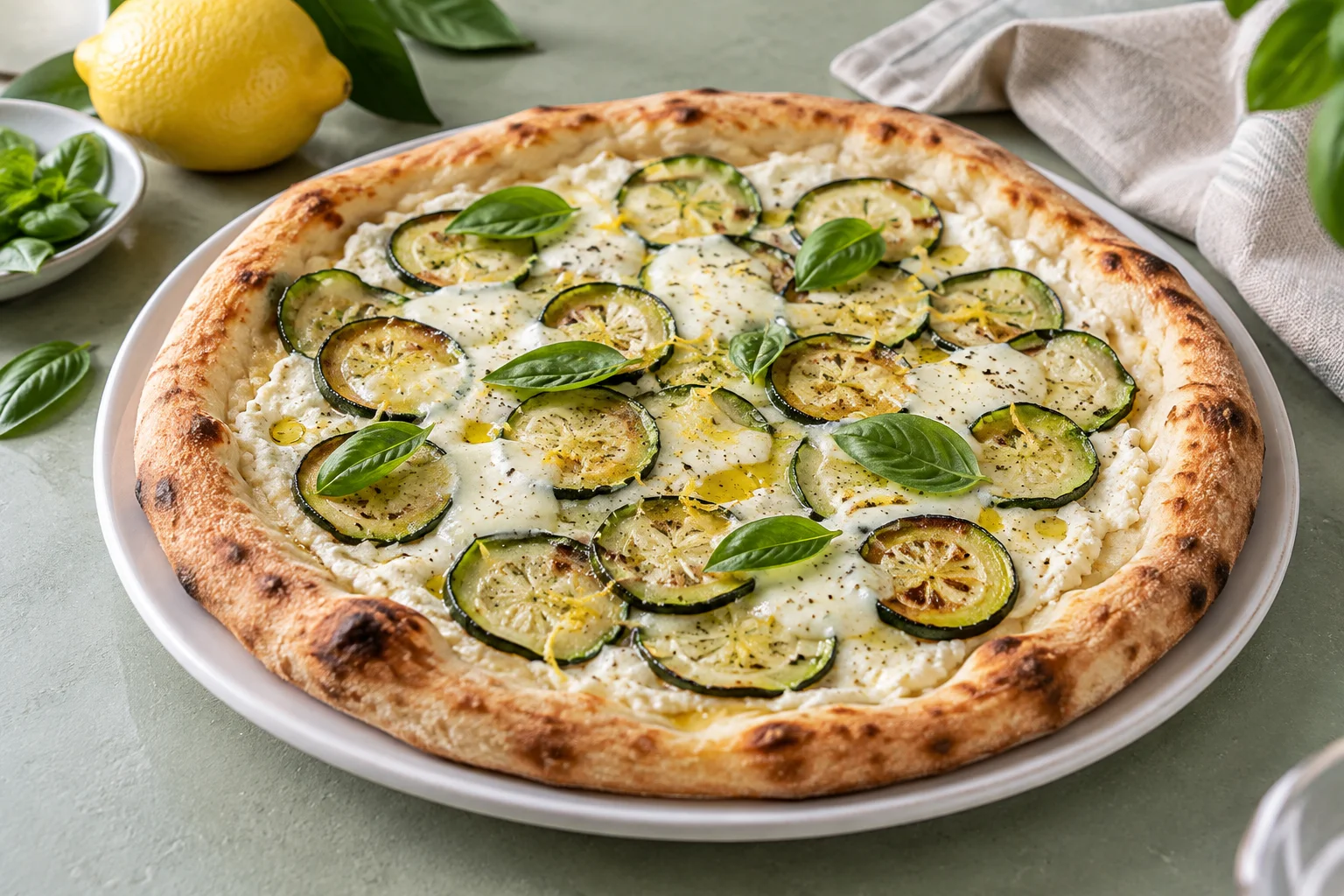
Briefly sautéed courgette, ricotta and mozzarella make a mild white topping. Add fresh lemon zest and basil after baking.
Make a tray pizza entirely from wholemeal wheat flour, with soft dough and a light topping. Includes quantities for a 30 by 40 cm pan, two rises and calculations for smaller trays.
Make three pizzas from light spelt flour with a measured water reserve, gentle kneading and clear proofing signs. Includes shaping advice and an alternative using a baking pan.
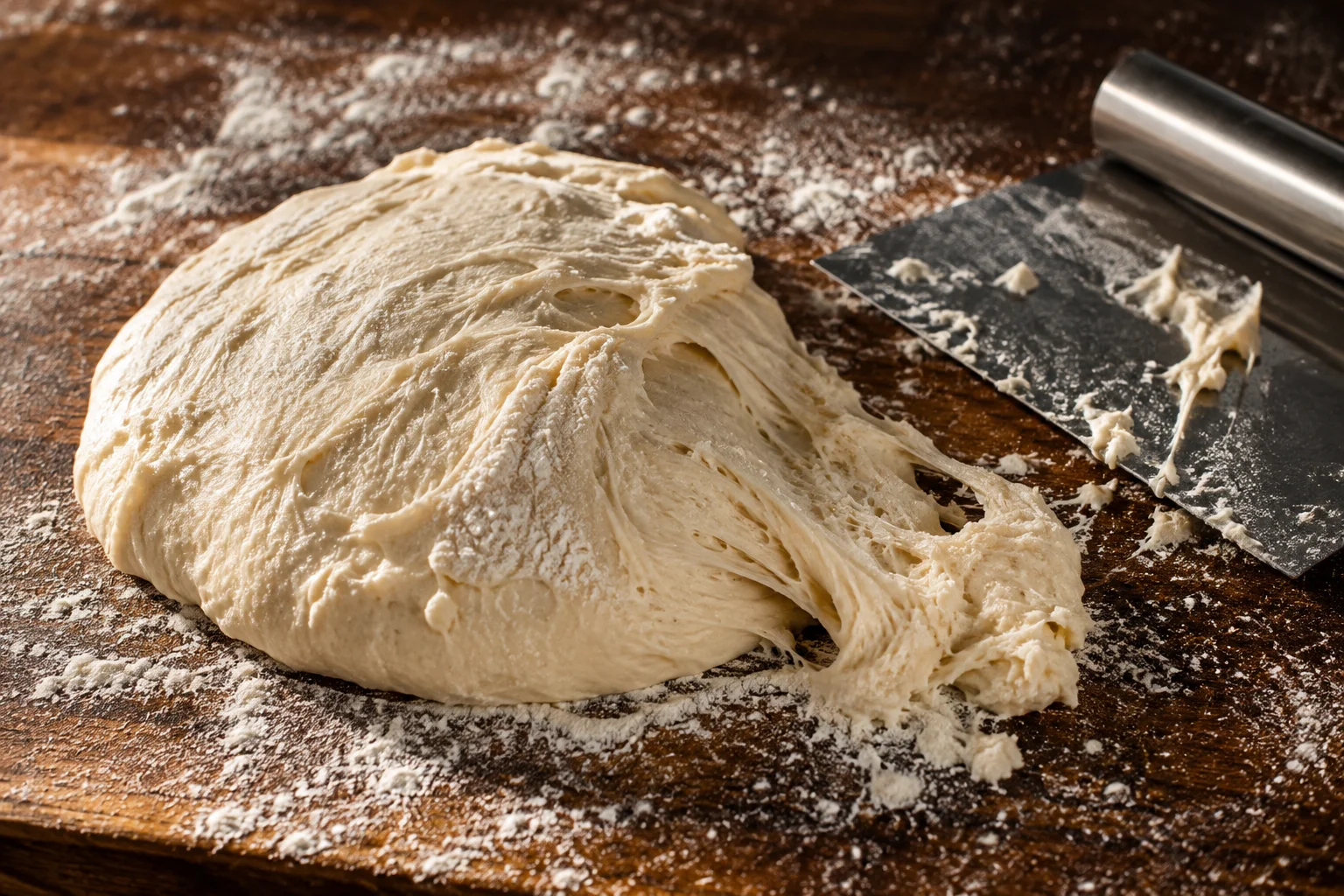
Choose a suitable flour blend, handle sticky dough and identify common baking problems. A practical guide to clean preparation and an evenly baked base.
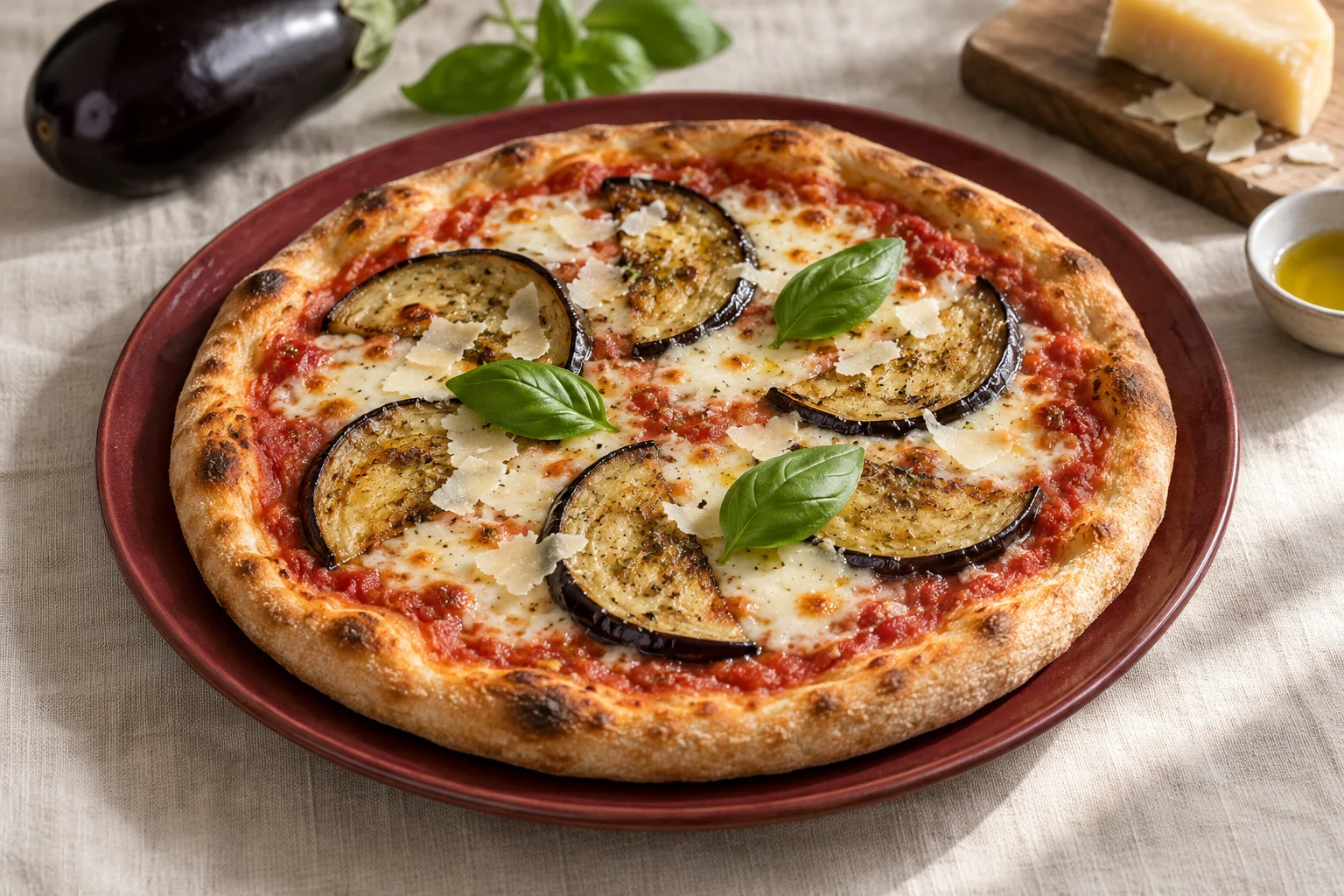
Thin aubergine slices soften in a frying pan before baking with tomato and mozzarella. Finish the hot pizza with Parmesan shavings and fresh basil.
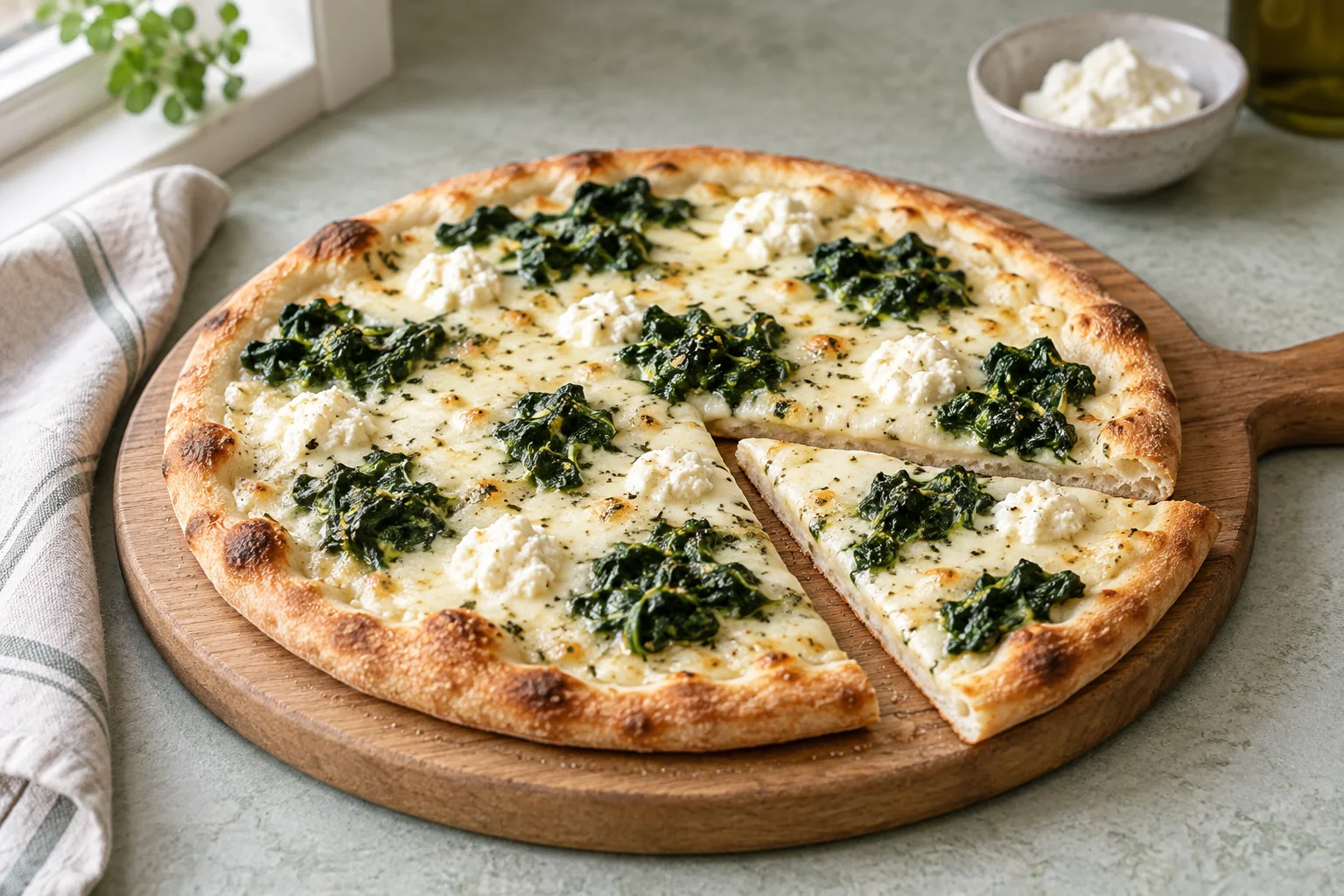
Well-drained spinach, small ricotta dollops and mozzarella make a mild white topping, seasoned with garlic and a little nutmeg.
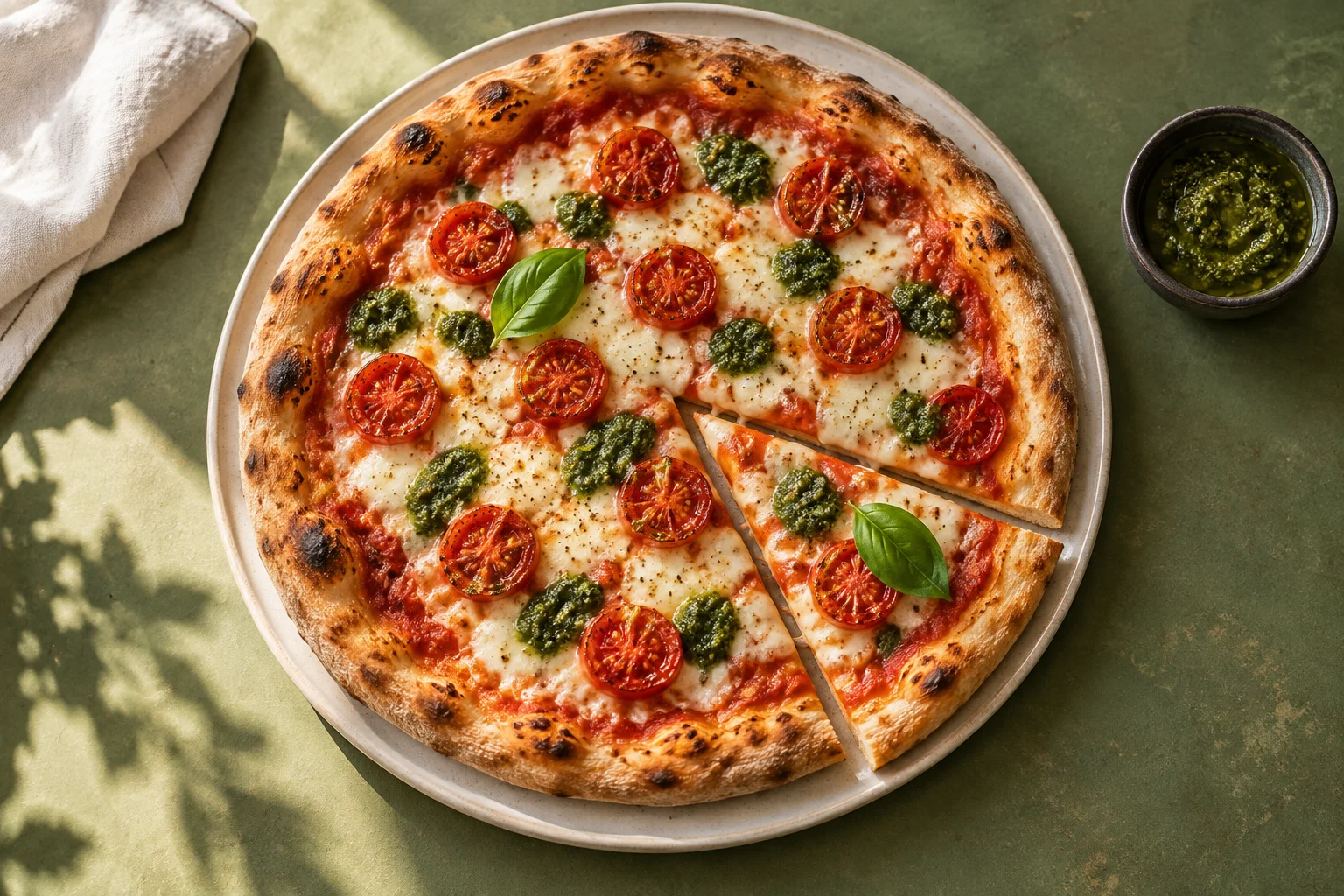
Cherry tomato halves and mozzarella bake over a thin tomato layer. Add small dots of green basil pesto once the pizza leaves the oven.
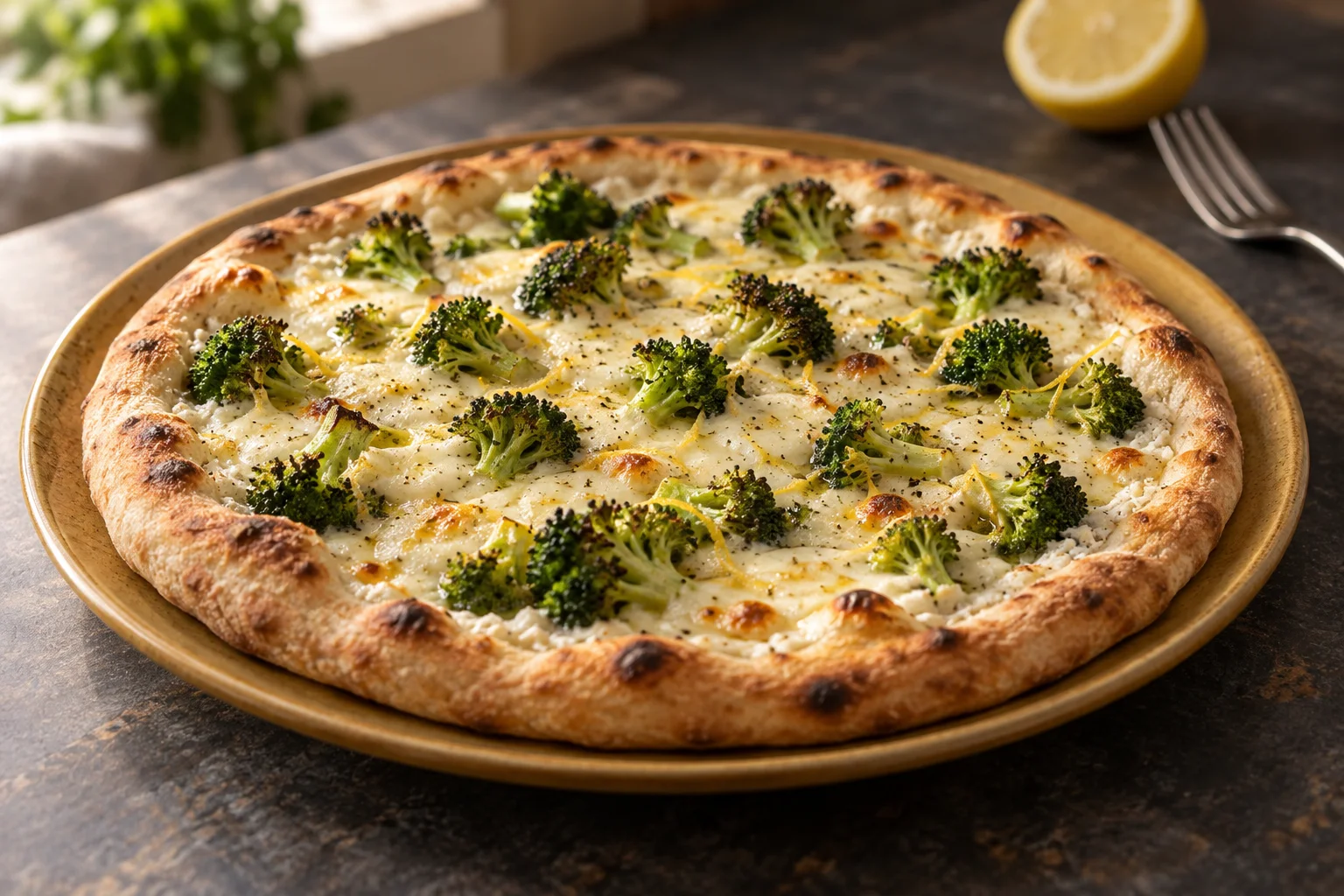
Small blanched broccoli florets bake with mozzarella over a thin ricotta layer. Finish the hot pizza with a little fresh lemon zest.
Convert fresh and dry yeast, measure small quantities and match the dose to warm or cold fermentation. With clear calculations and practical timing advice.
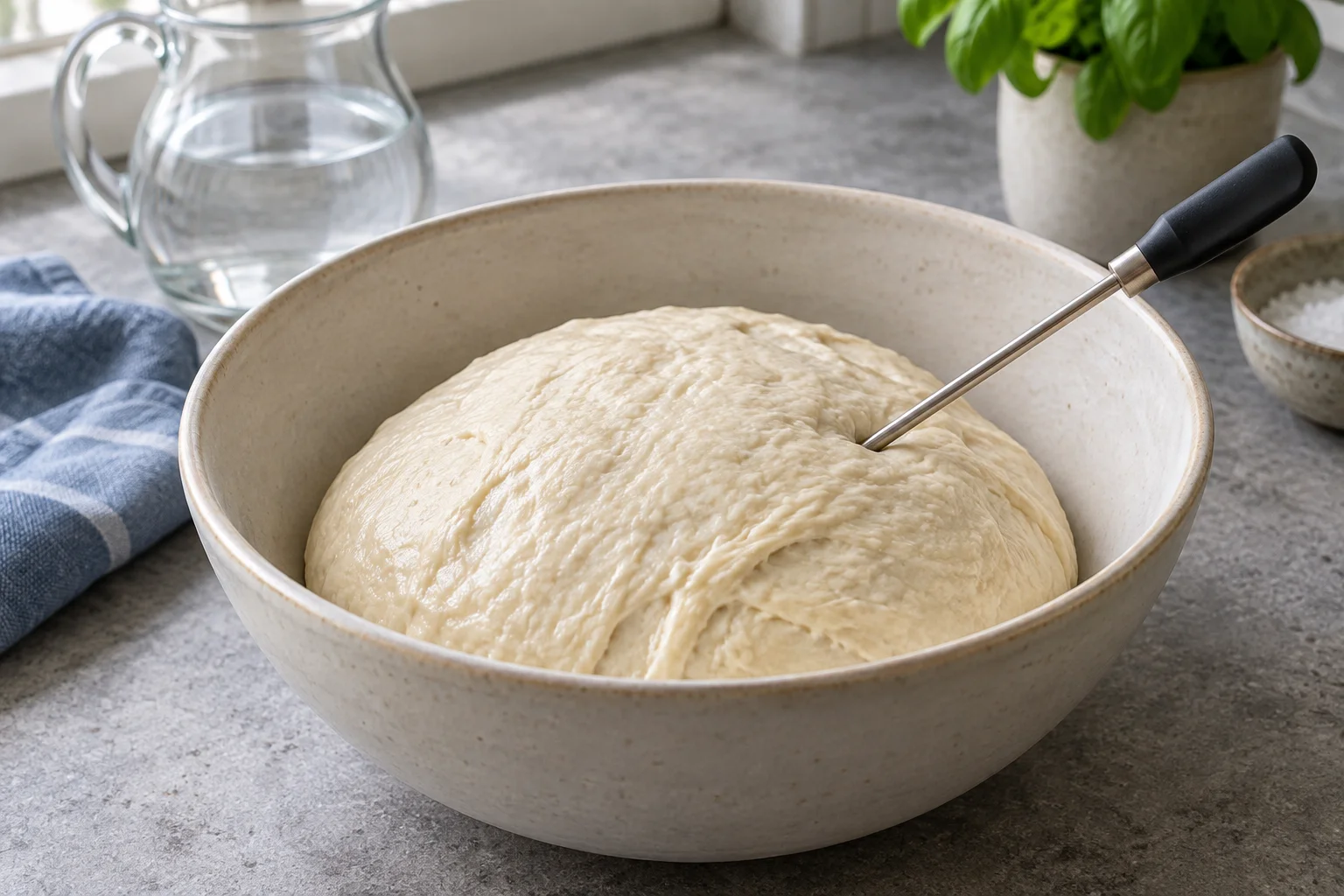
Temperature after kneading affects fermentation. Learn how to measure it, estimate the right water temperature and account for the fridge, kitchen and mixing method.
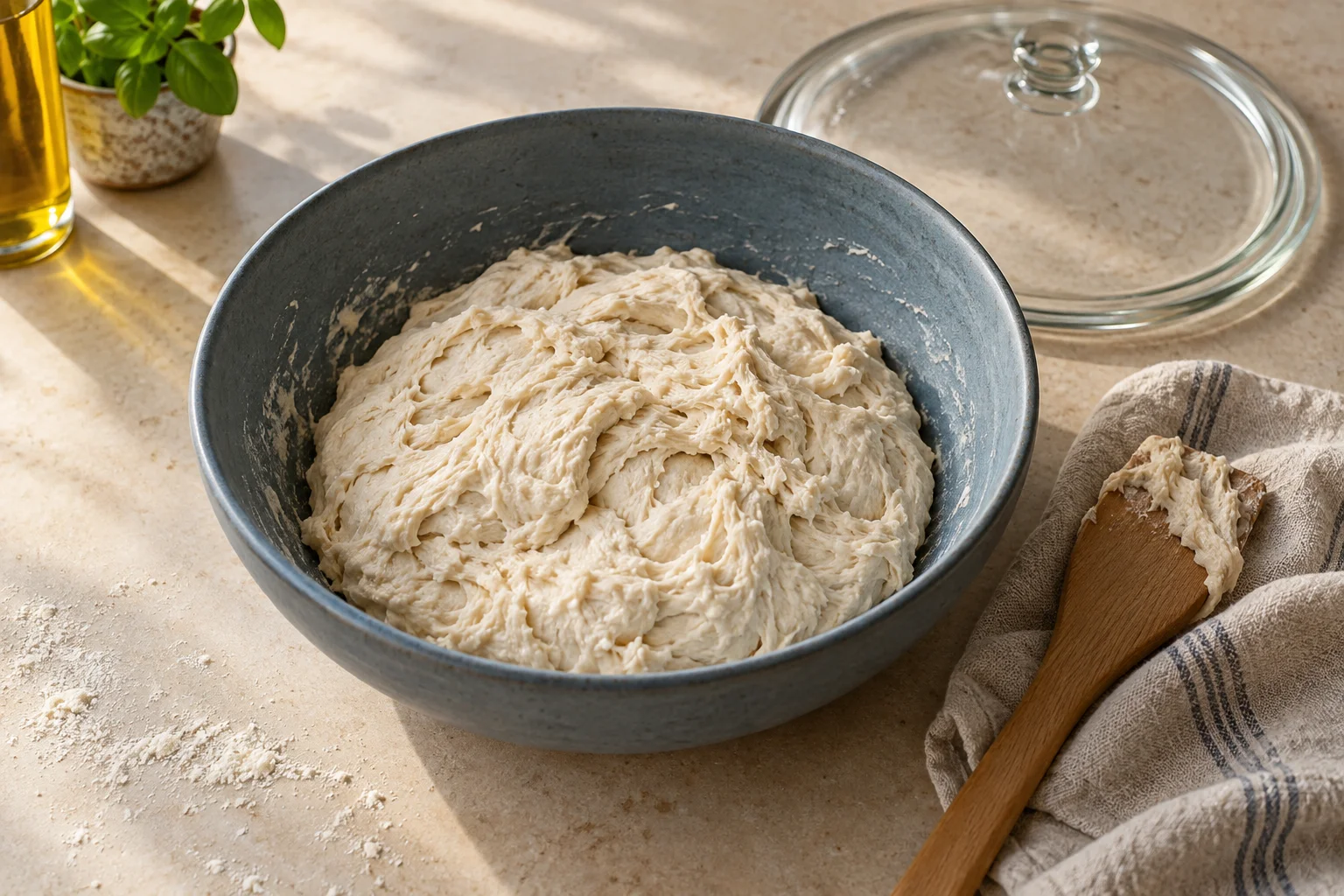
A short initial rest can make kneading and shaping easier. Learn when it helps and how to incorporate yeast, salt and the reserved water afterwards.
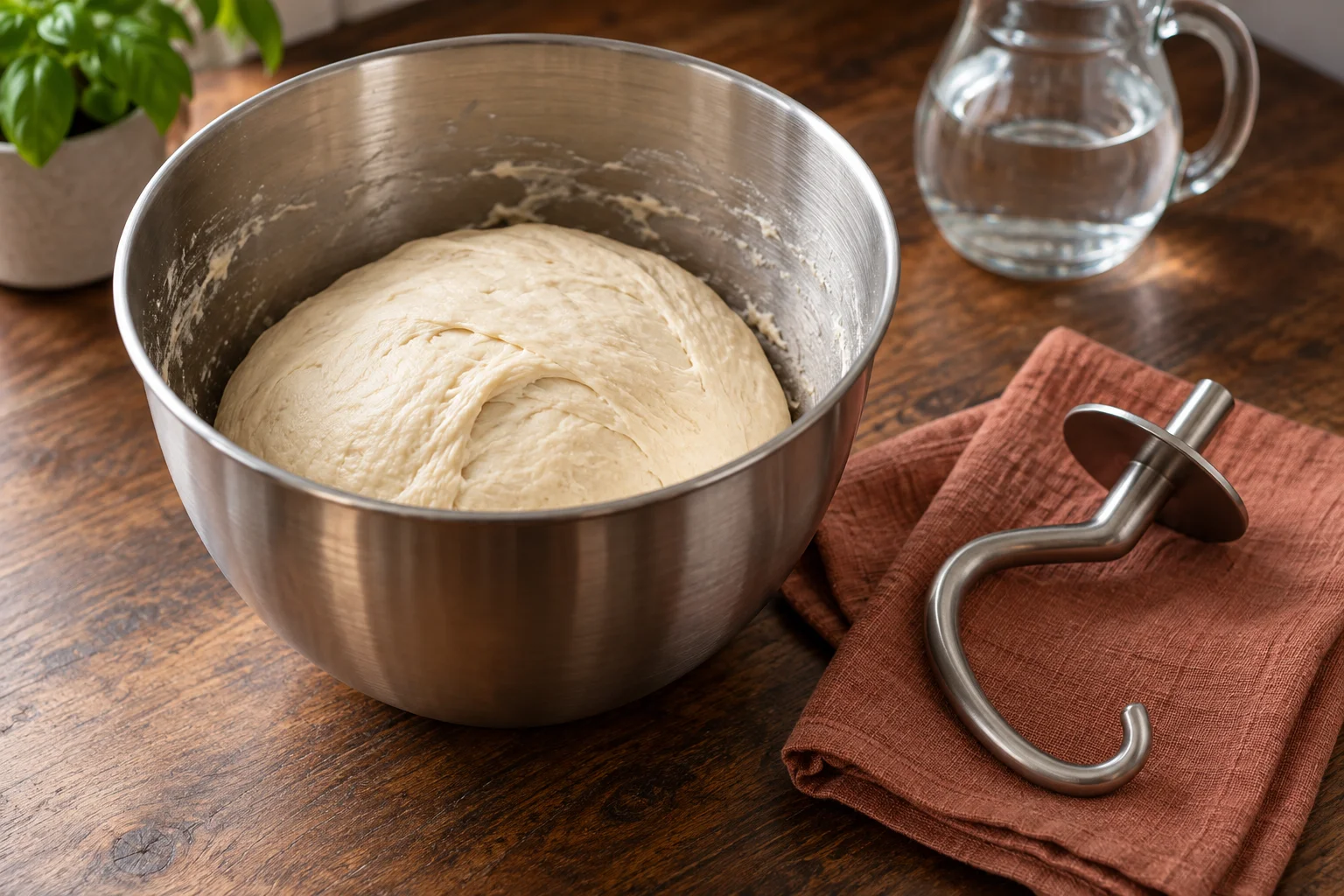
Match the batch to your machine, recognise sufficient development and keep track of temperature. Includes help with sticky dough and dough climbing the hook.
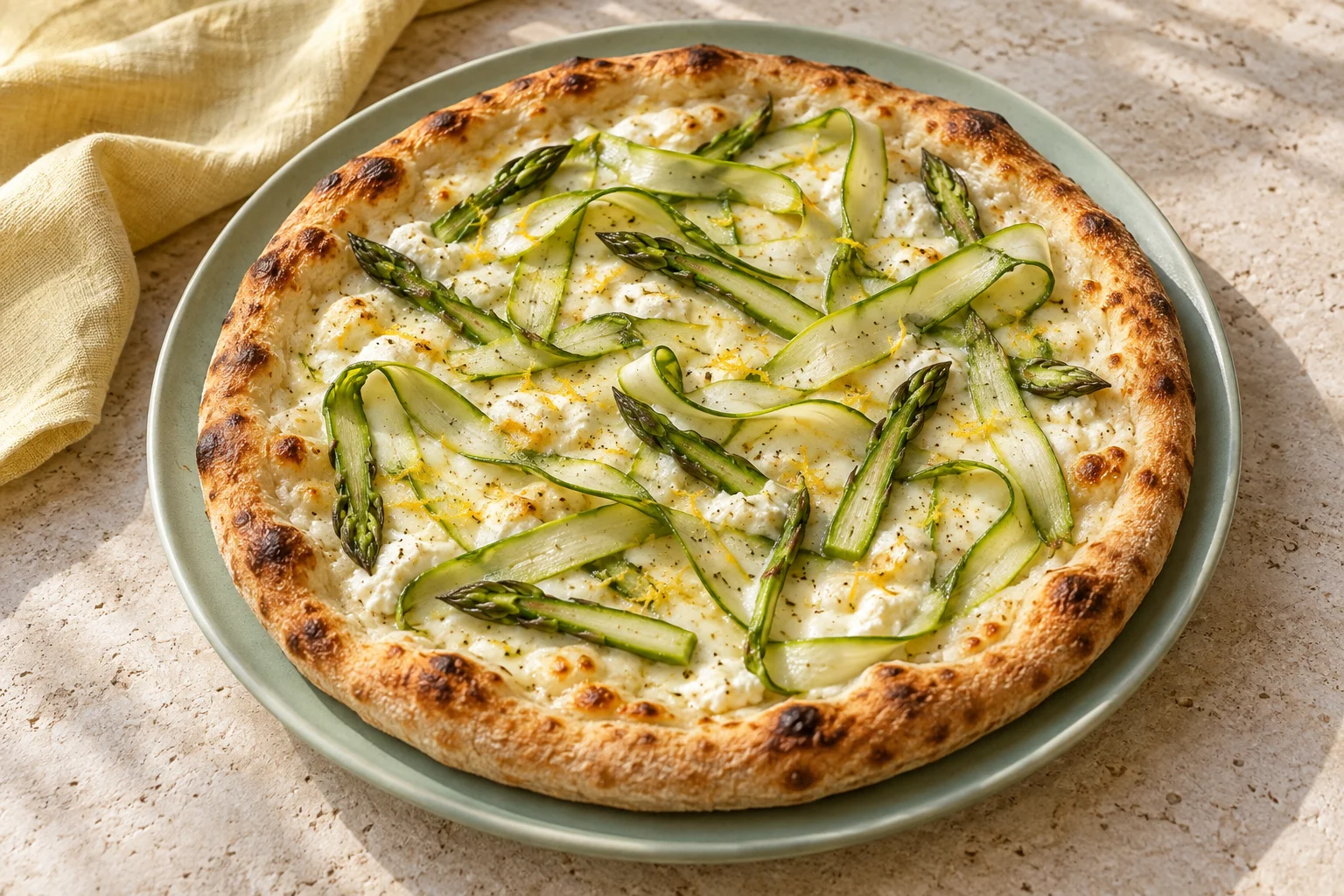
Thin ribbons of green asparagus bake over ricotta and mozzarella. A little finely grated lemon zest finishes the pizza once it leaves the oven.
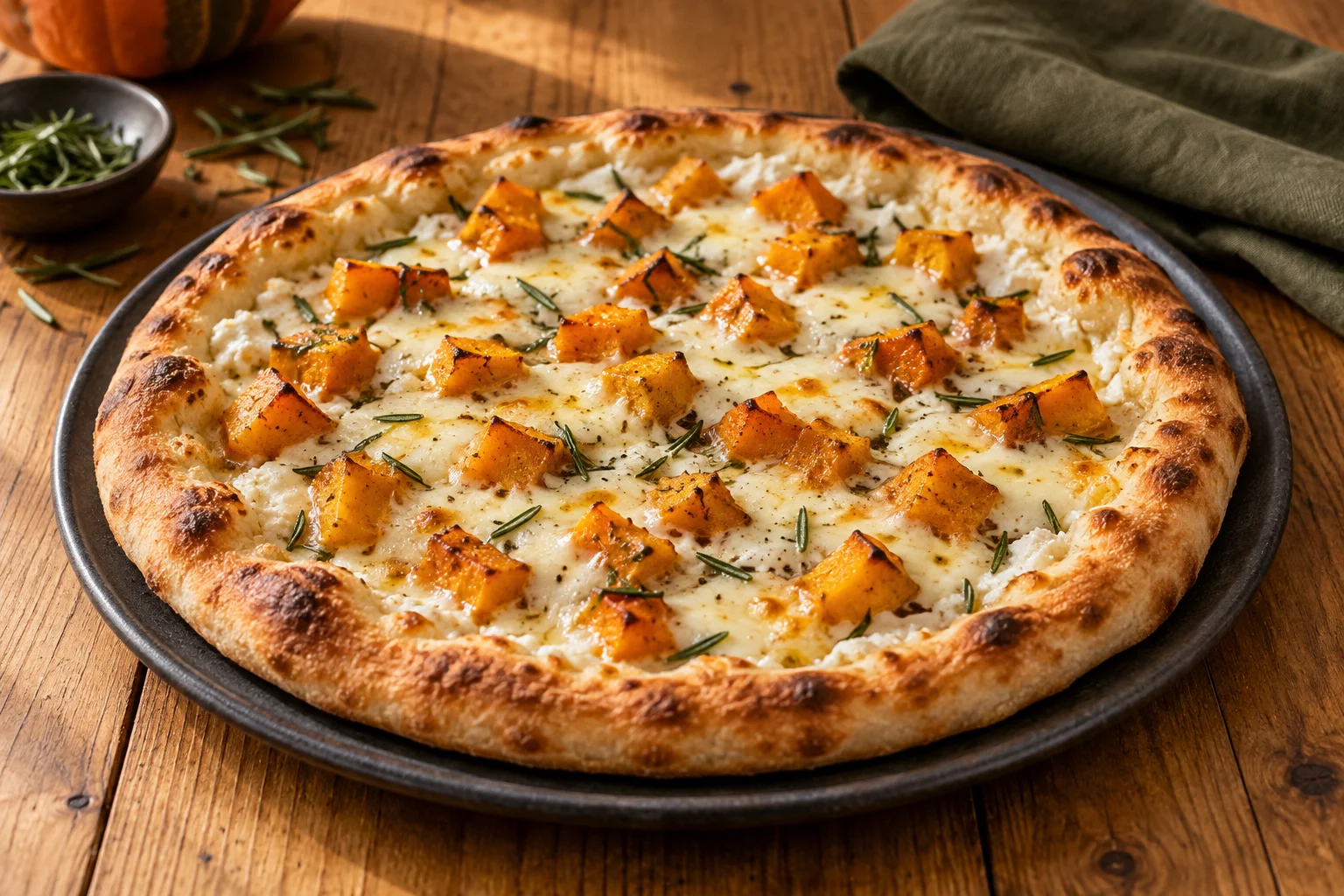
Small pumpkin cubes soften in a frying pan before topping this white pizza. A thin ricotta layer, mozzarella and finely chopped rosemary complete the topping.
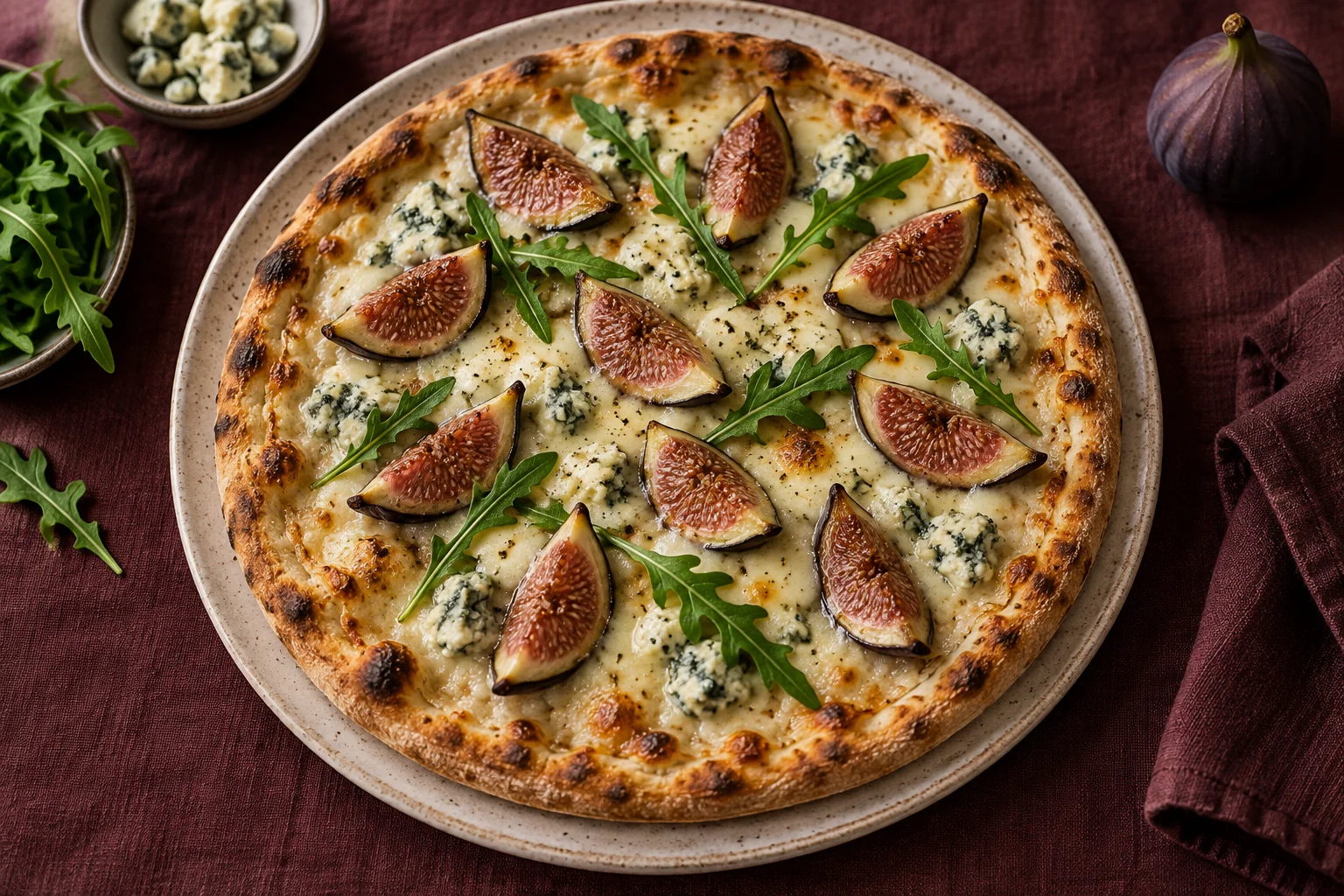
Fresh figs and mild Gorgonzola bring sweet and savoury flavours together. Bake them over mozzarella, then finish with a few fresh rocket leaves.
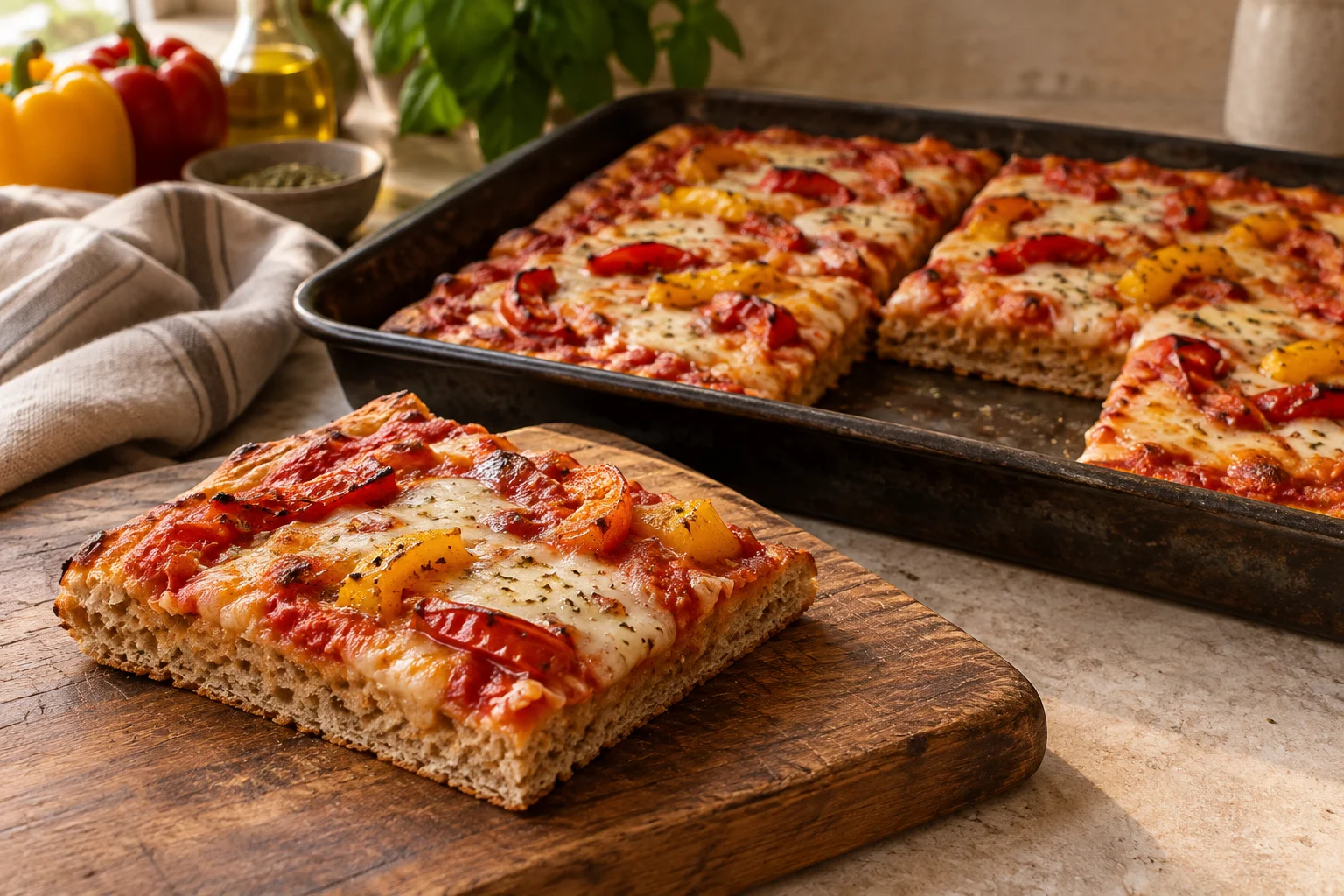
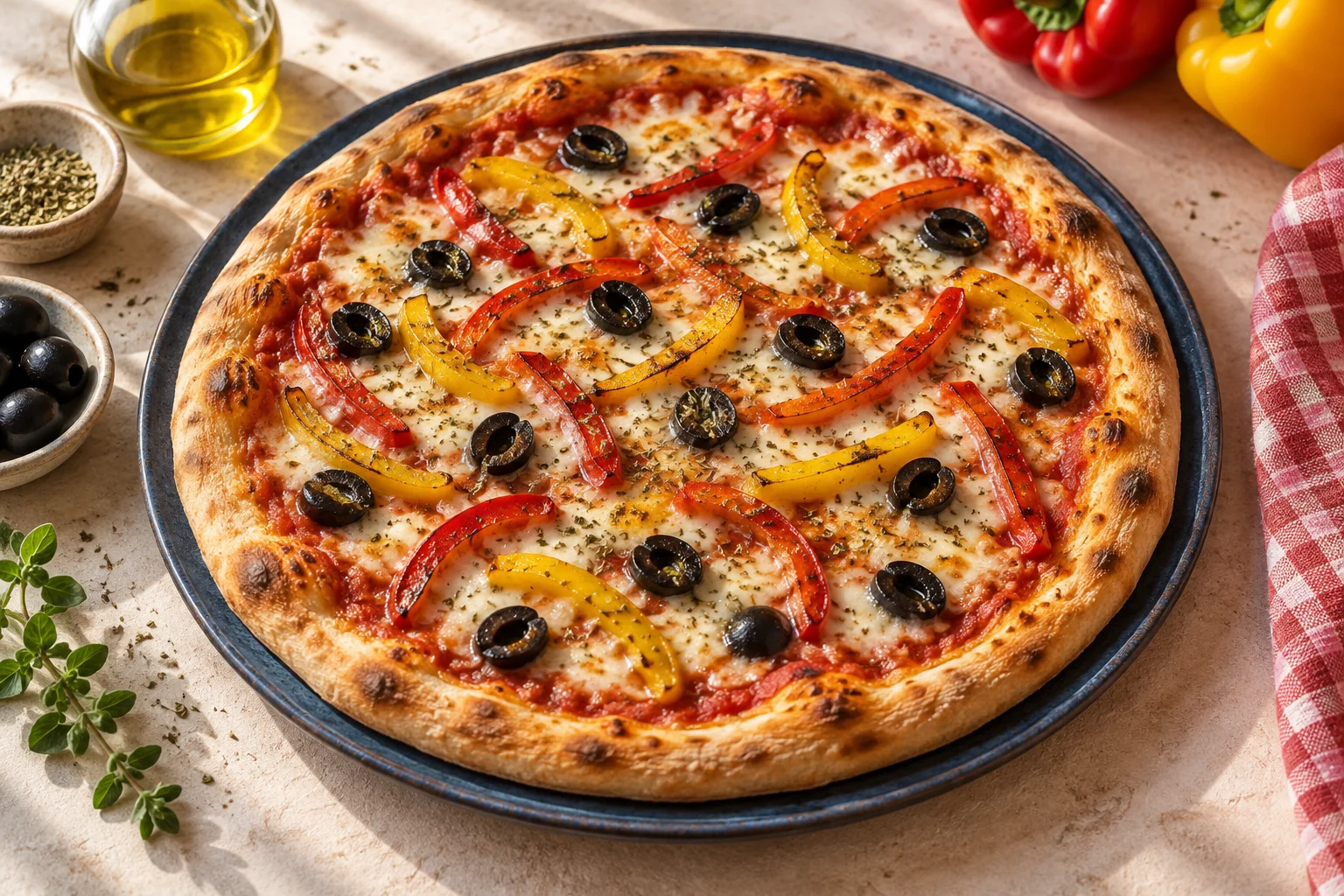
Softened red and yellow pepper strips join black olives over tomato and mozzarella. A little dried oregano finishes the pizza after baking.
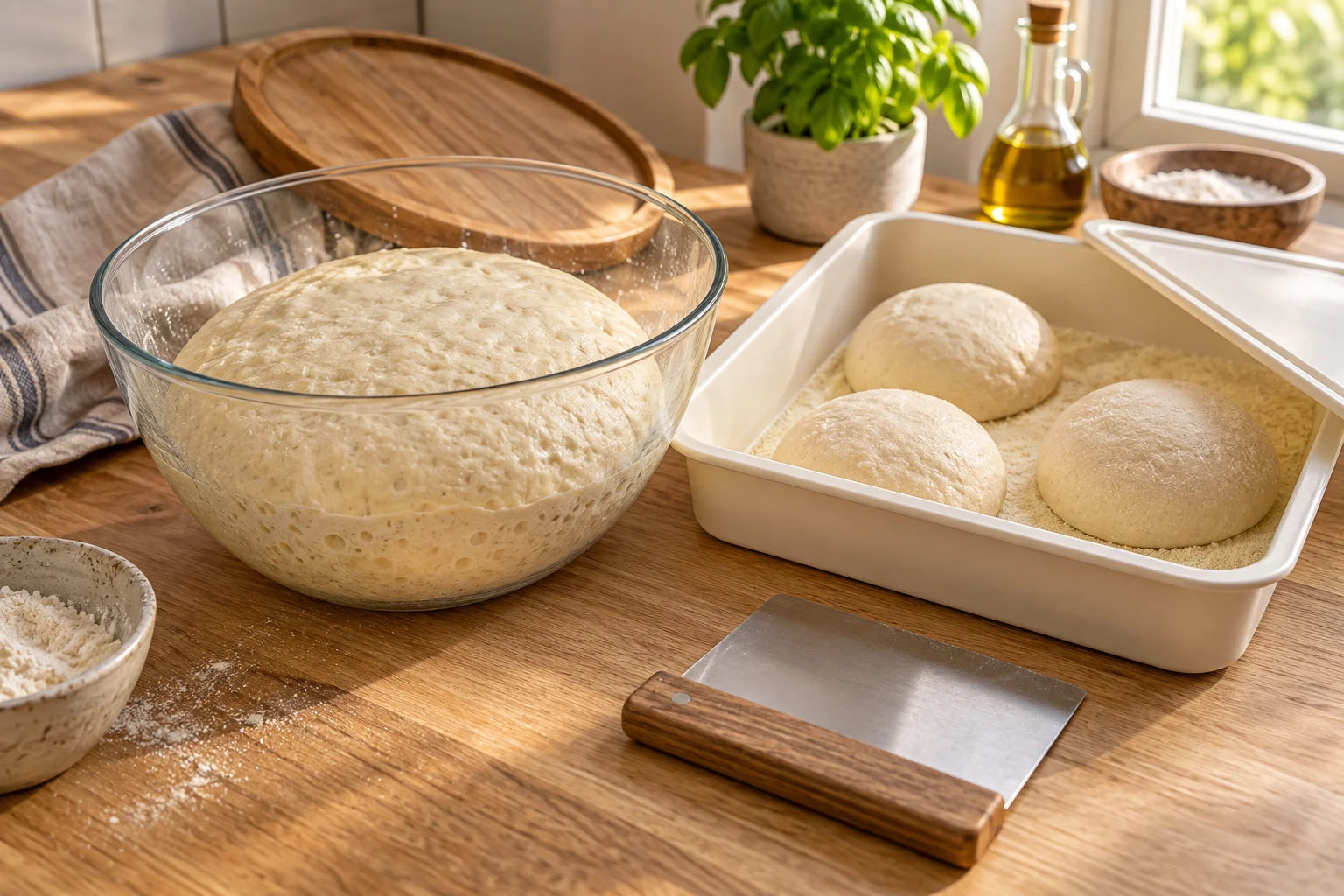
Understand the two fermentation stages, decide when to divide and recognise dough that is ready to bake. With scheduling, fridge options and practical adjustments.
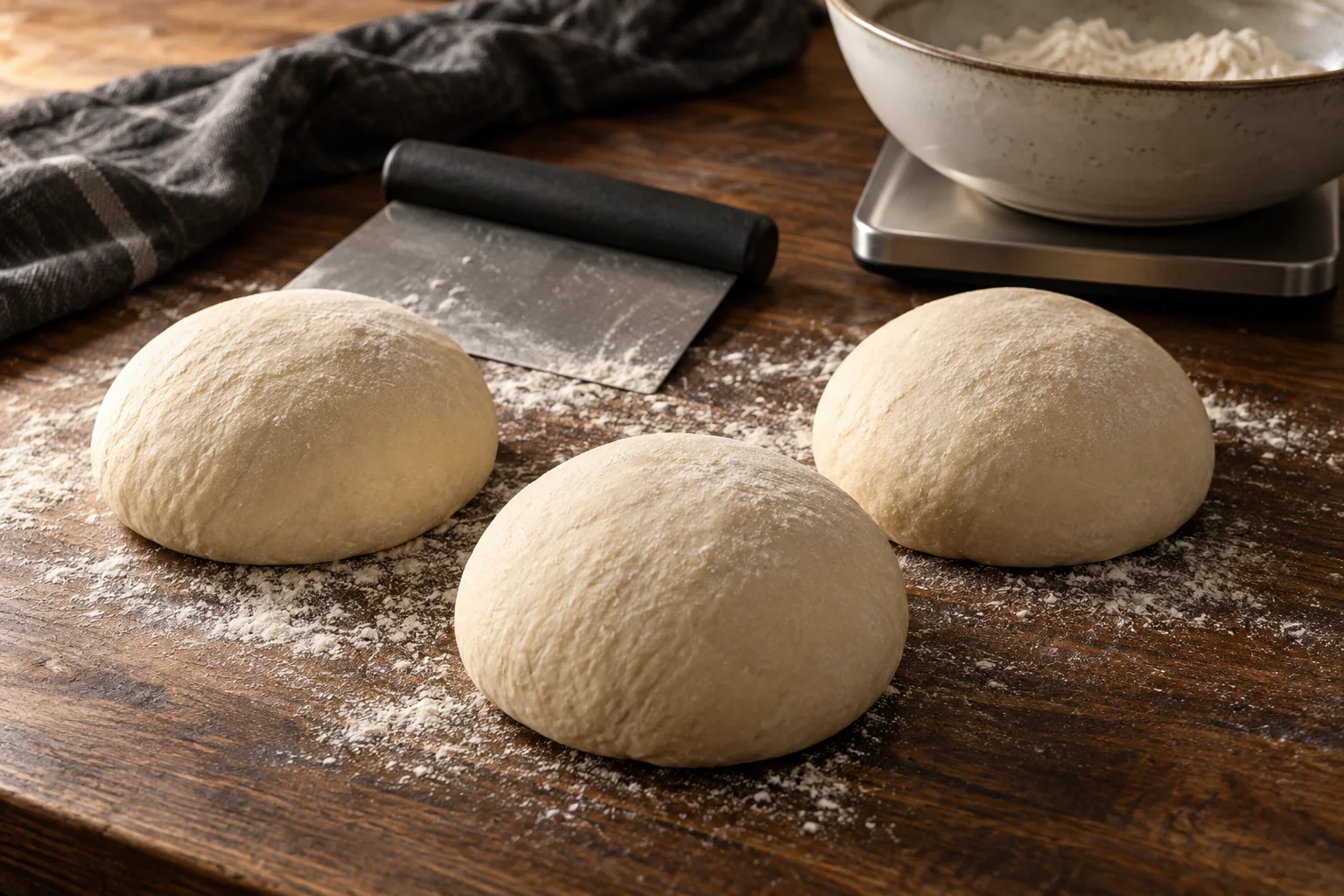
Calculate portion weights, divide dough cleanly and form balls with a closed seam. A simple folding method with advice for sticky or tight dough.
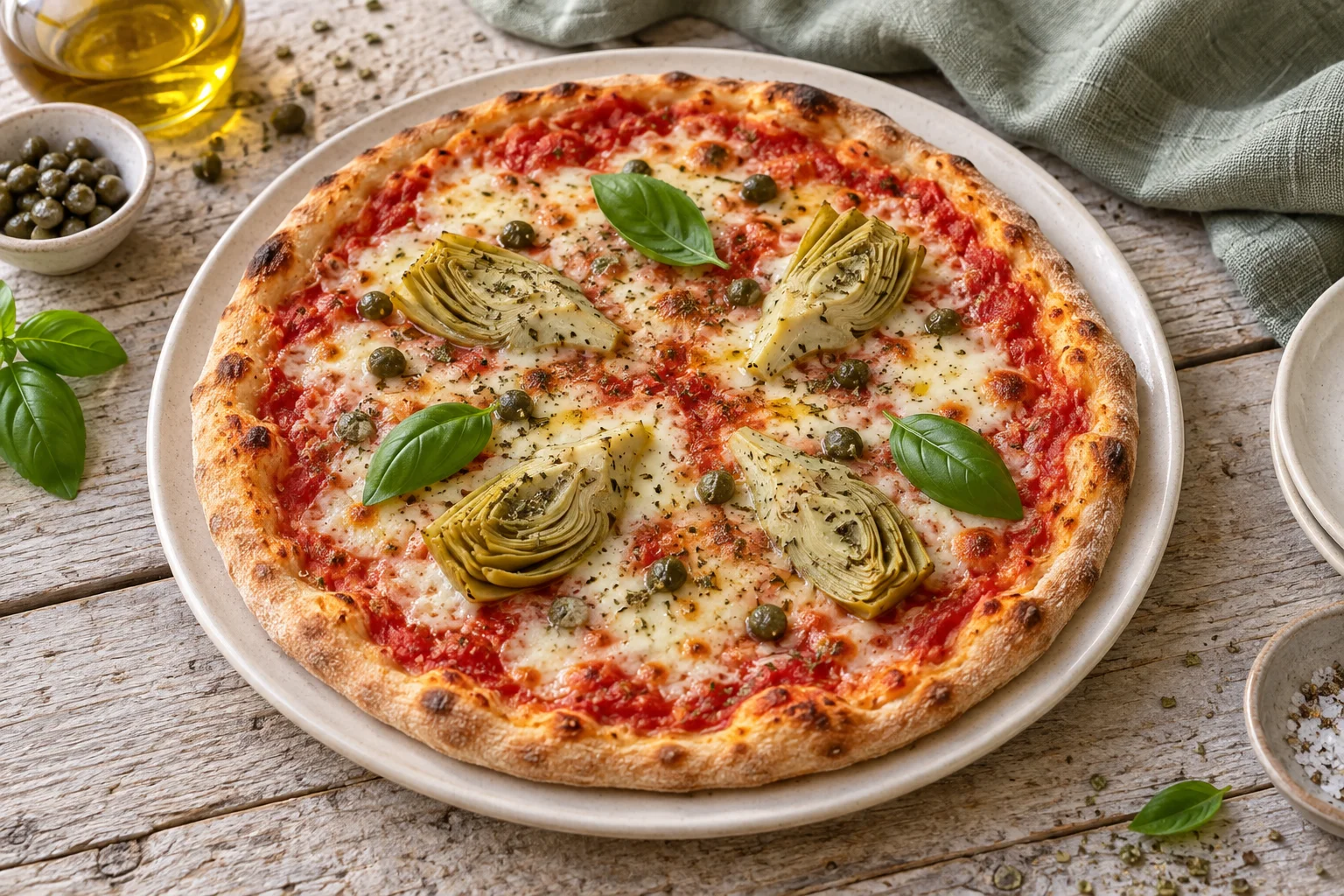
Jarred artichoke hearts make this topping straightforward. Drain them well before baking over tomato and mozzarella, with a few capers for a gently tangy finish.
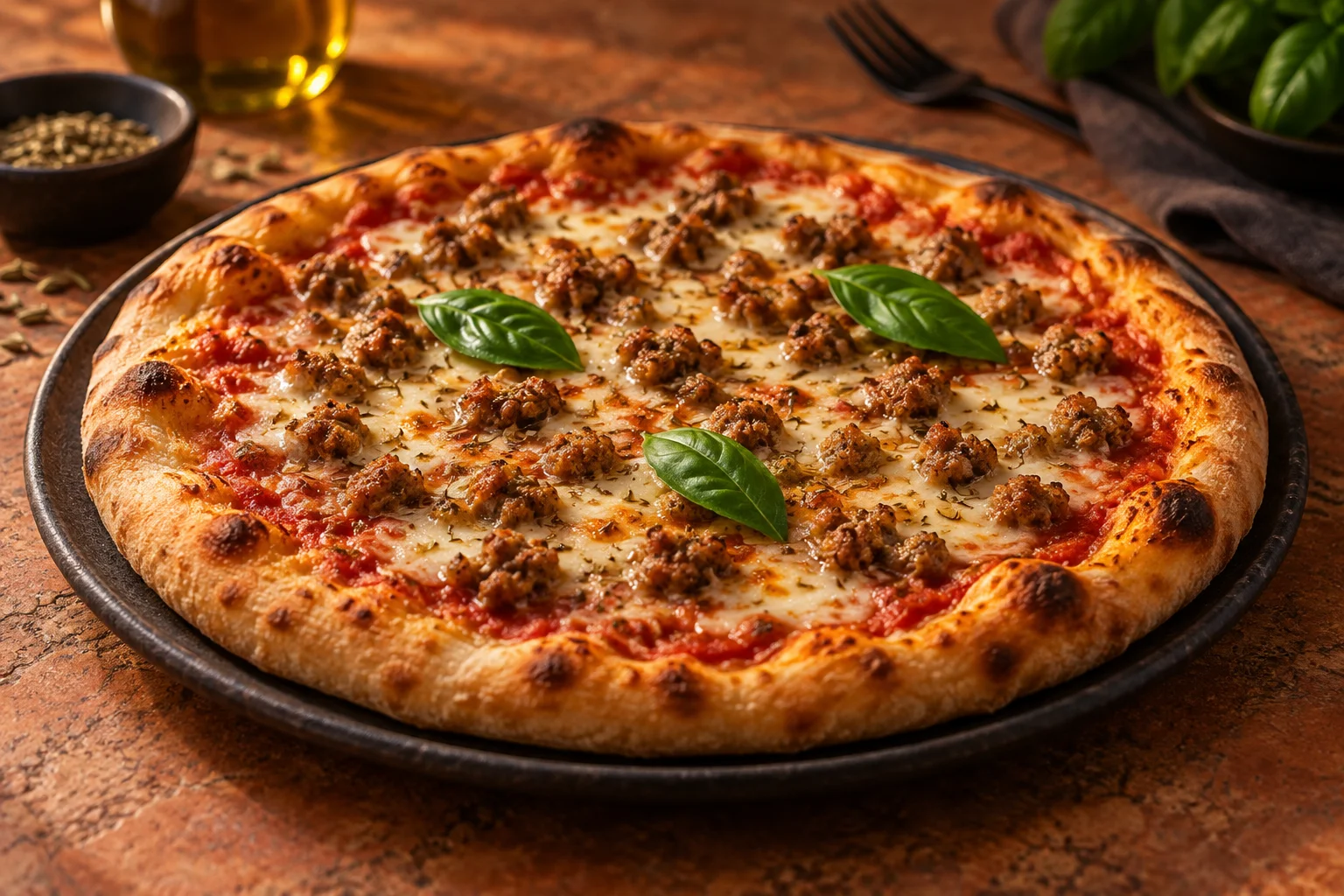
Cook small pieces of Italian sausage thoroughly in a frying pan before placing them over tomato and mozzarella. Crushed fennel seeds add seasoning if the sausage does not already contain fennel.
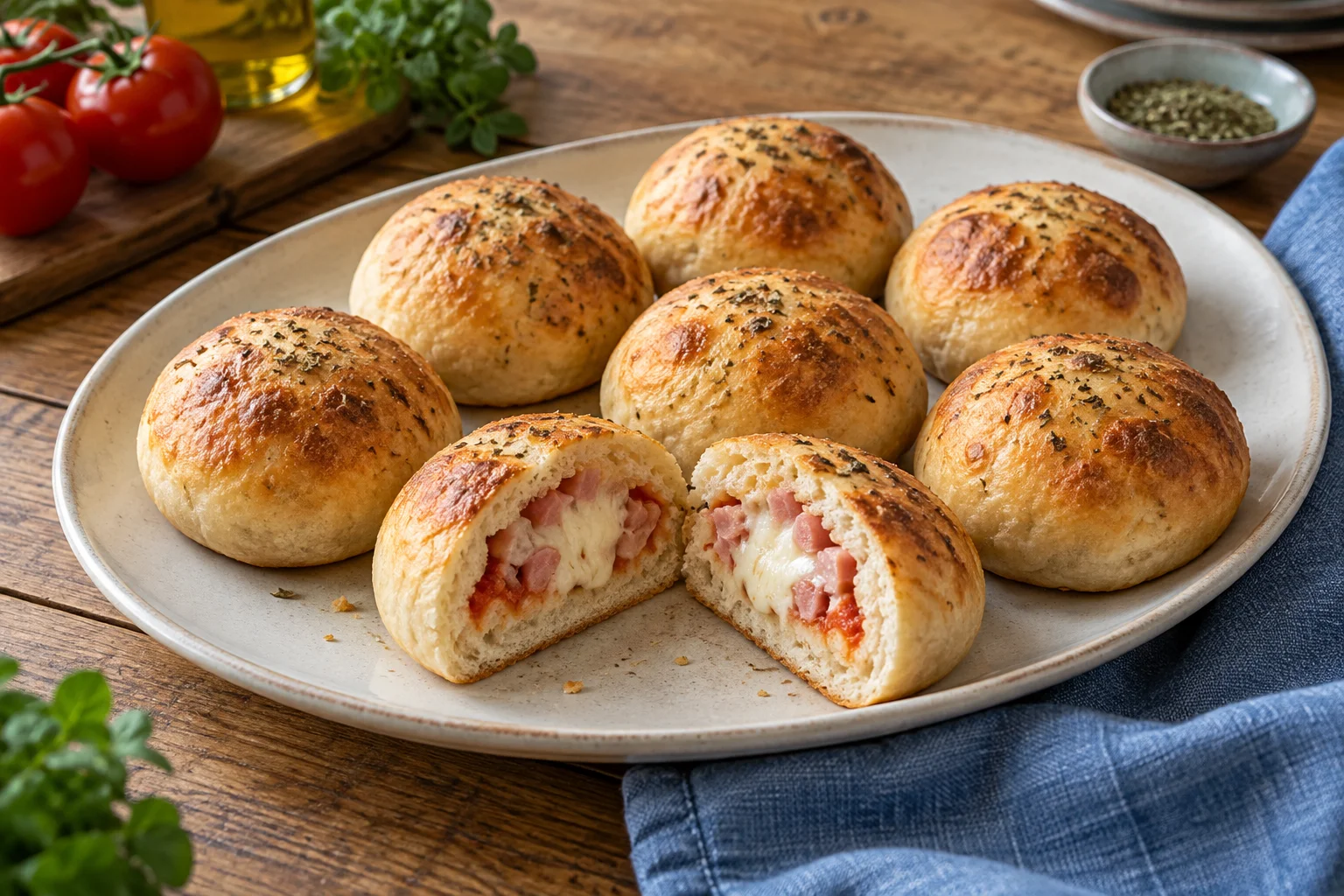
Ten small dough parcels filled with cooked ham, mozzarella and a little tomato sauce. Modest filling quantities help them seal neatly and bake through.
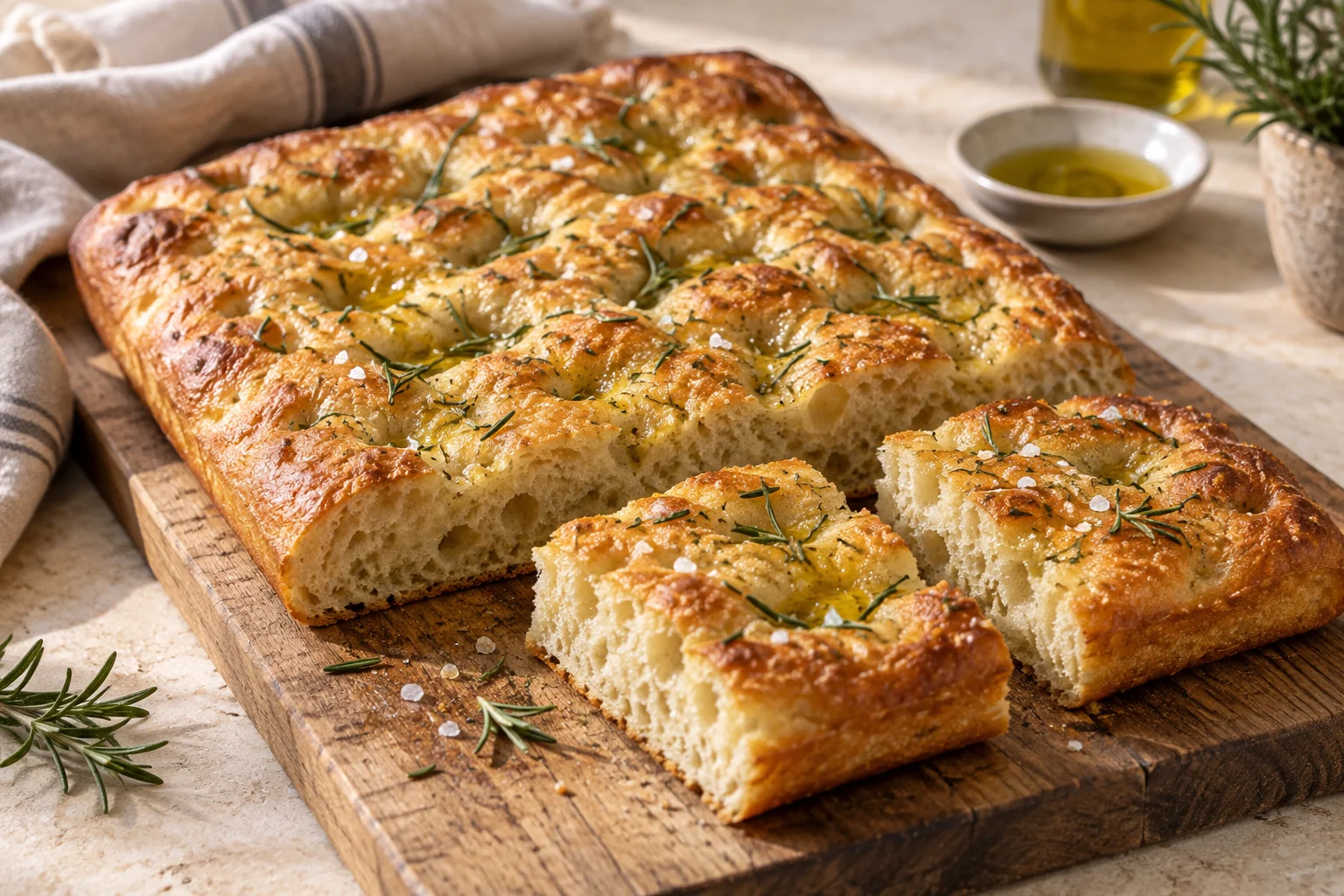
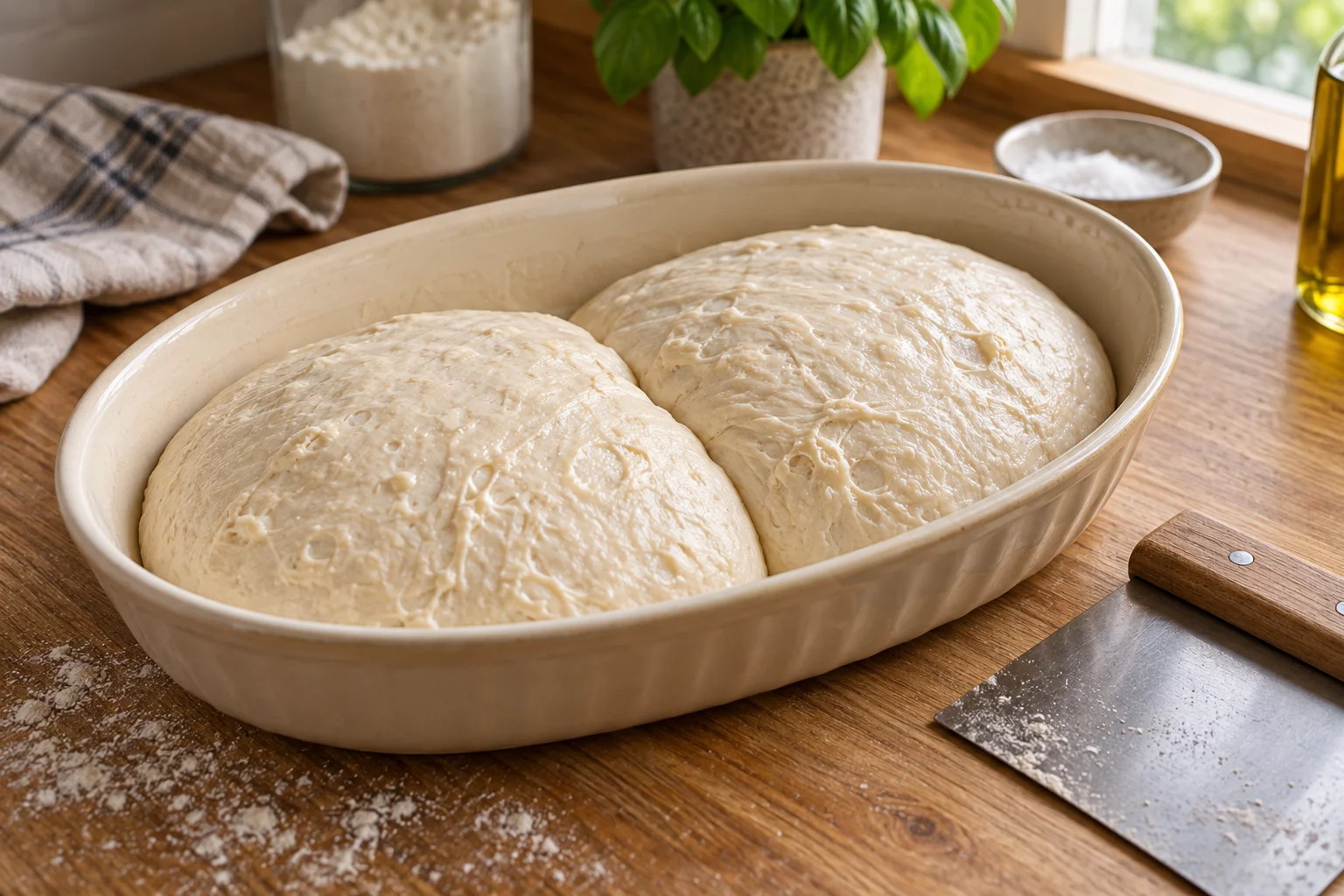
A soft wheat dough rises first in a bowl and then in an oiled pan. Rosemary, small salt crystals and olive oil settle into the dimples on its golden surface.
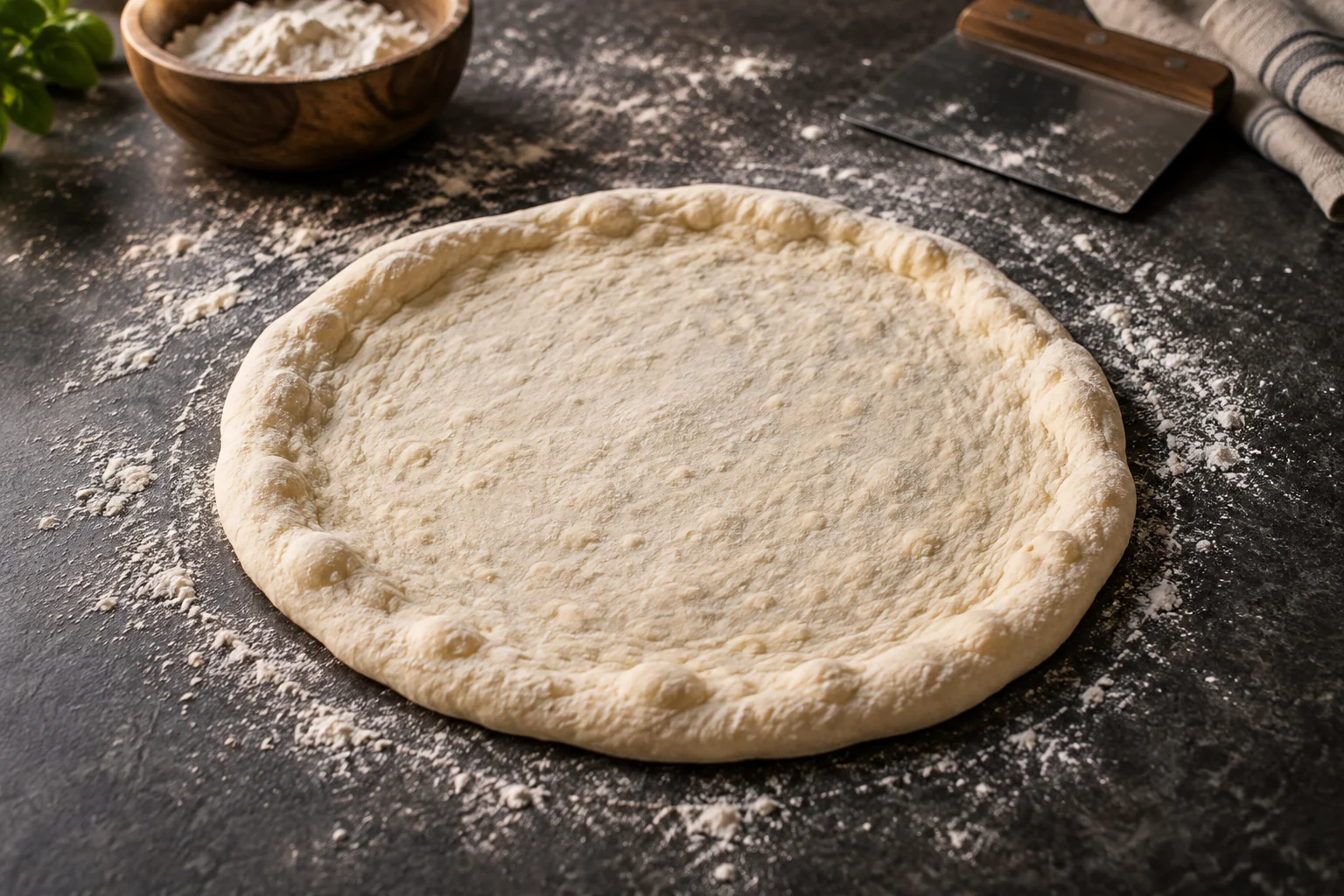
From a dough ball to an even pizza base: finger presses, knuckle stretching and practical help with spring-back, sticking and small tears.
Dough quantities for four pizzas, a same-day schedule and practical guidance on toppings, baking surfaces and a thin centre that holds together.
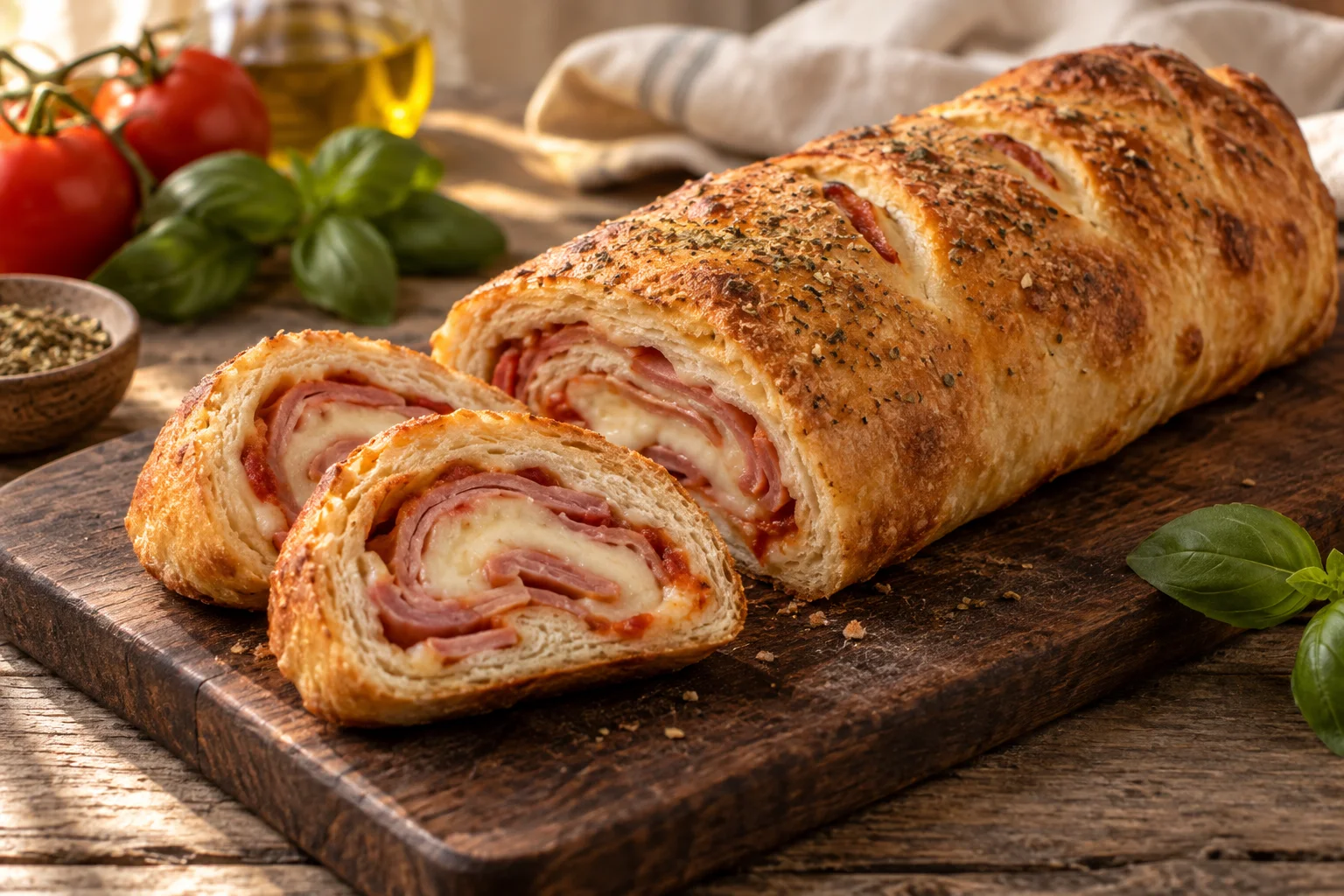
Roll pizza dough around a thin tomato, cooked ham and mozzarella filling, then bake it as a loaf and cut it into slices.
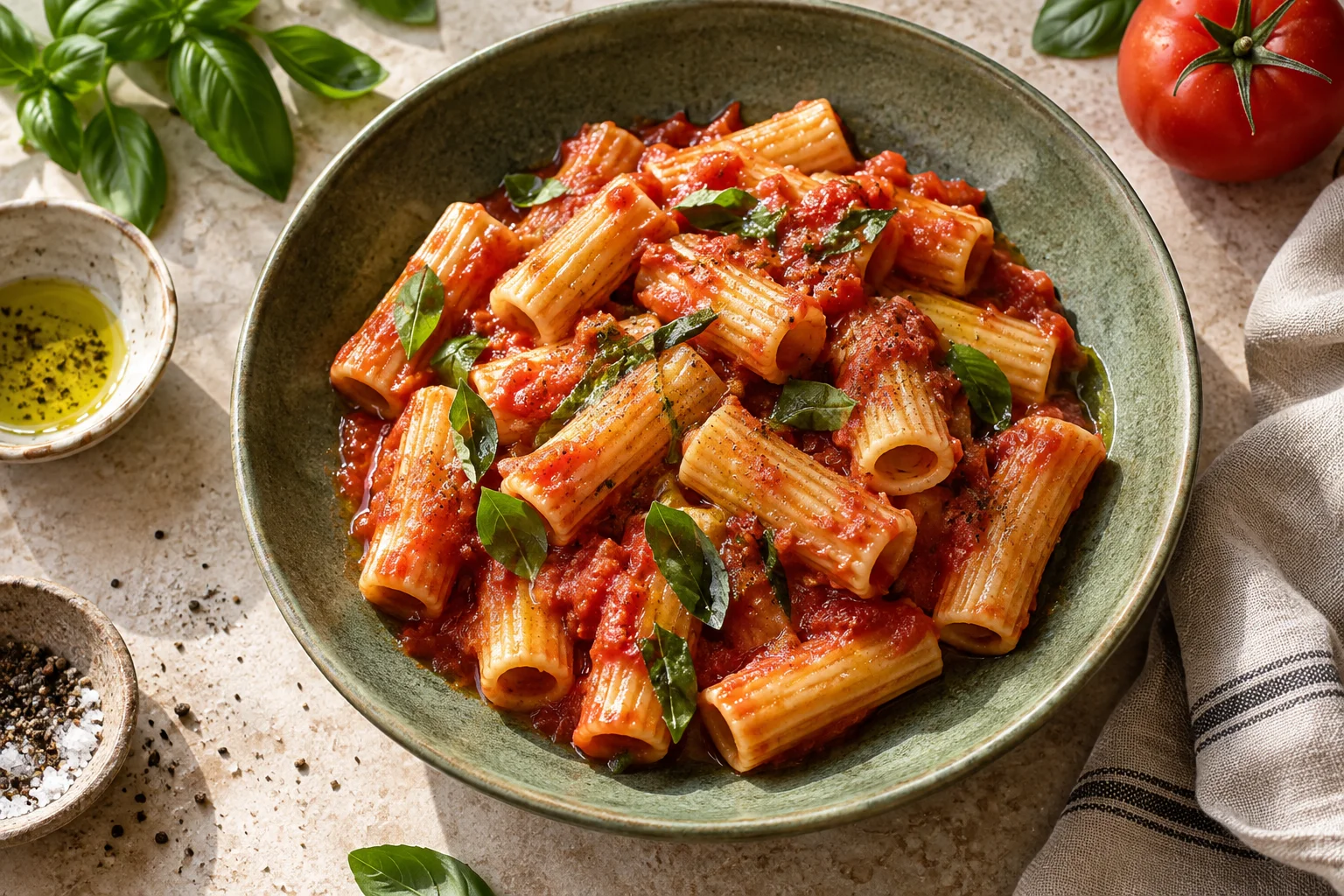
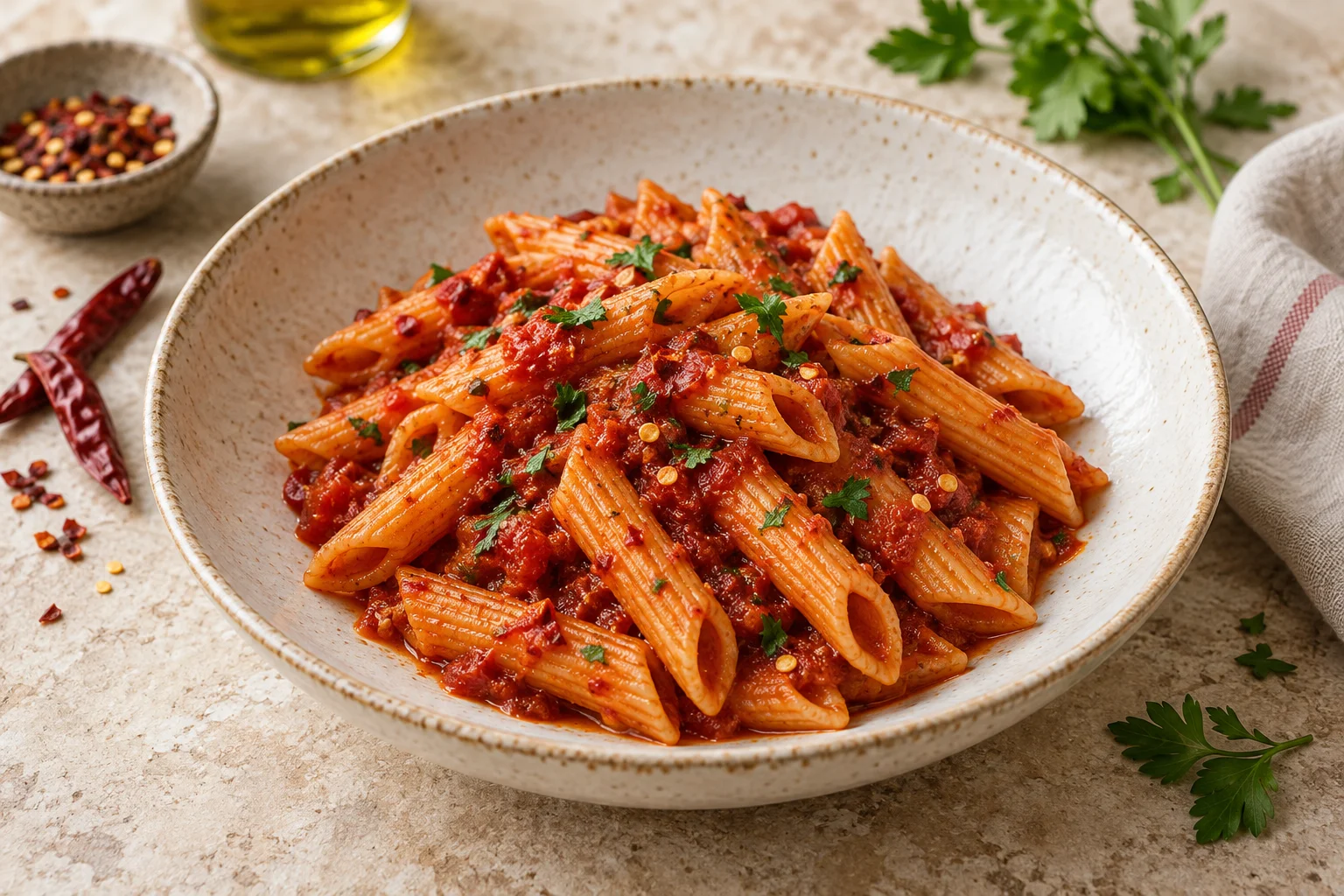
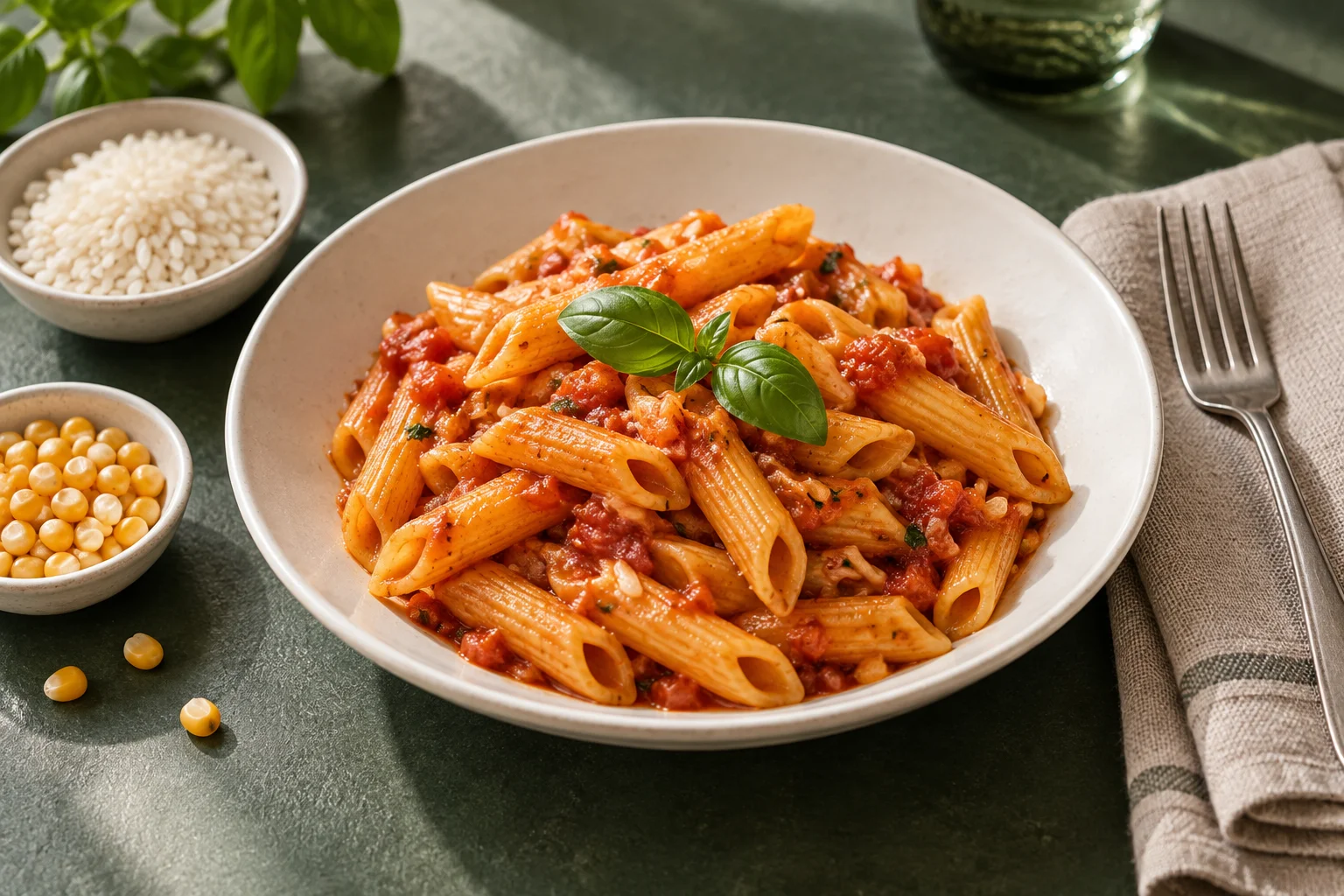
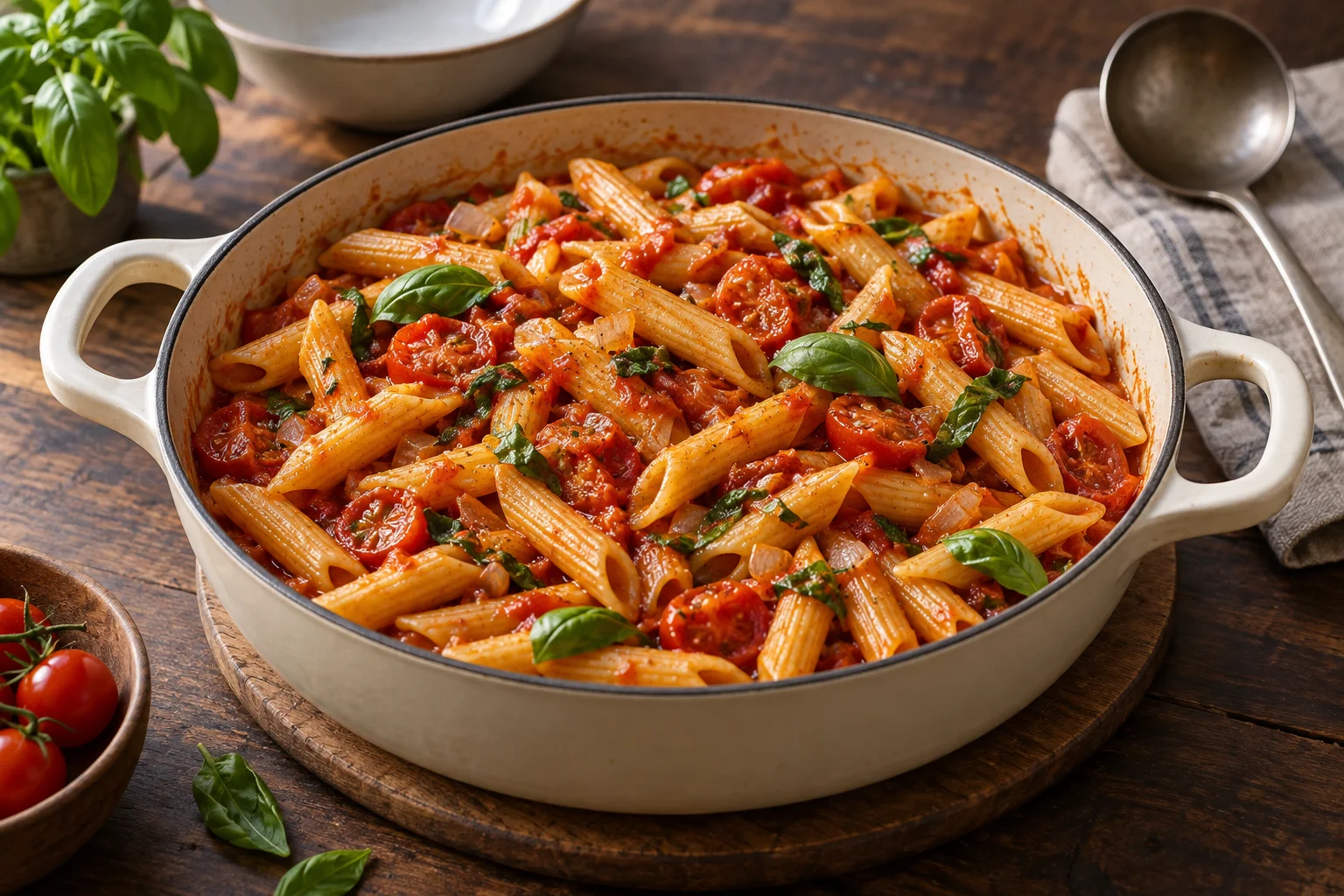
A short ingredient list and a sauce that coats the ridged penne as you toss it. Adjust the chilli gradually while cooking to find the heat you enjoy.
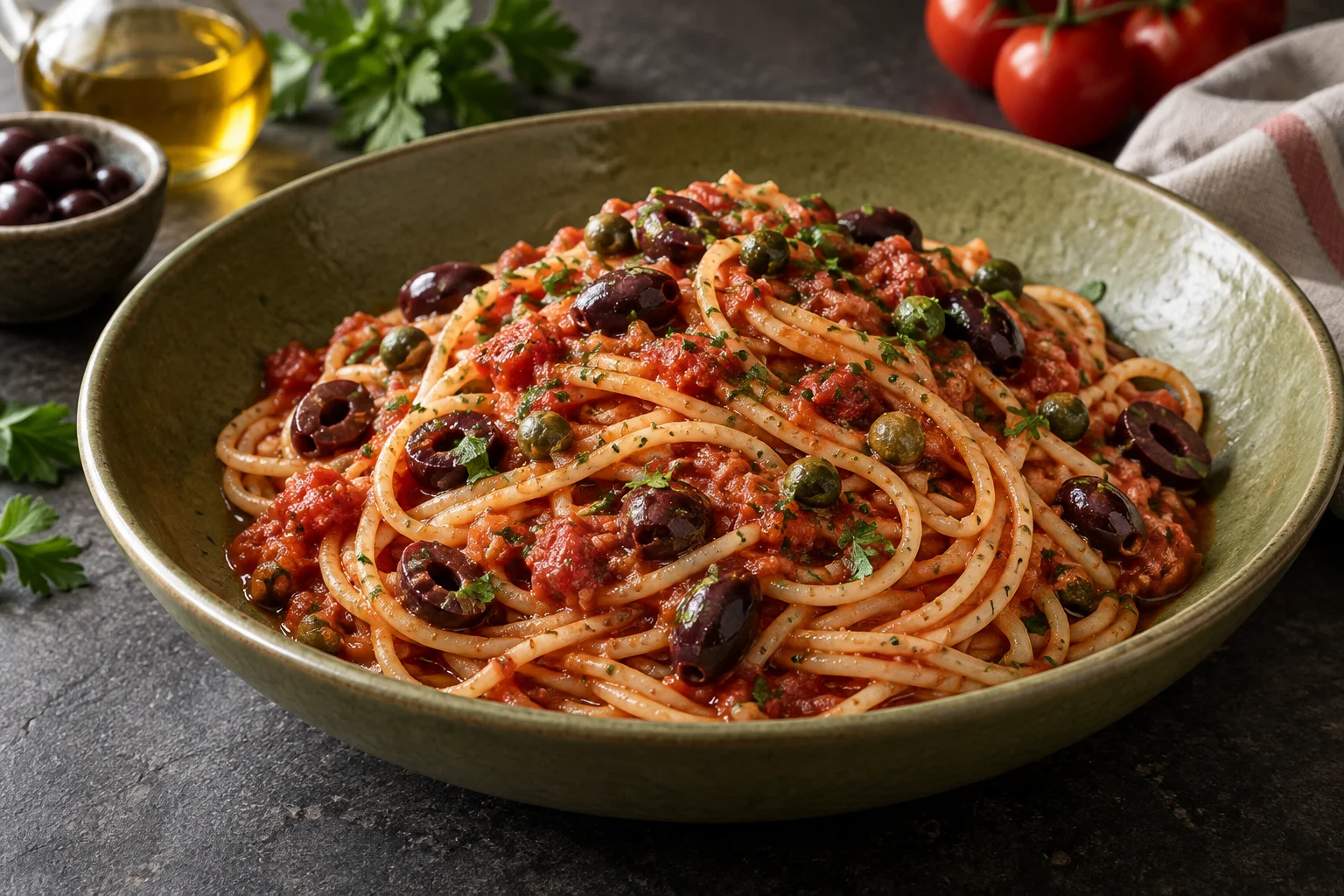
Tomatoes, dark olives, capers and anchovies make a savoury sauce from store-cupboard ingredients. Taste it before adding any extra salt.
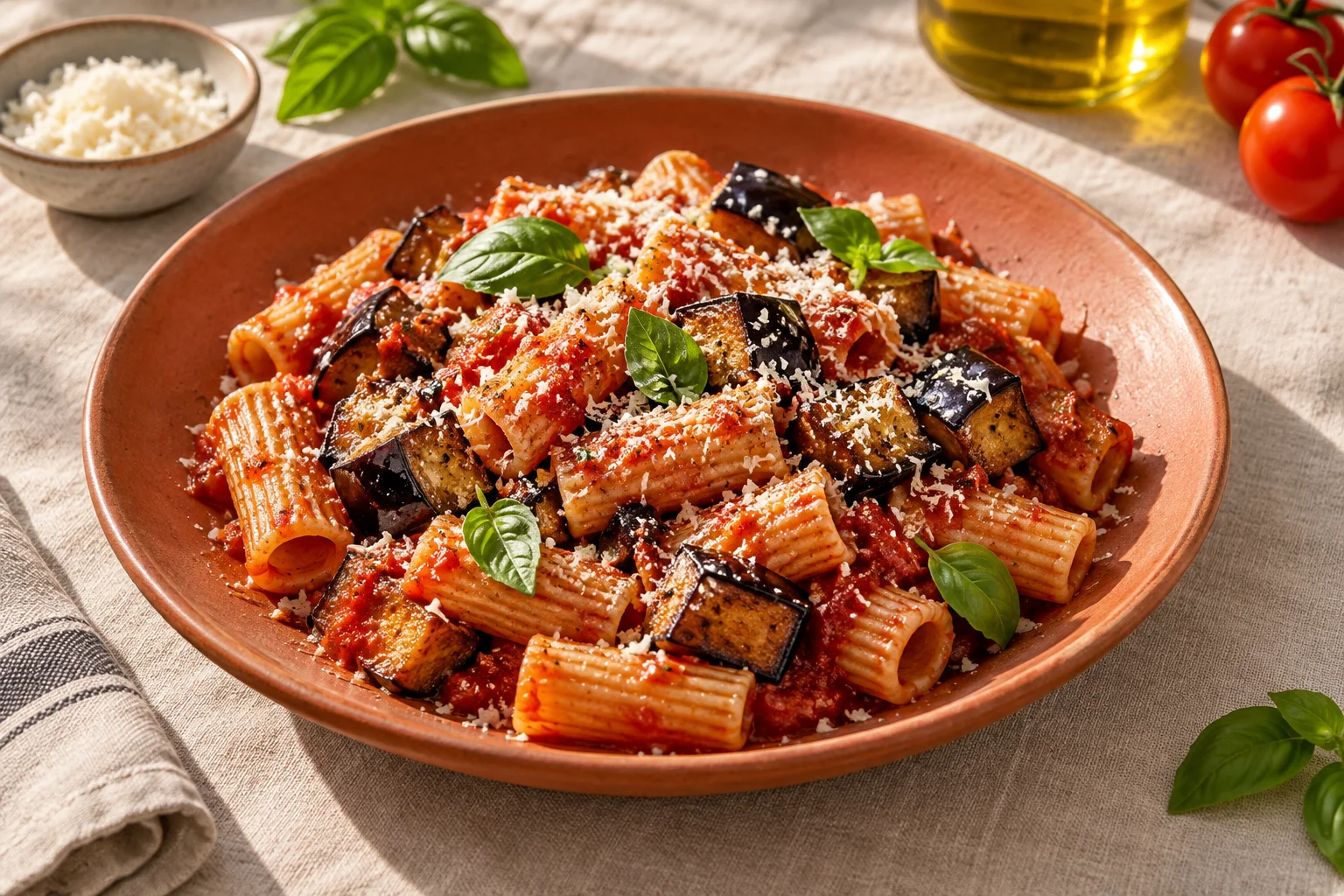
Tender aubergine cubes, tomato sauce, basil and salty ricotta salata coat short pasta tubes. In this oven variation, the aubergine cooks on a baking tray.
A pale underside, wet middle or trapped steam on the board? Work out which part of the process needs changing for a crisper pizza base.
Recognise signs of excessive proof, understand when gentle re-balling may help and plan a more useful baking window for the next batch.
Limited expansion can mean slow fermentation, cold dough or an ingredient mistake. Use these observations to decide whether more time, suitable warmth, relaxation or a fresh batch is appropriate.
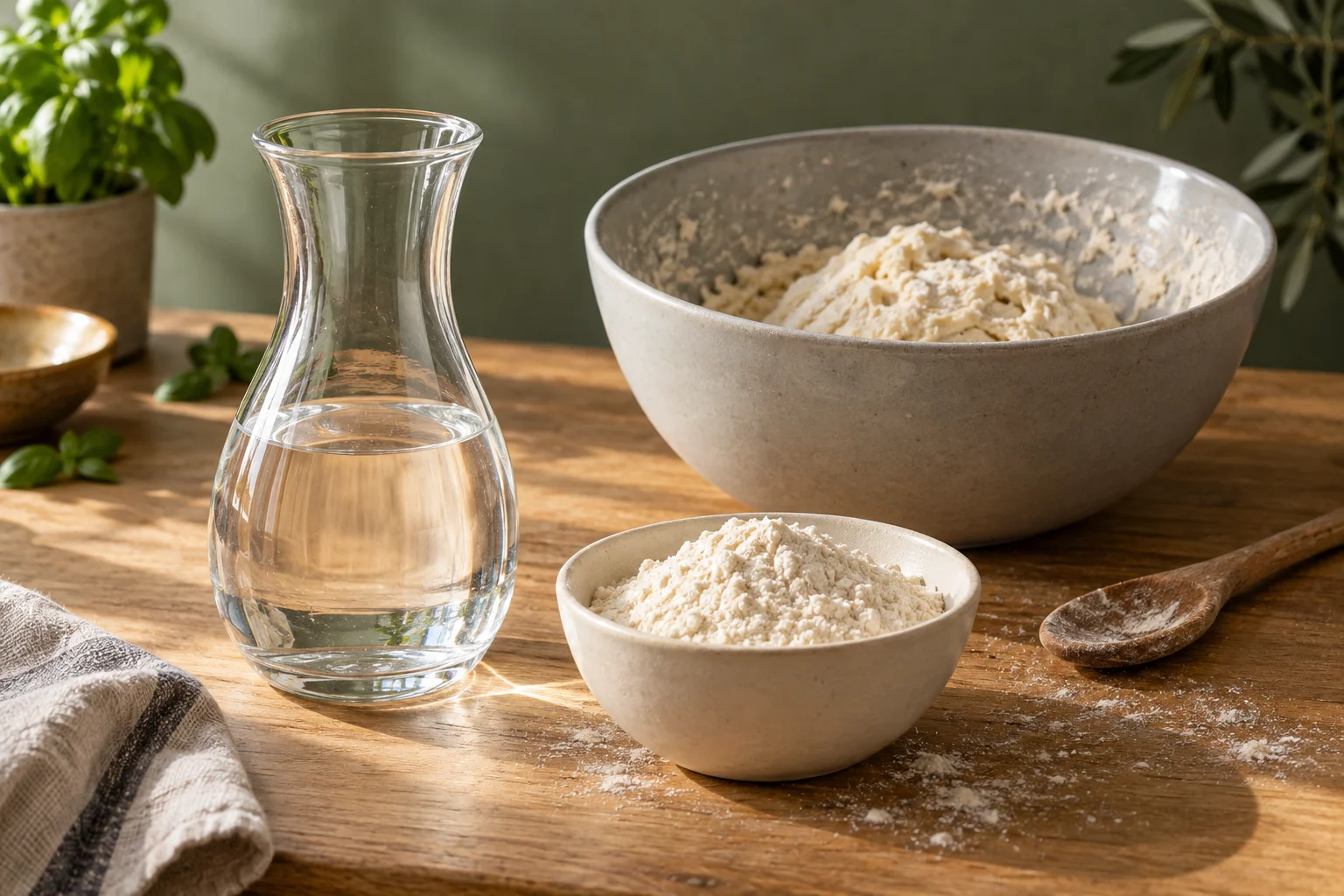
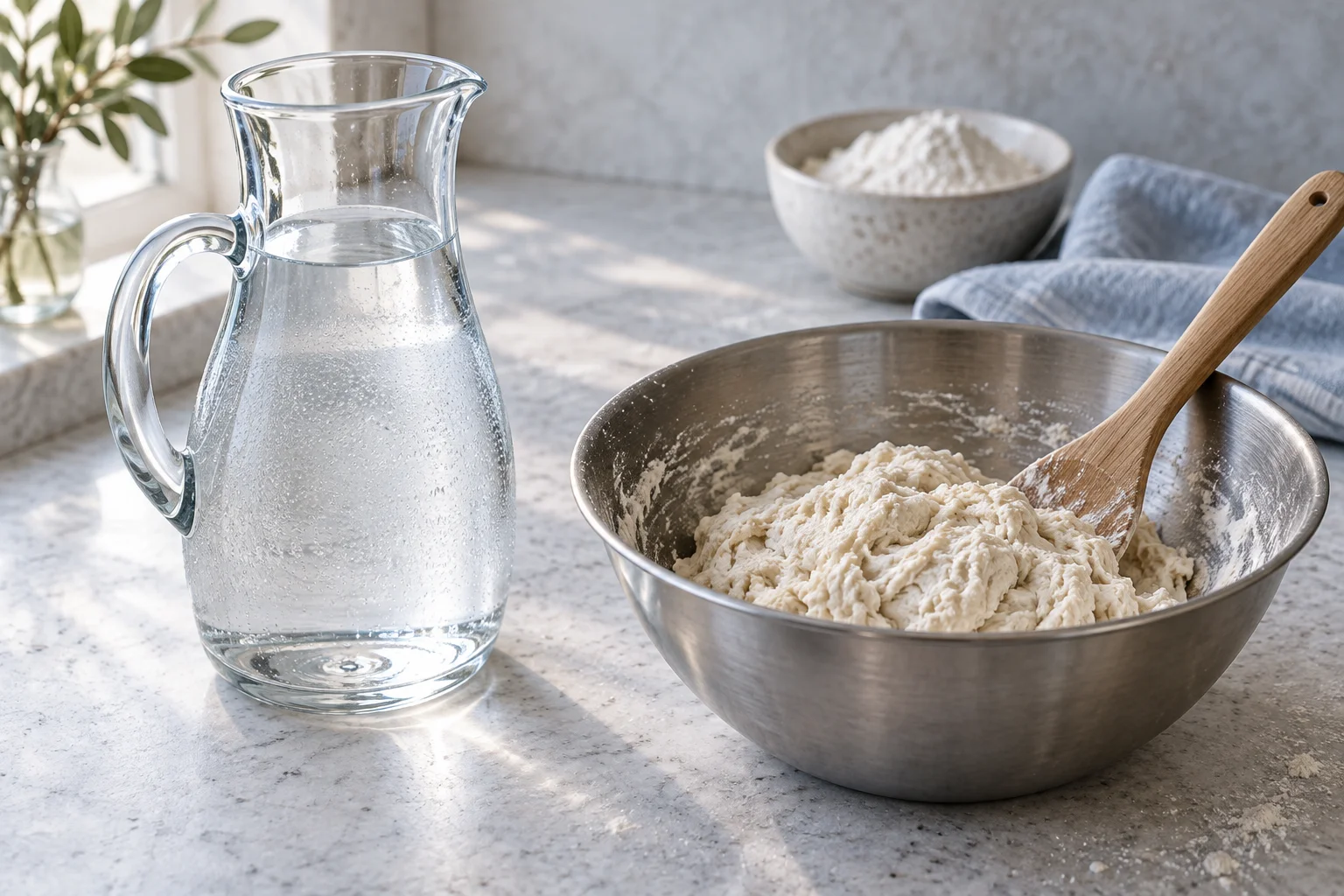
Weighing water and checking its temperature makes pizza dough easier to plan. This guide explains how to calculate the amount, account for preferments and decide when water quality is actually a useful variable to investigate.
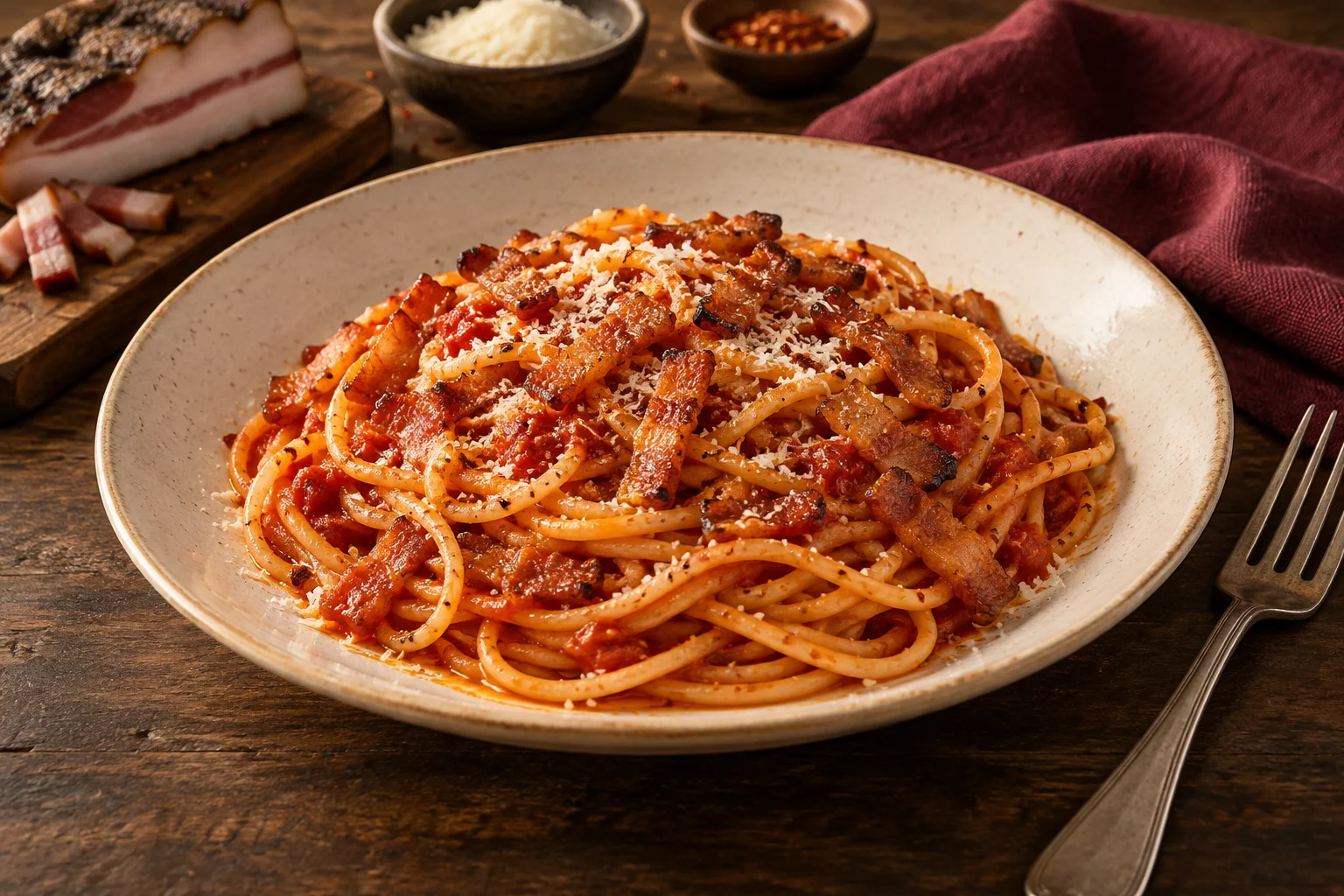
Tomato, browned guanciale and pecorino give this pasta its savoury character. This variation is made without wine and works with spaghetti or bucatini.
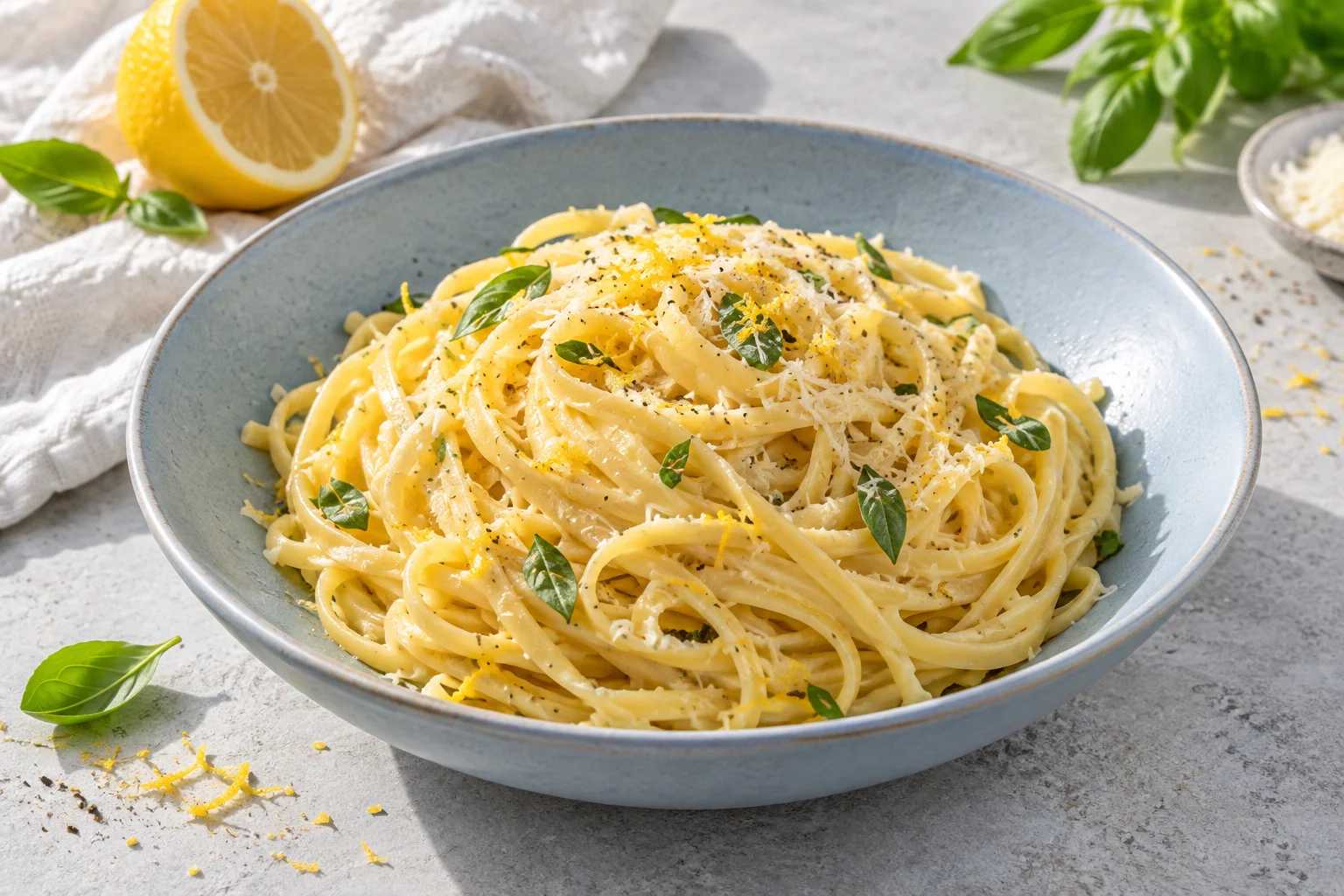
Lemon zest supplies fragrance and a little juice adds acidity. Butter, finely grated Parmesan and starchy cooking water form a light sauce around linguine.
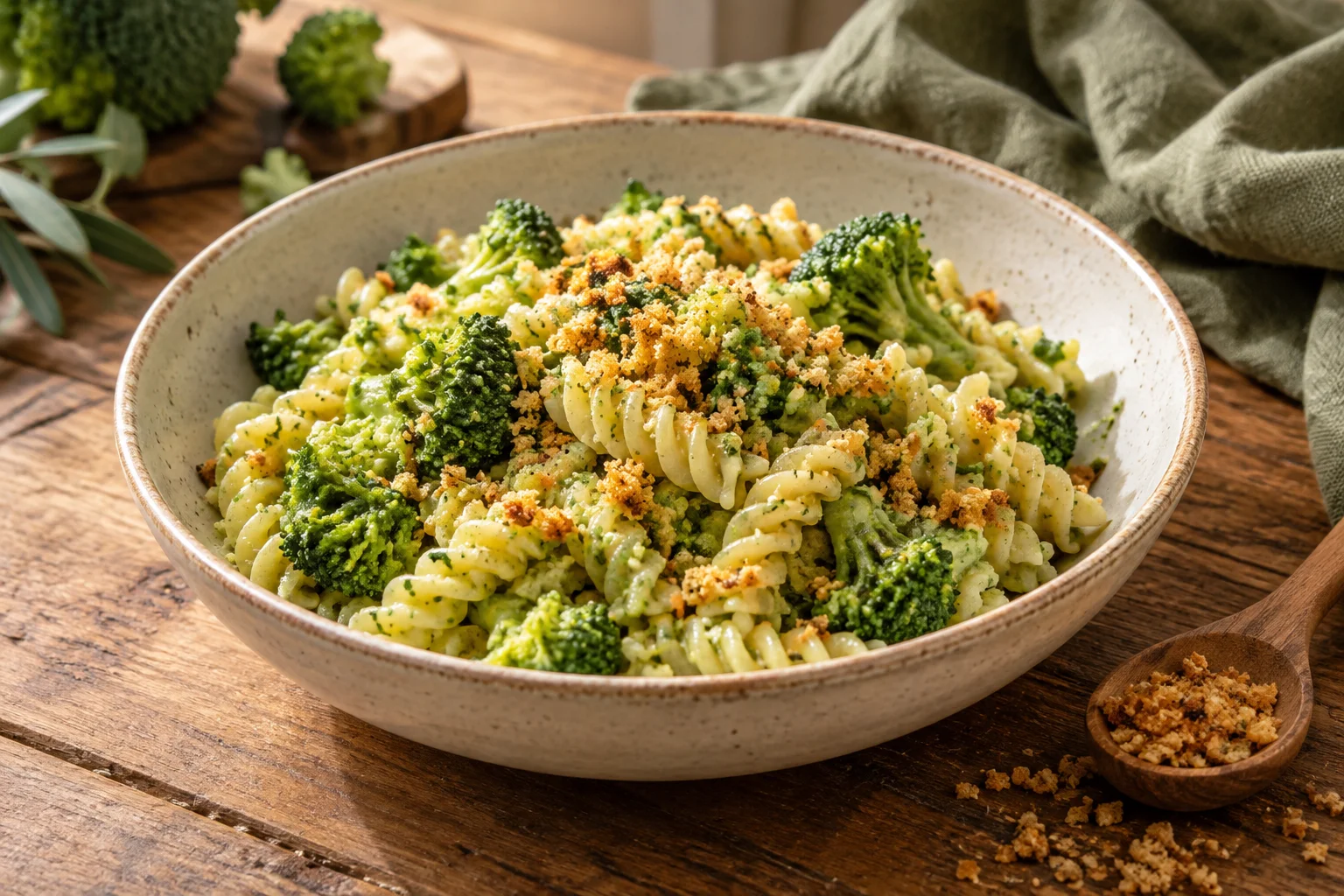
Tender broccoli combines with olive oil and cooking water to make a coarse green sauce. A few whole florets and crisp breadcrumbs add contrasting textures.
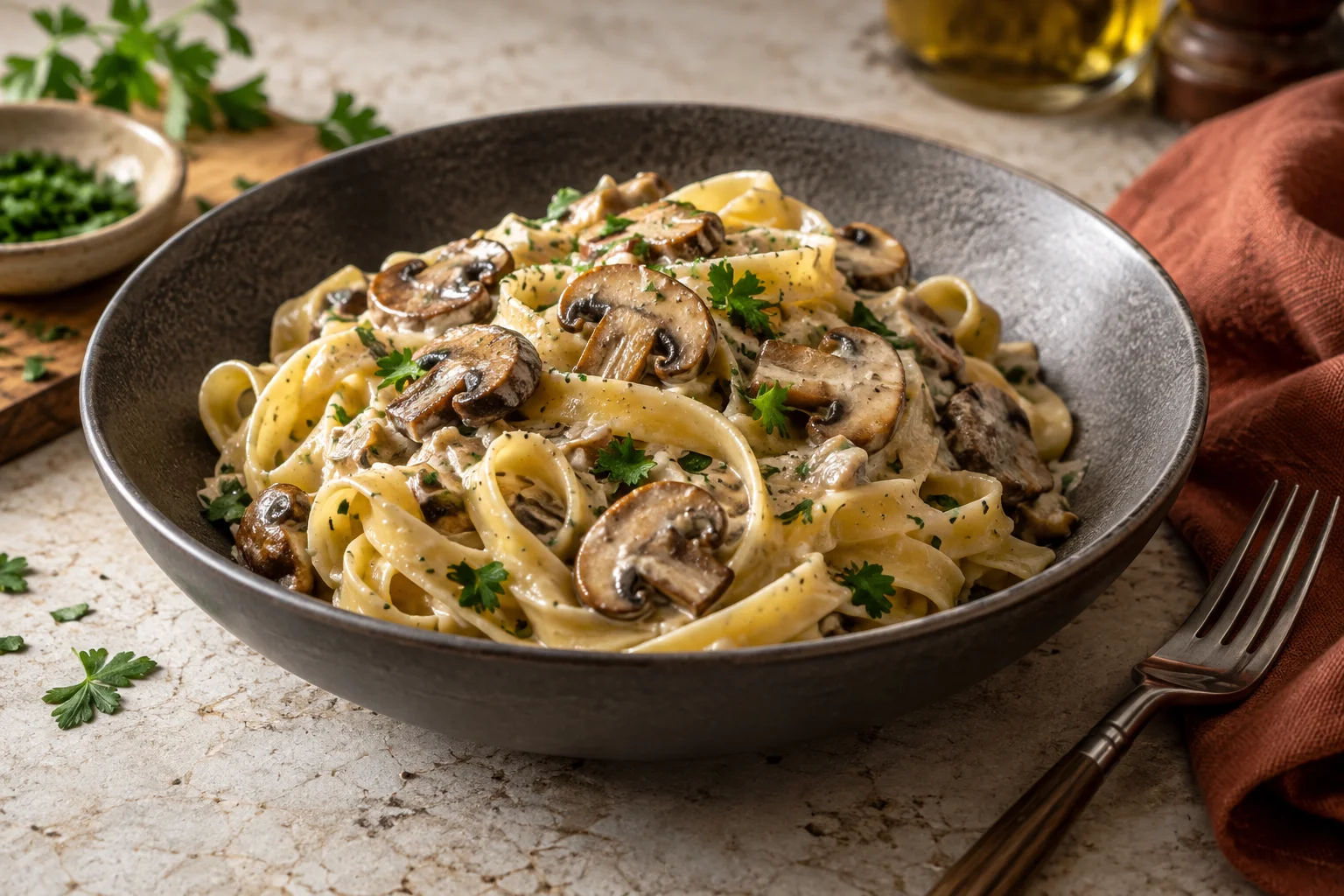
Browned chestnut mushrooms flavour a mild cream sauce. Cook the mushrooms in two batches before adding the cream and tagliatelle.
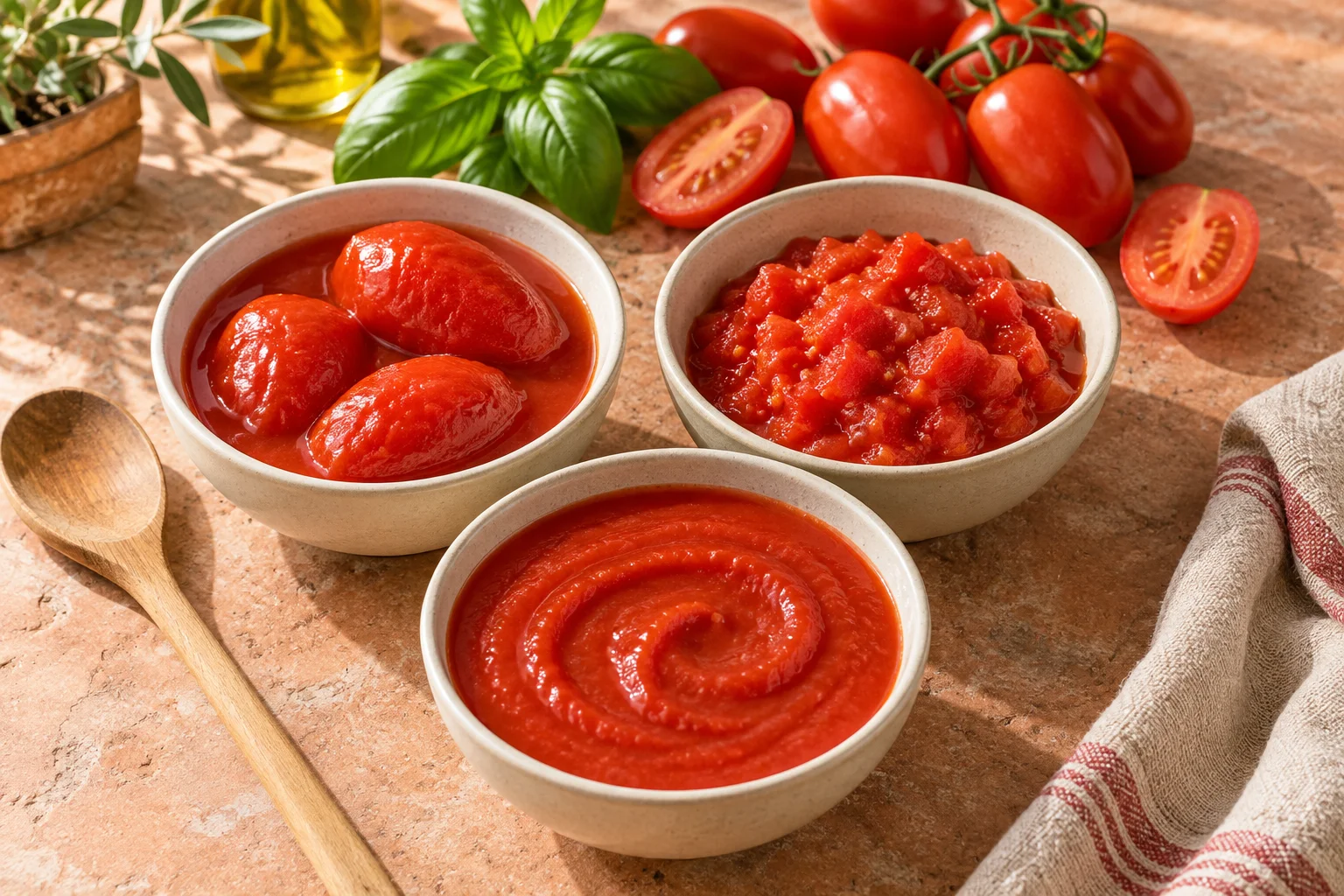
The right tomatoes spread thinly, taste balanced with the other toppings and avoid adding unnecessary liquid to the base. Here is how to choose between canned tomatoes, passata, tomato paste and fresh tomatoes.
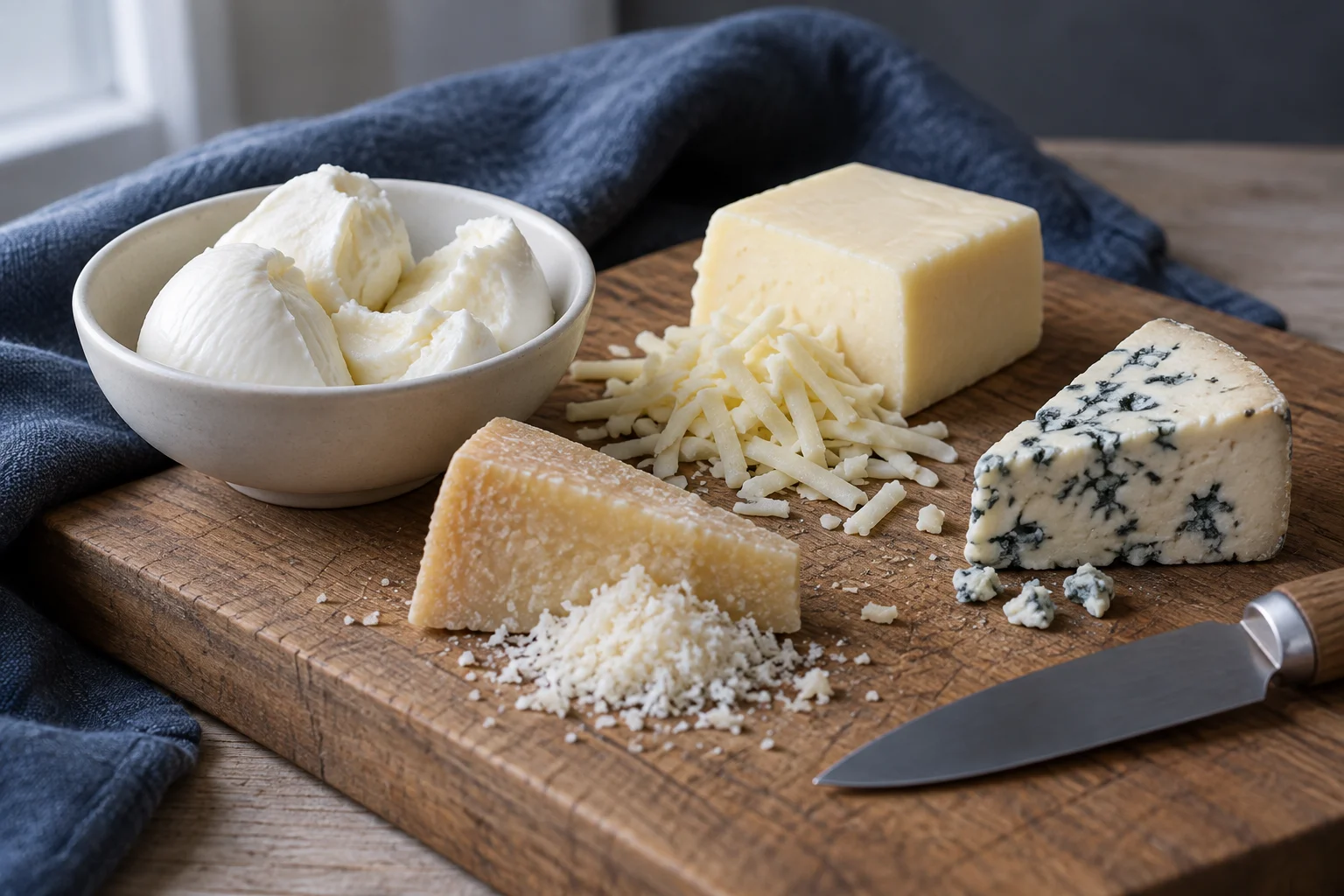
Mozzarella provides a mild melt, hard cheese adds seasoning and ricotta creates creamy pockets. The useful question is how moisture, quantity and baking time work together. This guide helps you choose cheese for the topping you want.
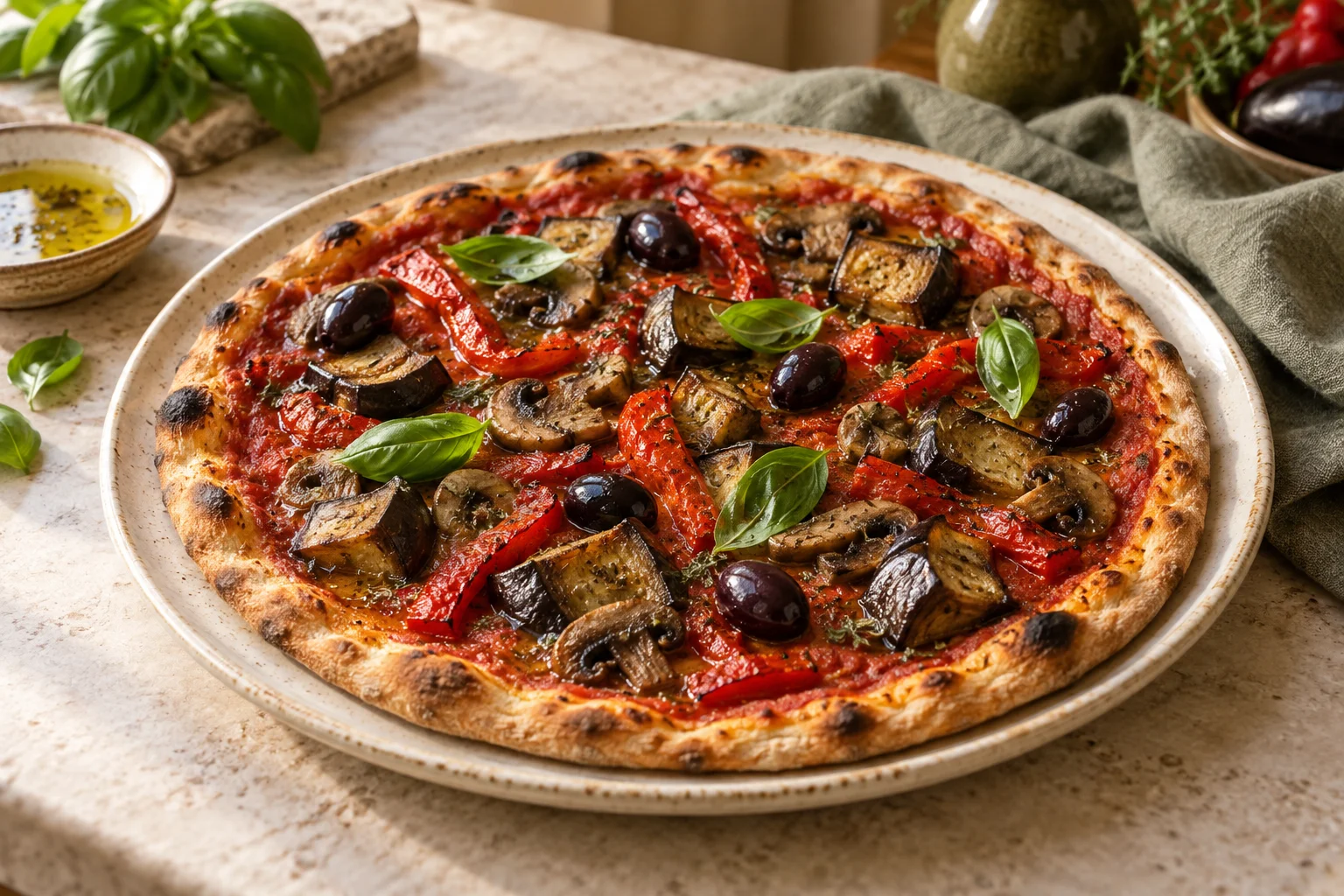
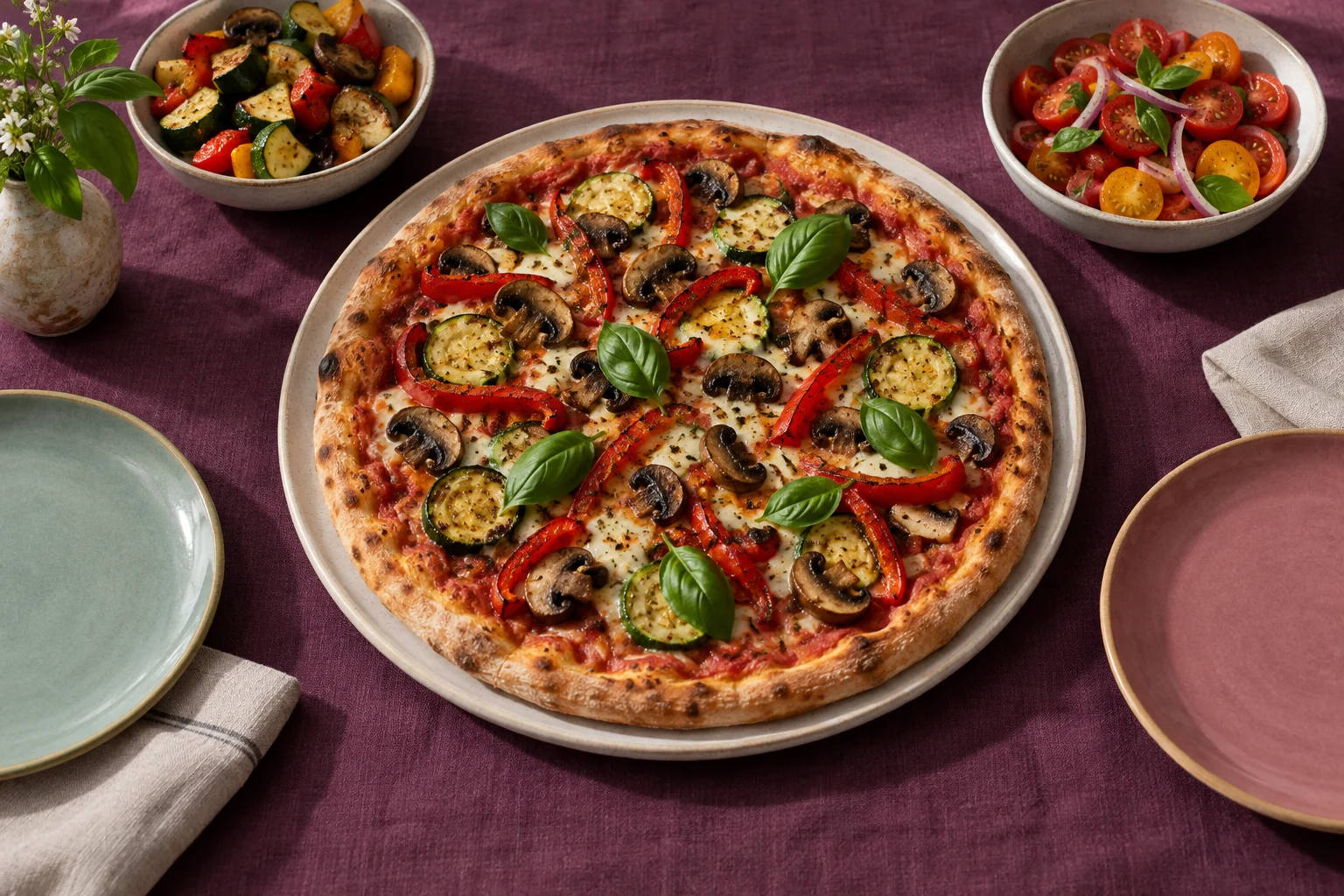
A good vegan pizza combines a properly baked base, flavourful vegetables and toppings whose moisture suits the oven. You can make it with or without plant-based cheese. This guide explains how to choose and prepare ingredients, then combine them into a pizza that is easy to slice and enjoyable to eat.
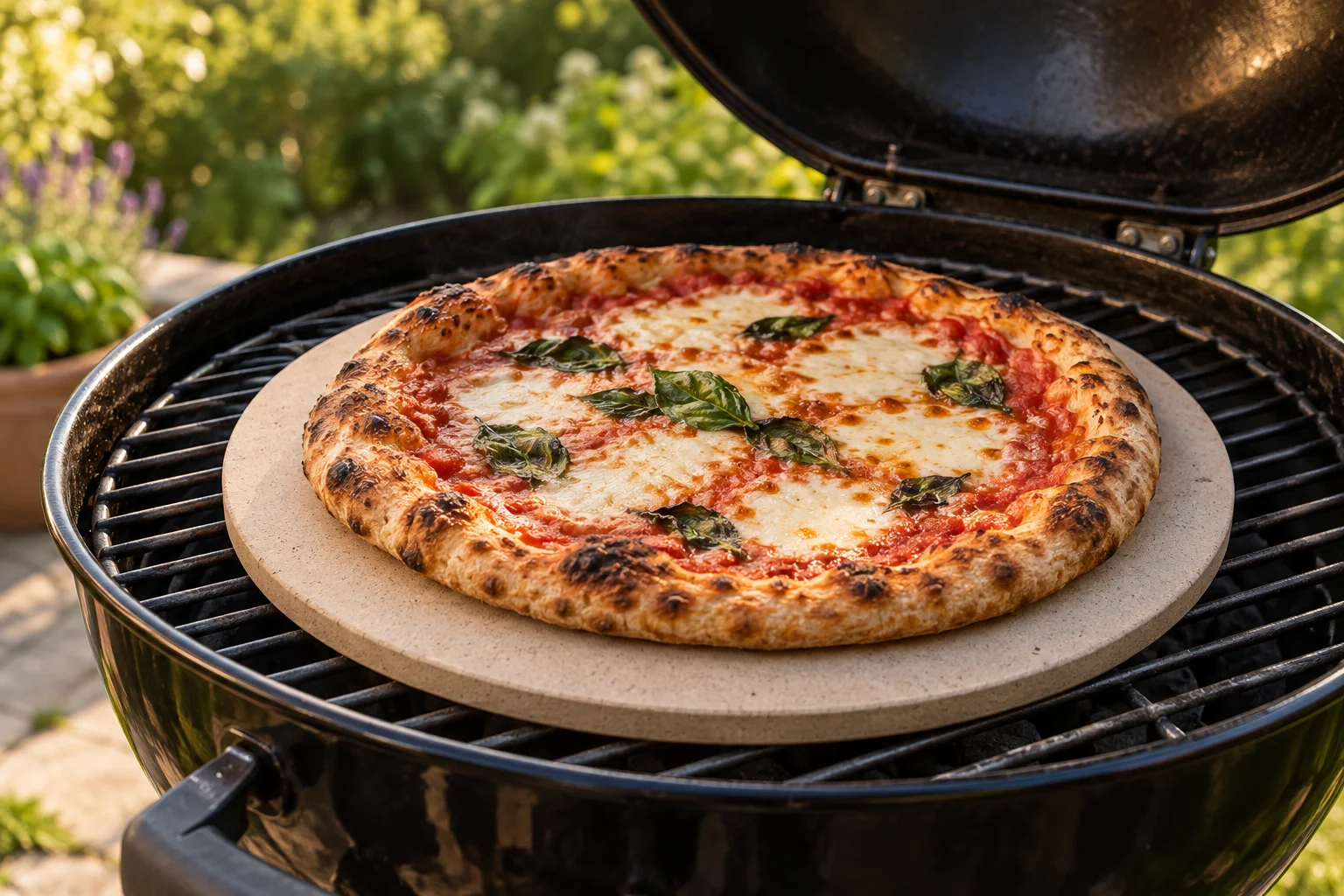
You can bake pizza on a suitable stone in a barbecue, or cook the dough directly on the grate before adding toppings. Both methods can produce a good crust, but they require different sequences. The key is to give the base enough heat while allowing the topping to finish at the right time.
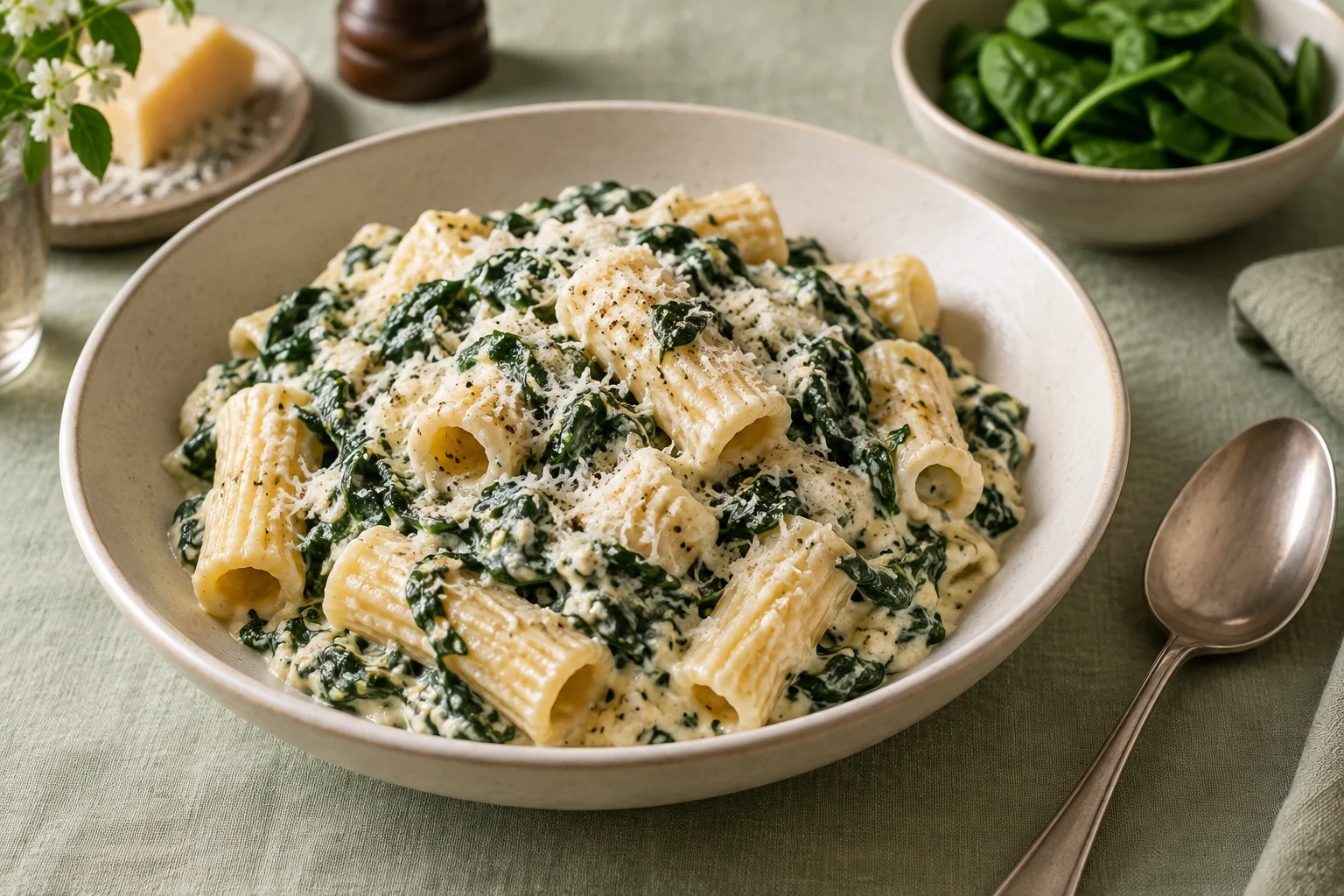
Spinach and ricotta make a mild sauce for two portions of rigatoni. The spinach stays finely chopped, and the sauce needs only gentle heat.
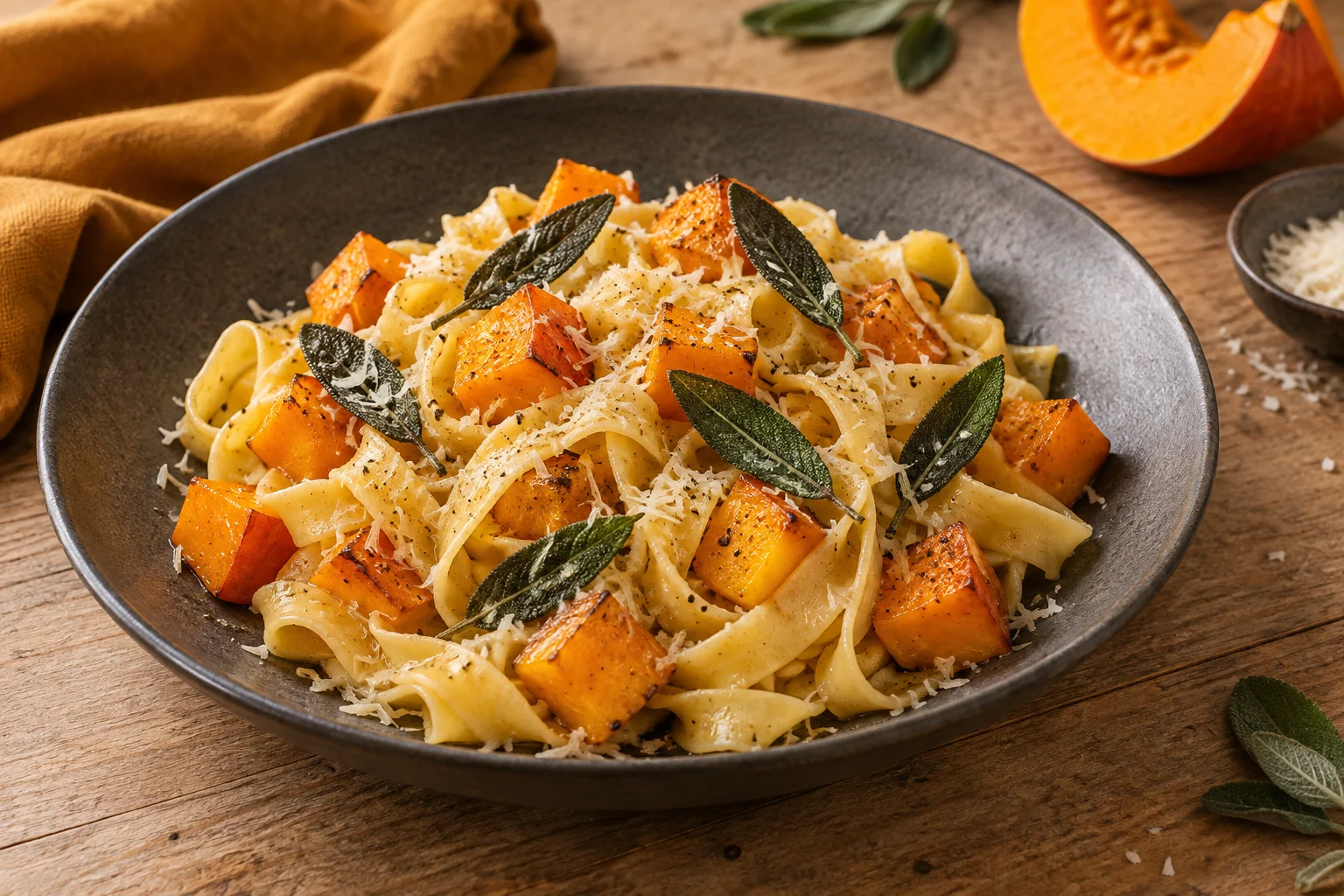
Roasted pumpkin, sage butter and a little Parmesan make an autumnal pasta for two. This version uses no cream, pear or additional nuts.
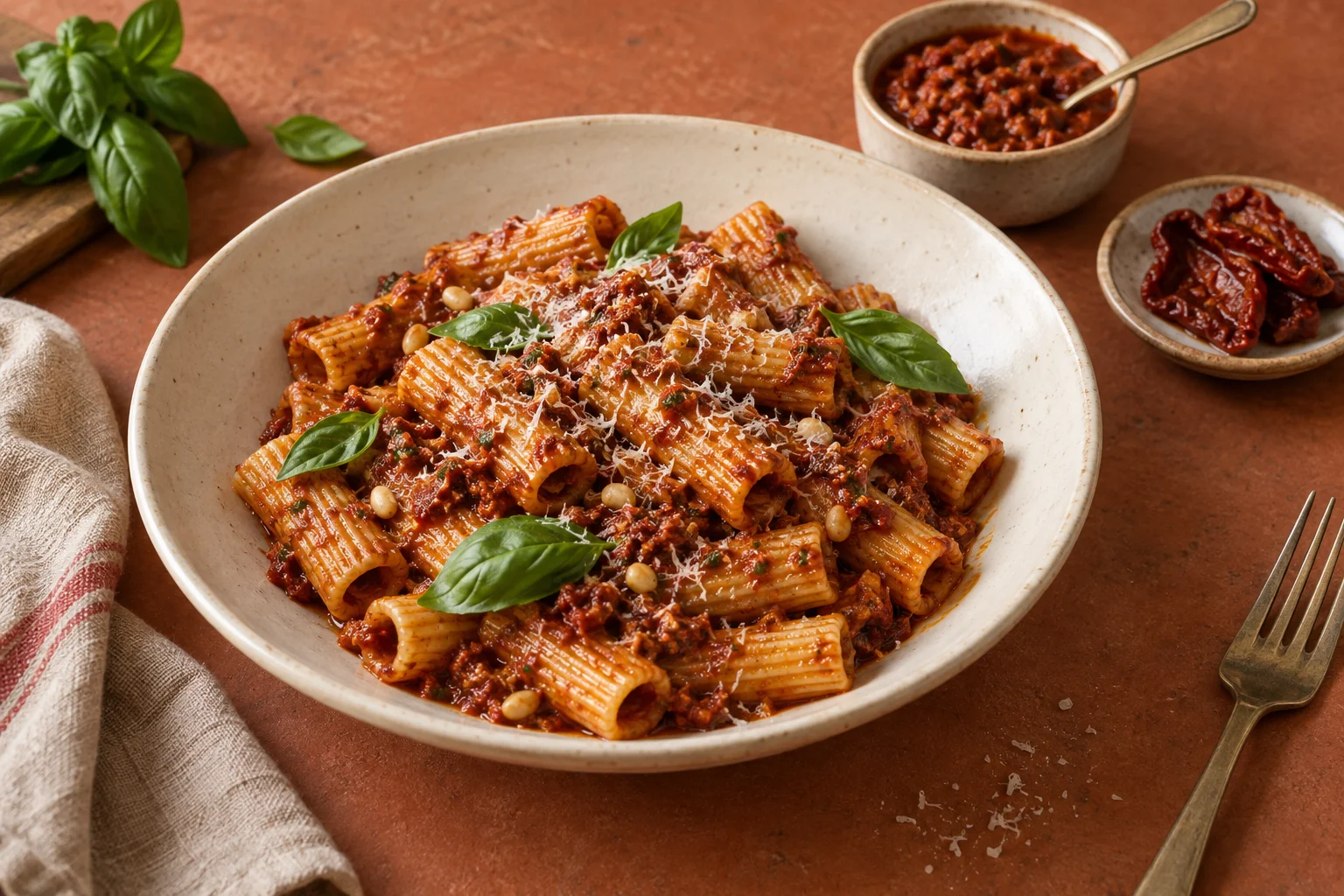
Sun-dried tomatoes, pine nuts and Parmesan make an intensely flavoured red pesto. Pasta water turns it into a sauce for two portions of rigatoni.
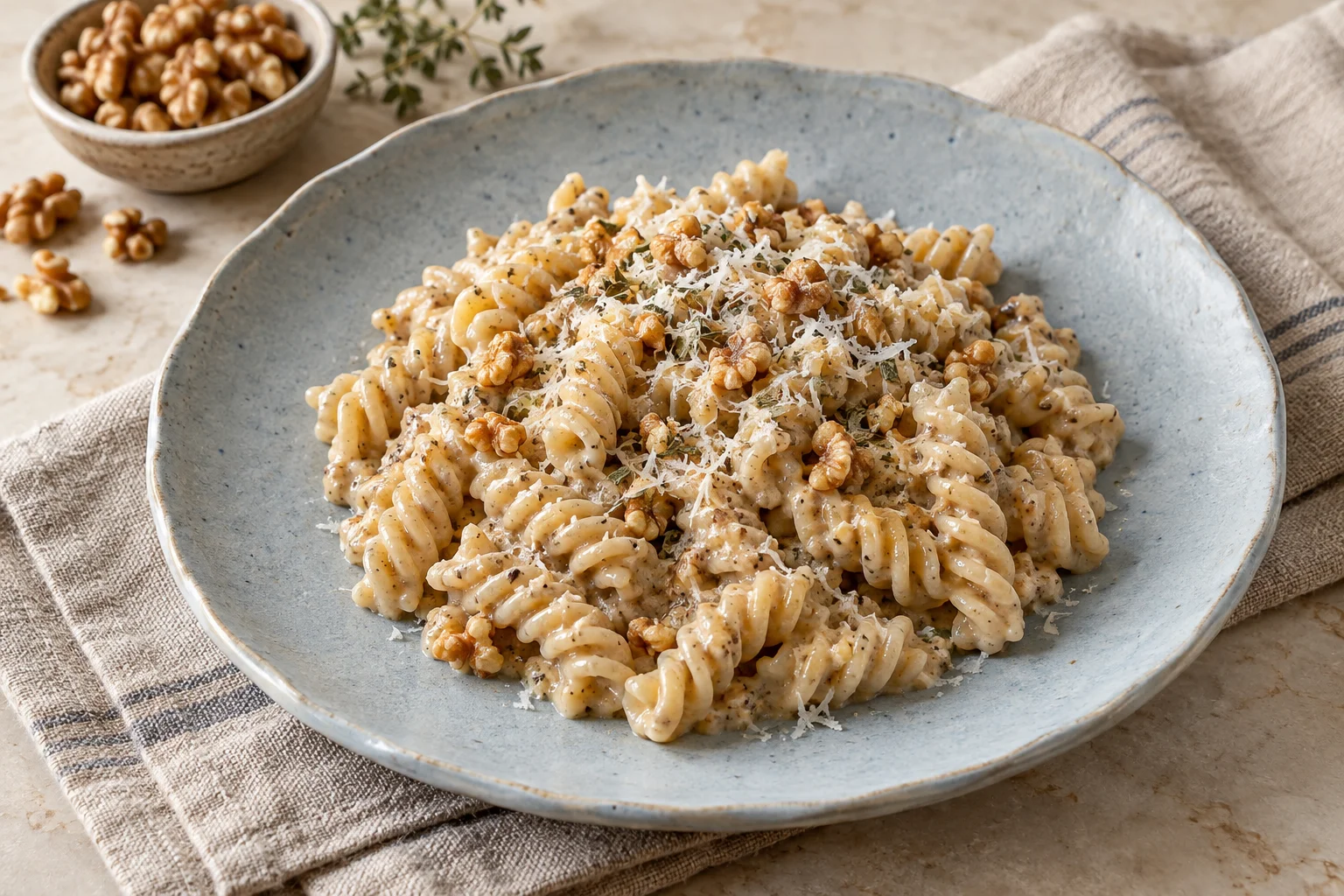
Walnuts, soaked bread and a little Parmesan make a pale sauce for two portions of fusilli. Blend it cold, then combine it with the hot pasta.
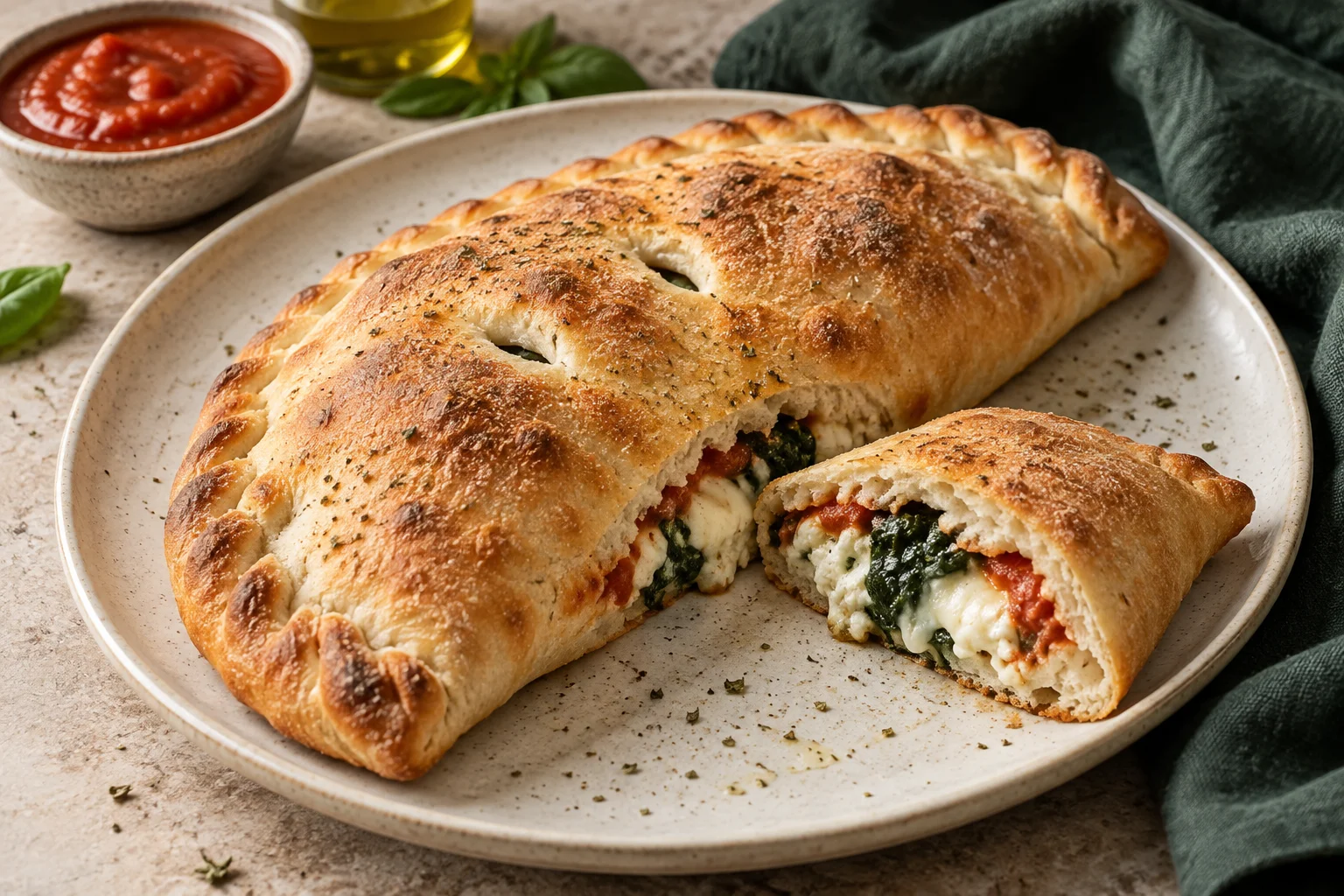
A calzone encloses sauce, cheese and other ingredients inside a folded pizza dough shell. A juicy filling and a fully baked base depend on how you prepare the ingredients, close the edge and manage the oven. This guide includes a household oven method and a filling example with ricotta, mozzarella and spinach.
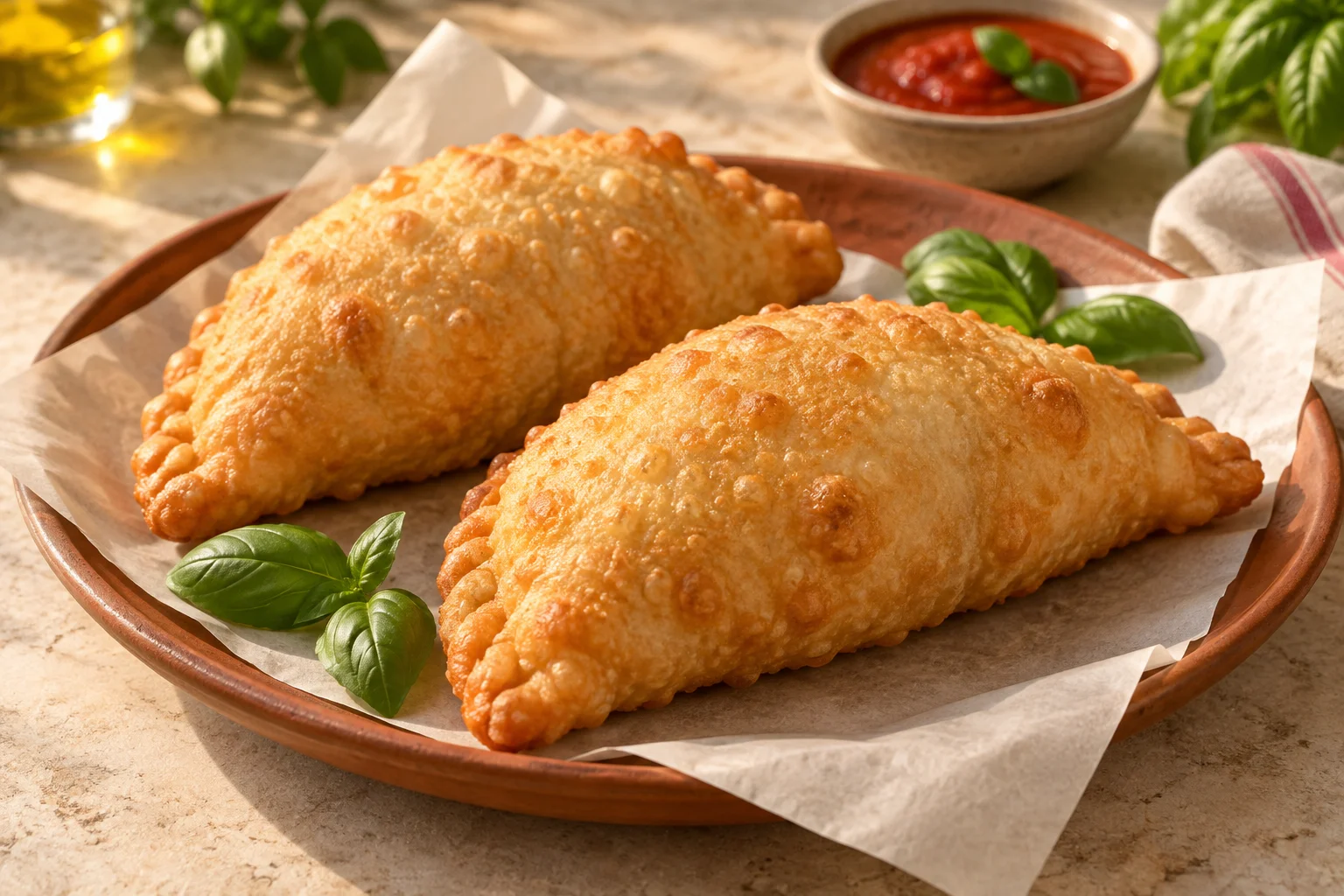
Pizza fritta develops its golden shell in hot oil. For a filled version, you need a sealed dough edge, a moderate amount of filling and controlled heat. This guide covers small half-moon pockets with ricotta, mozzarella and tomato, from shaping and frying to checking the centre and serving.
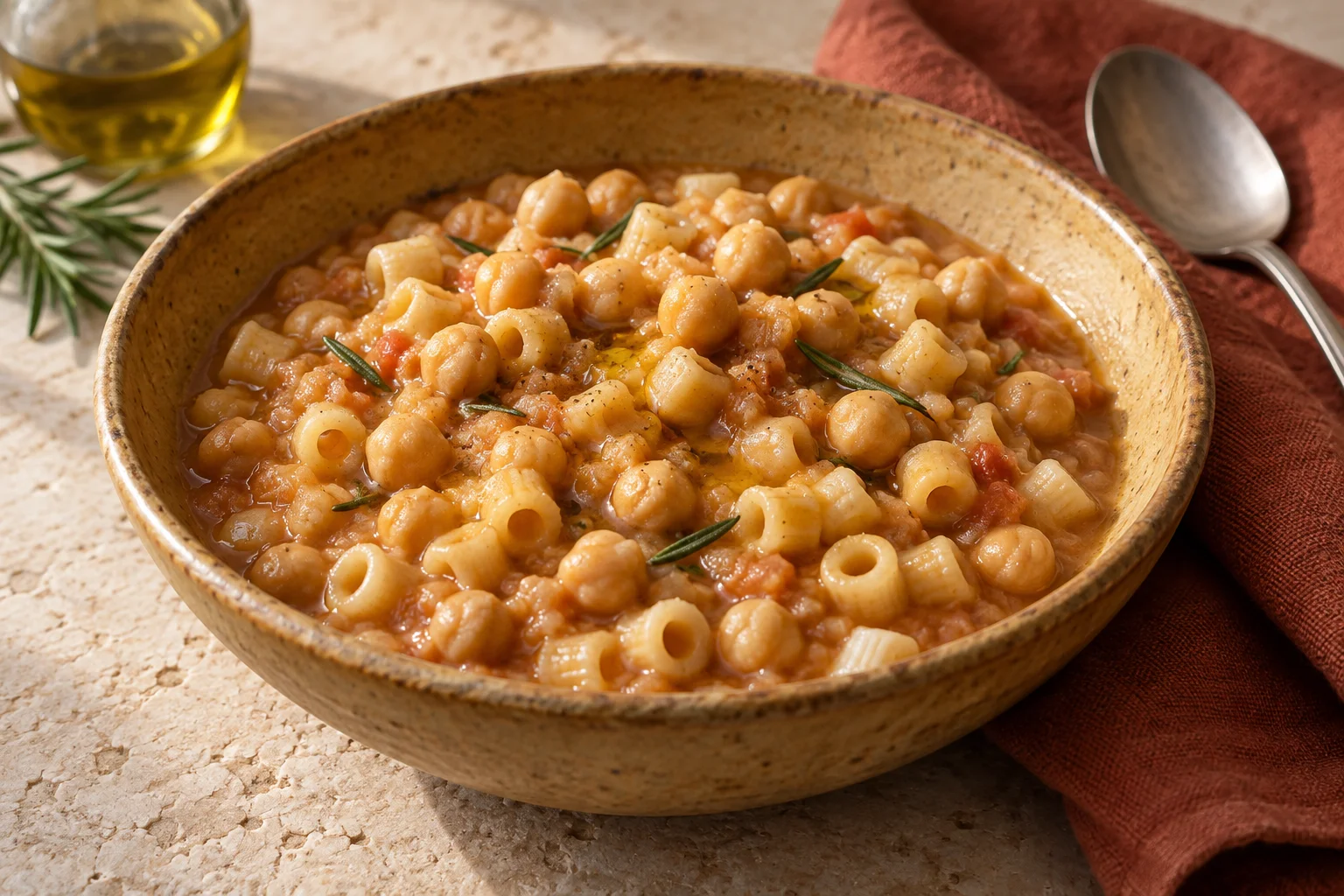
Small pasta and chickpeas cook together in one saucepan. Some of the chickpeas are mashed to thicken the sauce, without cream or cheese.
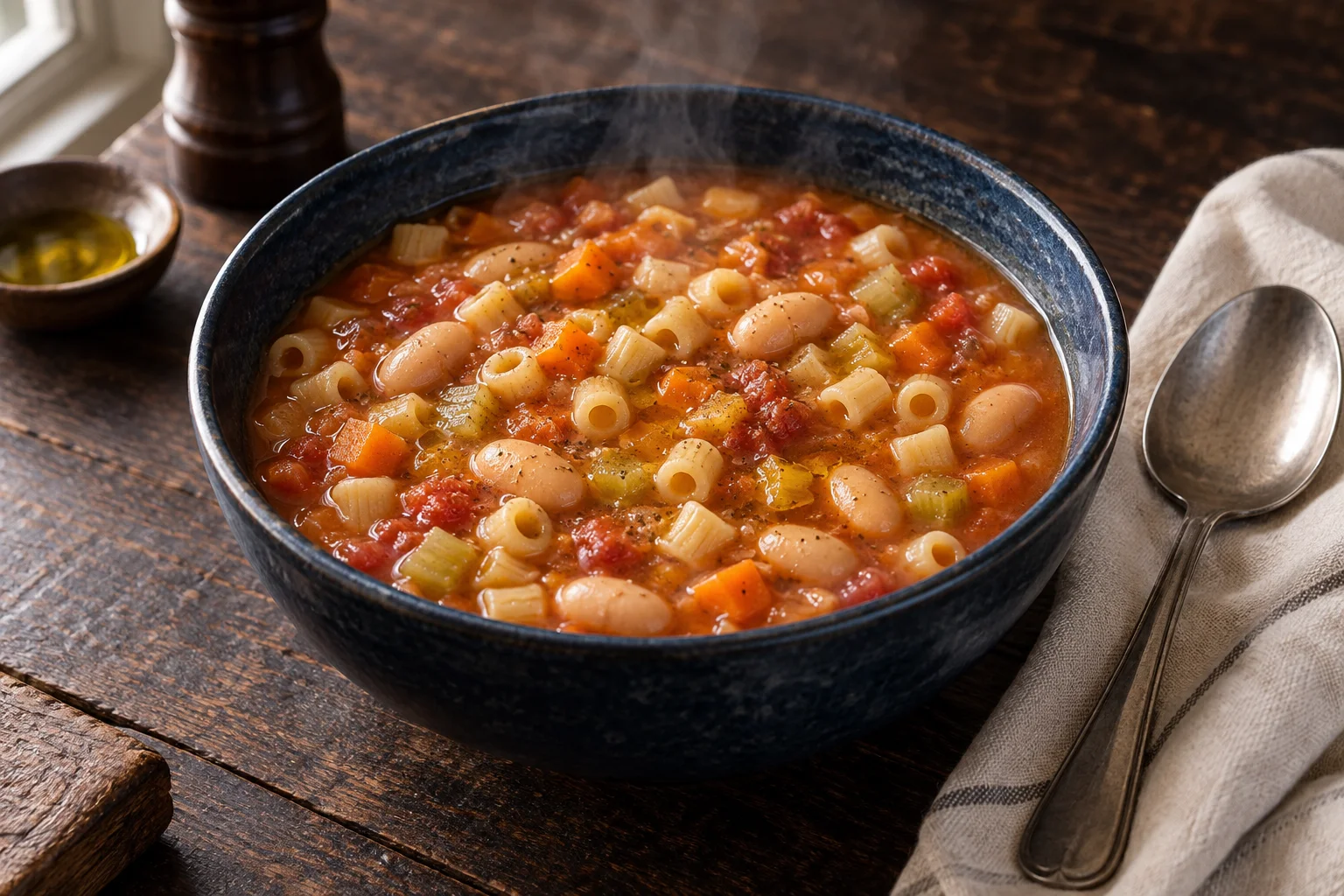
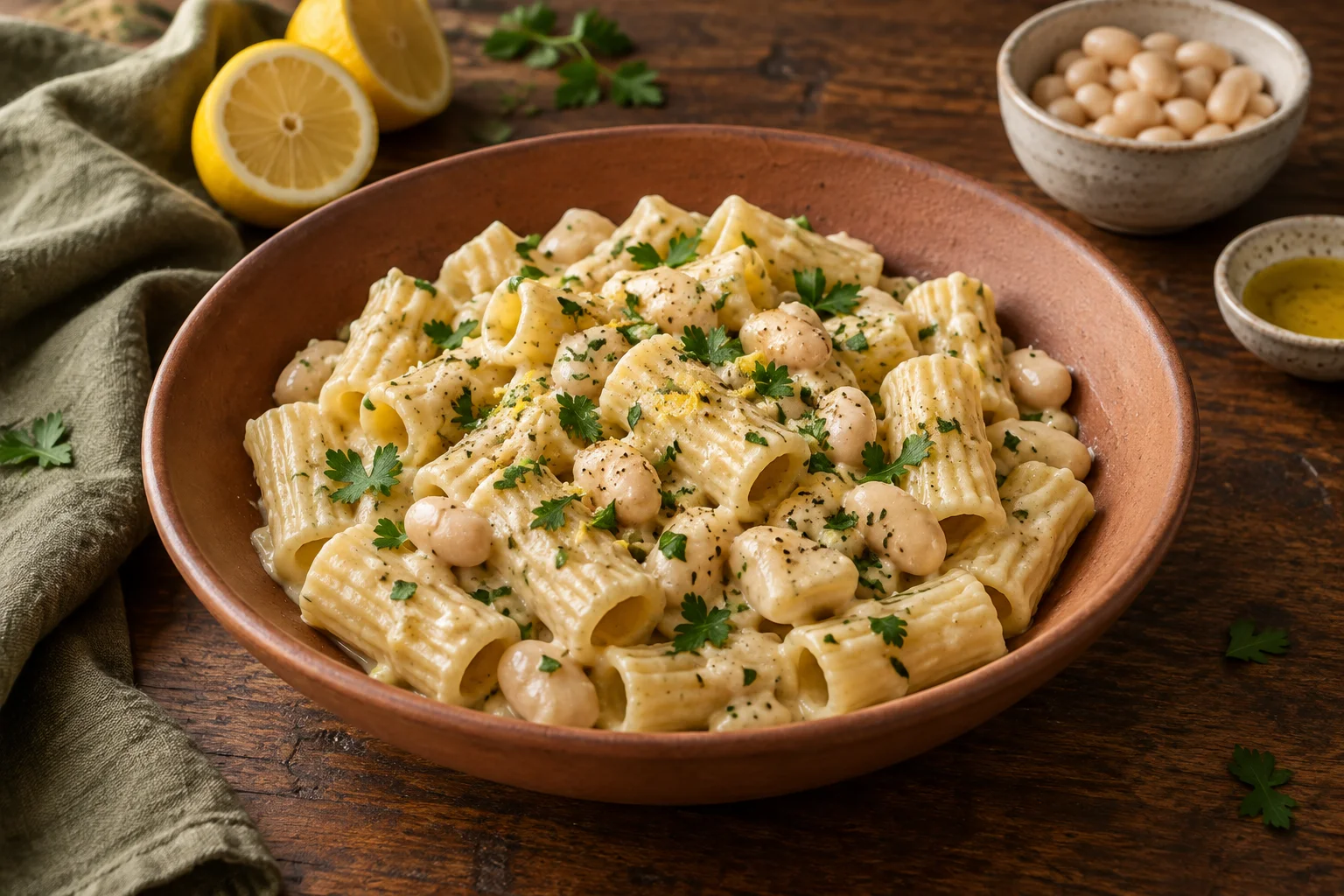
White beans, short pasta and finely diced vegetables make a thick, spoonable meal for two. Tomato and bay give this version its flavour.
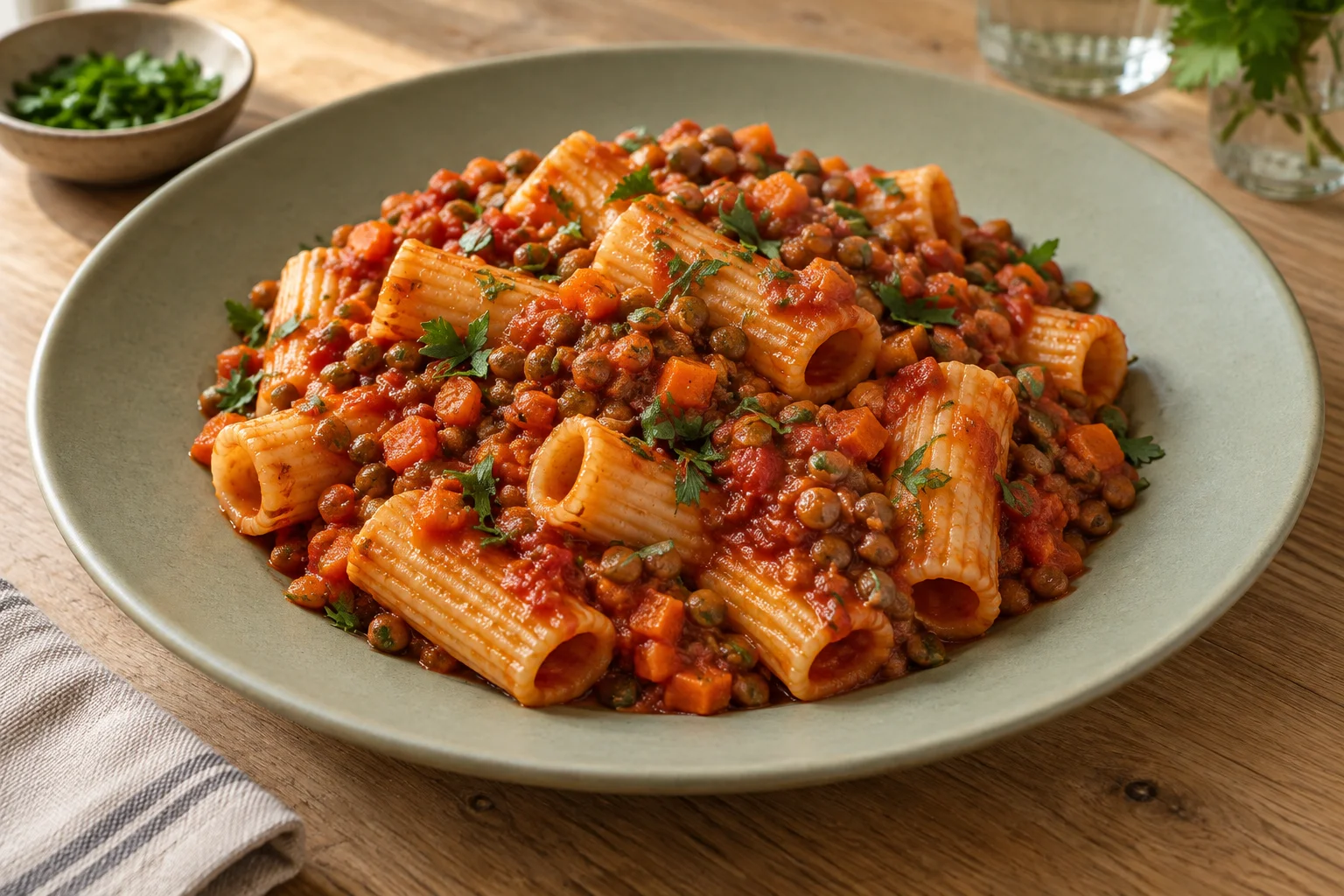
Cooked brown or green lentils give this tomato sauce a chunky, substantial texture. Cook the rigatoni separately and combine them with the sauce at the end.
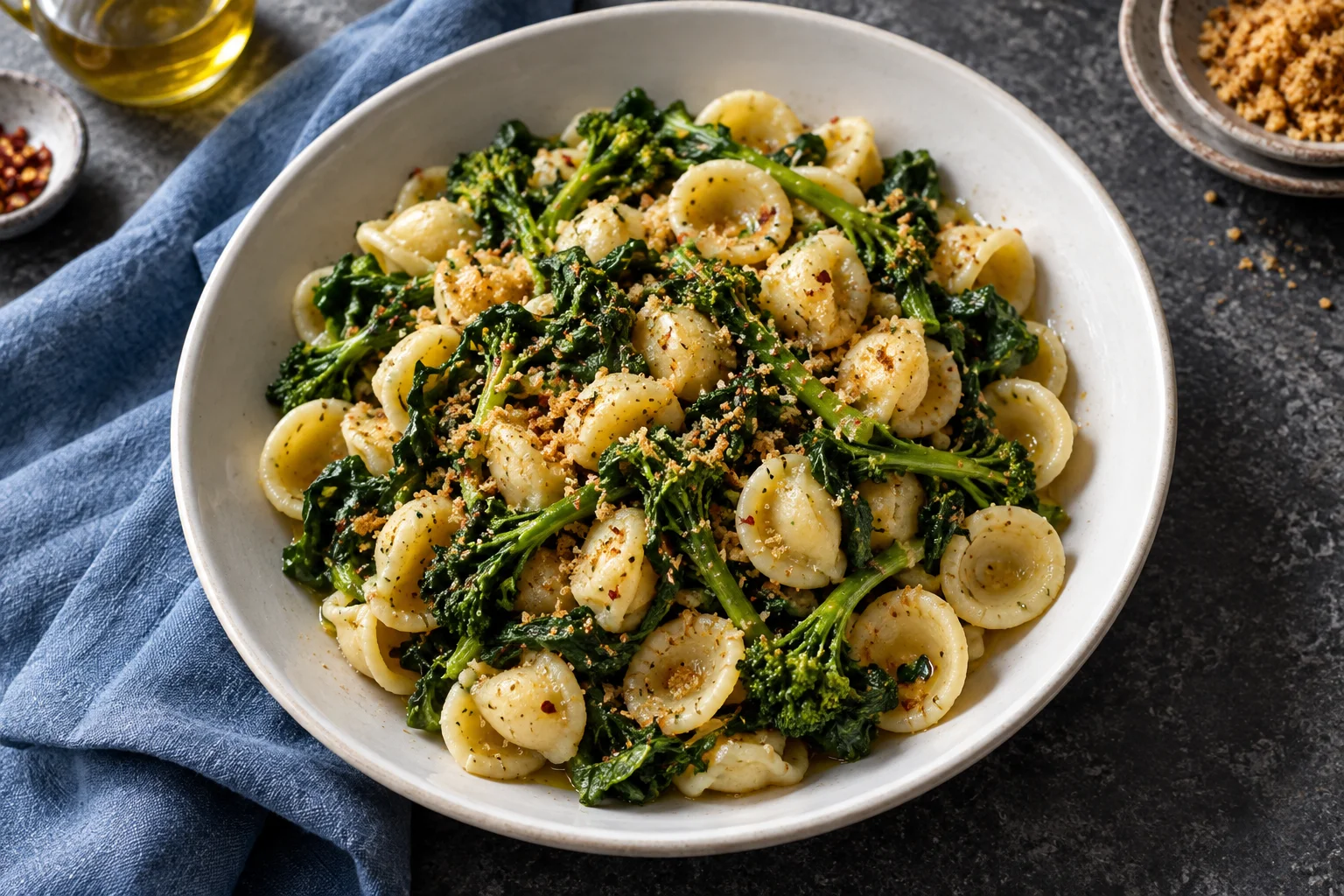
Tender broccoli rabe leaves and flower buds combine with orecchiette, garlic and anchovy oil. Toasted breadcrumbs are added only when the pasta reaches the plate.
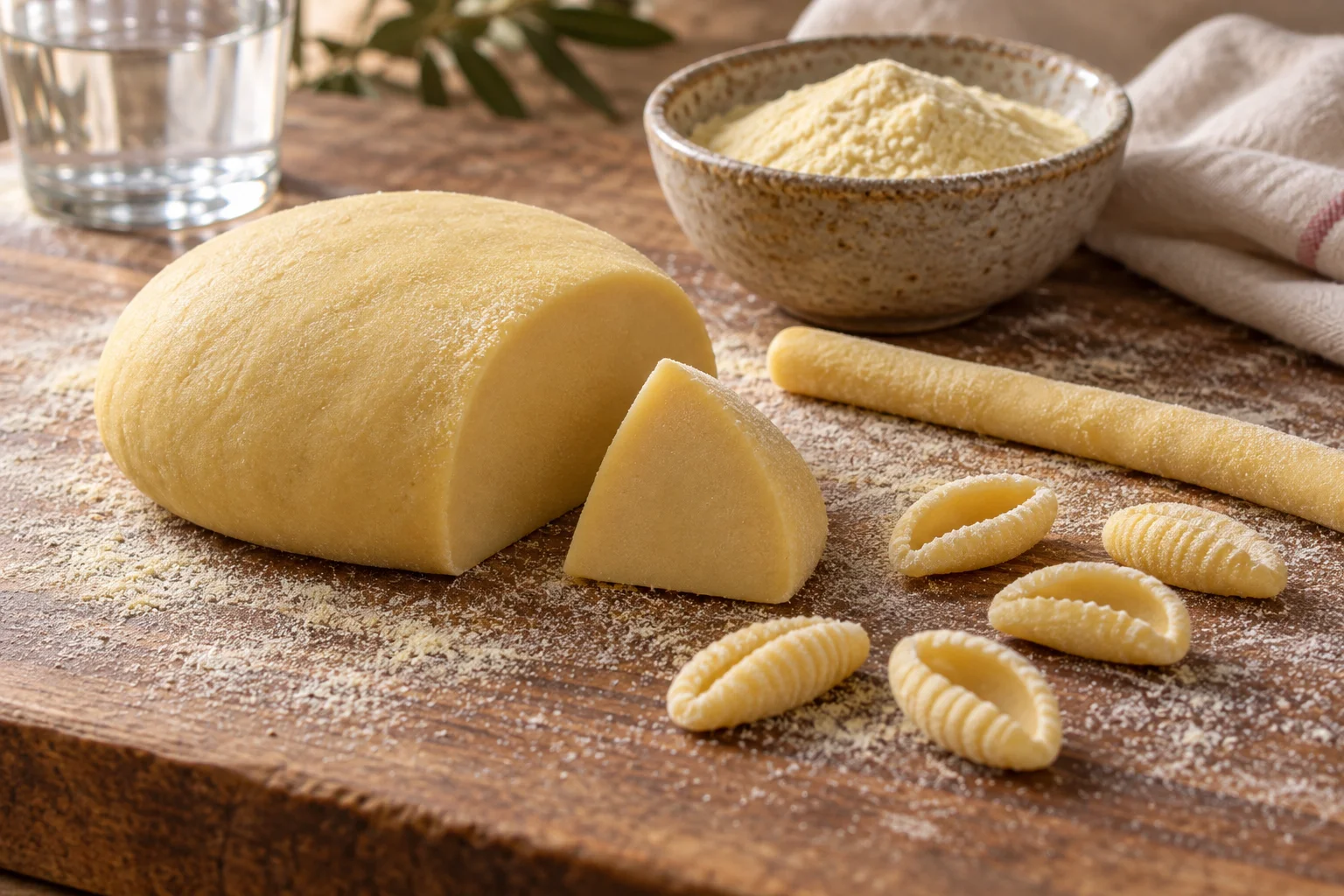
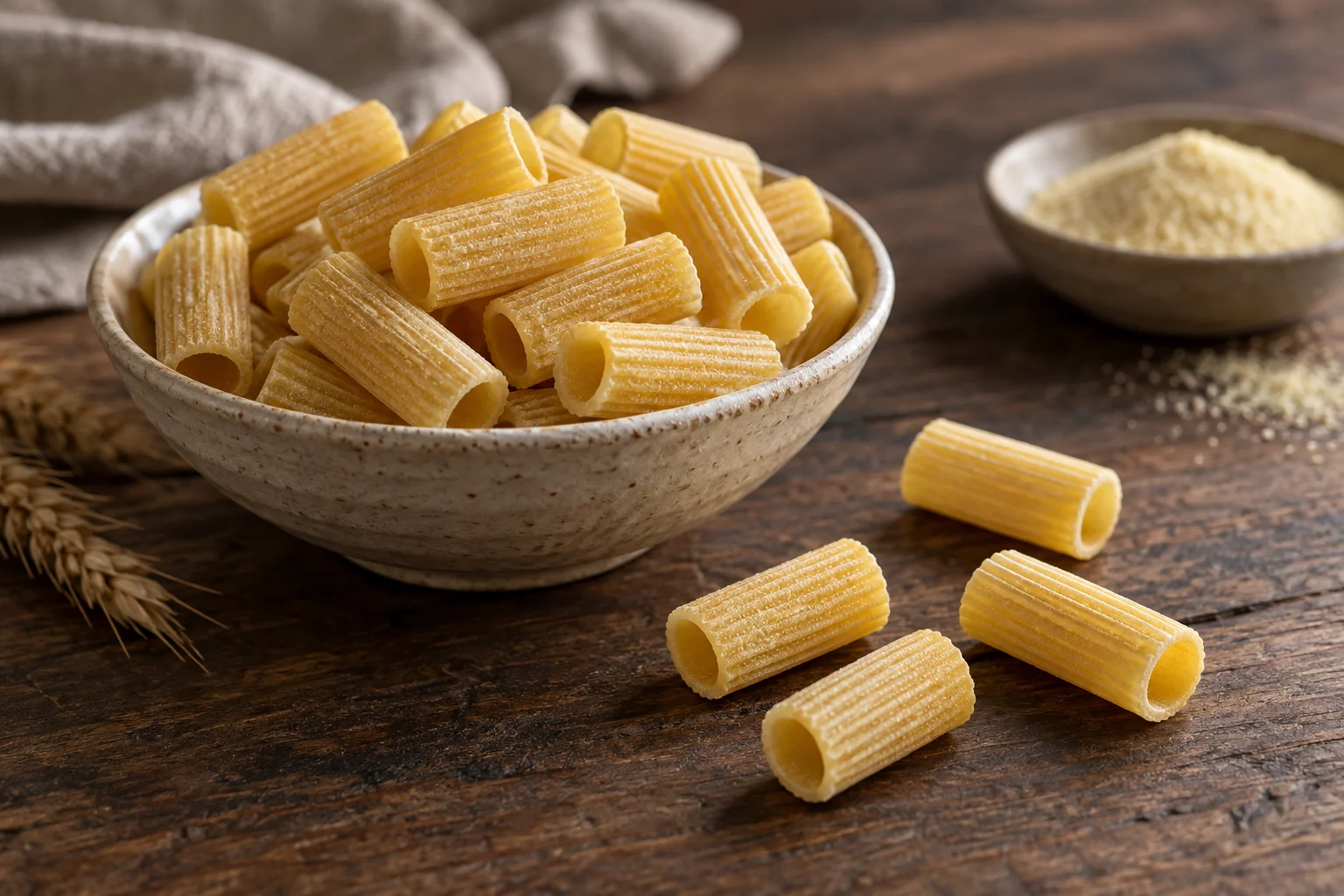
Finely milled durum wheat and water can make a firm dough that holds hand-shaped pasta well. The particular flour matters, as does the feel of the dough after kneading and resting. Here is how to read the packet and match water, handling and pasta shape to the ingredients you have.
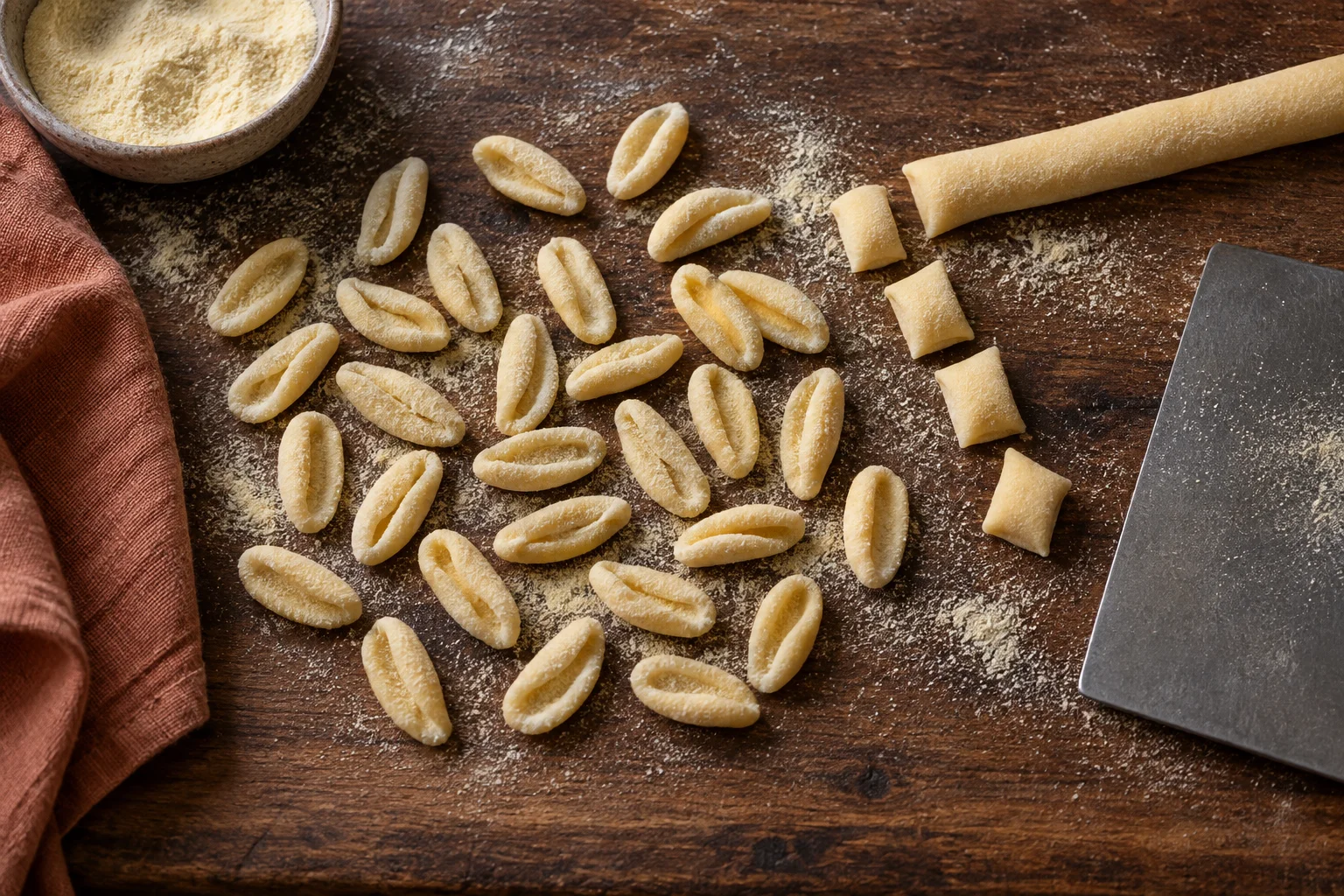
Fresh pasta does not always need eggs or a pasta machine. A firm dough made from finely milled durum wheat and water can become small cavatelli or hand-rolled strands. This method takes you through a manageable batch, shaping pieces evenly and bringing them to the table with a prepared sauce.
Good egg pasta starts with weighed ingredients. Here is how to choose a workable ratio, adjust the dough and roll even sheets for ribbon pasta.
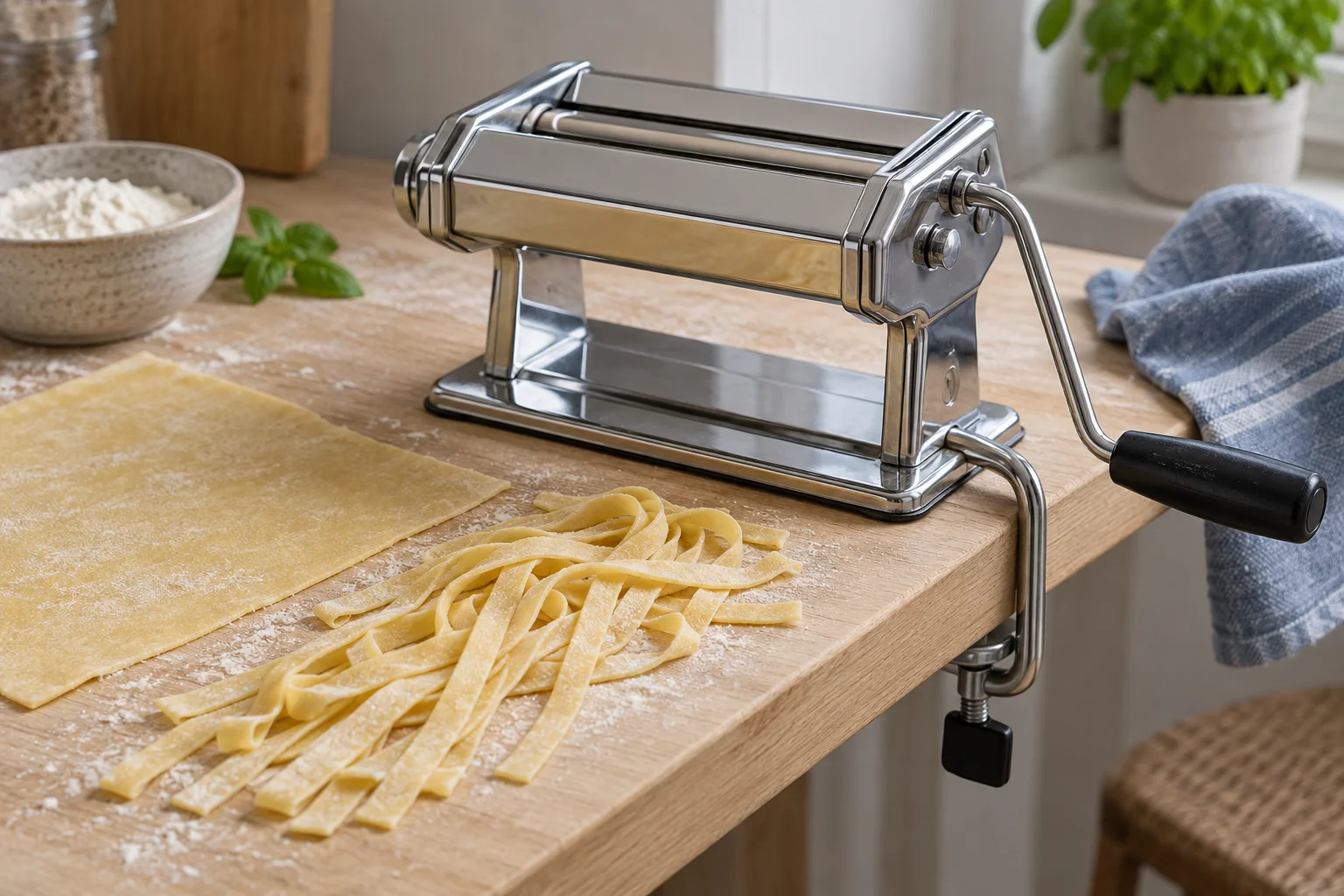
Small dough portions and gradually narrower rollers help you make even pasta sheets. Follow this guide to preparation, handling and correcting common problems.
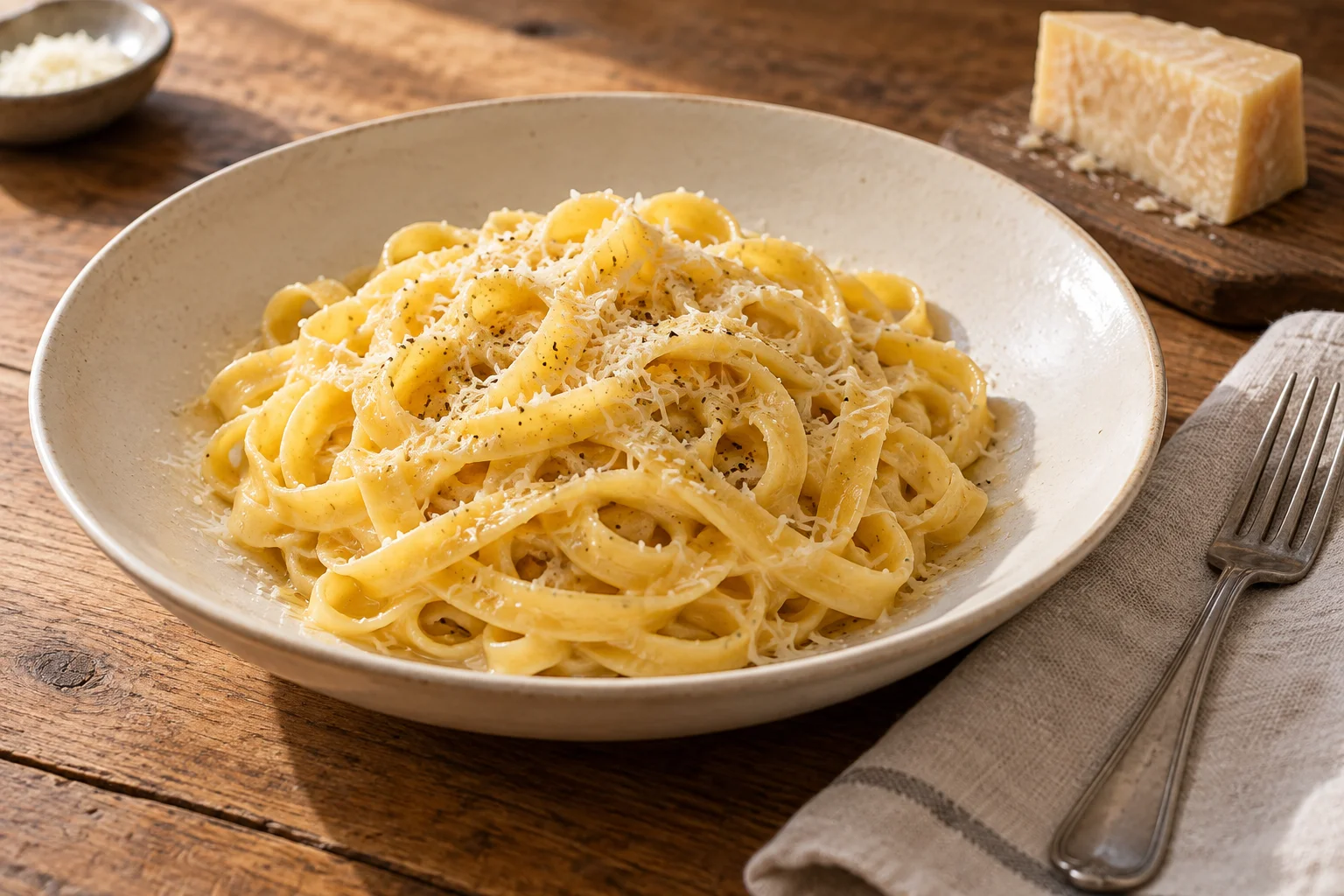
Warm egg noodles, soft butter and finely grated Parmesan combine with a little cooking water into a glossy sauce. Keep the mixture off the heat.
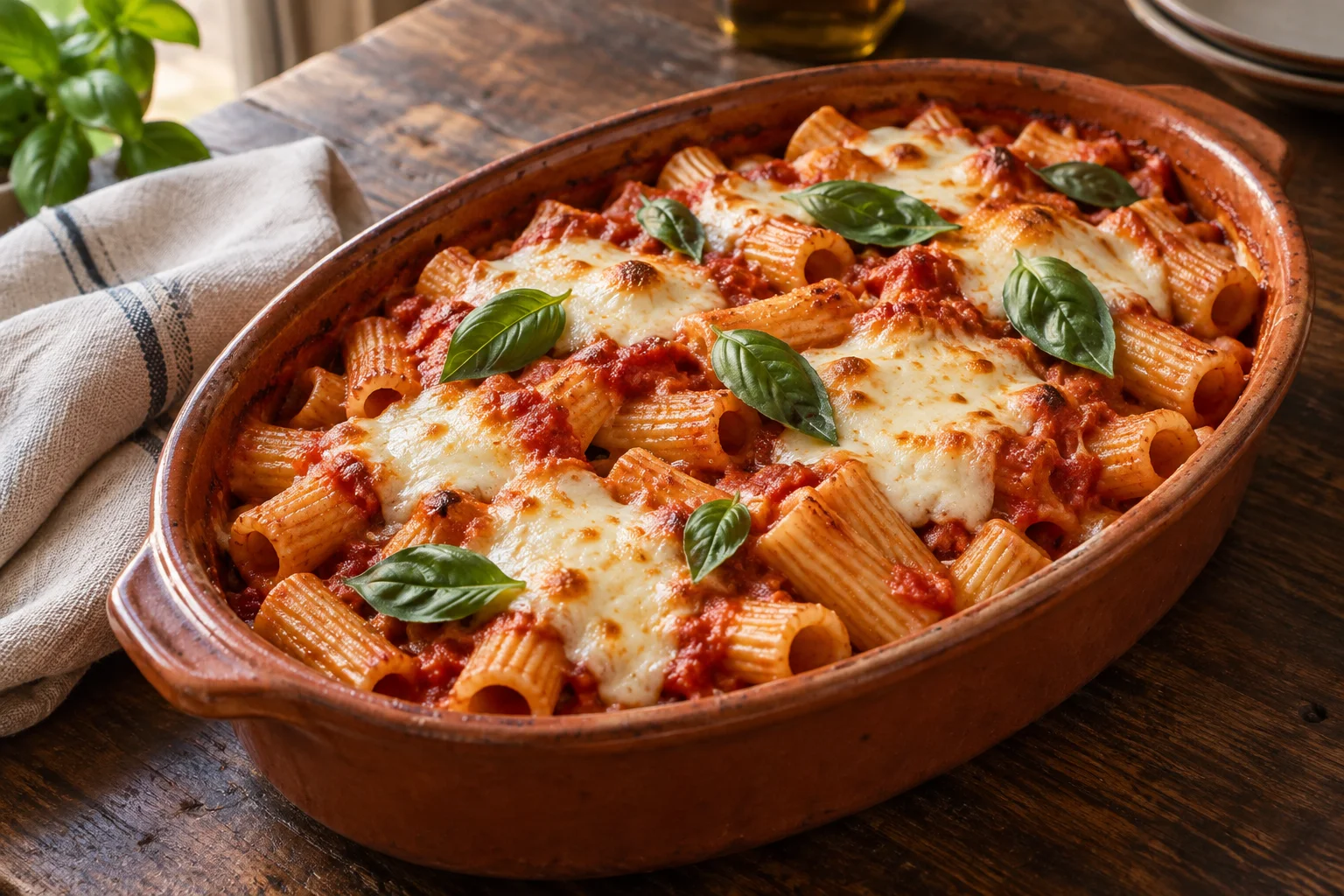
Partly cooked rigatoni go into the oven with tomato sauce and mozzarella. The pasta stays moist inside while the cheese develops golden patches on top.
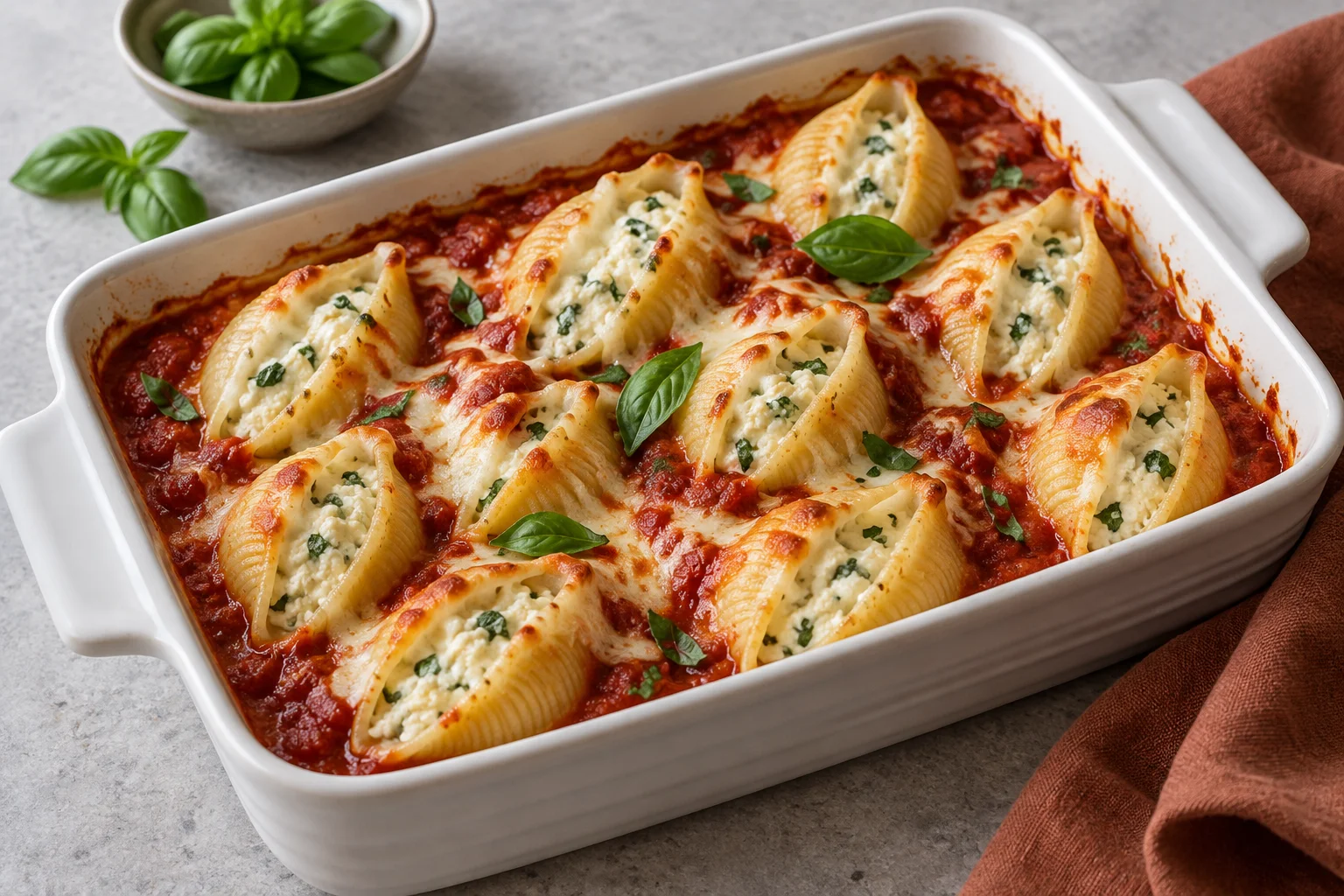
Large pasta shells hold a pale ricotta filling. Tomato sauce keeps them moist during baking, while a little mozzarella gives the top golden patches.
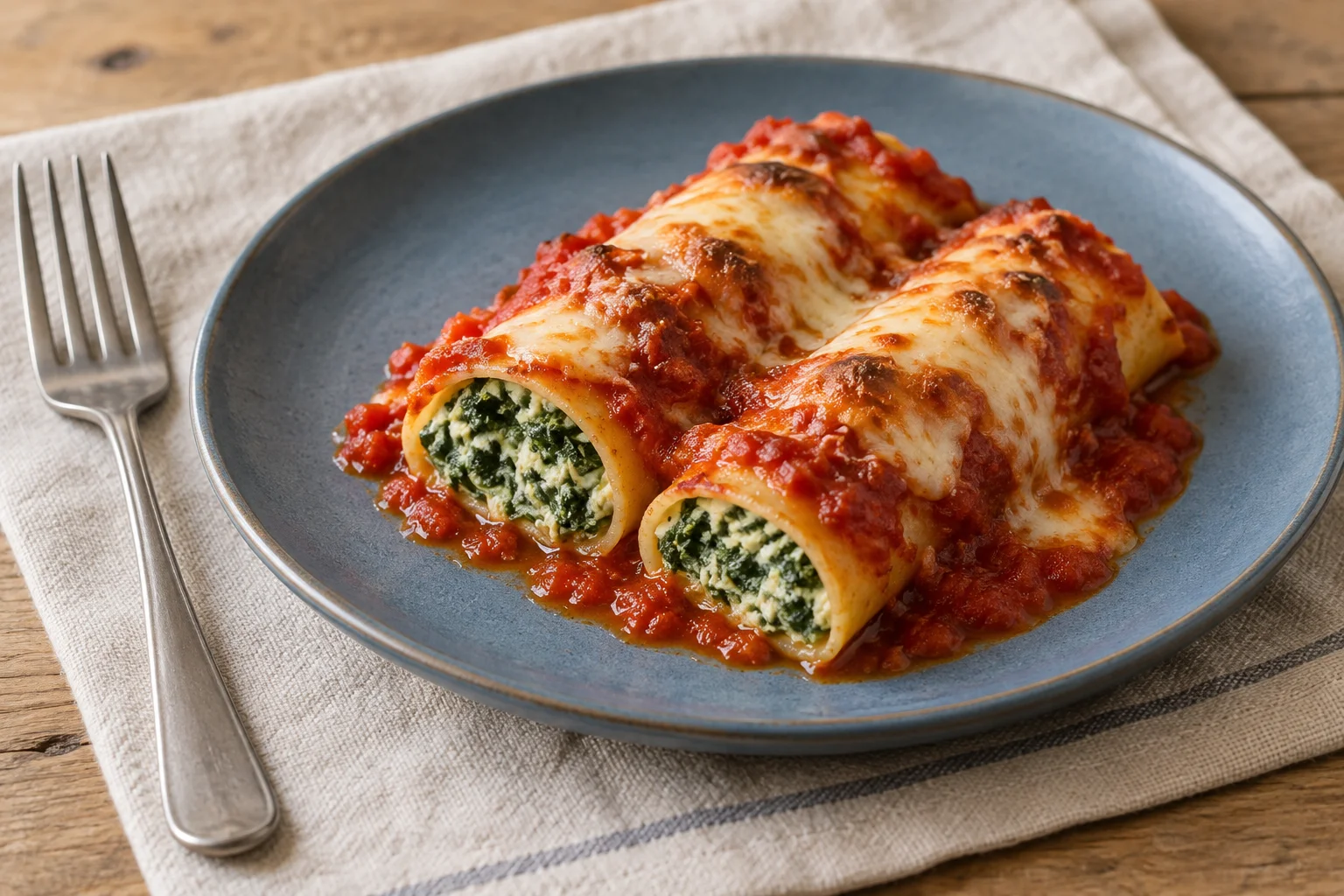
Uncooked cannelloni are filled with spinach and ricotta, then surrounded completely by tomato sauce. Add mozzarella only for the final part of baking.
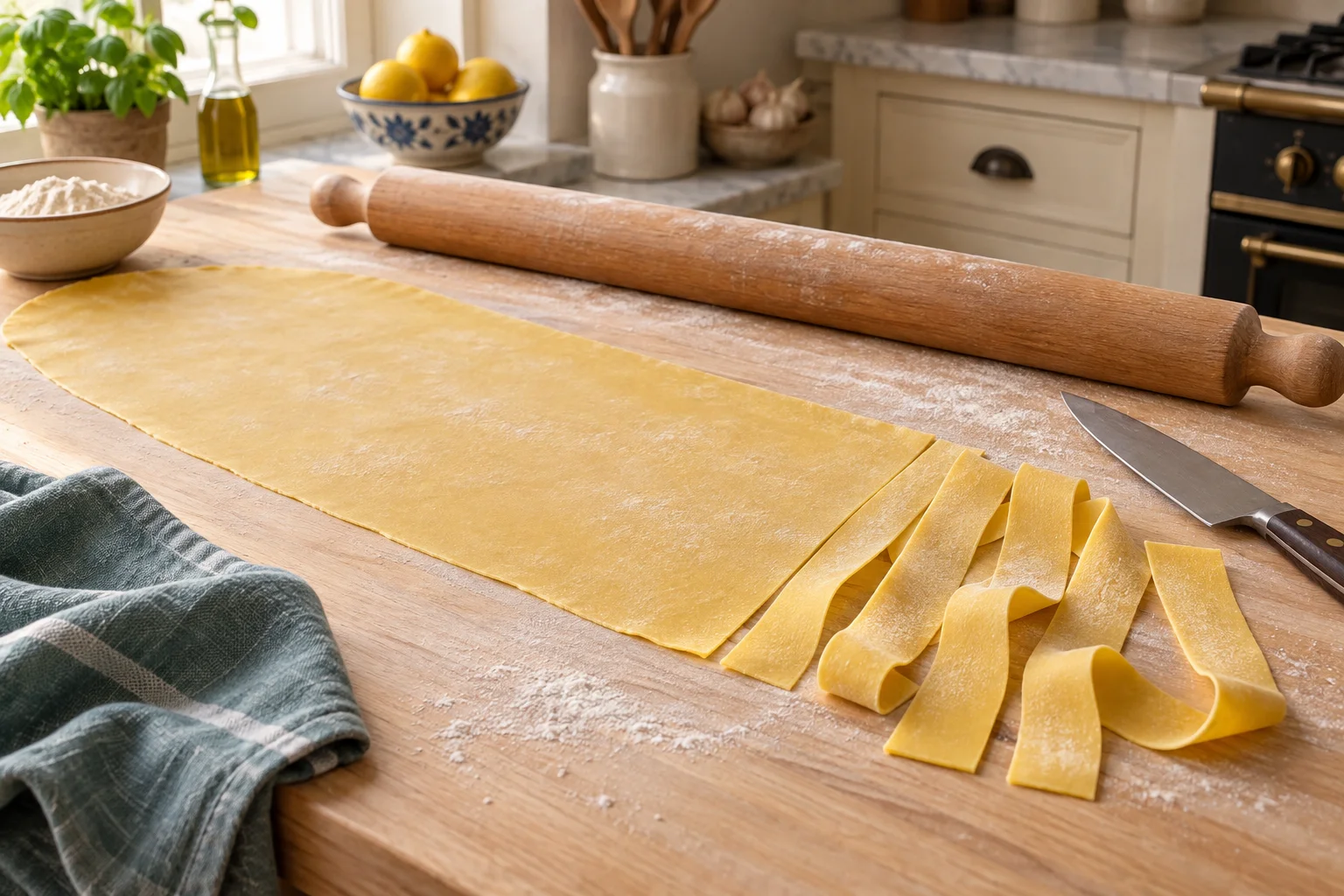
A rolling pin, a clear work surface and a knife are enough to make fresh ribbon pasta. Small pieces of dough, regular turning and timely rests make thin rolling easier. This method takes you from a weighed egg dough to broad noodles for two people.
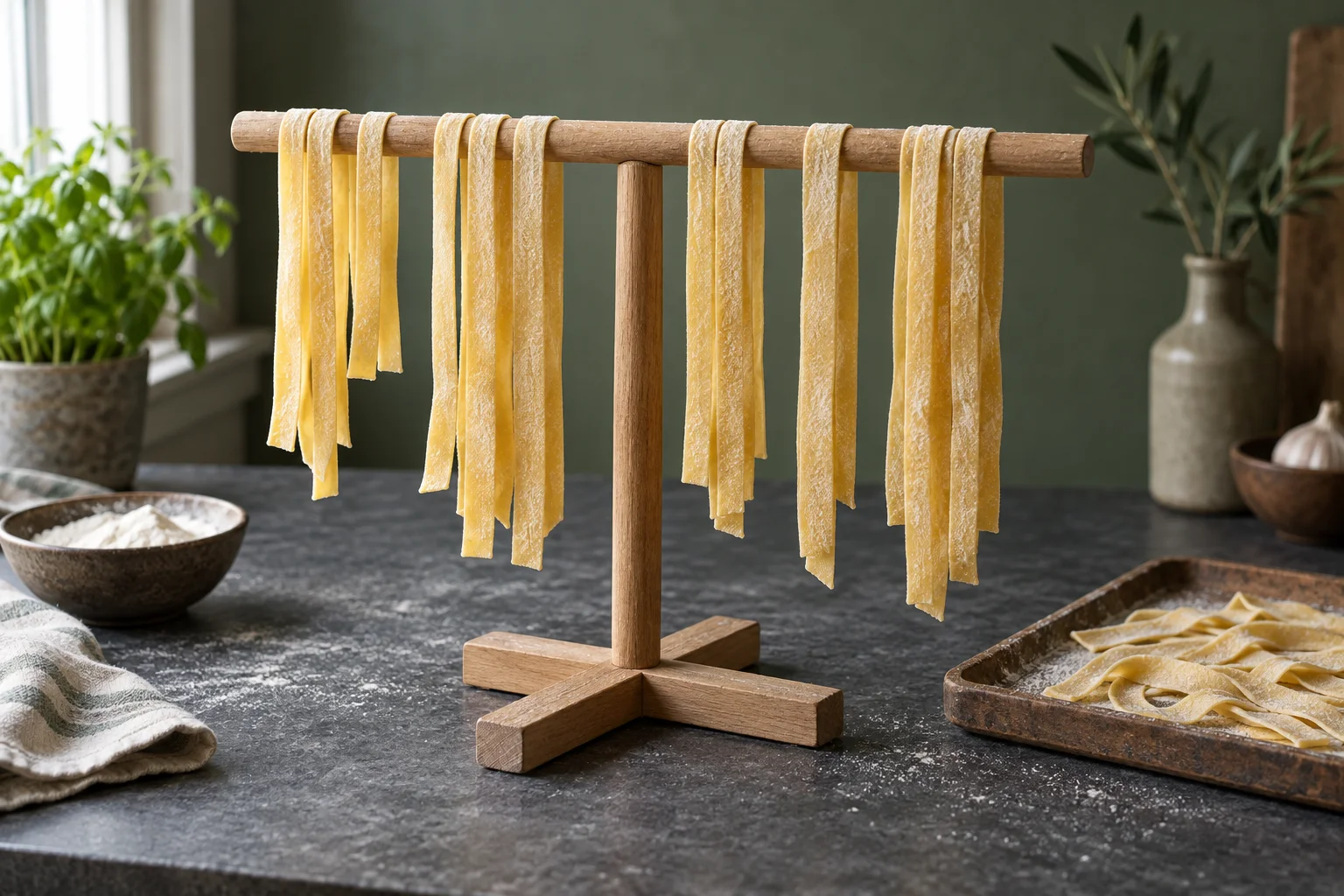
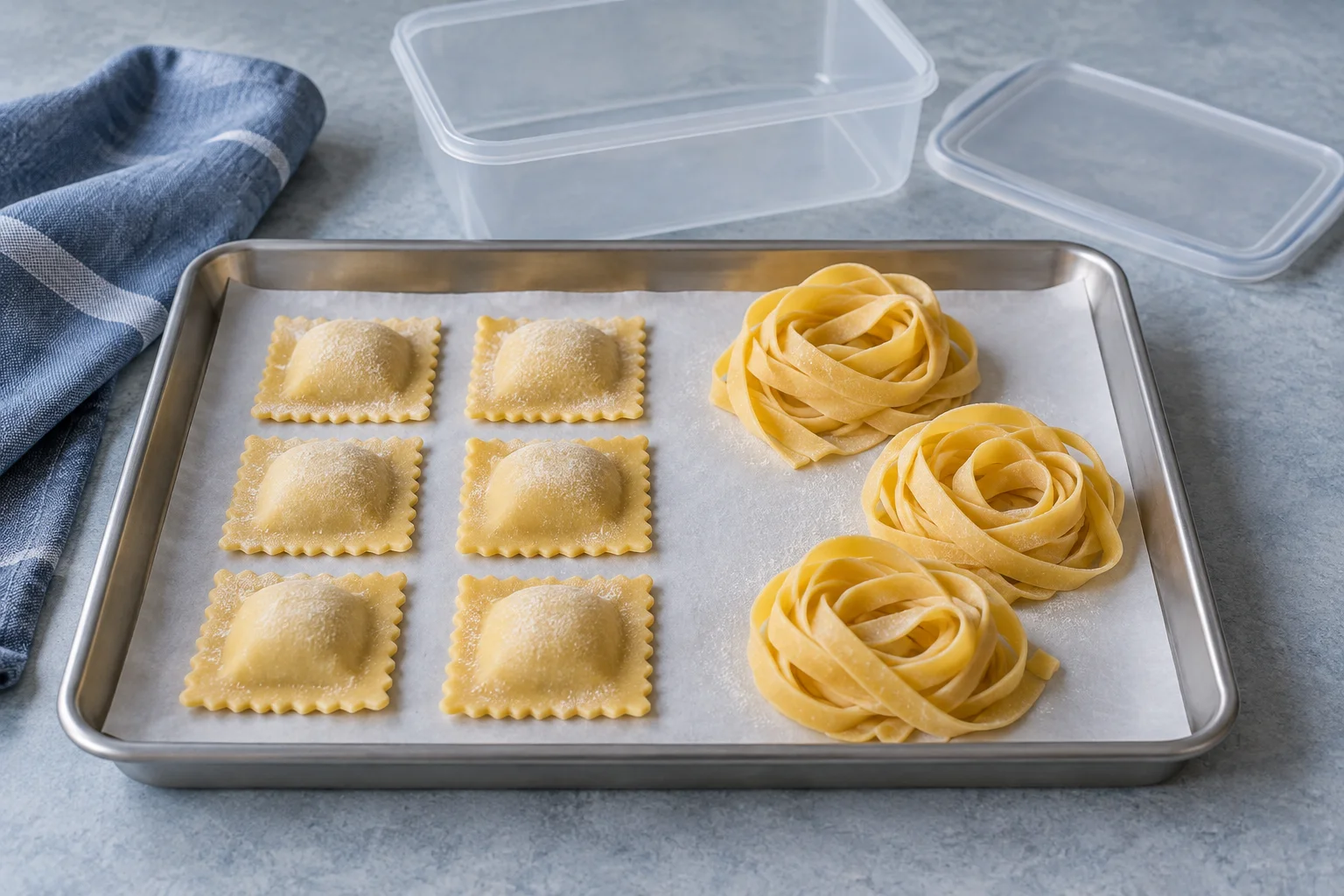
Briefly drying a pasta sheet can make it easier to cut. It does not yet make shelf-stable dried pasta. Learn how to prepare the surface for handling, choose a suitable tray or rack and store fresh pasta for another meal.
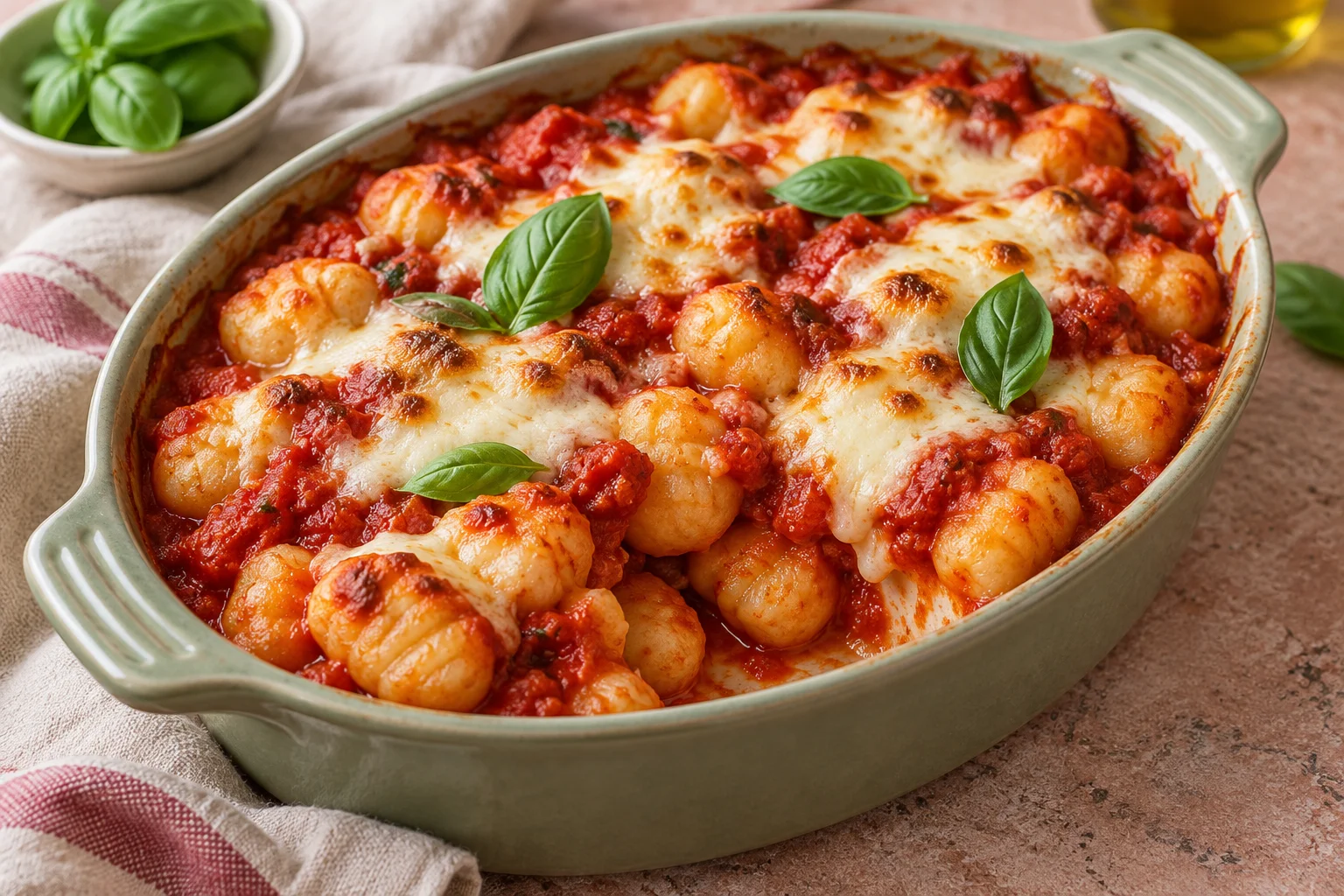
Soft potato gnocchi meet tomato sauce, melted mozzarella and fresh basil. Using ready-made gnocchi, this small bake takes about 45 minutes.
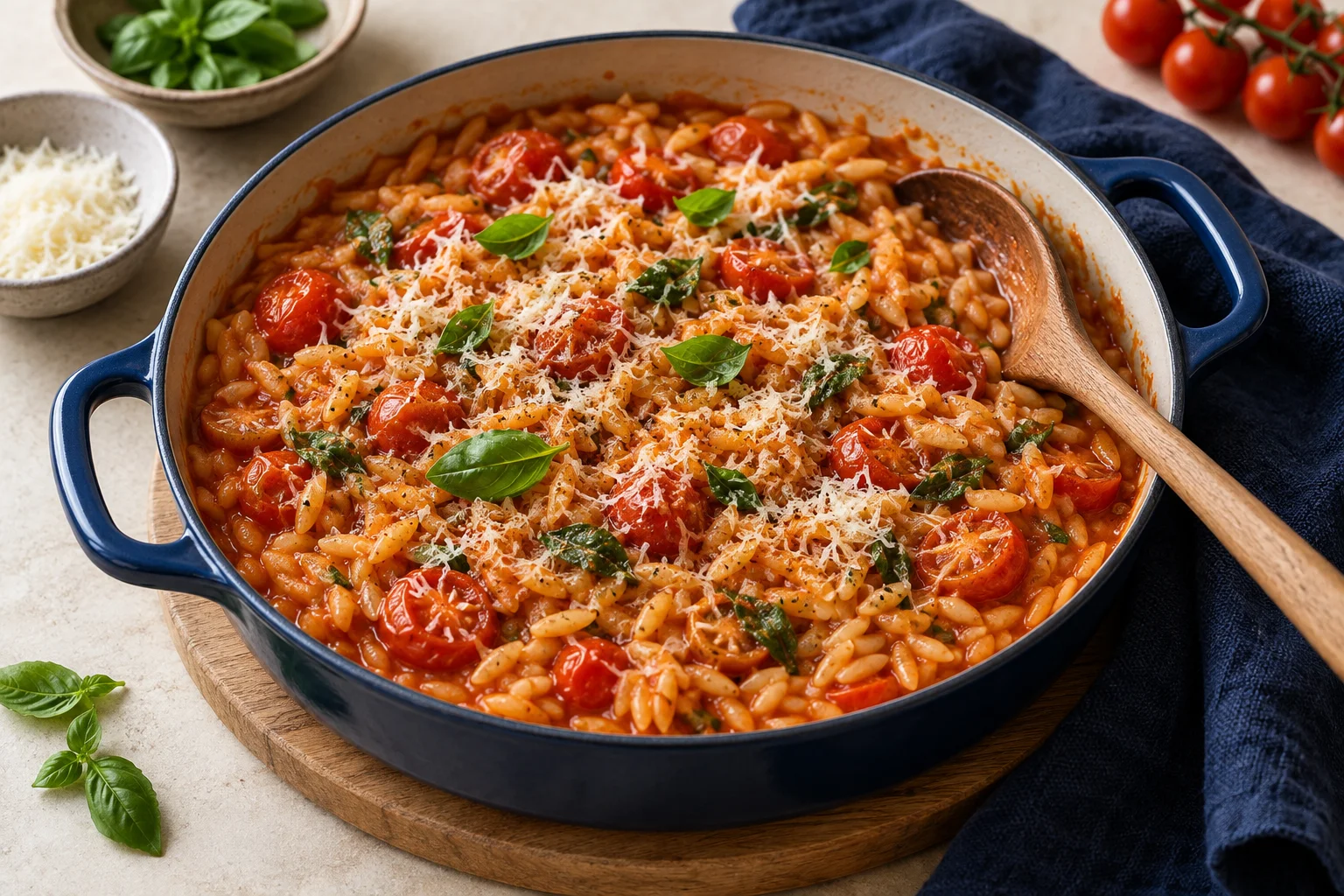
Rice-shaped pasta cooks directly with cherry tomatoes and stock. Stir regularly and keep some hot water ready so that it stays moist until serving.
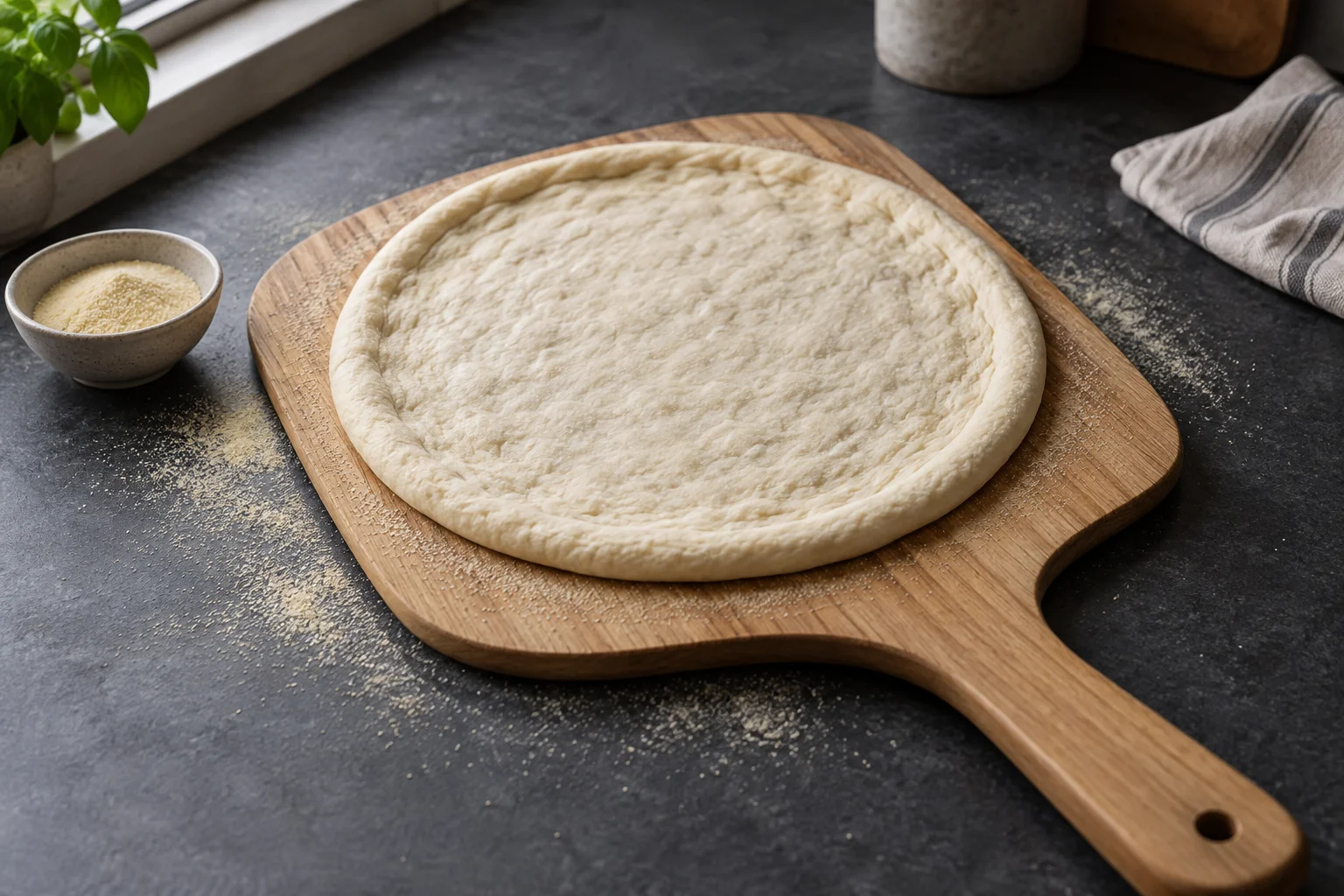
A thin dusting of semolina can help a pizza base slide off the peel. A dry peel, a freely moving base and prompt topping matter just as much.
Oil can make pizza dough more tender and change its flavour. Whether to include it depends on the crust you want and the recipe you are following.
A small pasta supply saves mixing, rolling and filling before your next meal. To take out individual portions later, freeze freshly shaped pasta with the pieces separated first. Suitable packaging and a cooking method matched to the shape complete the process.
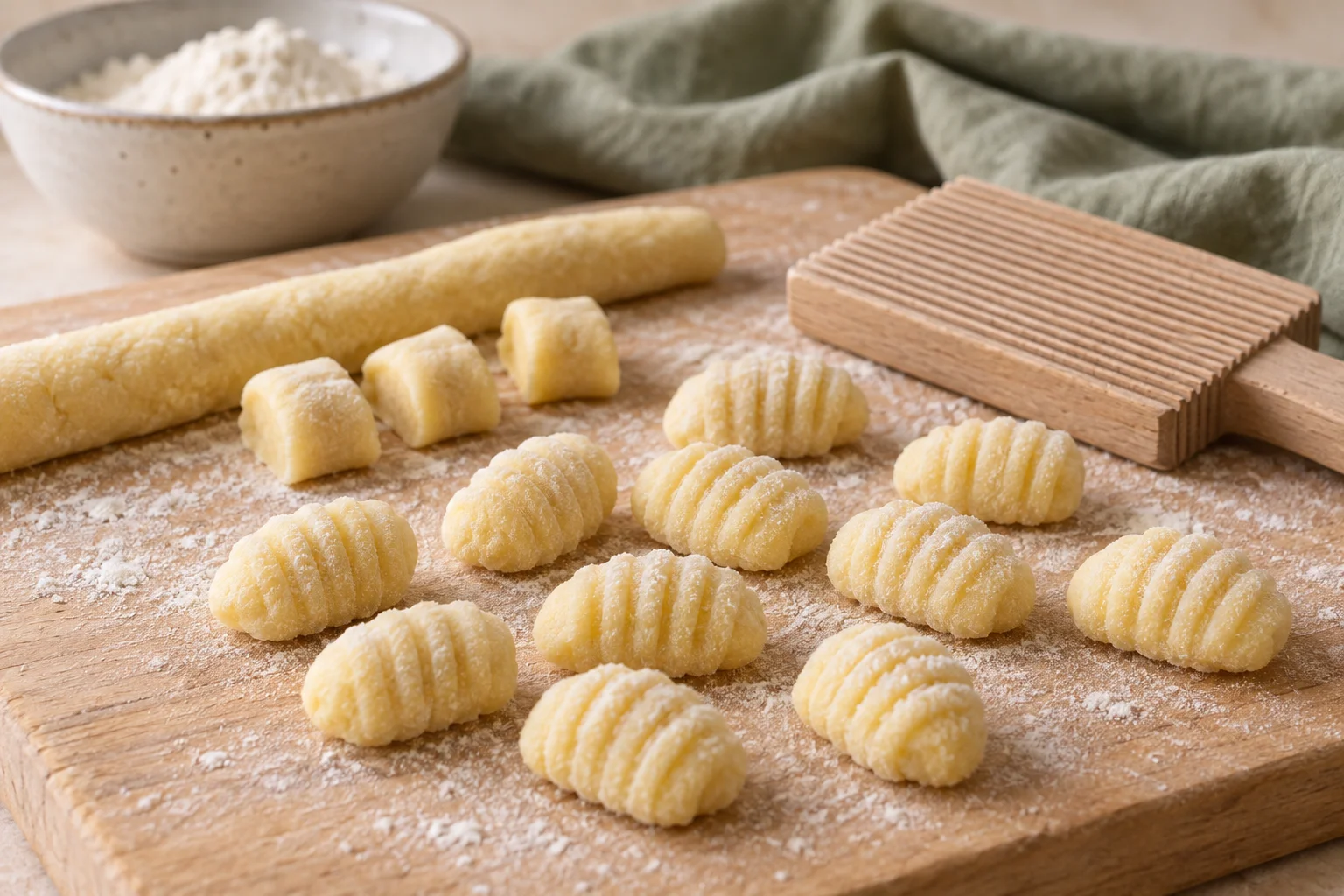
Good potato gnocchi stay soft and taste of potato. They need cooked potatoes with as little excess moisture as possible, an appropriate amount of flour and brief handling. This method takes you from choosing potatoes to serving, with signs that show when adjustments are needed.
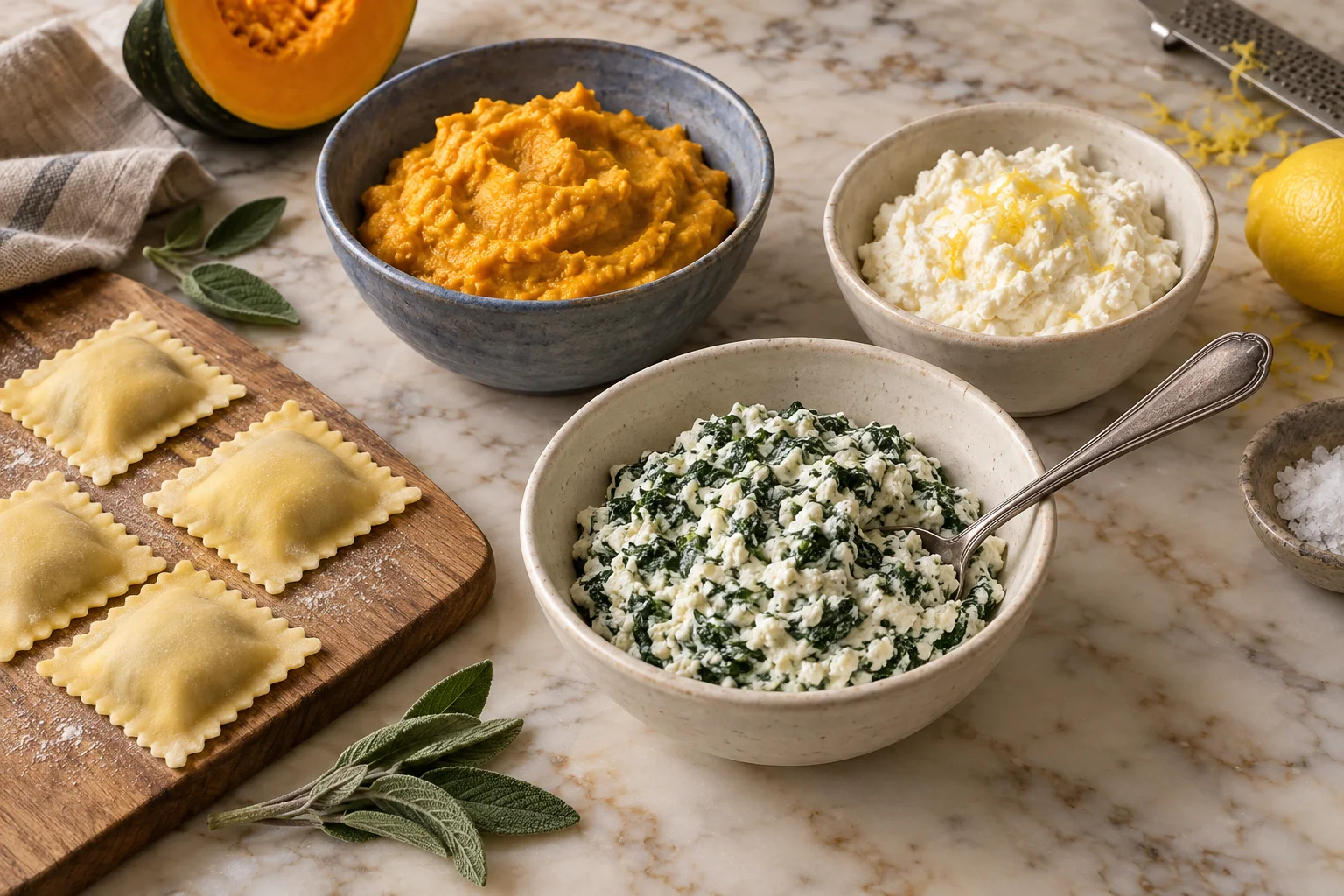
Three fillings with clear quantities and useful texture checks. Prepare the ingredients, portion them evenly and keep the edges of your ravioli clean enough to seal.
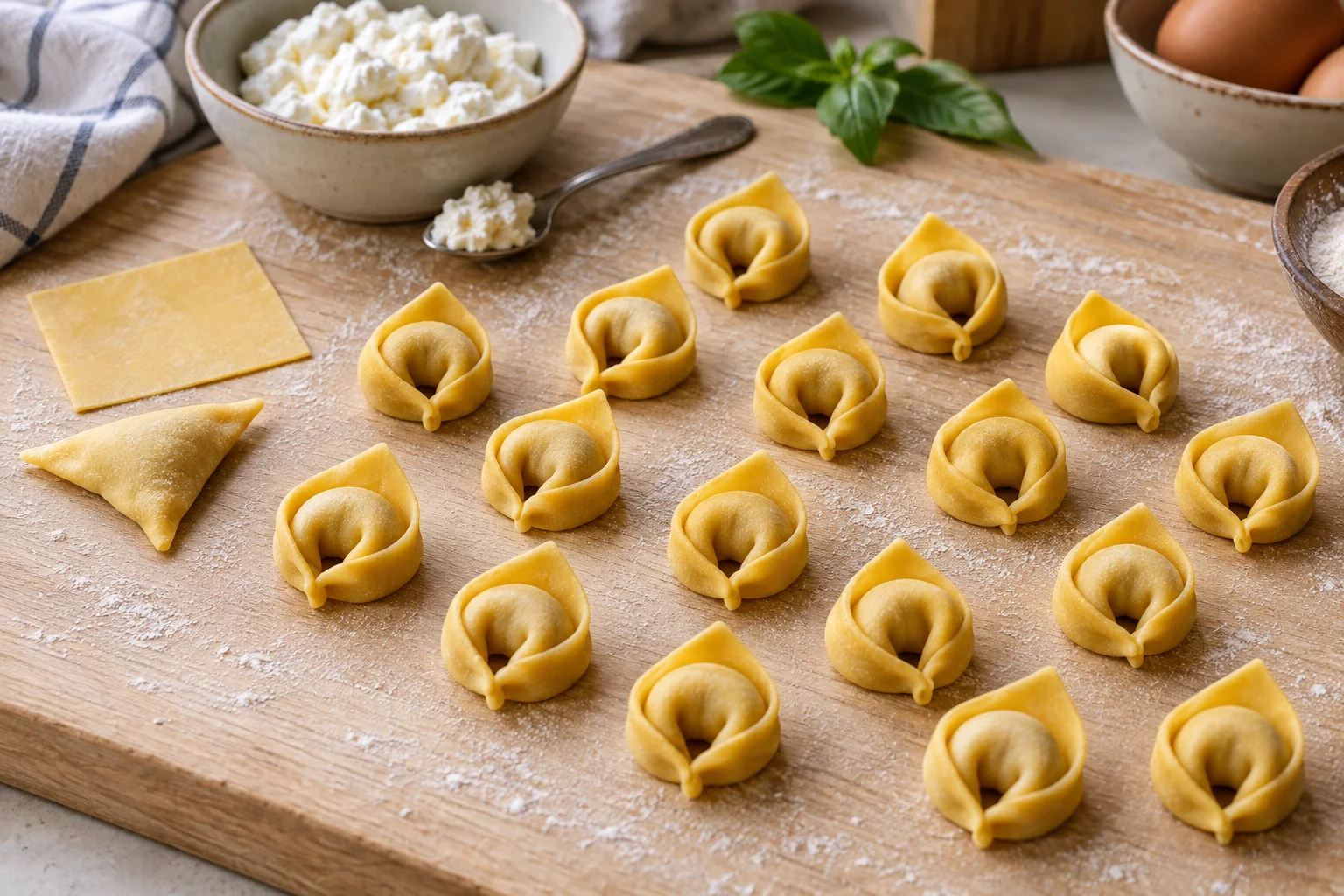
Make small ricotta-filled tortellini step by step: cut even squares, remove trapped air, join the corners and cook the delicate parcels gently.
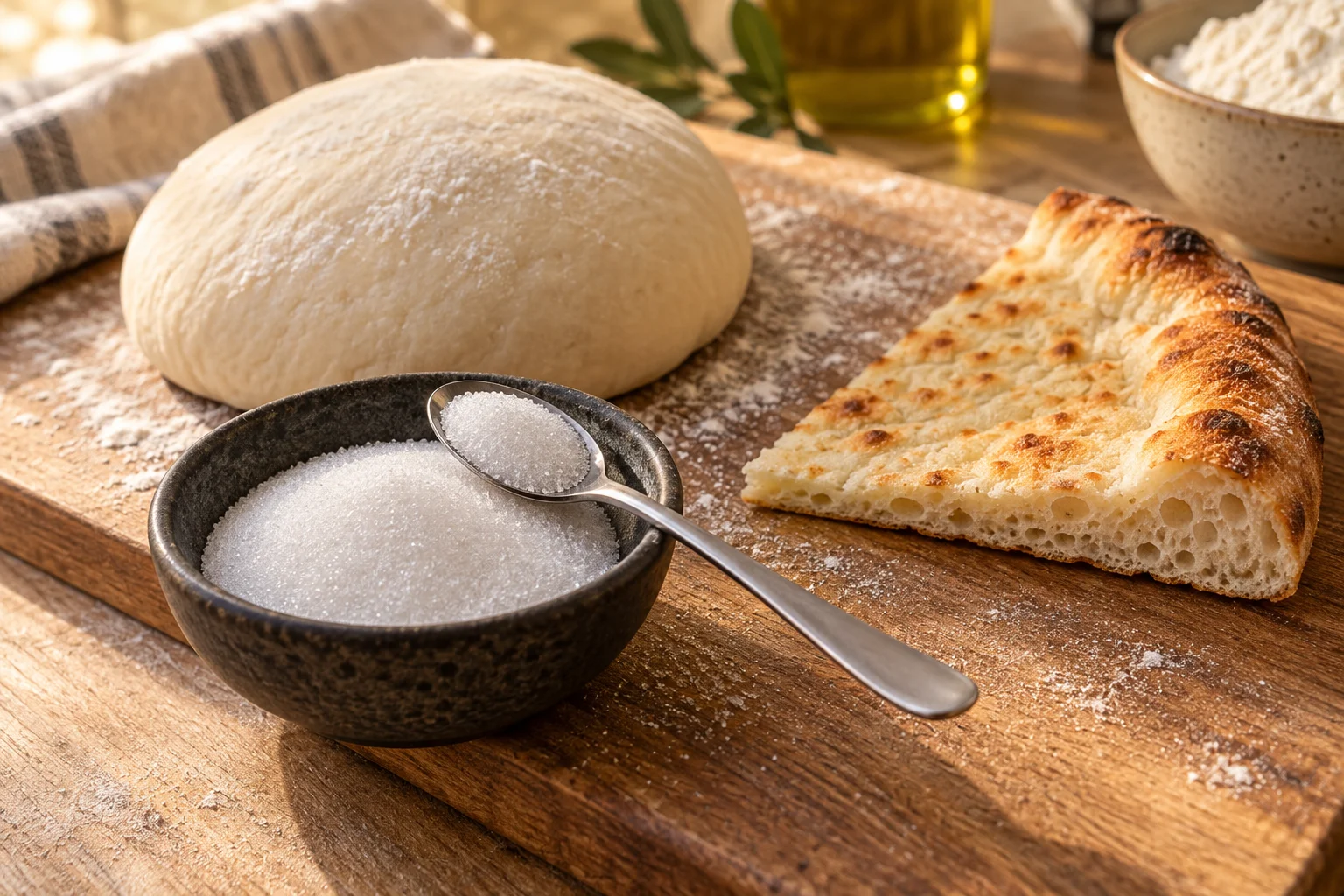
Yeast works without added sugar. Whether sugar belongs in your dough depends mainly on the pizza style, the browning you want and the way you bake it.
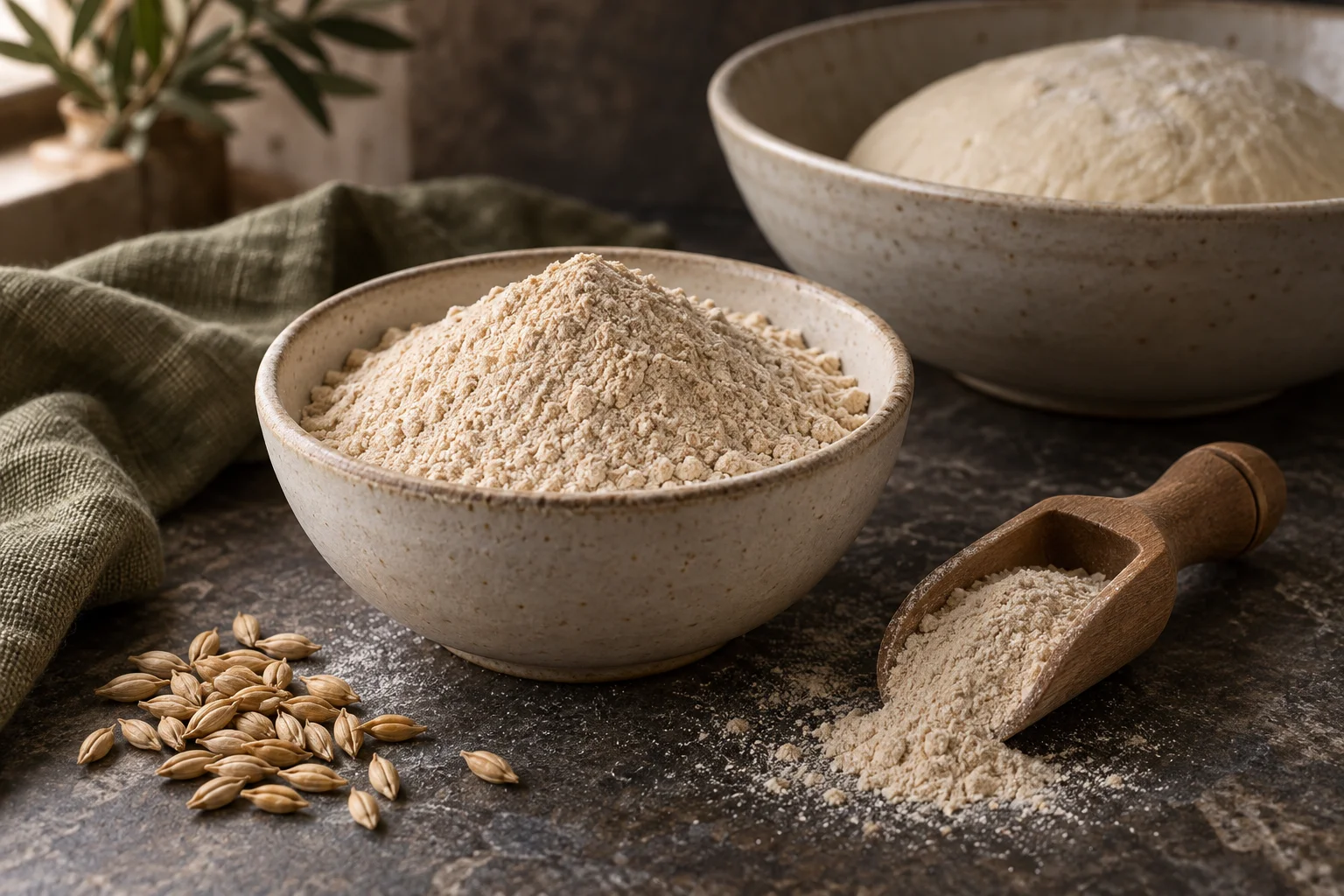
Baking malt can supply enzymes or mainly affect flavour and colour. The product description matters more than the colour of the powder.
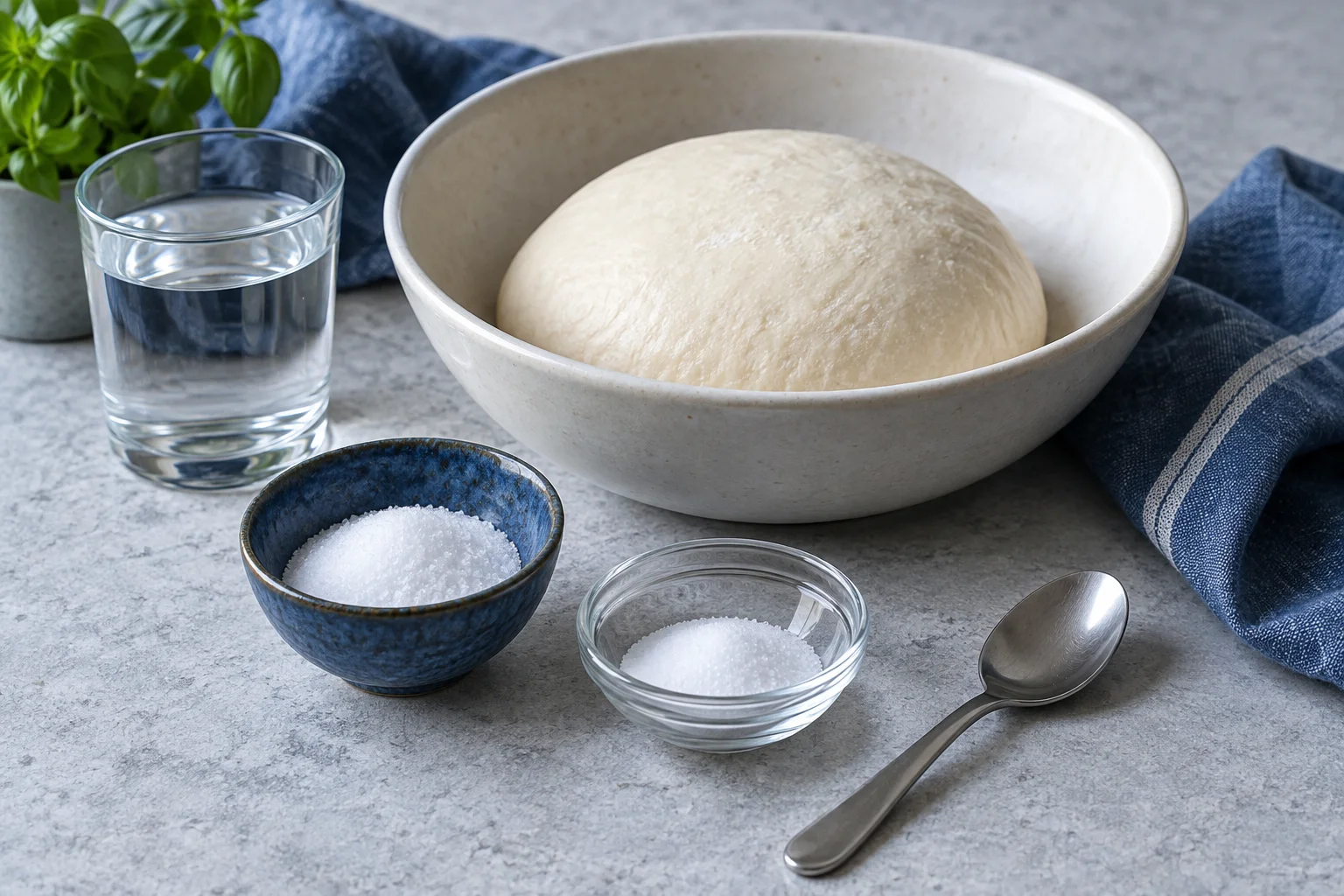
Salt percentage is based on the total flour weight. Using grams rather than spoonfuls keeps your formula consistent when the salt’s crystal size changes.
Cool water can offset warmth from the flour, room and mixing. What matters is the finished dough temperature, rather than making the jug as cold as possible.
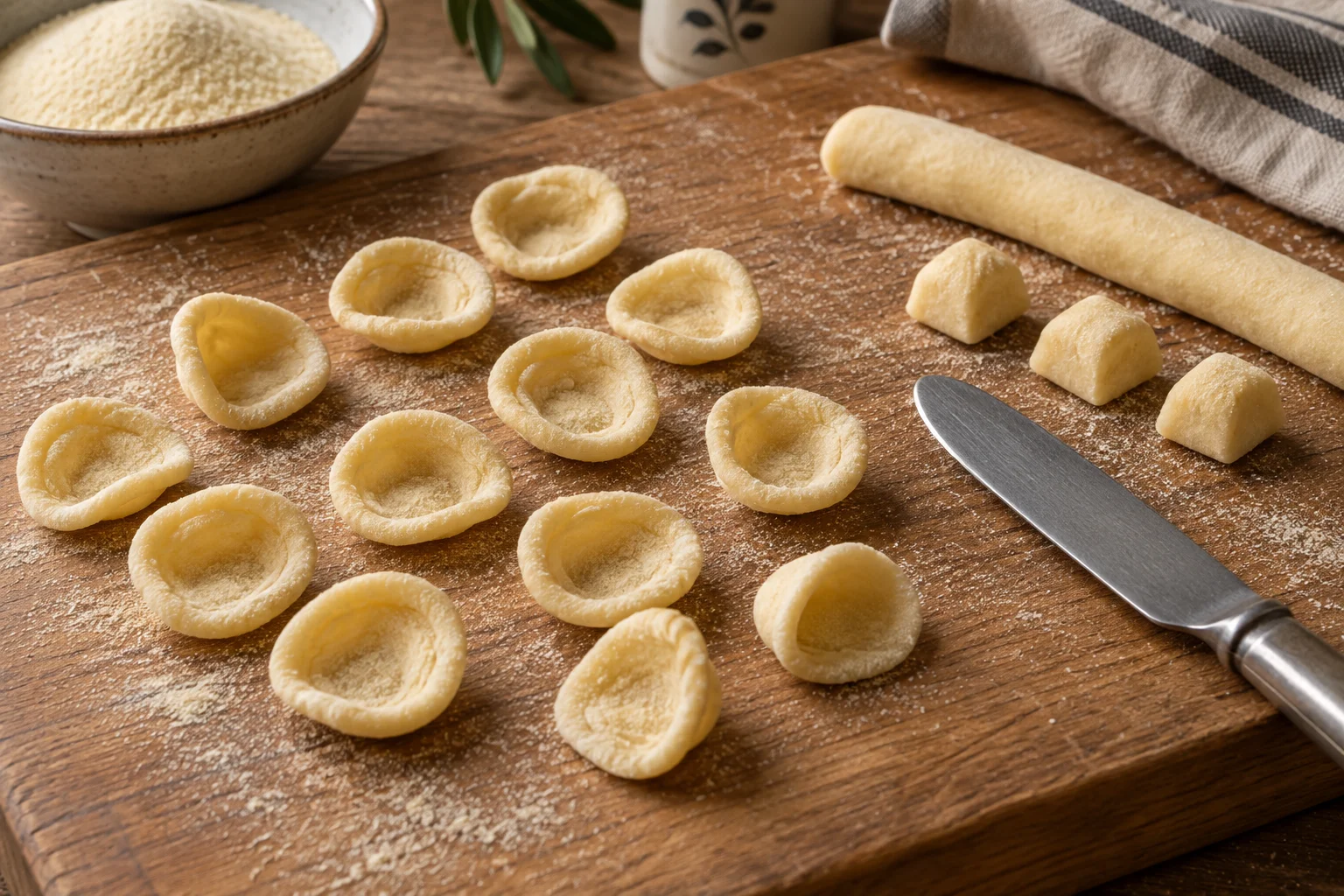
You do not need a pasta machine or a filling to make orecchiette. A firm dough becomes small cups with a textured outside. Learn the knife movement, how to turn each piece inside out, and what to change when the first few pieces are thick, sticky or full of holes.
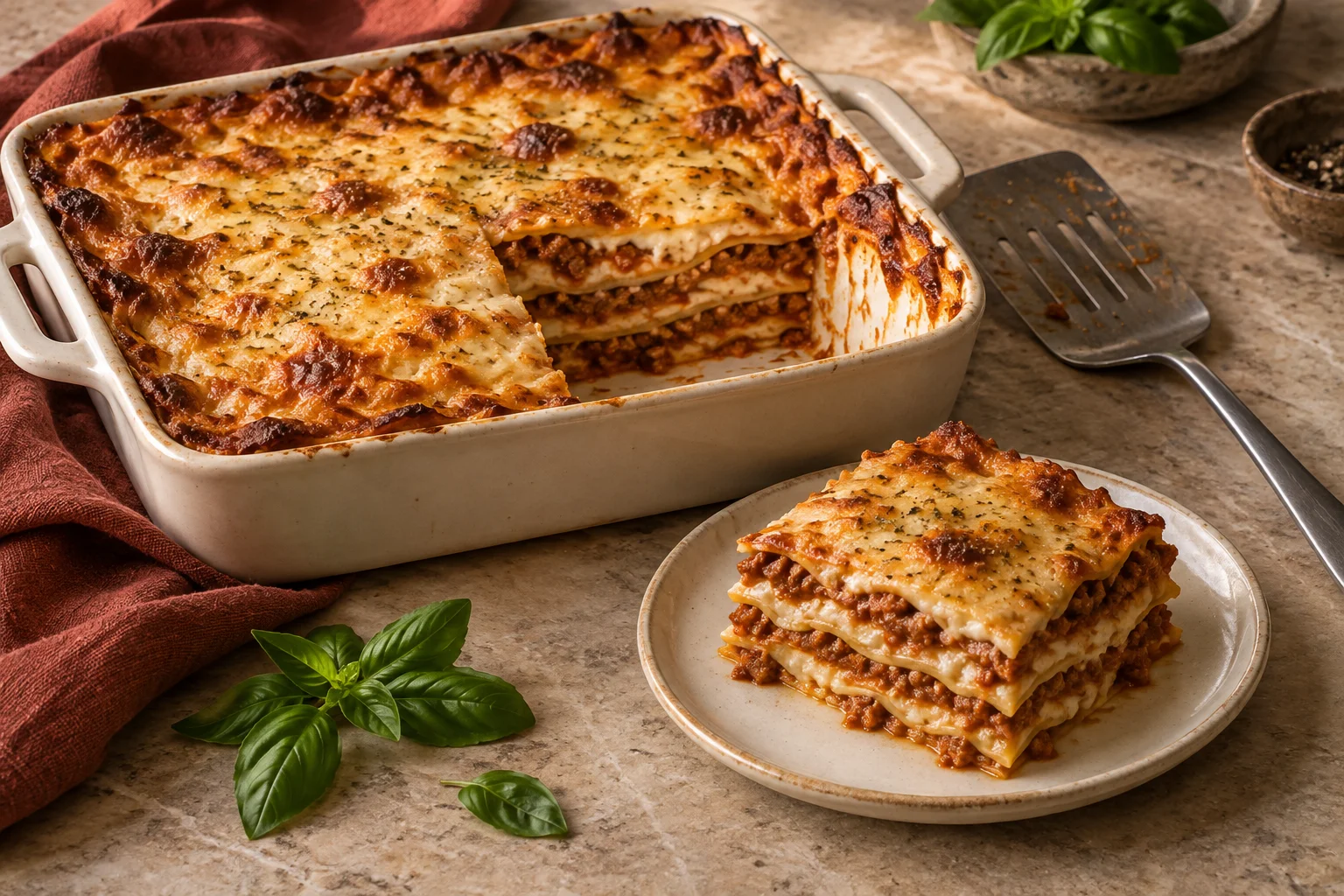
Lasagne cooks more evenly when you plan the sauce and pasta sheets together before assembling the first layer. Follow a clear order, divide the sauce sensibly, and learn what to change when corners stay hard, the top dries out or layers slide apart as you serve.
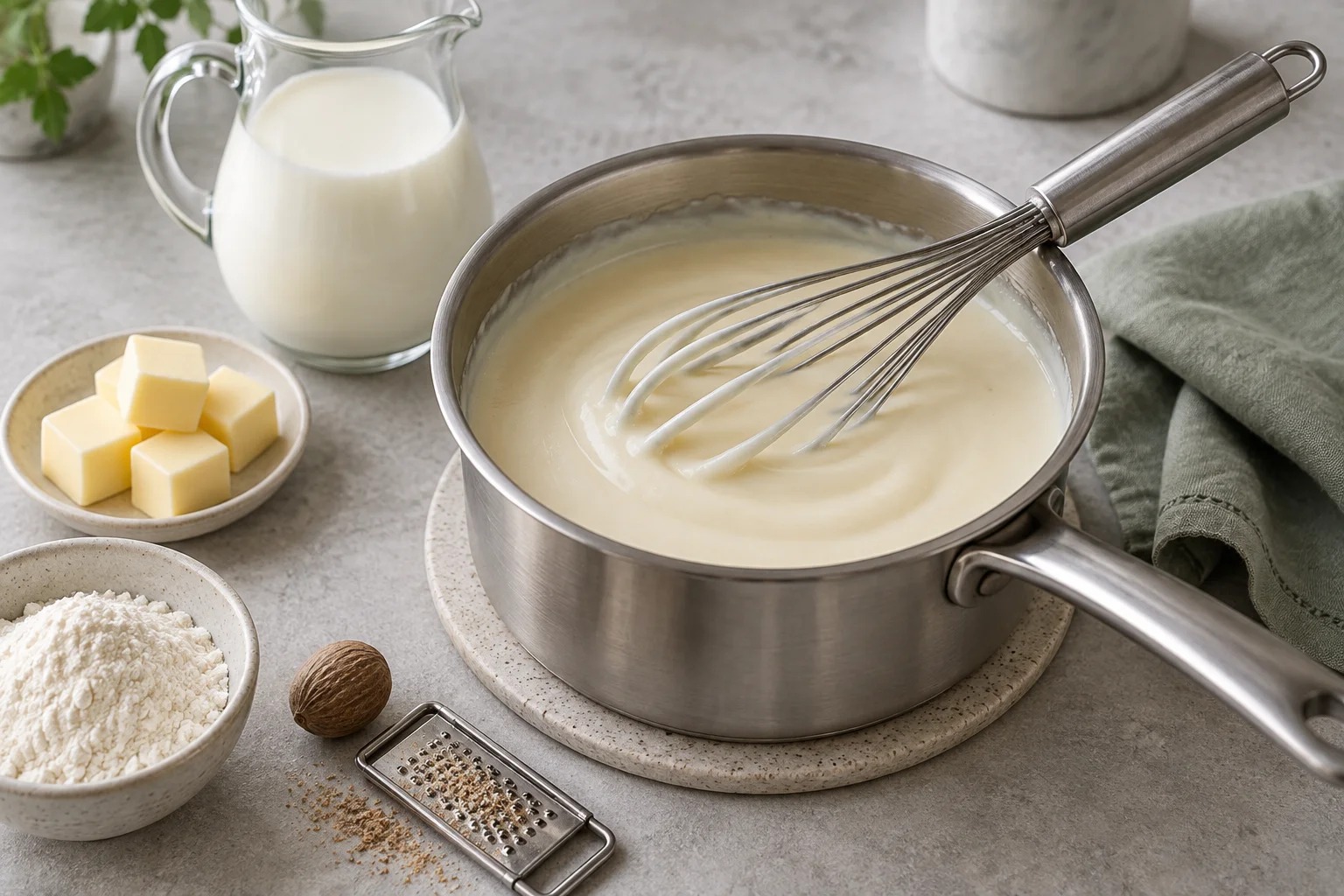
Béchamel should spread between lasagne sheets rather than sit in firm lumps. Weighed ingredients, a pale roux and attention while adding the milk help you control its consistency. Small lumps and an overly thick sauce can also be dealt with directly.
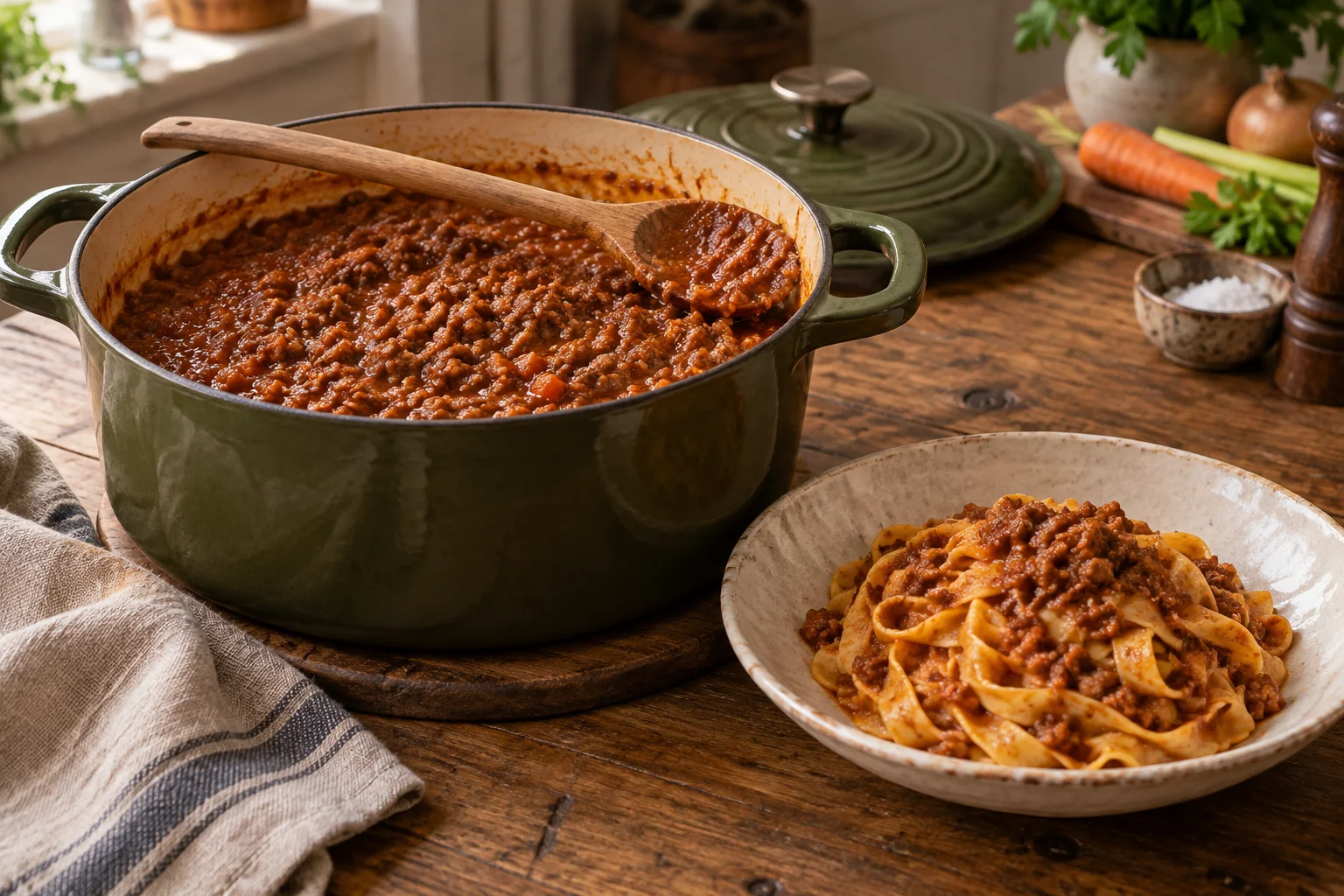
A useful ragù method has a clear sequence: finely cut vegetables, carefully browned meat and a gentle simmer with controlled additions of liquid. This guide takes you through a manageable batch for pasta and explains how to adjust the texture, season the sauce and store portions.
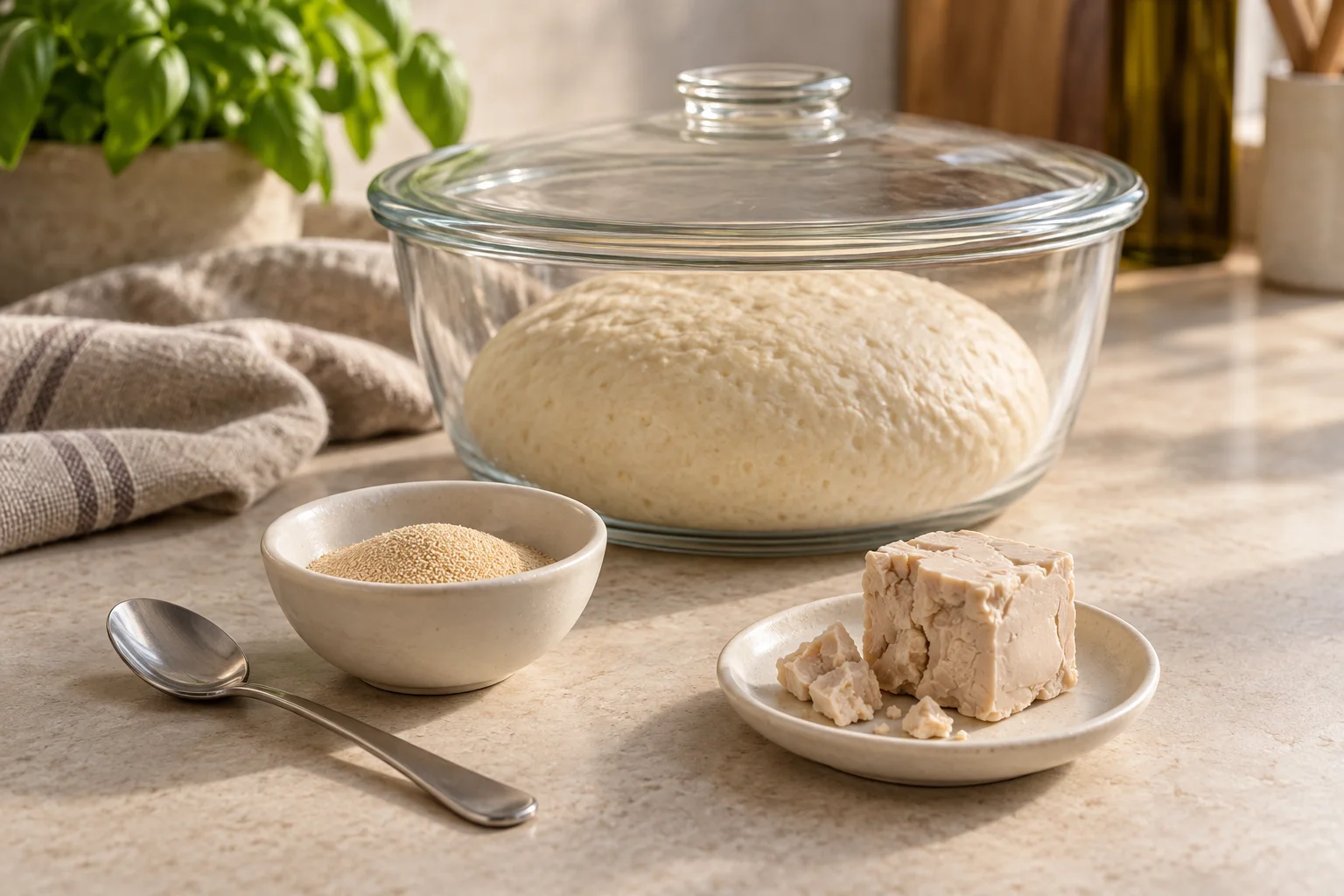
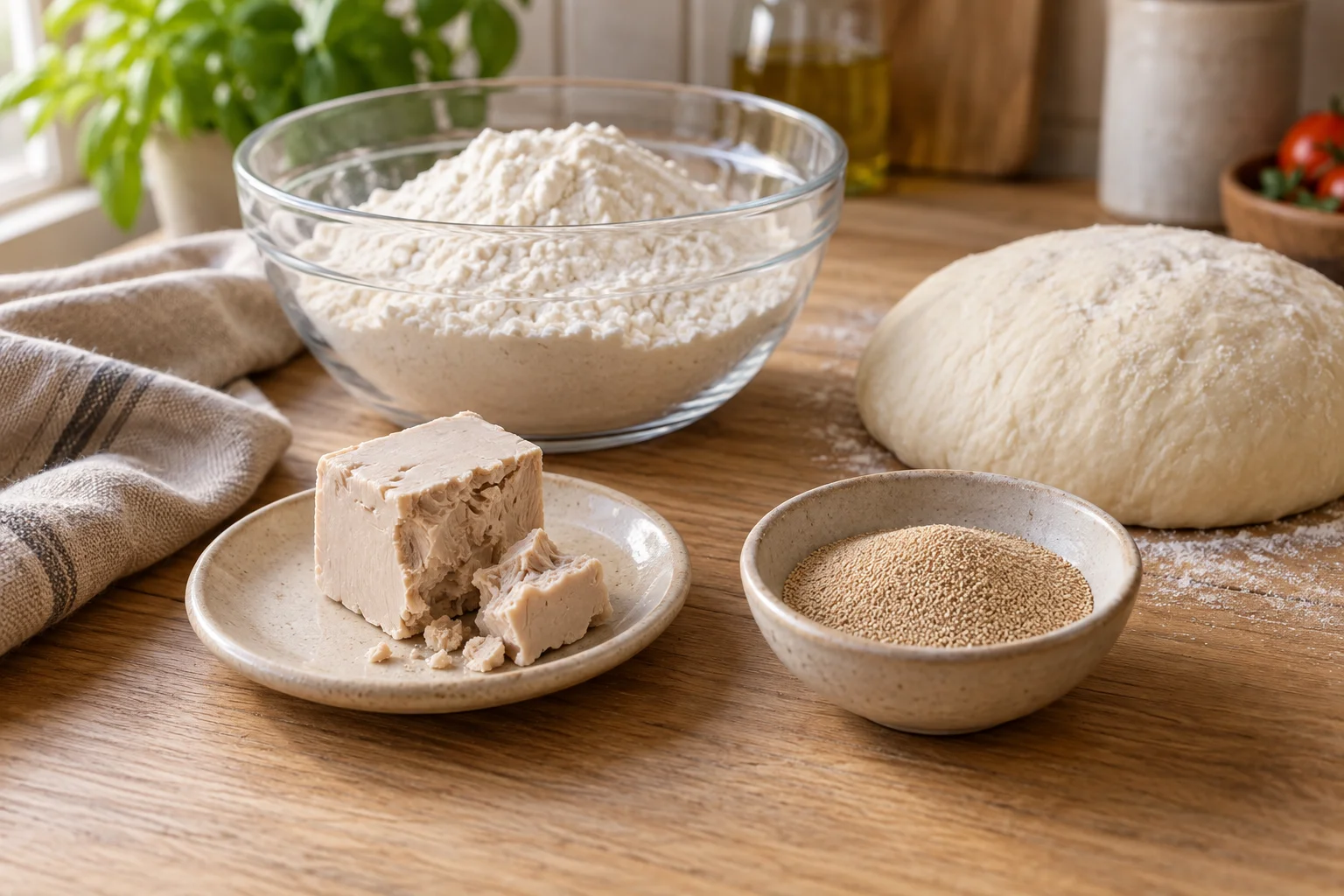
Both can raise pizza dough. When substituting, check the exact yeast type, its weight and the packet instructions; a whole block does not simply replace a whole sachet.
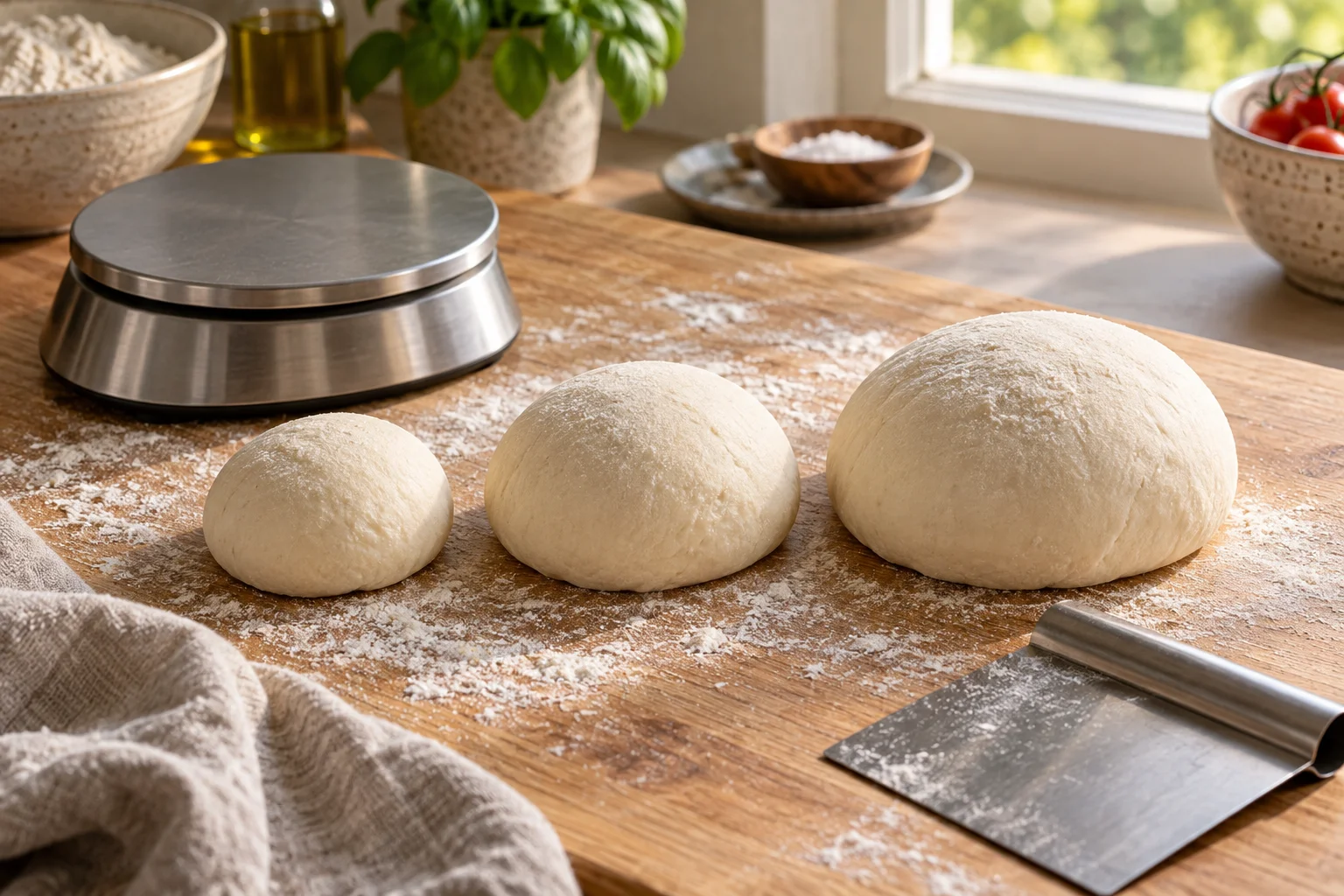
Dough weight, diameter and shaping technique determine the thickness of the base and rim together. To change the size, calculate the area rather than simply adding weight for extra centimetres.
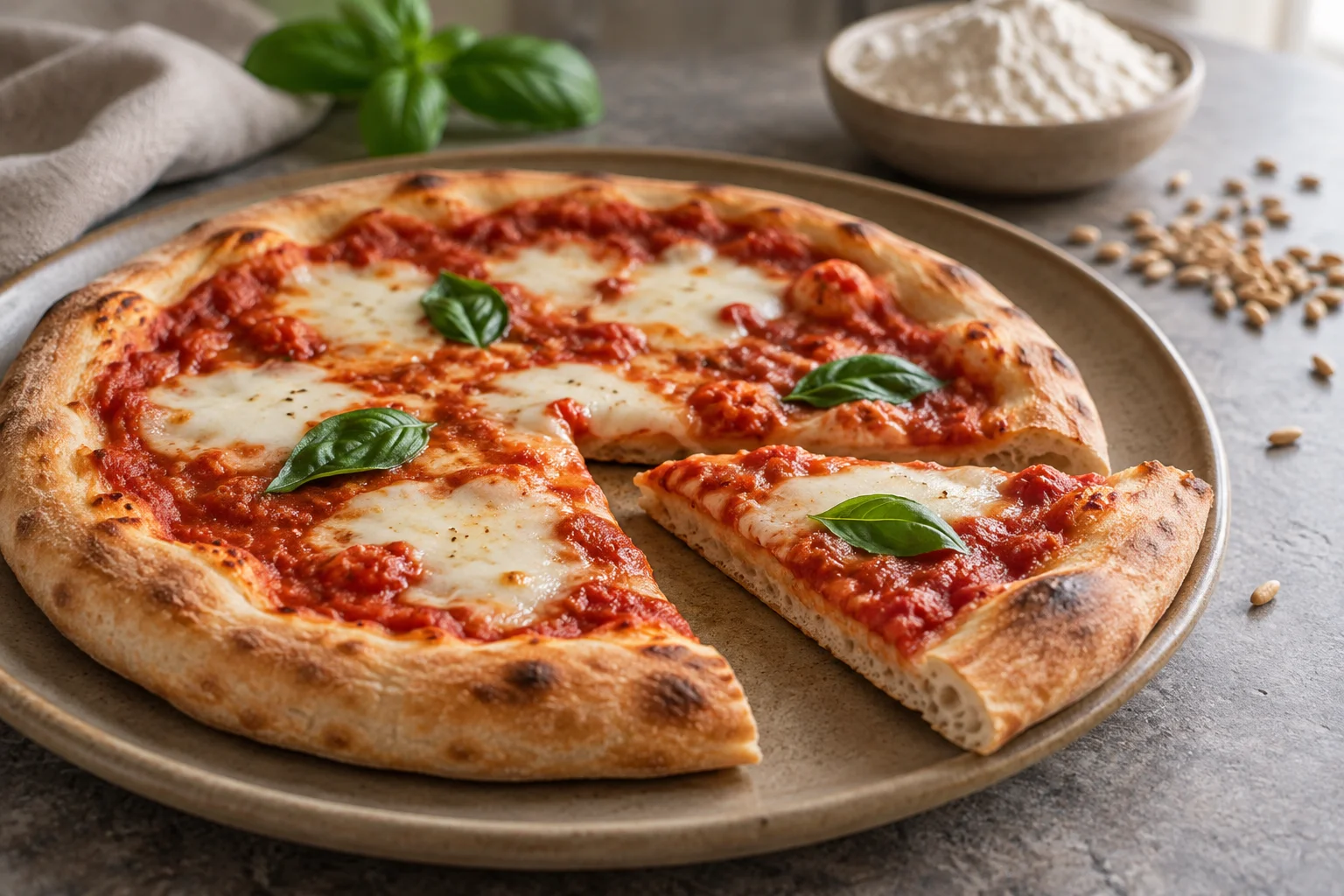
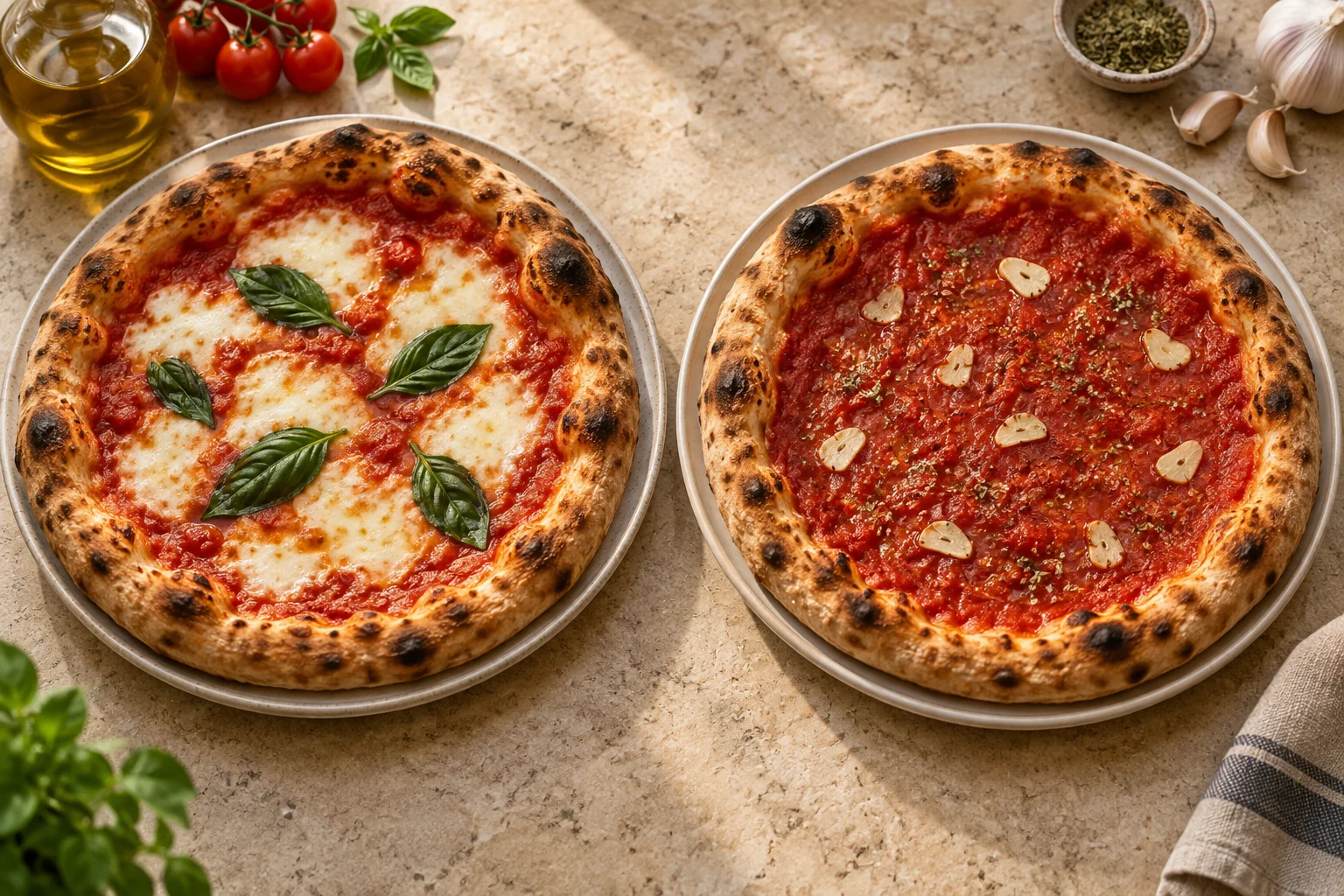
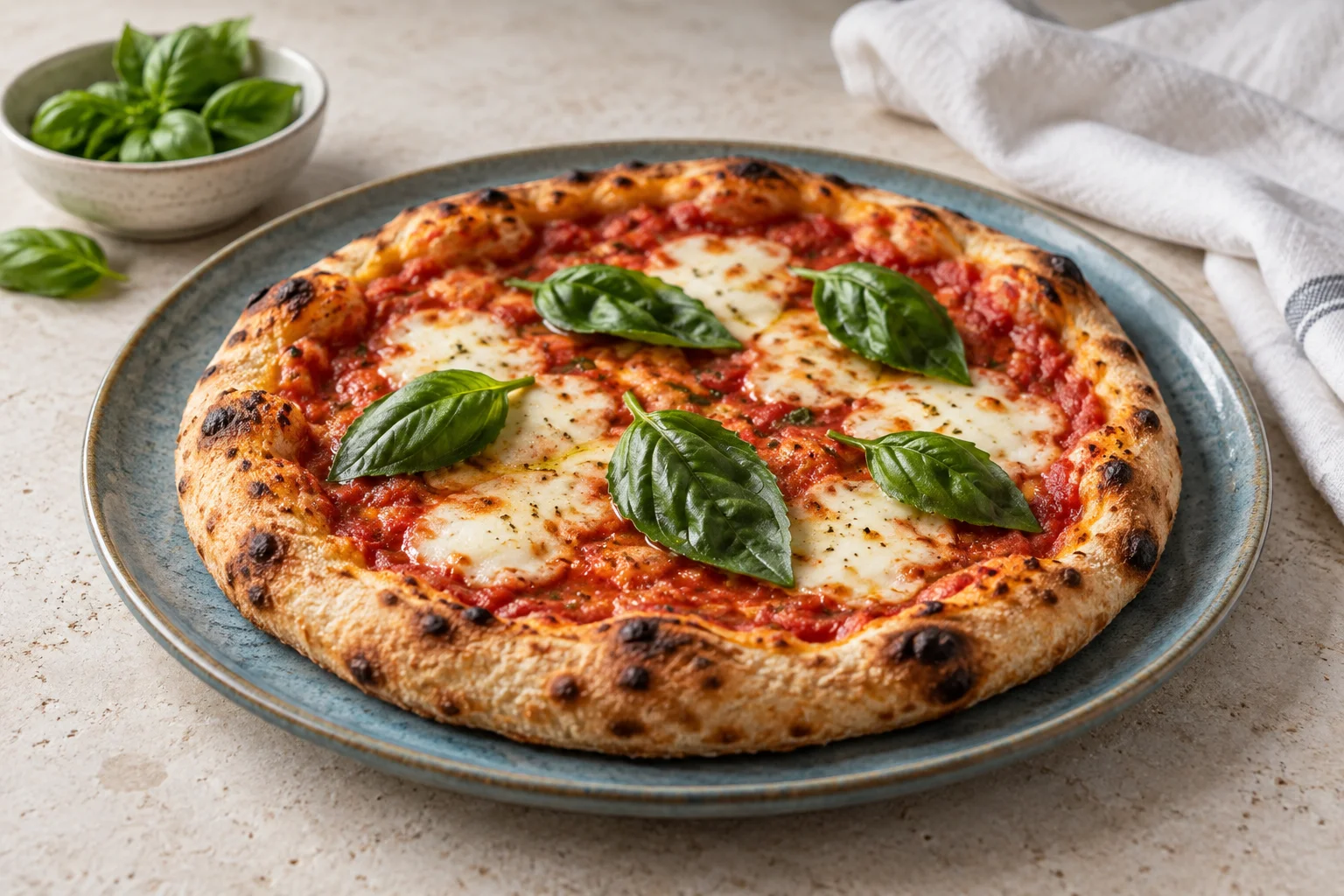
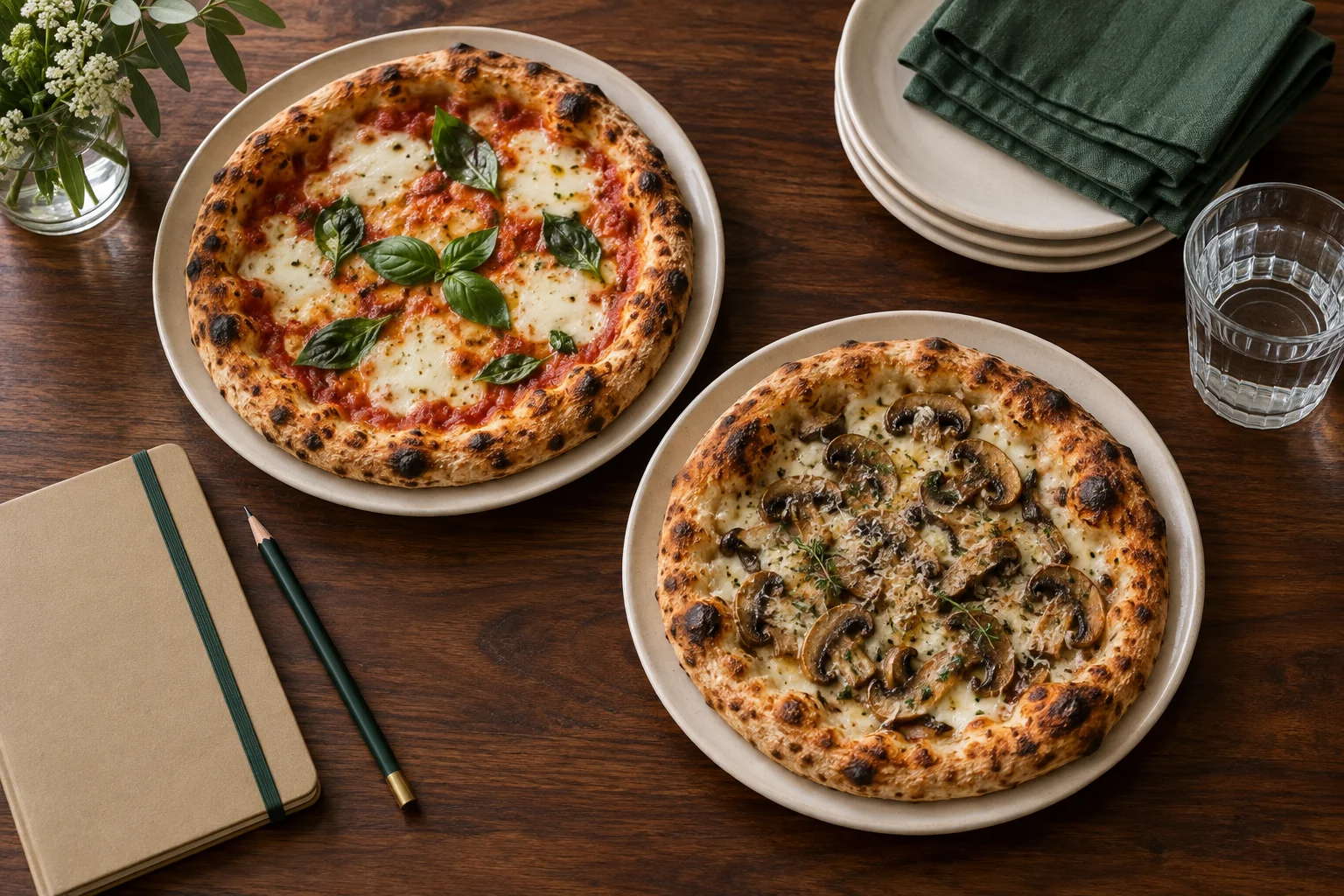
Margherita combines tomato with mozzarella and basil. Marinara uses tomato, garlic, oregano and olive oil. Both show how dough and toppings work together with a short ingredient list.
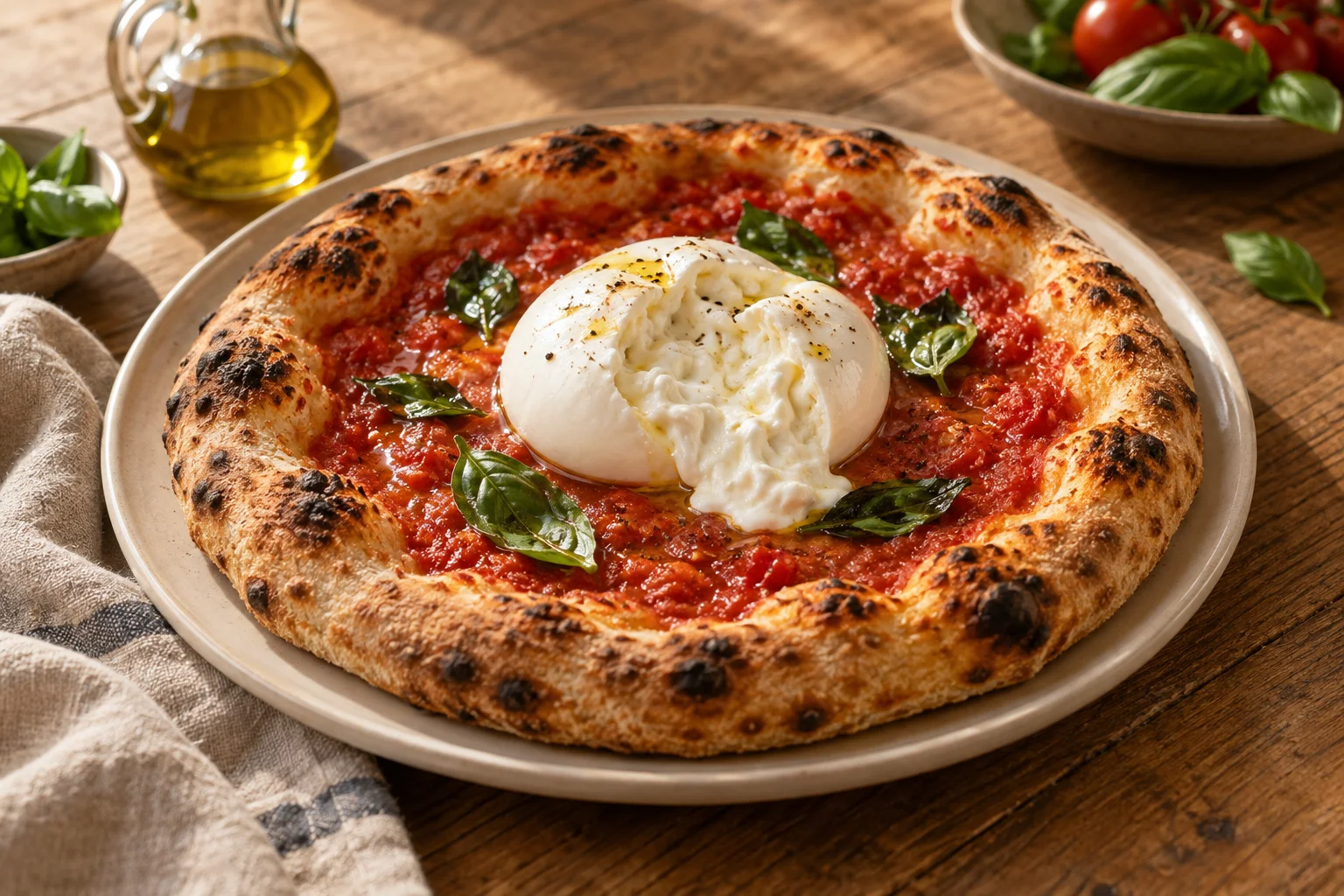
For a creamy topping, add burrata to the finished pizza. Its soft filling stays distinct while the base and rim are already fully cooked.
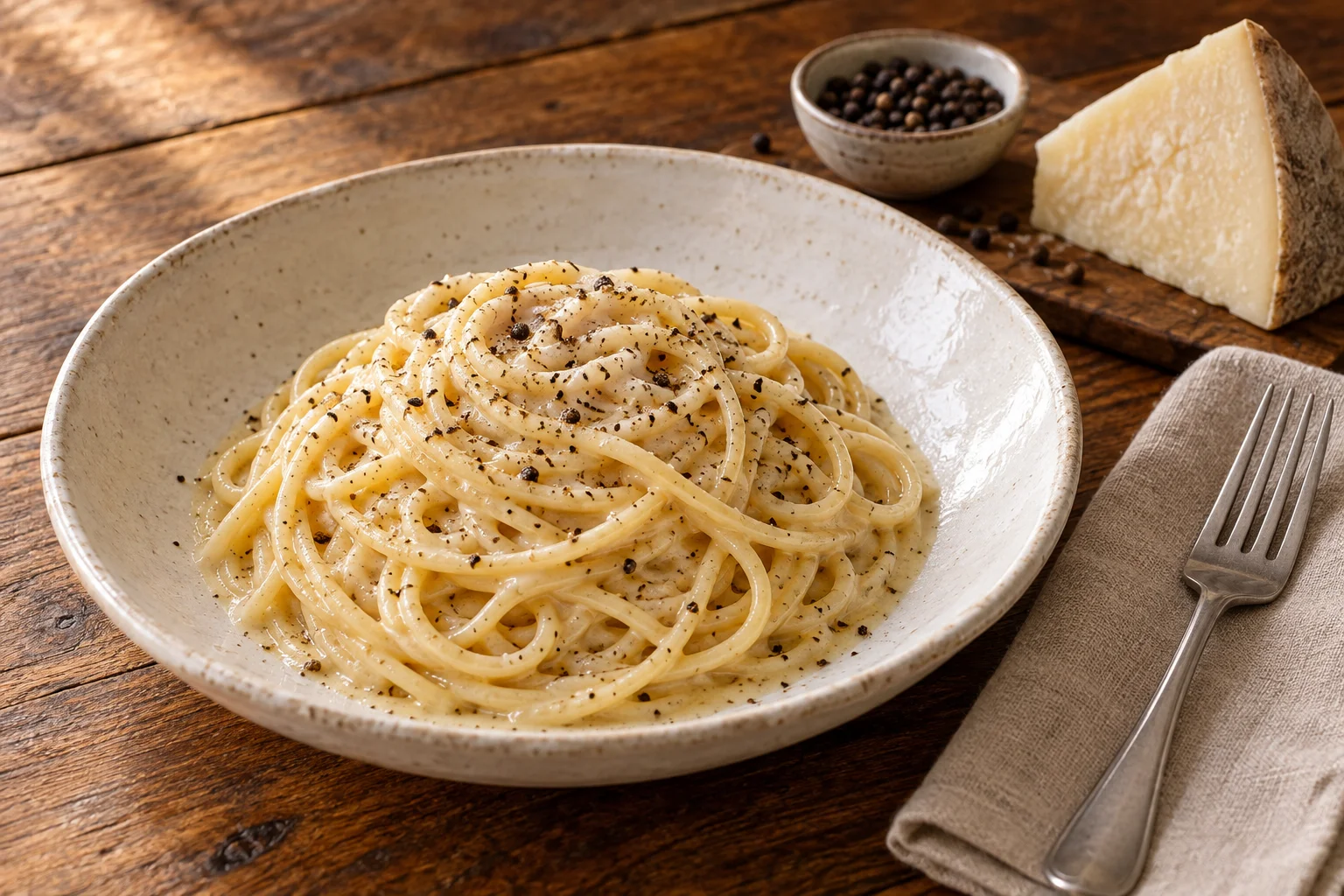
Cacio e pepe has a short ingredient list and needs attention towards the end of cooking. Learn how to combine pecorino, pasta water and pepper into a sauce that coats spaghetti, and how to distinguish excessive heat from a simple shortage of liquid.
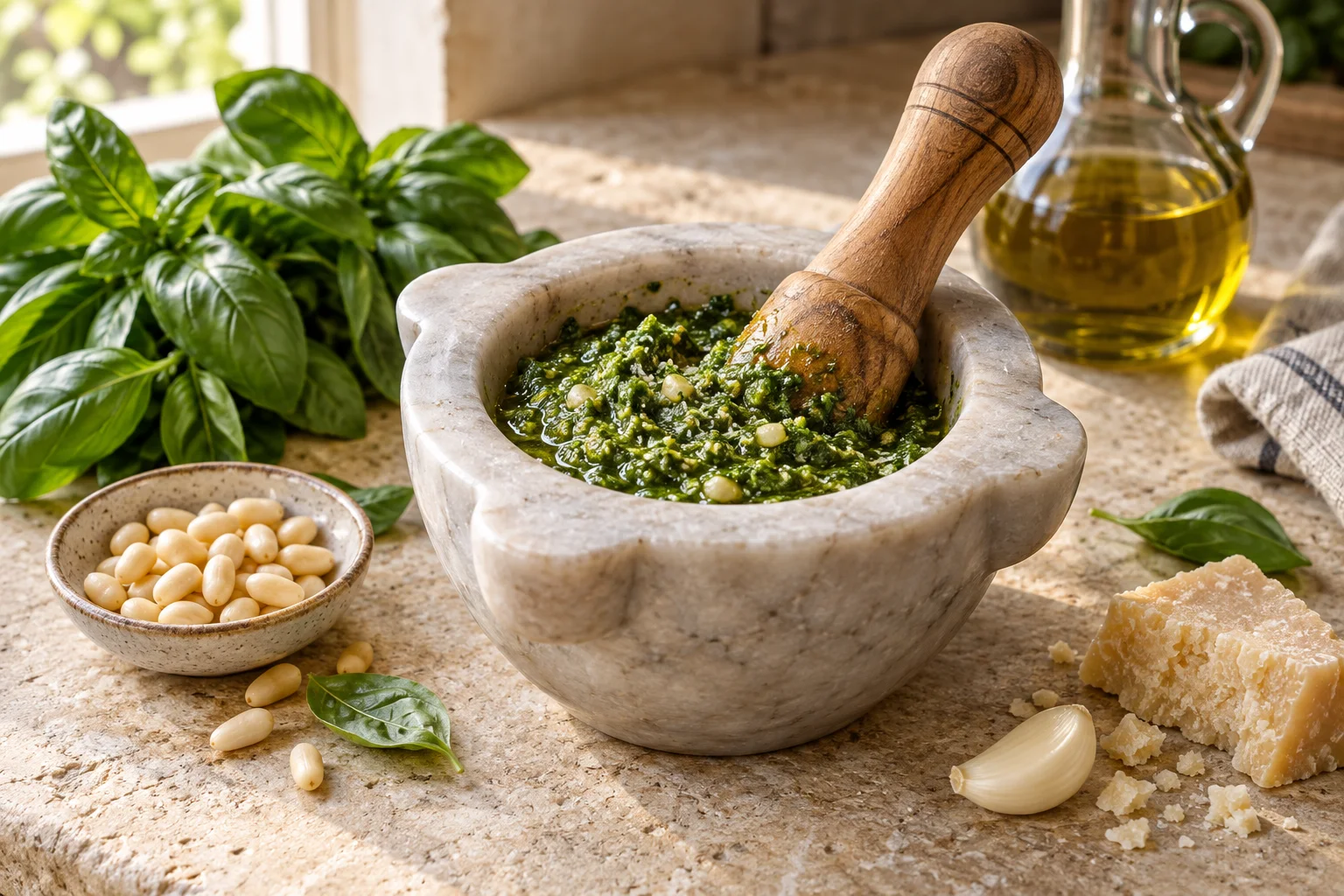
Fresh basil pesto should taste of herbs, spread easily and coat pasta without drowning it in oil. Clear quantities and an orderly method make a small batch manageable. This guide covers both a mortar and a food processor, as well as freezing the pesto you do not need immediately.
For fresh herb flavour and green leaves, add basil after baking. It can also be baked with the pizza when that timing suits the recipe and its short cooking method.
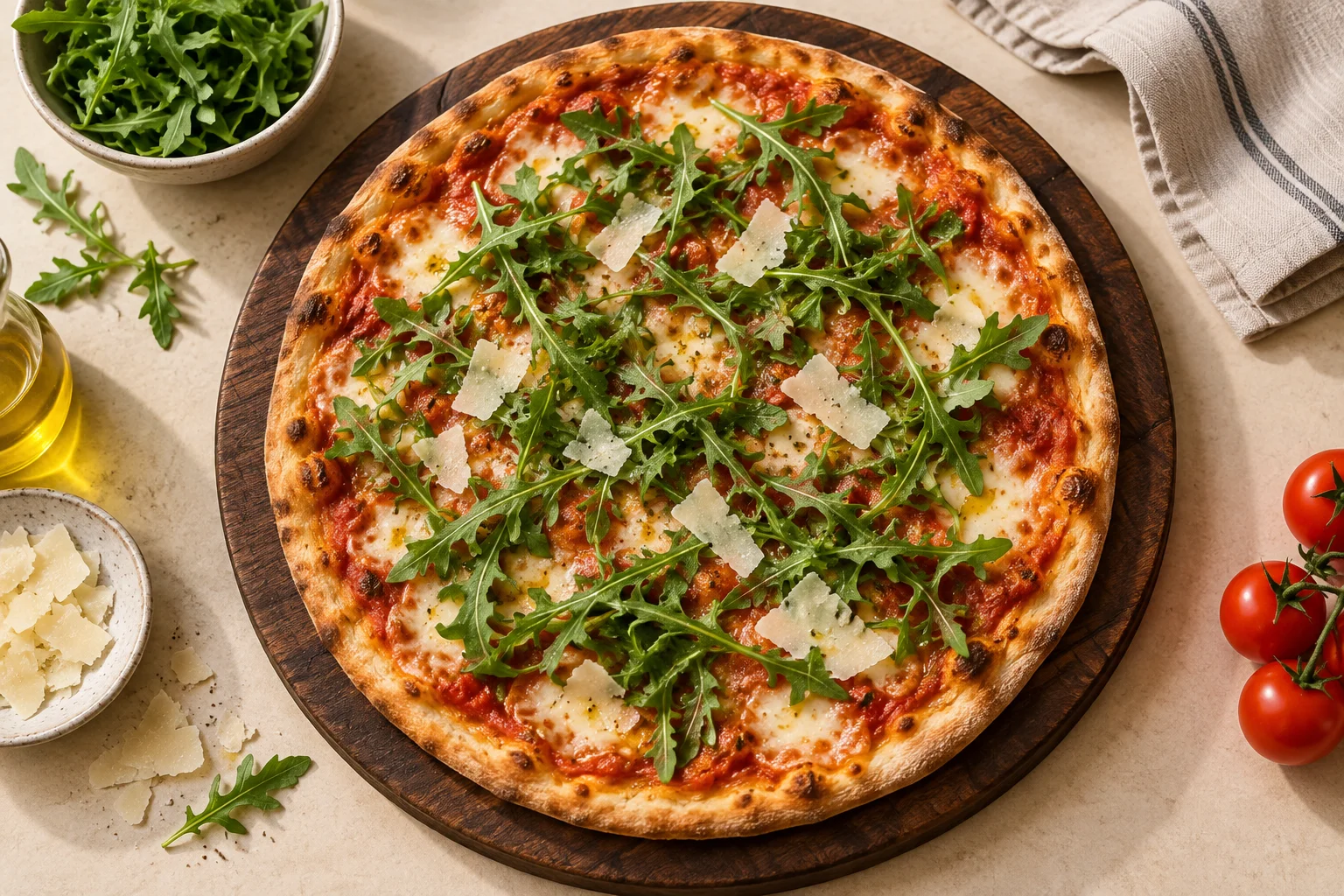
Rocket, also called arugula, adds peppery flavour and fresh leaves to a hot pizza. Prepare it separately and add it after baking to avoid a wet or scorched topping.
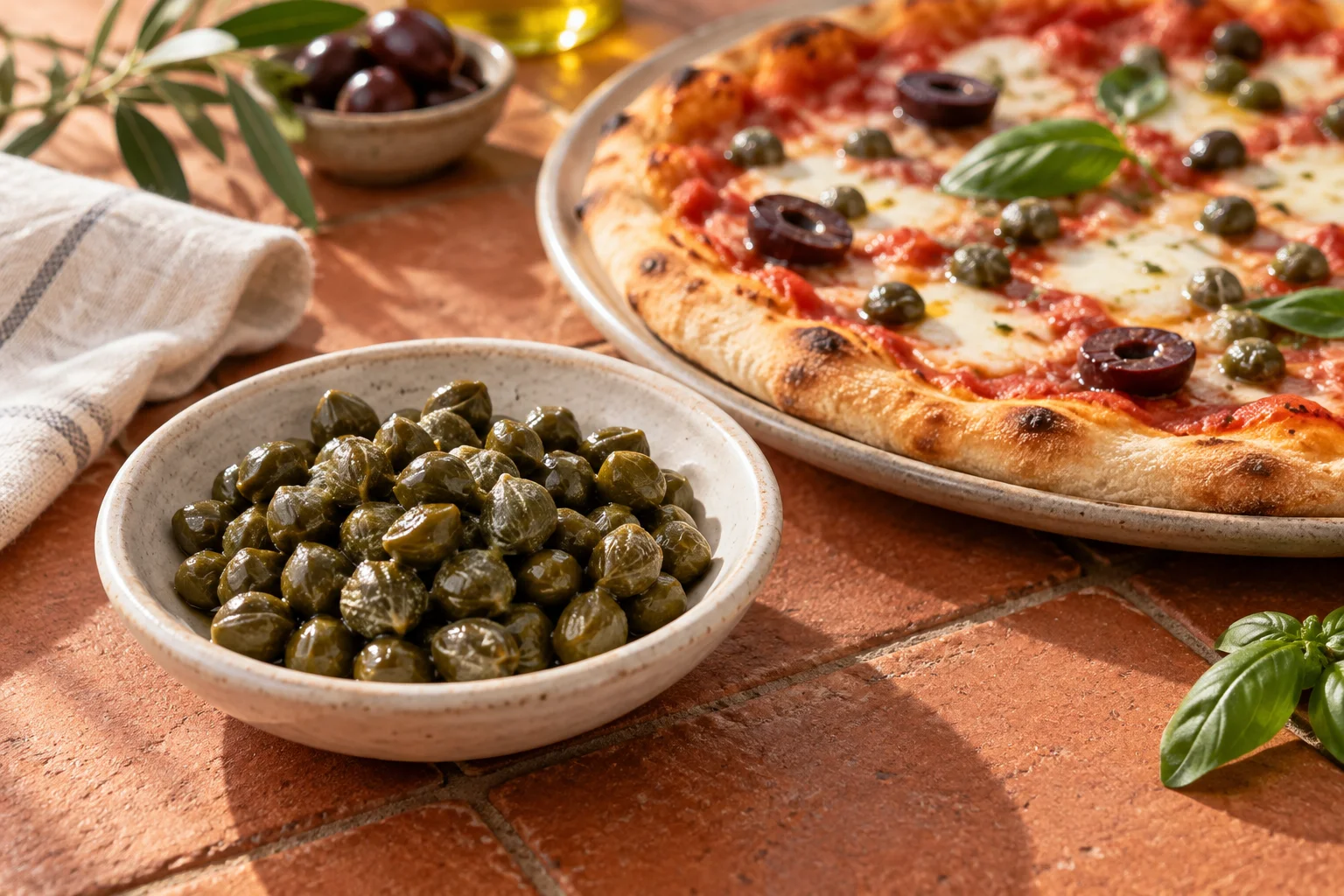
A small amount of capers can season a whole pizza. Their preserving liquid, preparation and the other salty ingredients matter. Liquid from the jar does not automatically belong on the dough.
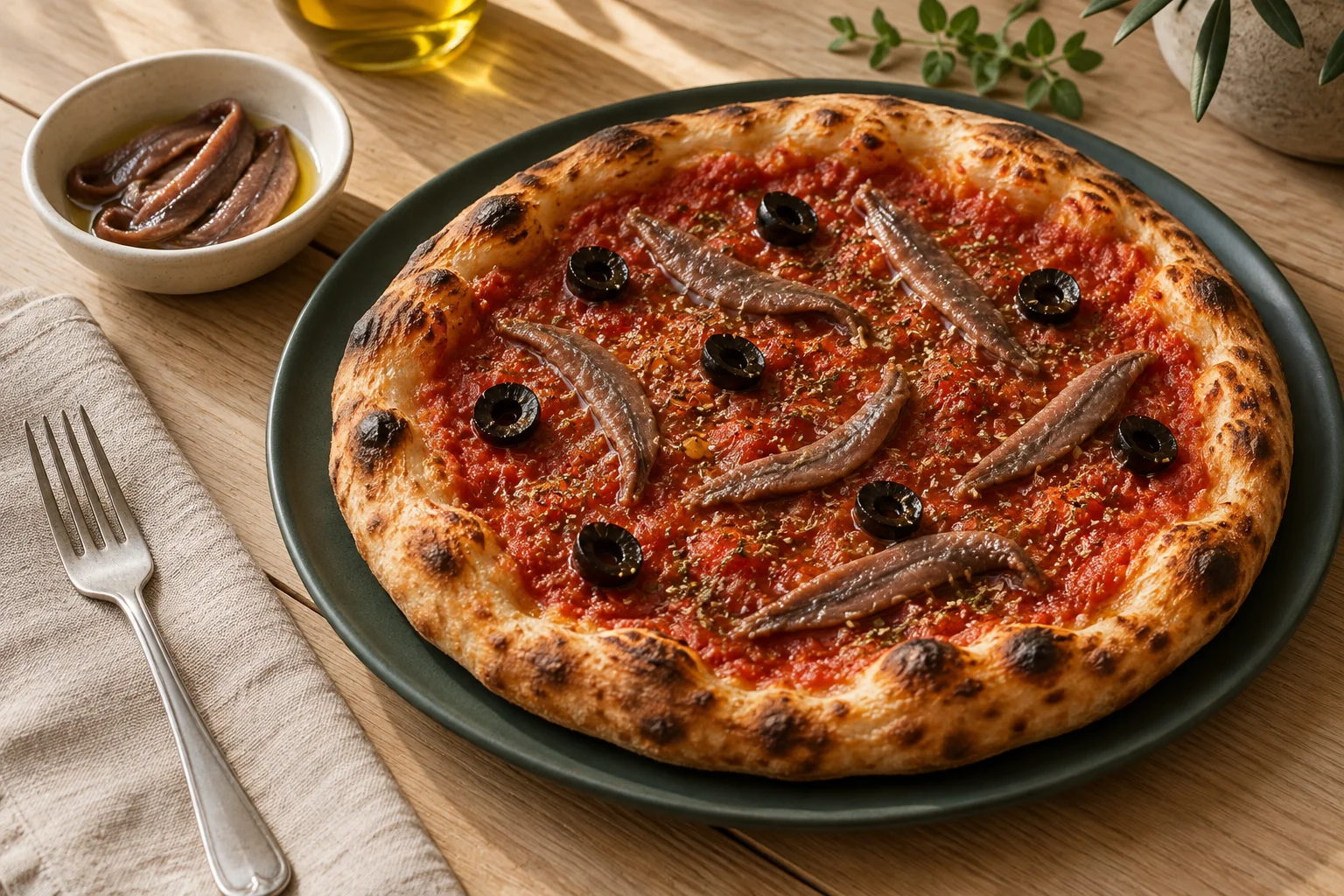
Salt-cured anchovy fillets add a strong savoury note to pizza. Small pieces, modestly salted sauce and a few suitable accompaniments leave room for the tomato and dough to contribute too.
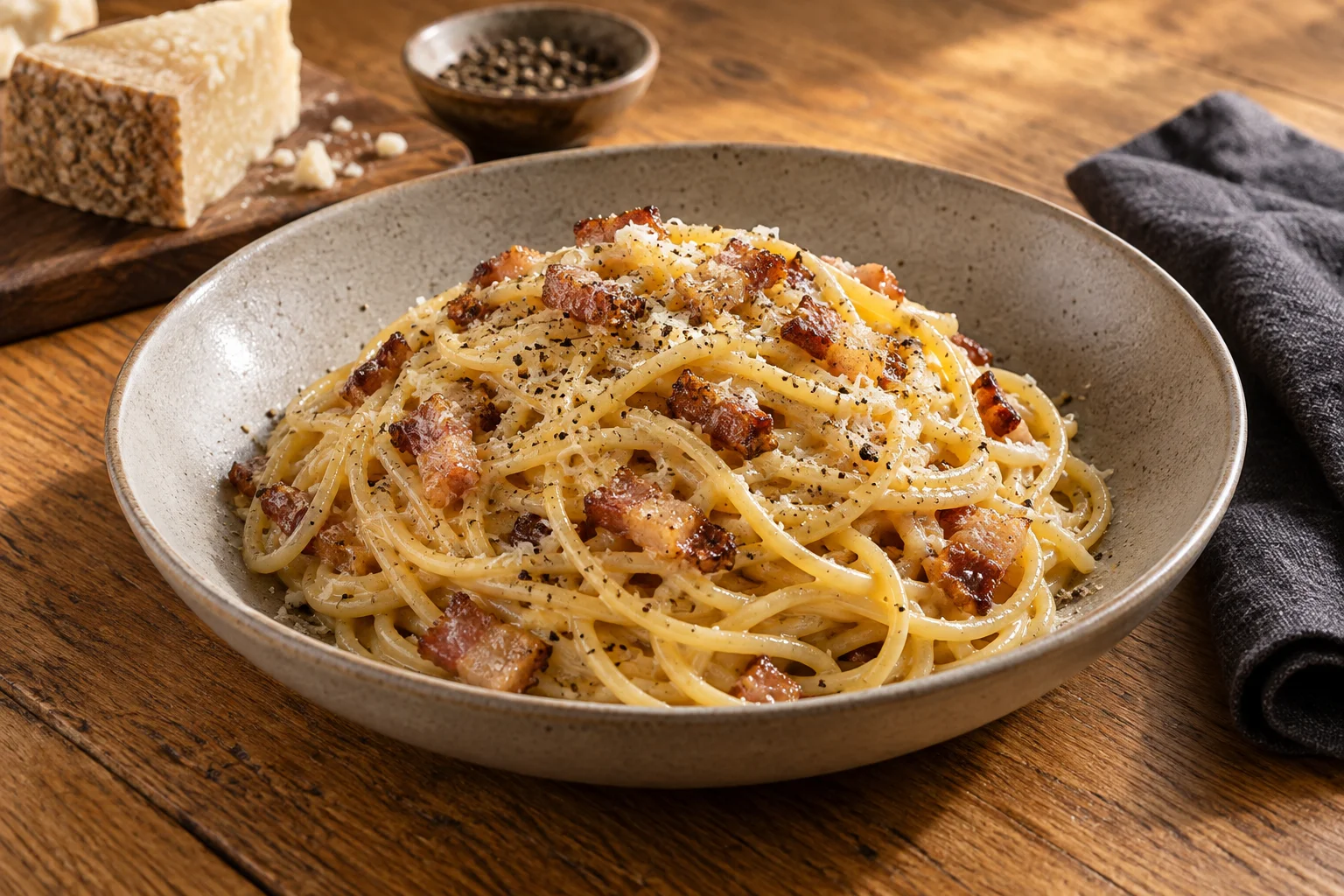
Carbonara has a short ingredient list, but its final minute needs preparation. This version for two uses guanciale, Pecorino and pasteurised egg yolk. Learn how to measure the rendered fat and cooking water, gently thicken the sauce and handle the common problems that arise when combining everything.
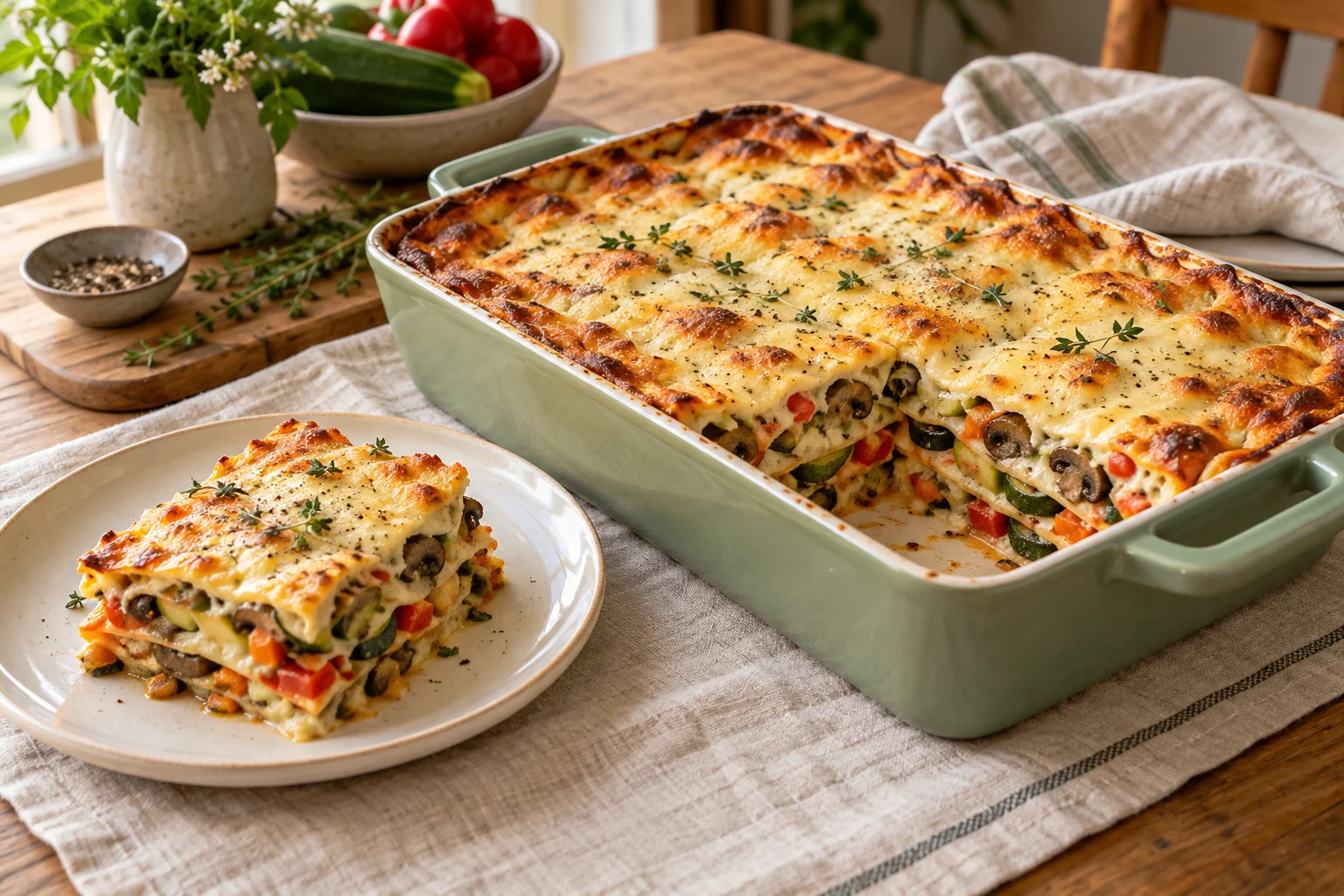
A vegetable lasagne should be juicy while still dividing into manageable portions. Prepared vegetables, suitable pasta sheets and sauce reaching the edges make the difference. This white version with courgettes, mushrooms, carrots and red pepper provides quantities for four people and takes you through preparation, layering and serving.
The right amount of pasta depends on the dish, its accompaniments and everyone's appetite. Start with a clear basis for measuring: weigh dried pasta before cooking and treat fresh or filled pasta as separate products.
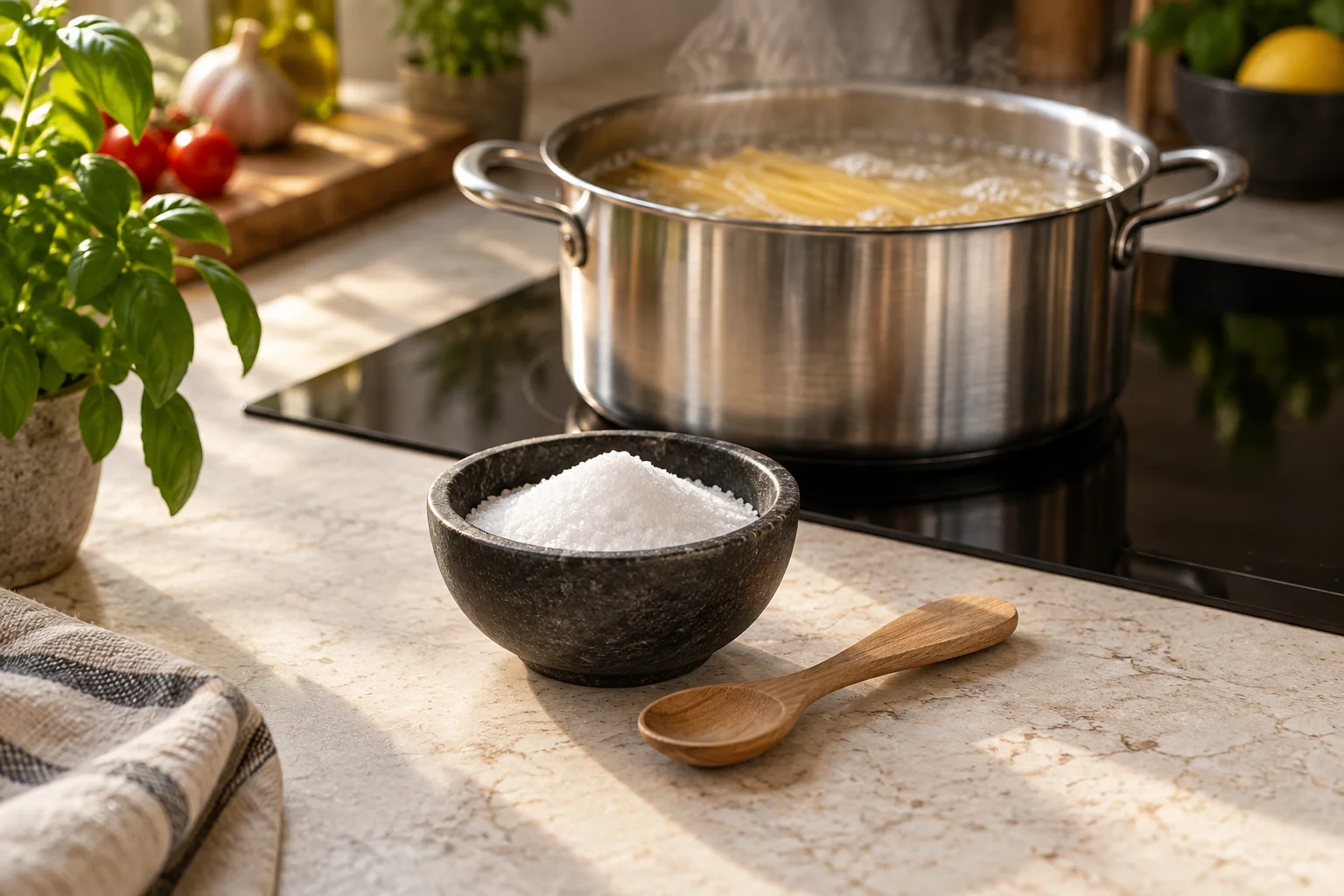
Salt in the cooking water seasons pasta as it cooks. The amount should reflect both the water volume and the complete dish. A small weighed quantity is easier to reproduce than the vague instruction that the water should taste like the sea.
Ordinary pasta cooked in a pot does not need oil in the water. A suitable pot, timely stirring and a prompt move into the sauce help prevent sticking. Olive oil can then be used deliberately where the recipe calls for it.
For a hot pasta dish, you normally drain the pasta without rinsing it under cold water. Cold dishes may use a different sequence. The useful question is what happens after draining: does the pasta go straight into sauce, or does it need deliberate cooling?
A vegan pasta sauce can start with a few well chosen ingredients. Tomatoes, cooked beans, vegetables, nuts and herbs each perform different jobs. These two small preparations show how to balance texture, seasoning and pasta quantity, with further ideas for choosing and adapting a sauce.
Gluten-free pasta is easier to prepare when the cooking method and sauce suit the particular packet. Rice, maize and pulses behave differently. Here is how to organise the meal, judge doneness and avoid broken or sticky pasta.
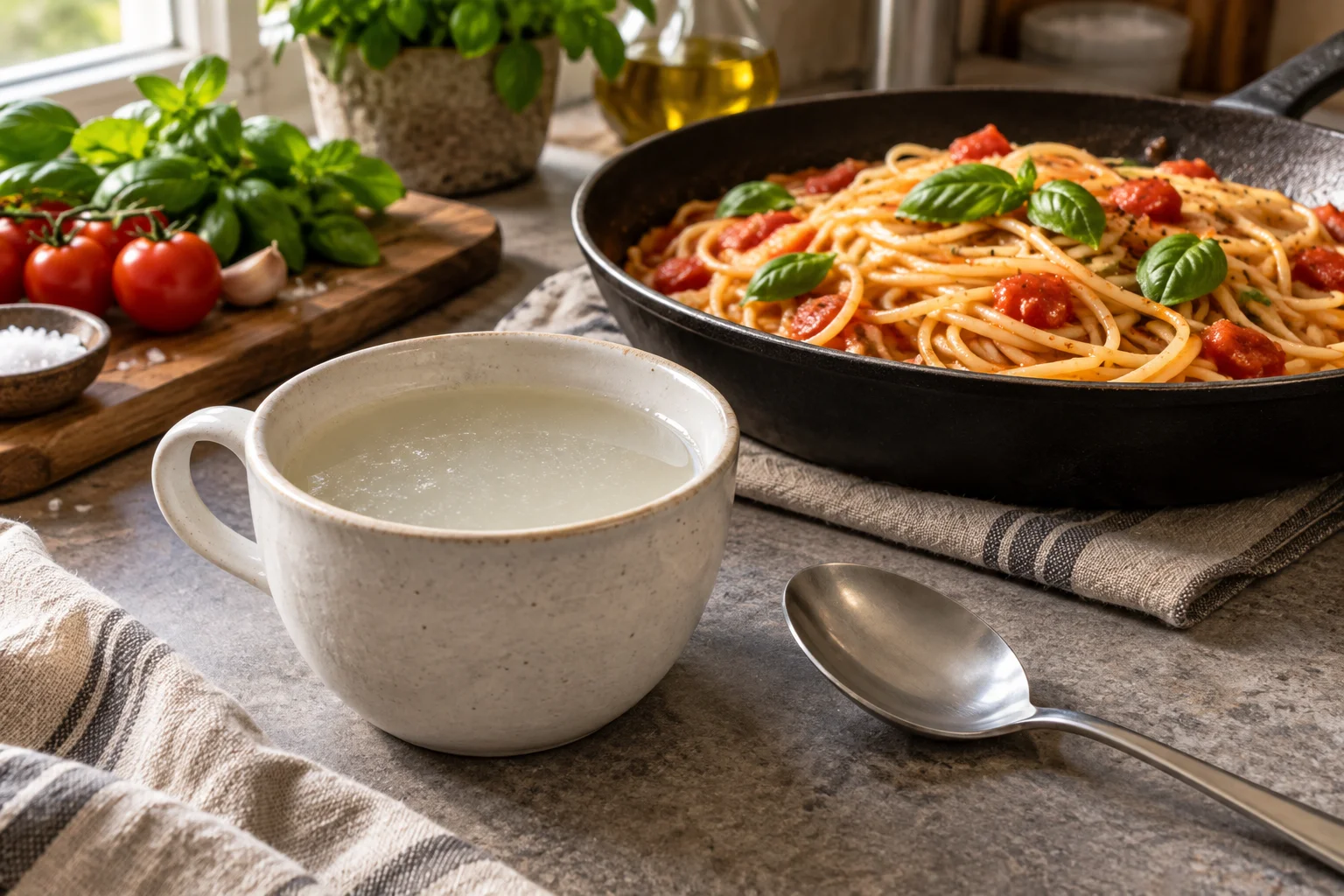
A small reserve of pasta cooking water helps bring pasta and sauce together smoothly. The useful details are when to collect it and how gradually to add it.
“Al bronzo” describes one stage of pasta production. Its surface can be useful when combining pasta with sauce, although flavour and cooking performance depend on more than this single feature.
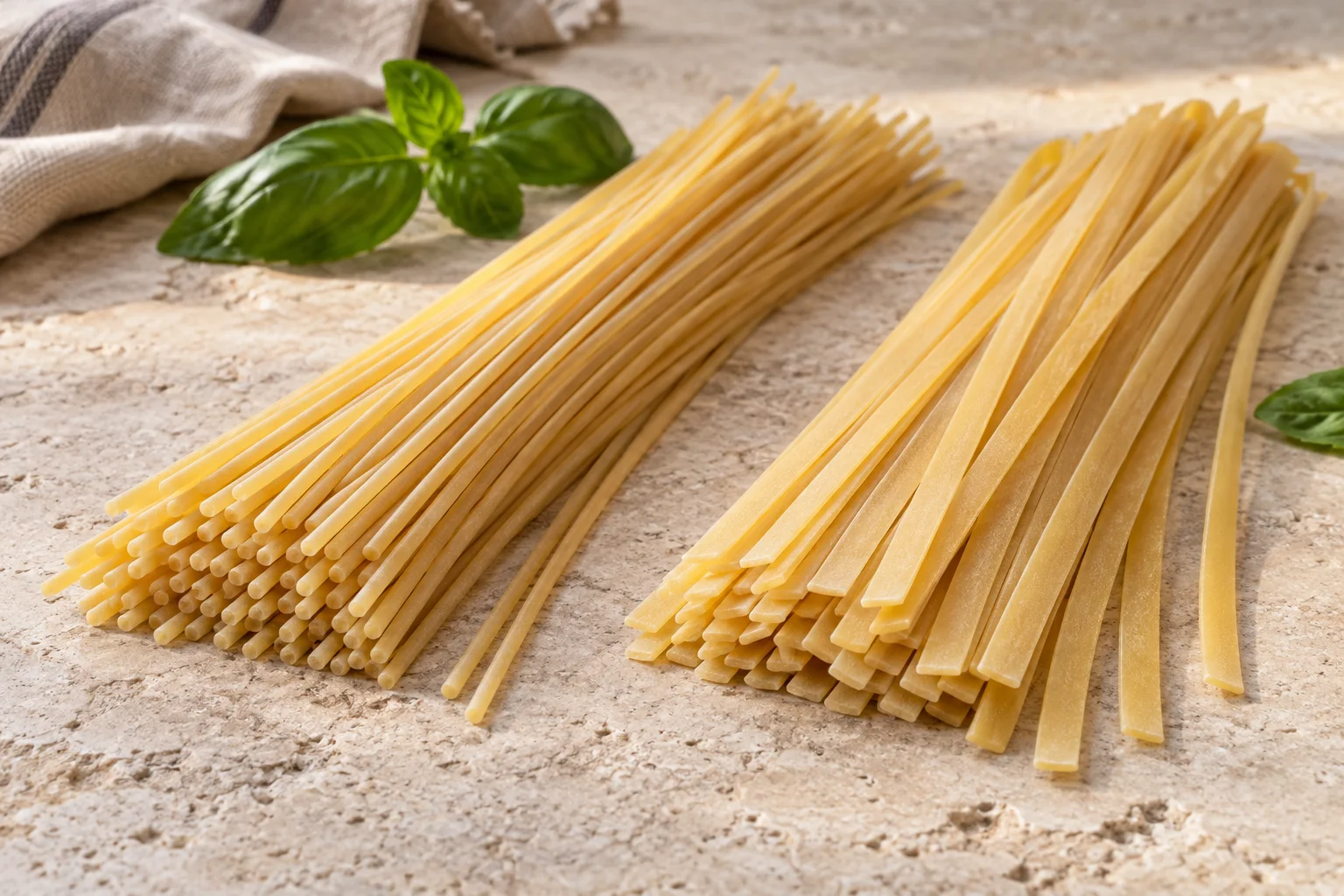
Both are long pasta, but their cross-sections differ. That changes the bite and helps you choose a shape for pesto, tomato sauce or a dish based on olive oil.
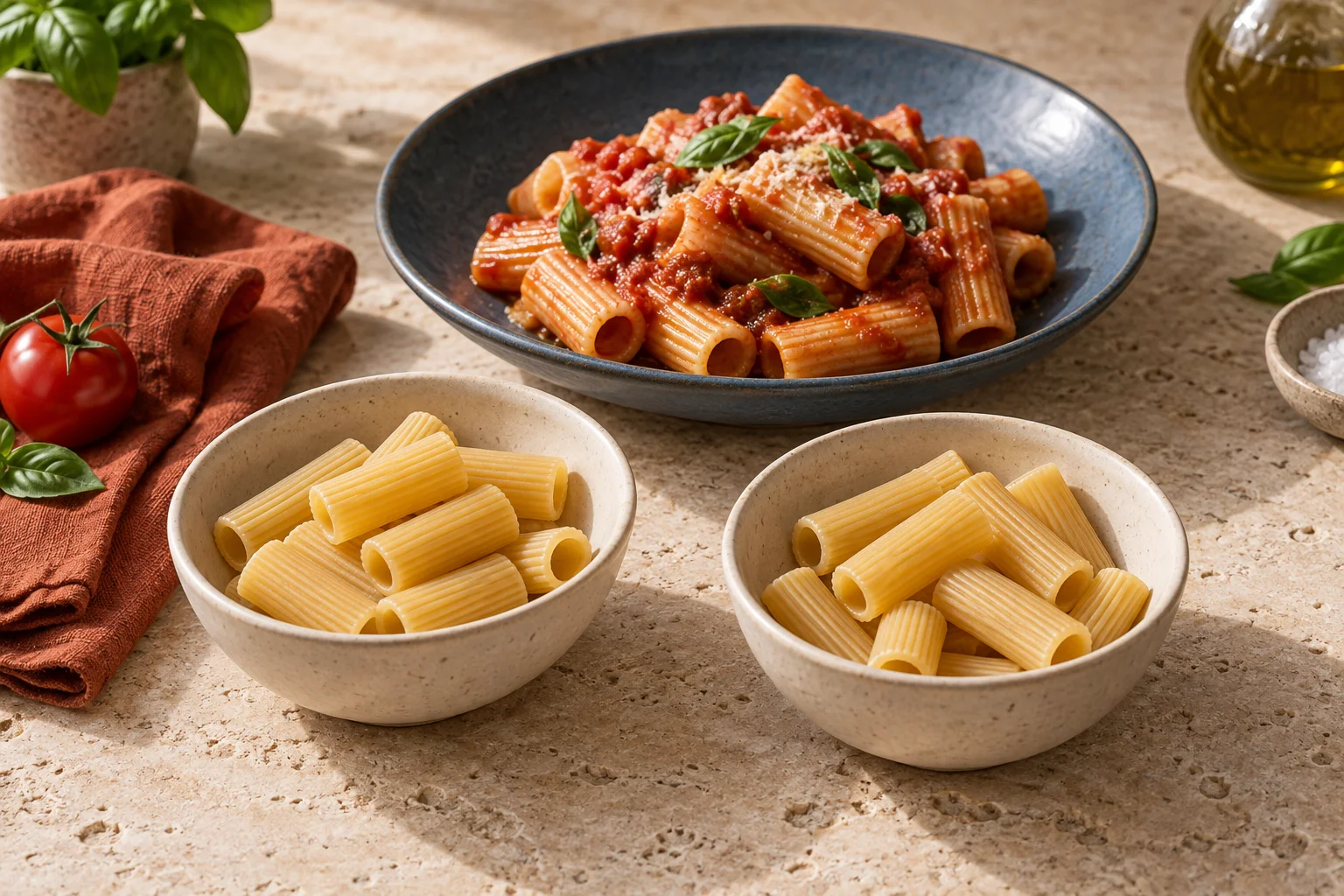
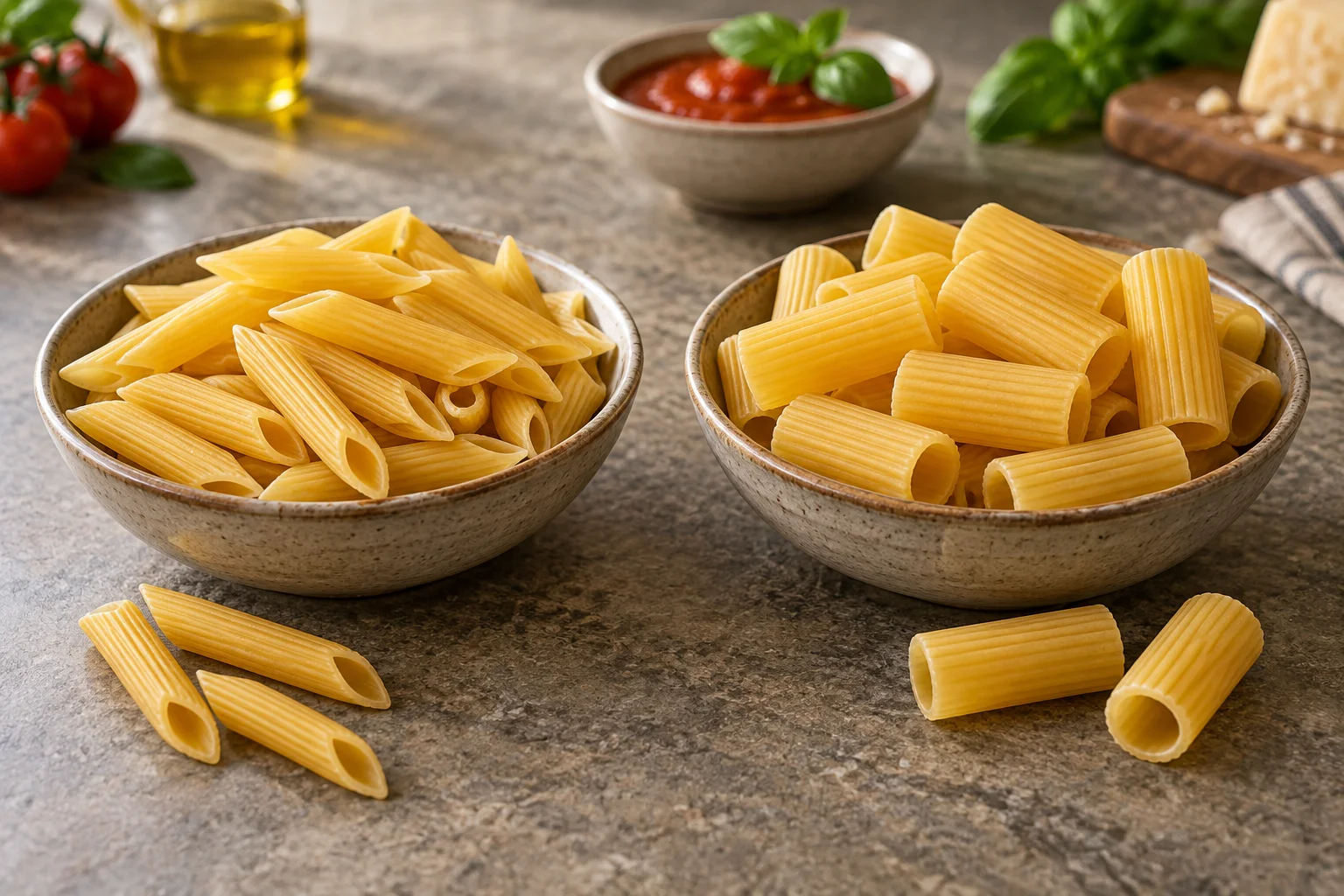
Penne and rigatoni carry sauce inside and out. Their main differences are the cut ends, width and bite. These details help you choose a shape for vegetables, ragù or a pasta bake.
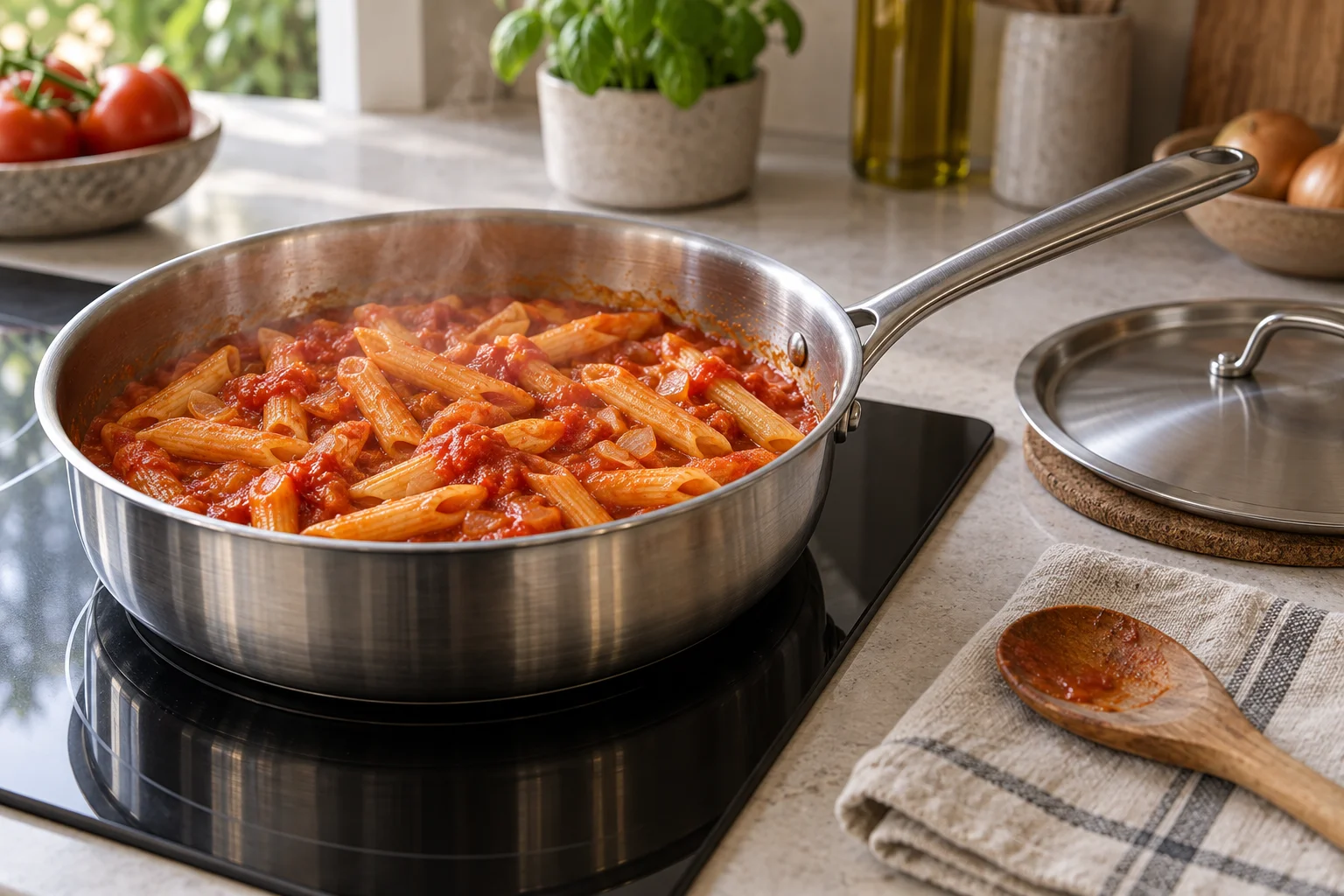
In one-pot pasta, the noodles cook directly in their sauce. A suitable starting quantity and small adjustments turn this into a straightforward meal. Here is a tomato version for two, followed by guidance on matching the pan, ingredients and cooking process.
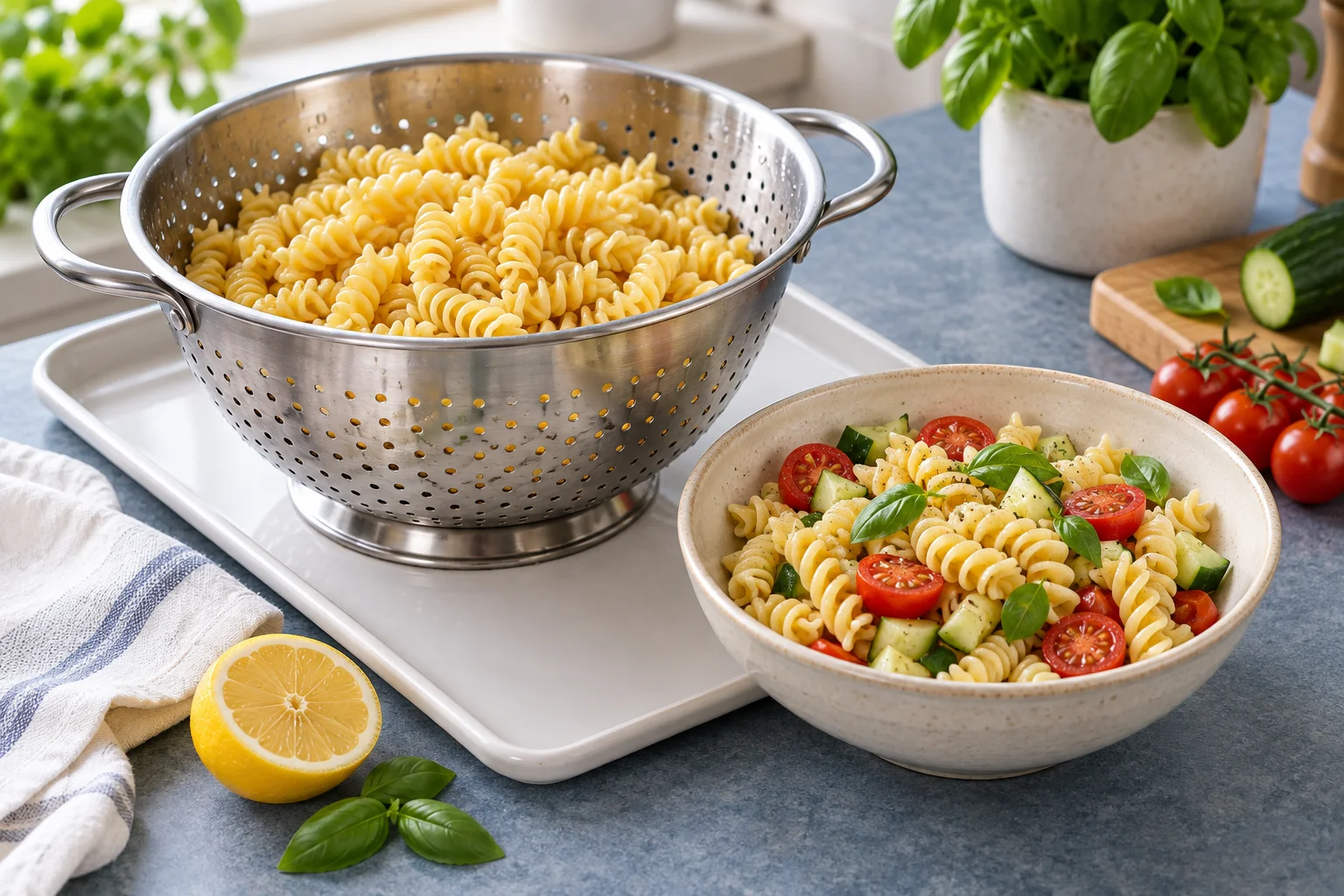
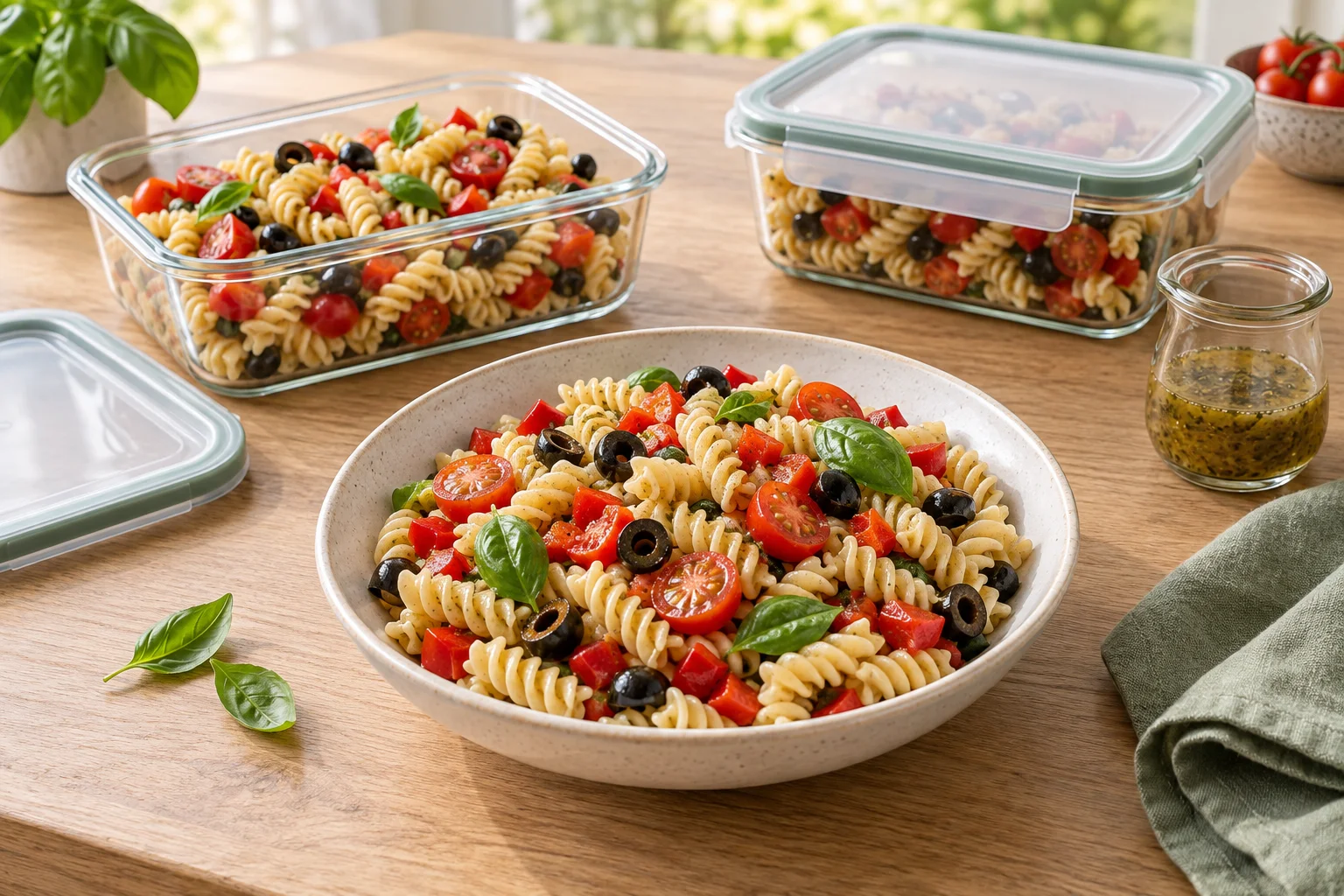
Pasta salad works well for guests when pasta, dressing and fresh ingredients come together at the right time. This guide combines a simple tomato, pepper and olive version with a schedule for advance preparation, transport and serving at a buffet.
Yesterday’s pasta needs suitable moisture, even heating and a short journey to the table. Choose a method for single portions, tomato sauce, delicate cheese dishes or a layered bake, with clear steps for each.
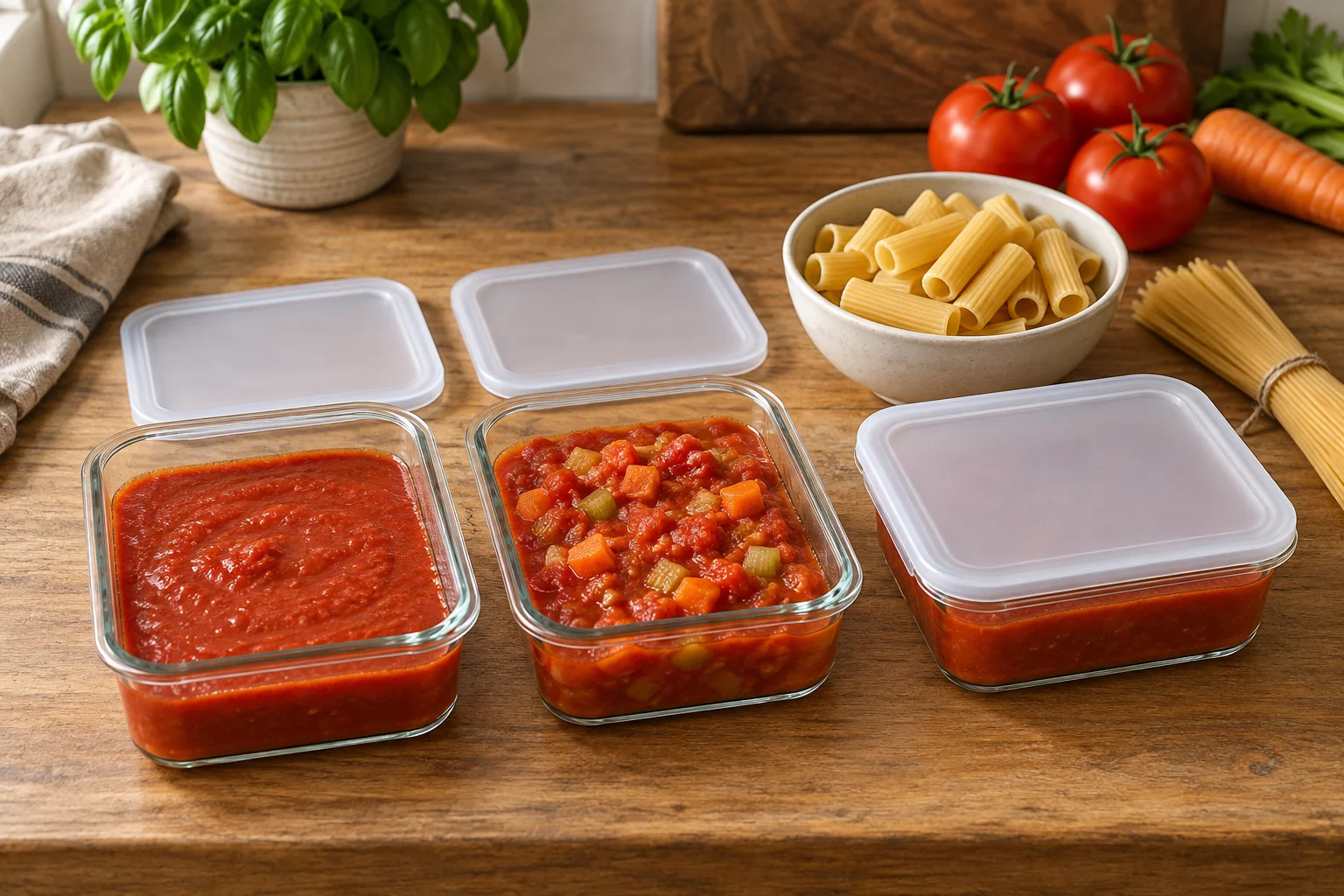
A few prepared components make pasta easier to serve on busy days. This plan for two people combines three different dinners with a manageable shopping list and clearly allocated portions.
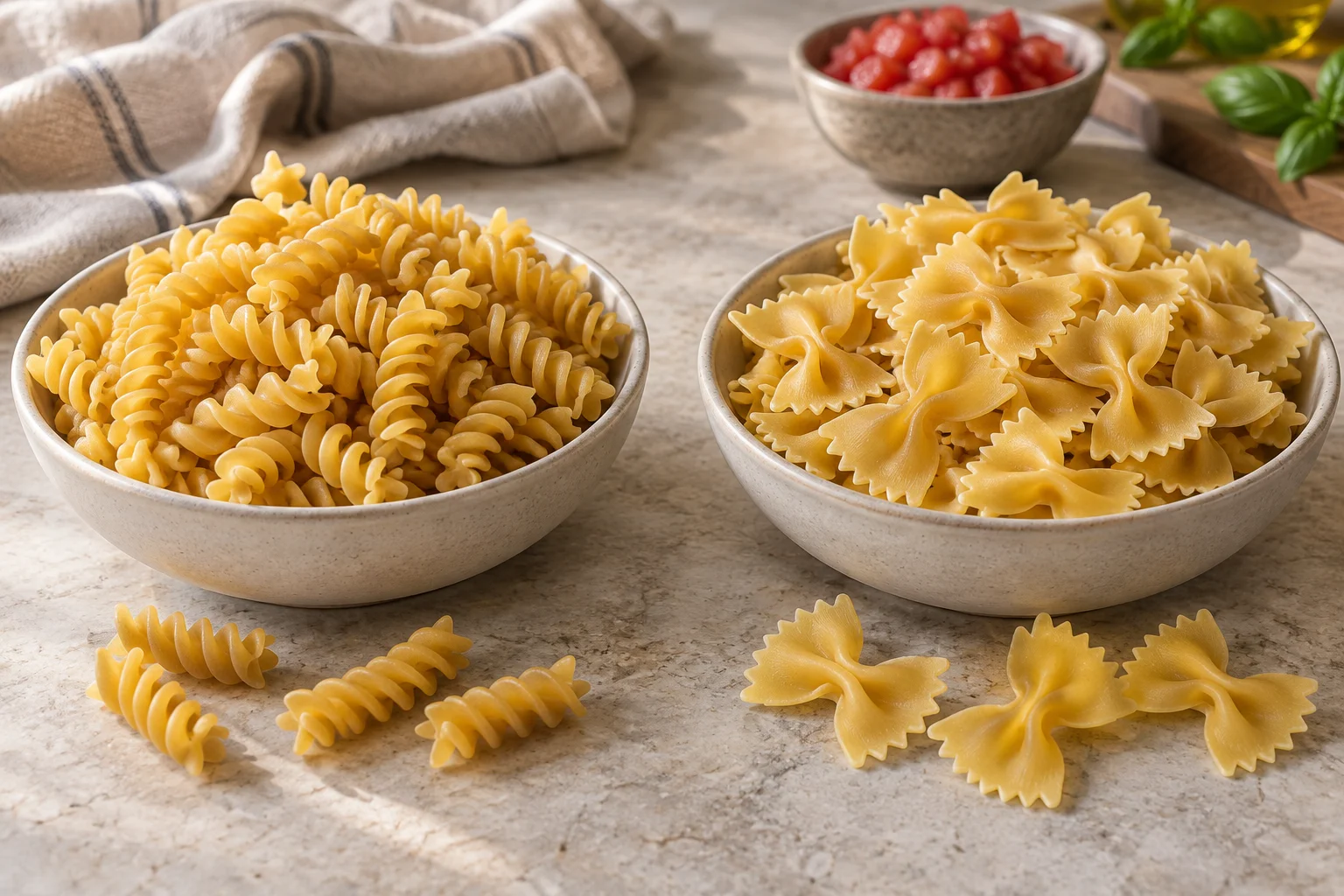
Both work warm with sauce and cold in salads. Their spirals and folded bow ties nevertheless behave differently during cooking and mixing.
Tagliatelle and pappardelle are long, flat noodles. Their different widths affect their bite and how they combine with sauce; cooking time also depends on the actual product.
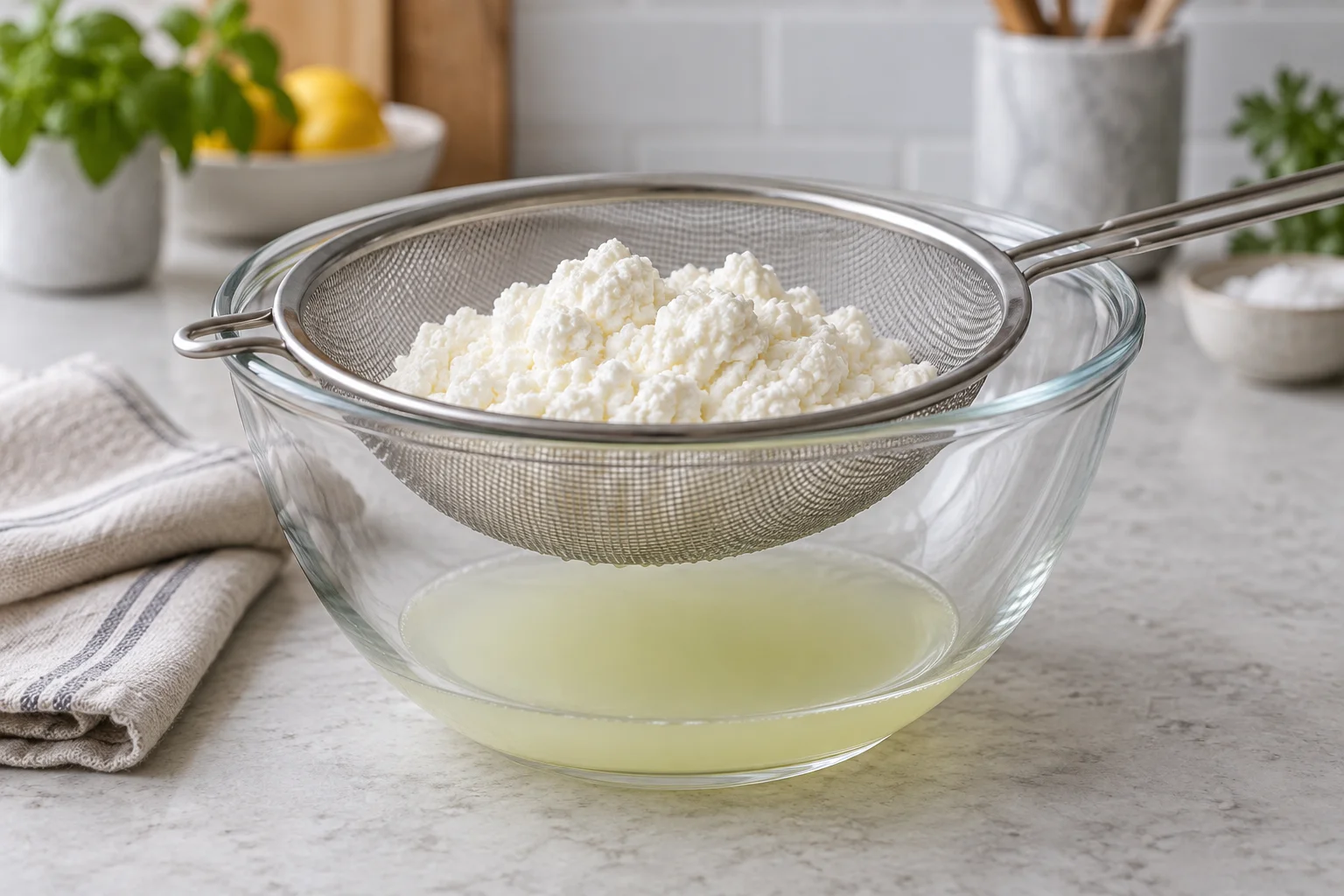
Ricotta for ravioli, tortelloni or cannelloni should form a soft, manageable filling. Remove free liquid before mixing, using a sieve, a bowl and space in the refrigerator.
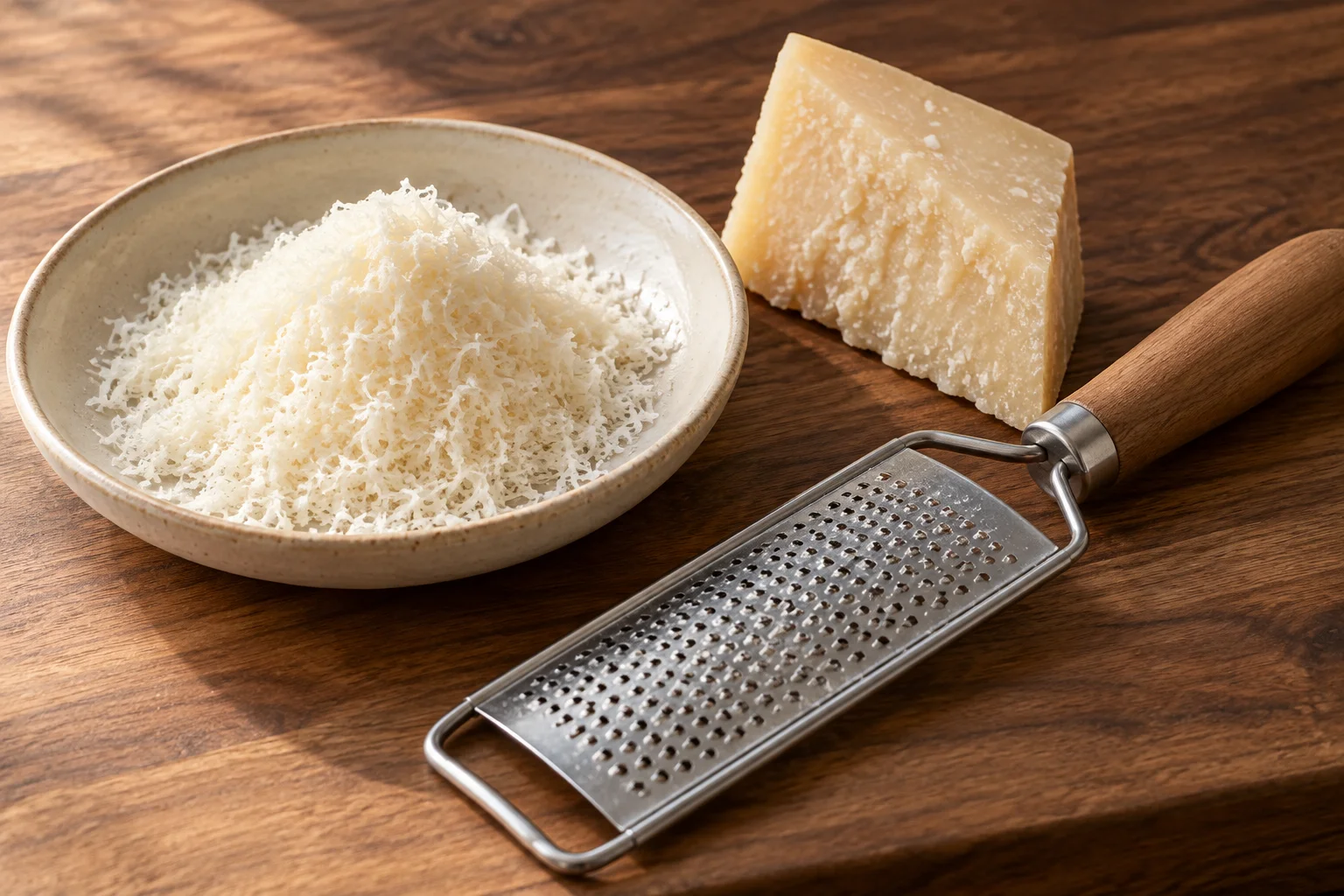
Finely grated Parmesan is easier to distribute evenly through sauce than large shavings. The grater prepares the cheese; a smooth sauce also needs suitable liquid and temperature.
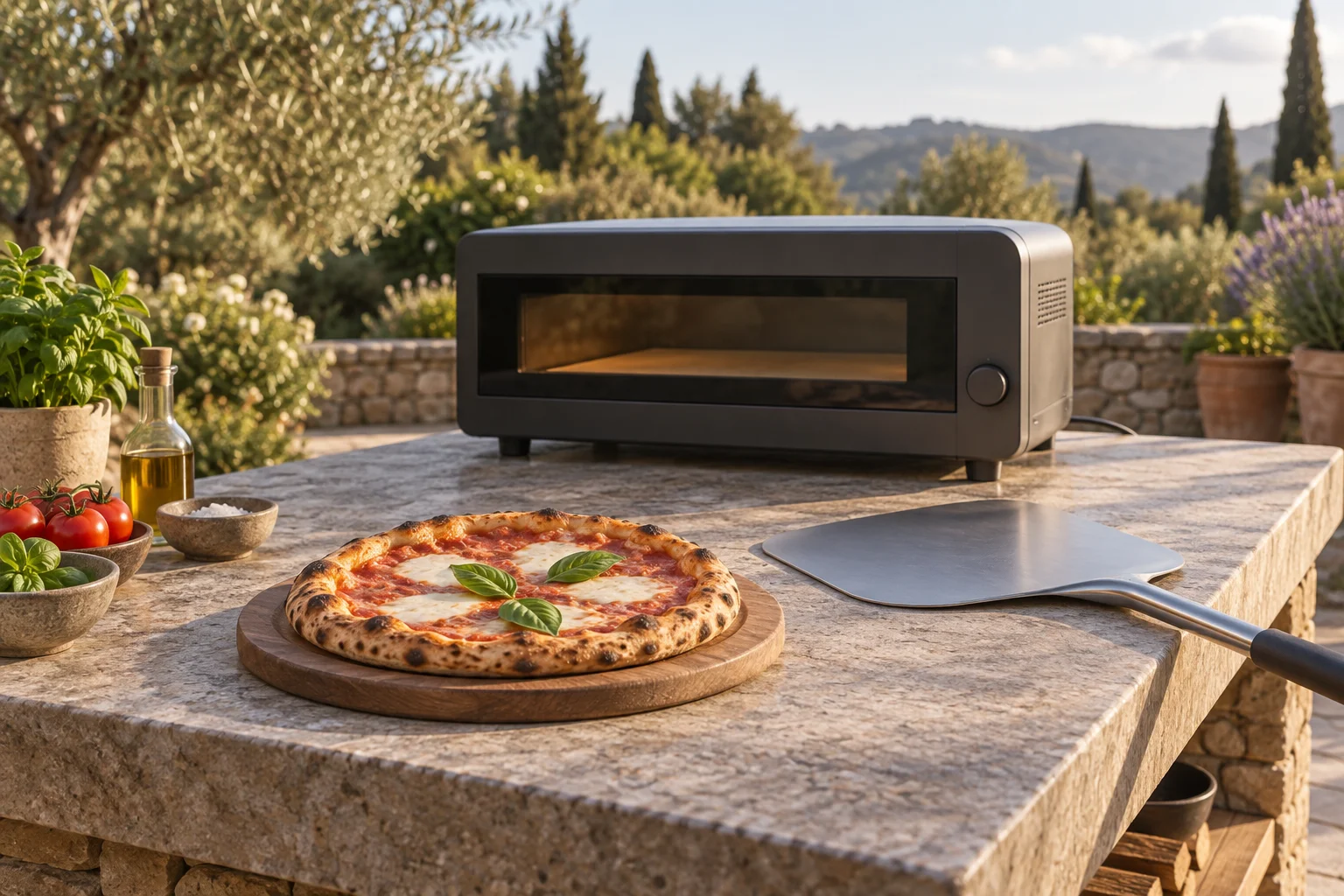
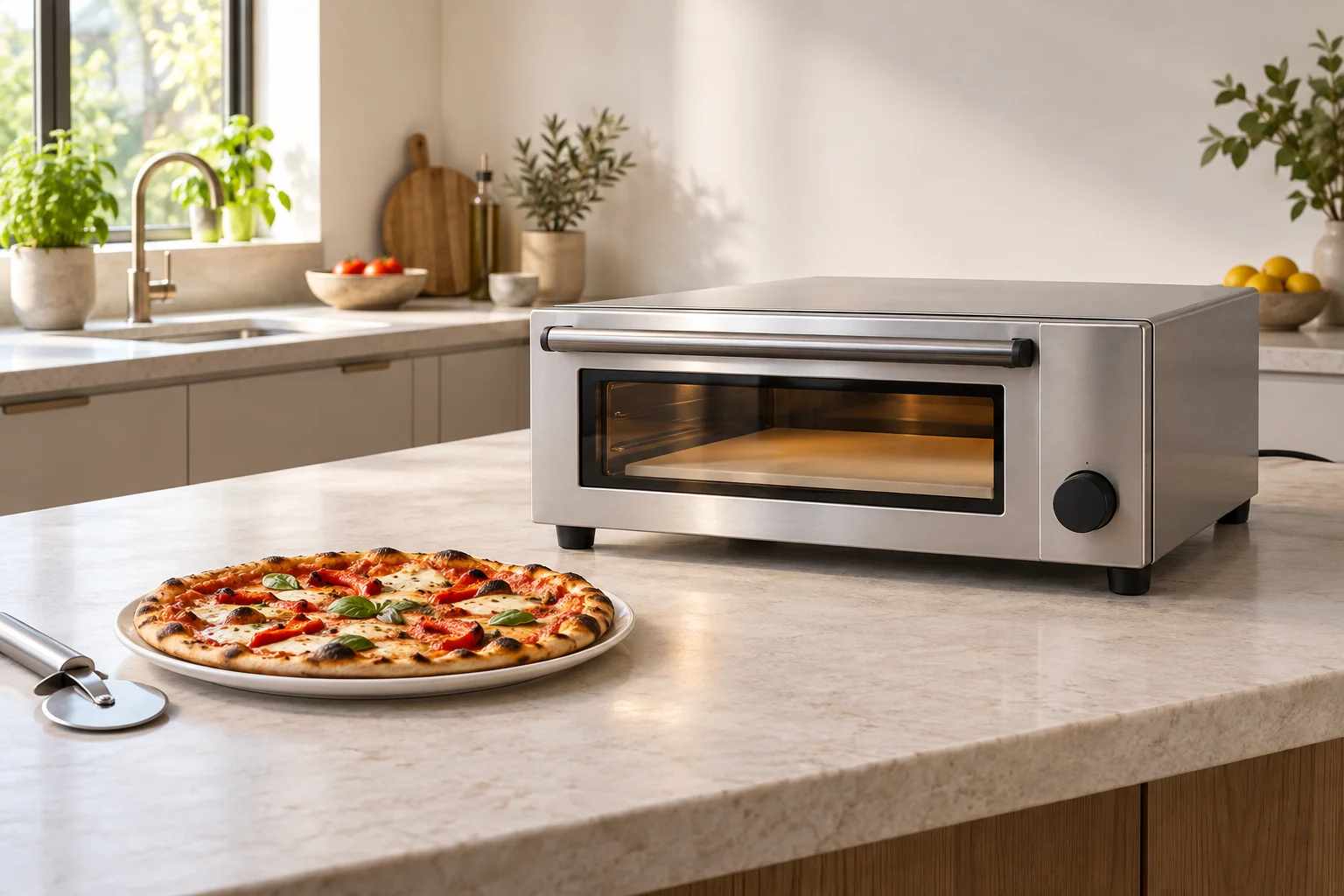
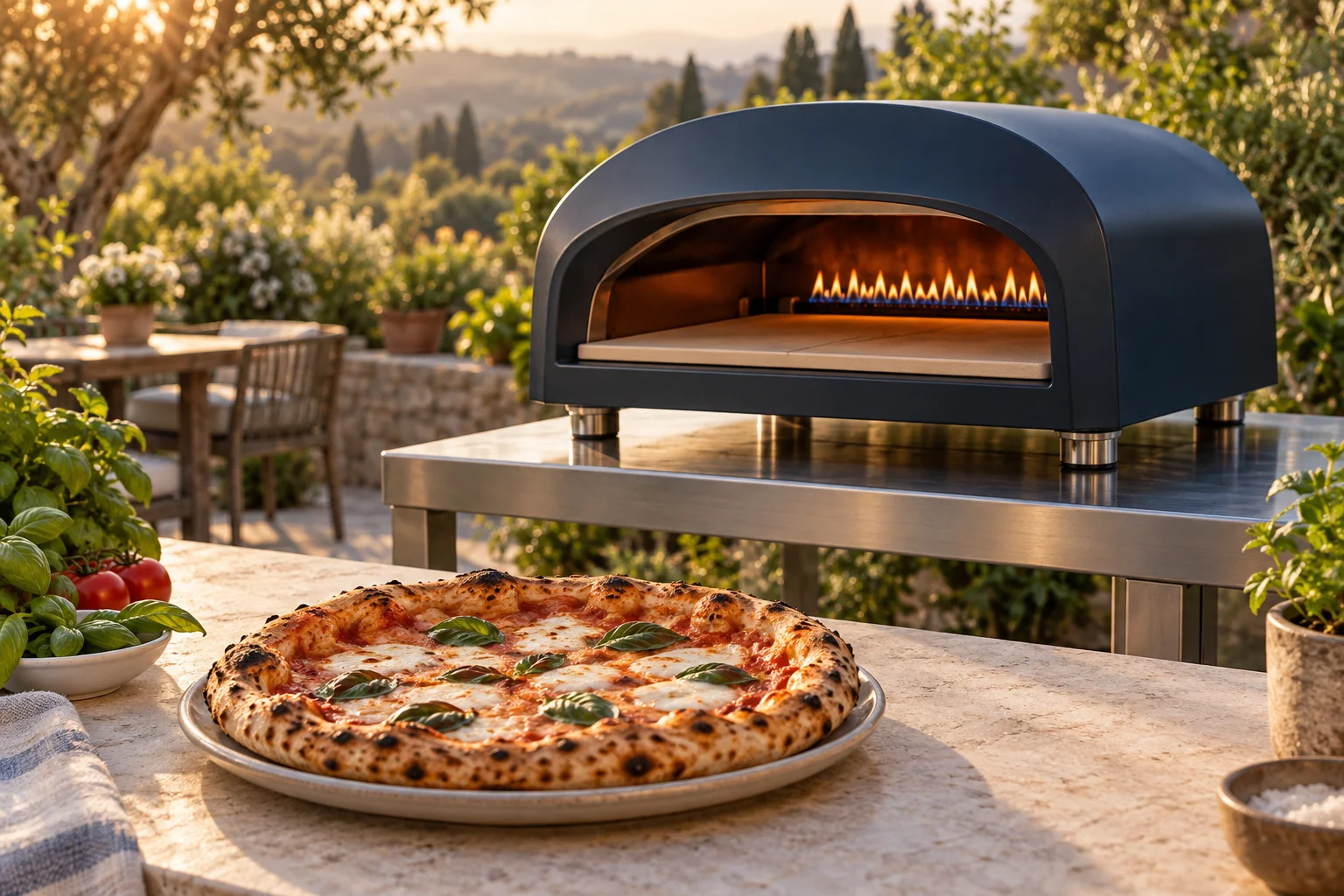
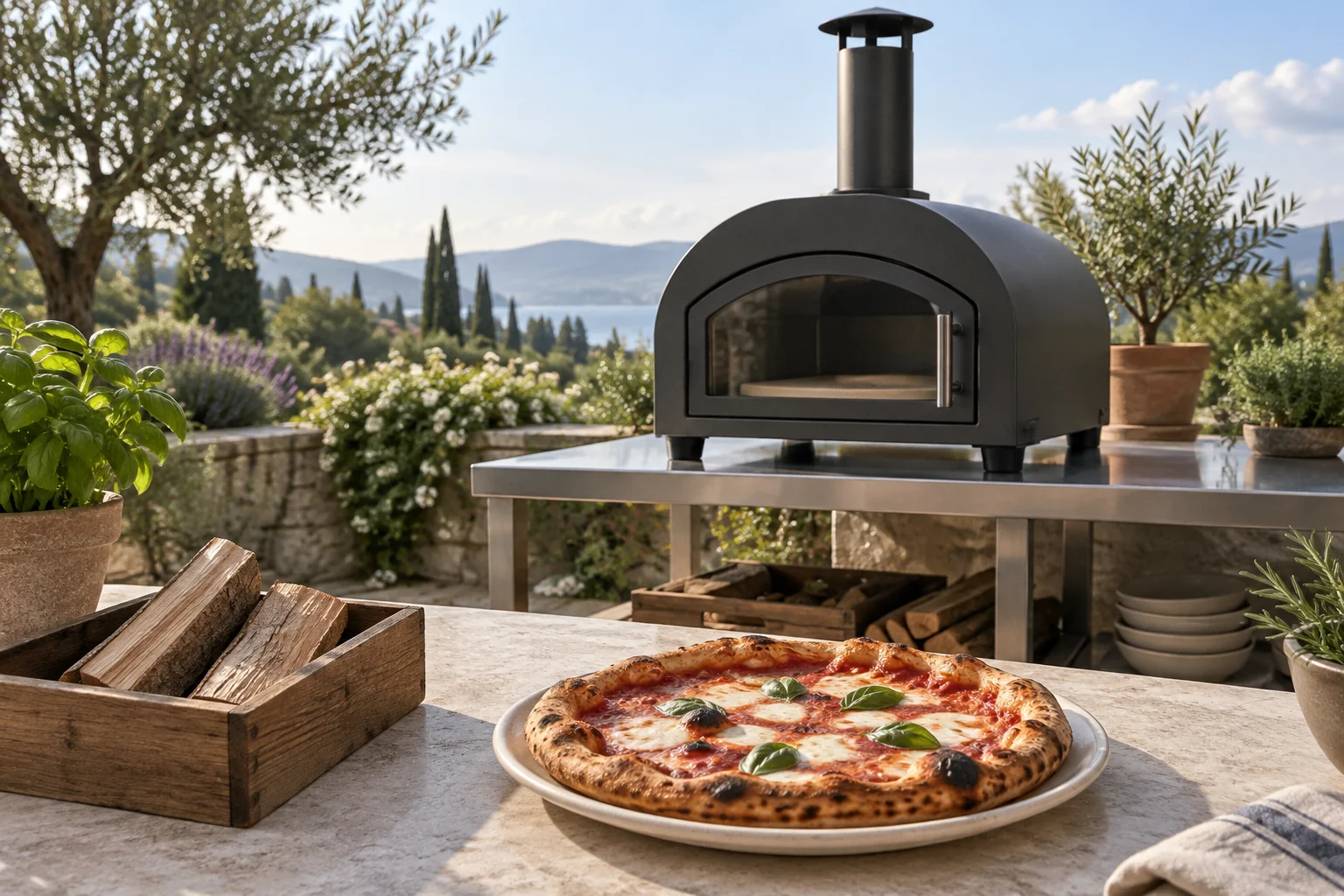
An electric pizza oven can make patio pizza nights easier: no fuel to replenish, temperature controls on the appliance and a steady sequence of pizzas. Whether a model suits your space and cooking style depends on more than its maximum temperature. This guide explains how to compare manufacturers’ information and organise cooking outdoors.
A dedicated kitchen pizza oven is most useful when it suits both your pizzas and your routine. Temperature and baking space matter, but so do a clear worktop, a suitable power connection and the steps from preheating to storage. Here is the information to check before buying and how to avoid common mismatches.
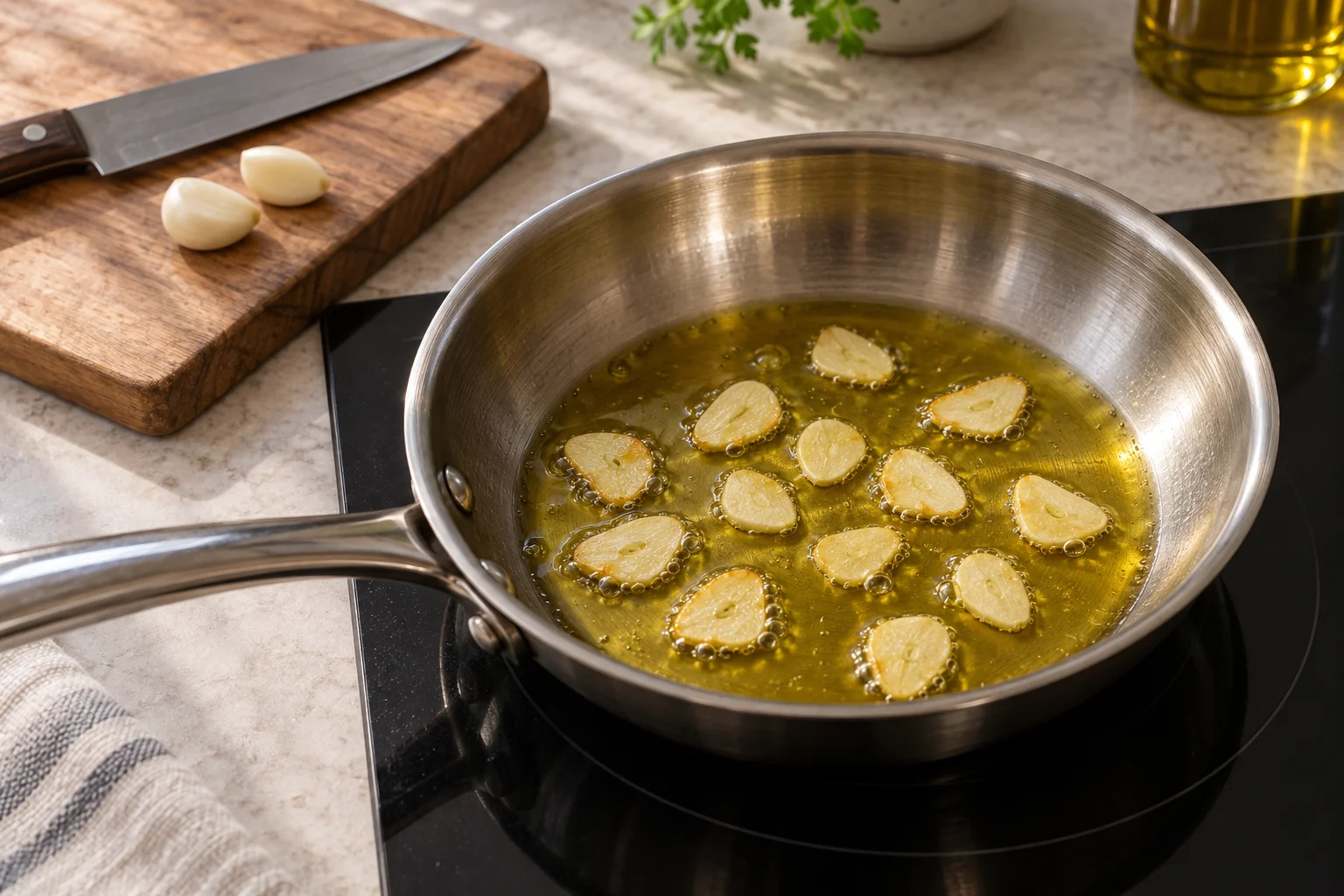
Garlic often needs only a brief spell in the pan for a pasta sauce. If it becomes very dark, its flavour can affect the entire mixture. Suitable heat, evenly cut pieces and a sensible cooking order usually help prevent the problem.
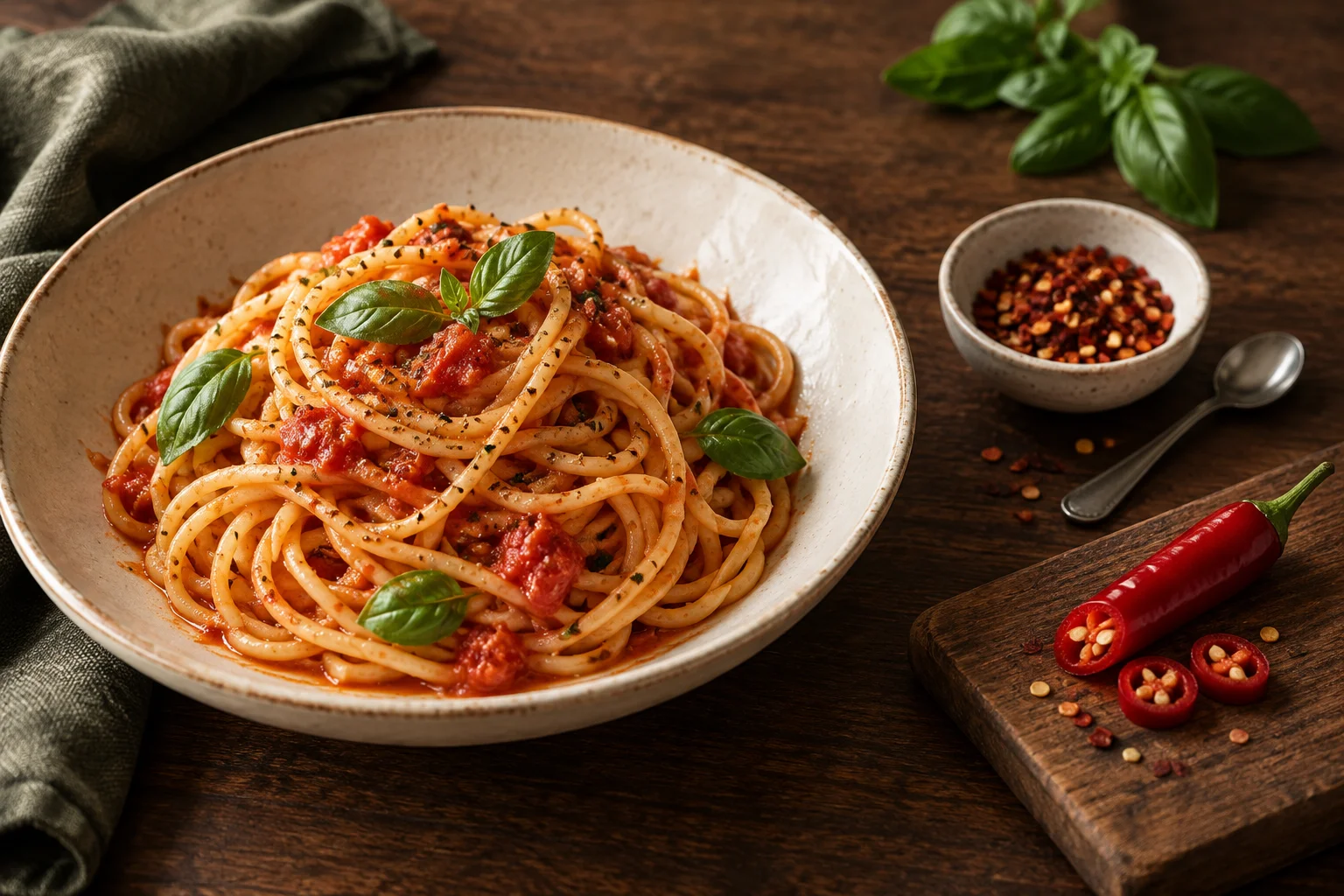
Good chilli seasoning still lets you taste the tomatoes, garlic or cheese. The particular product and the people eating matter most. A whole pepper or teaspoon of flakes is therefore not a dependable heat level for every pasta dish.
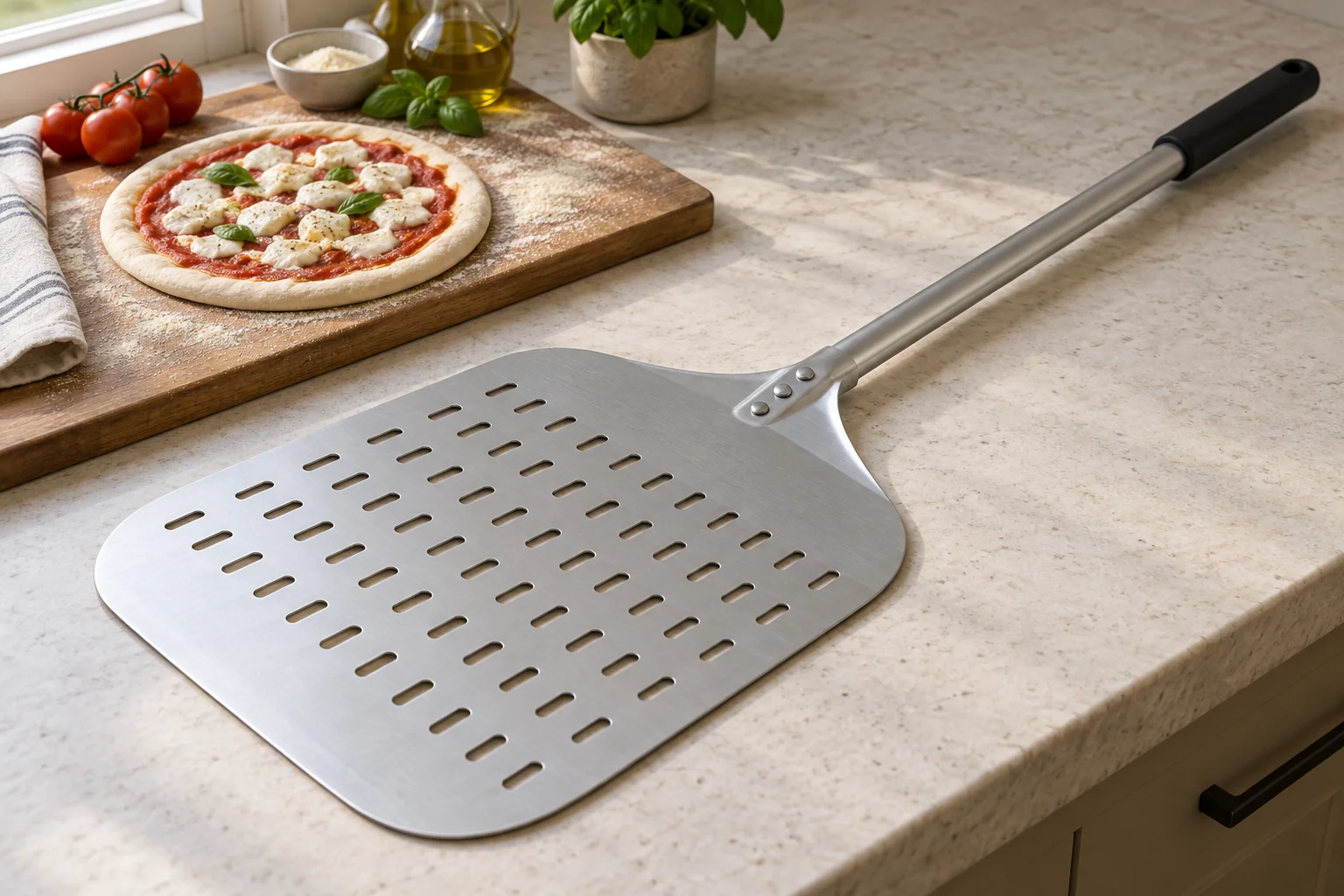
A perforated peel can help remove excess flour beneath a pizza. A successful launch also depends on the dough, toppings and working routine. What matters is a suitable peel you can handle calmly without unnecessary waiting.
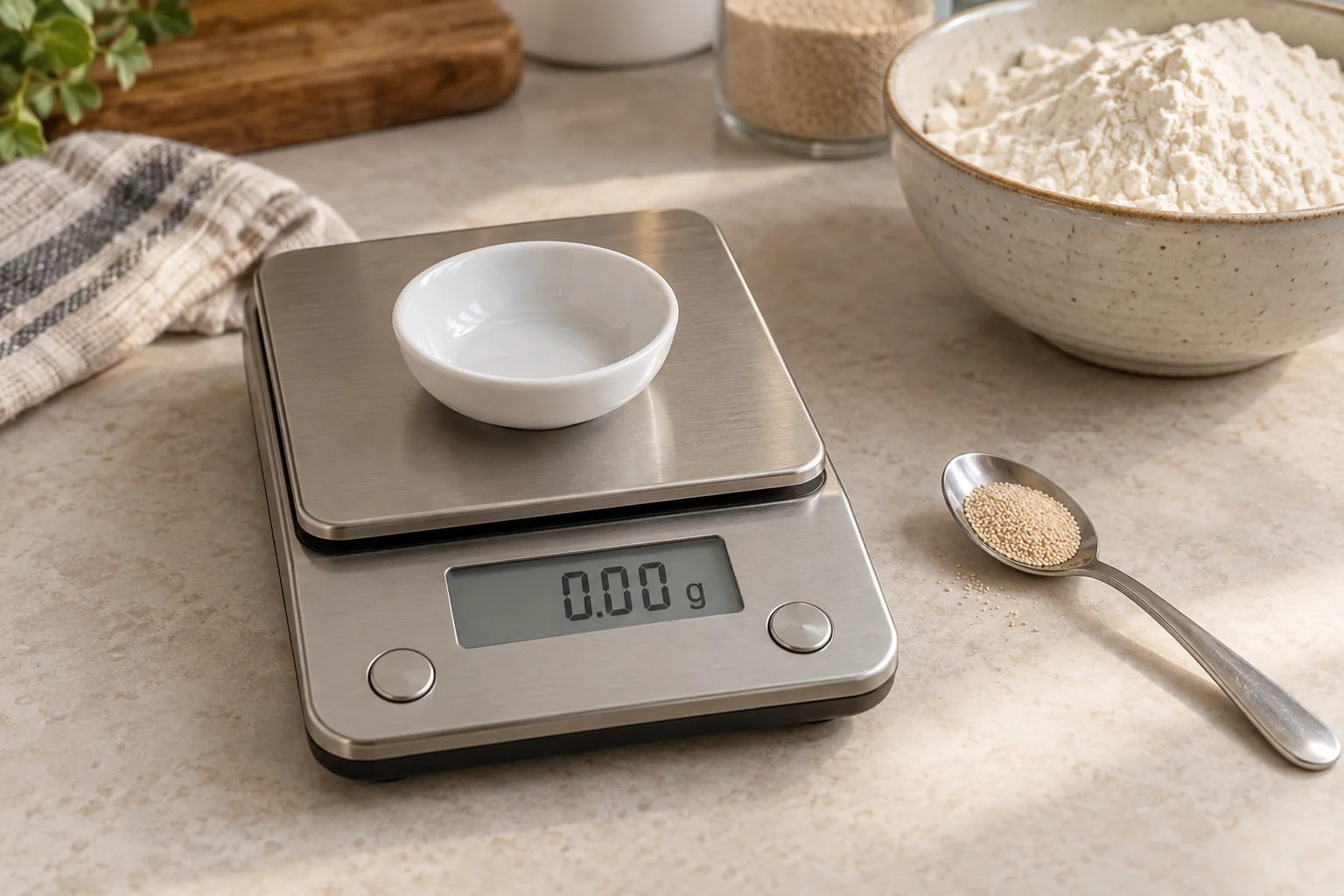
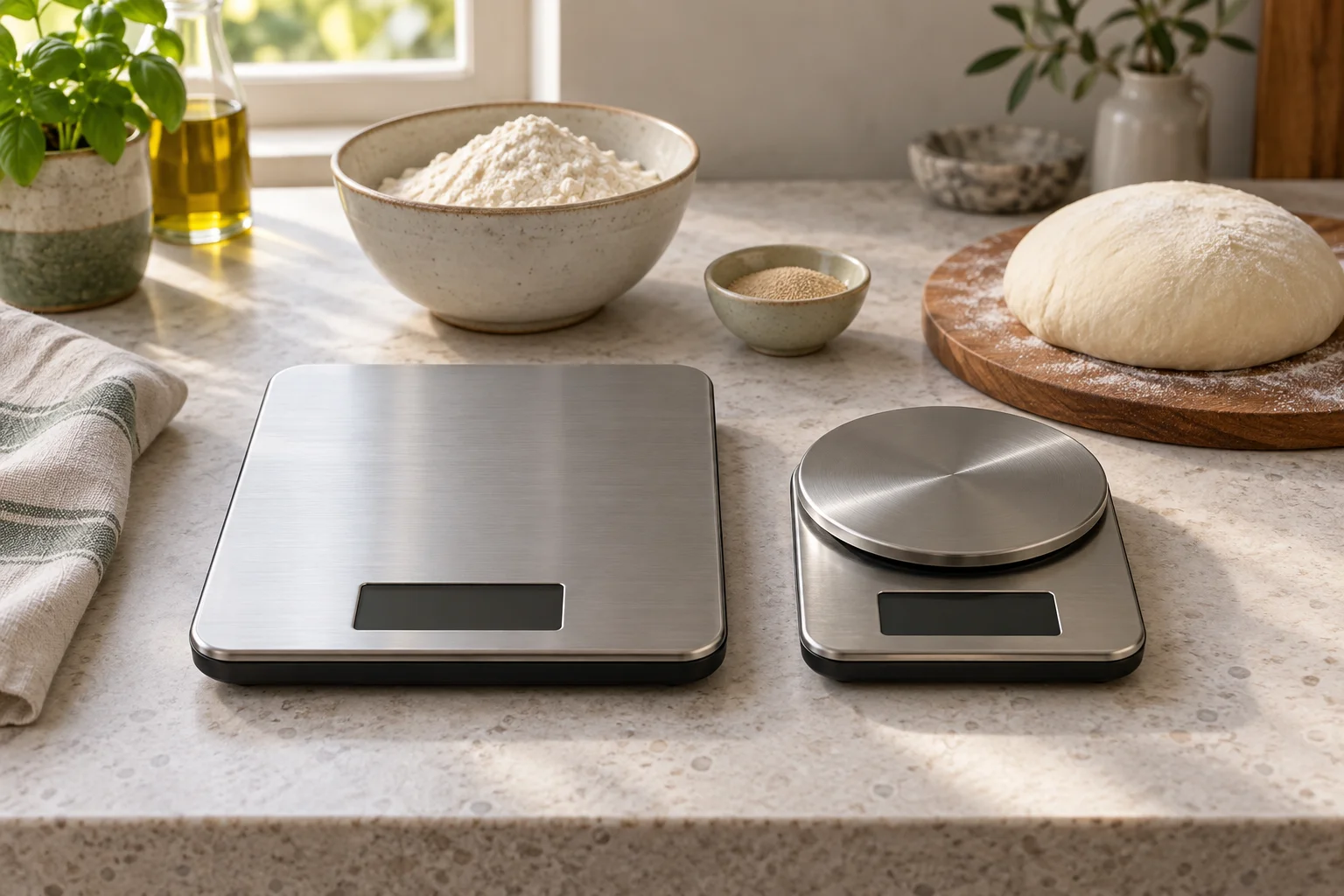
A normal kitchen scale can struggle with small quantities of yeast. Another decimal place helps only if the instrument can reliably measure the amount you need. Here is how to interpret scale specifications and weigh small ingredients sensibly.
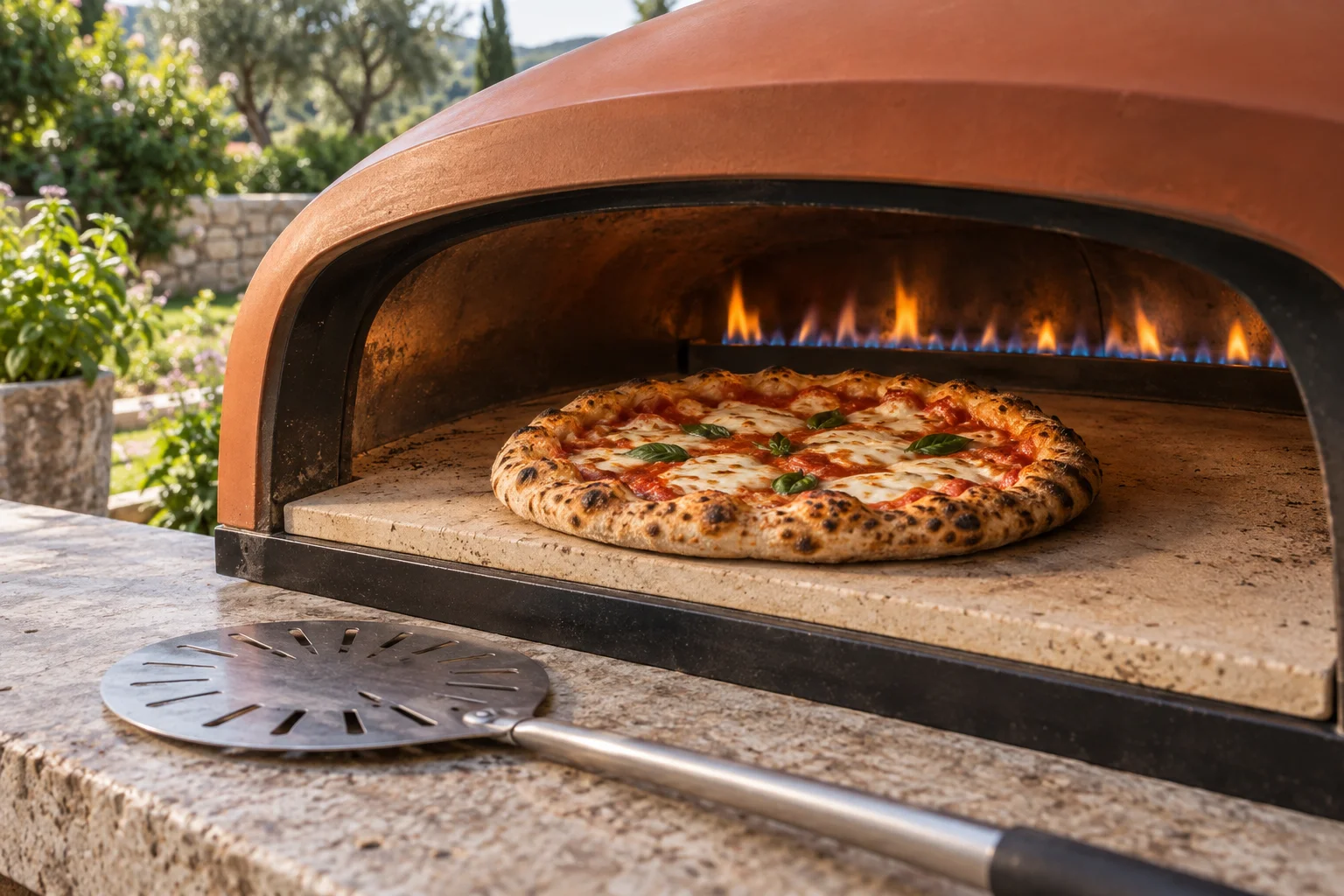
A gas pizza oven gives you direct control over its flame. Whether it suits you depends on your outdoor space, the correct gas connection and the pizzas you want to cook. This guide works through the buying decision and the main stages of using the oven.
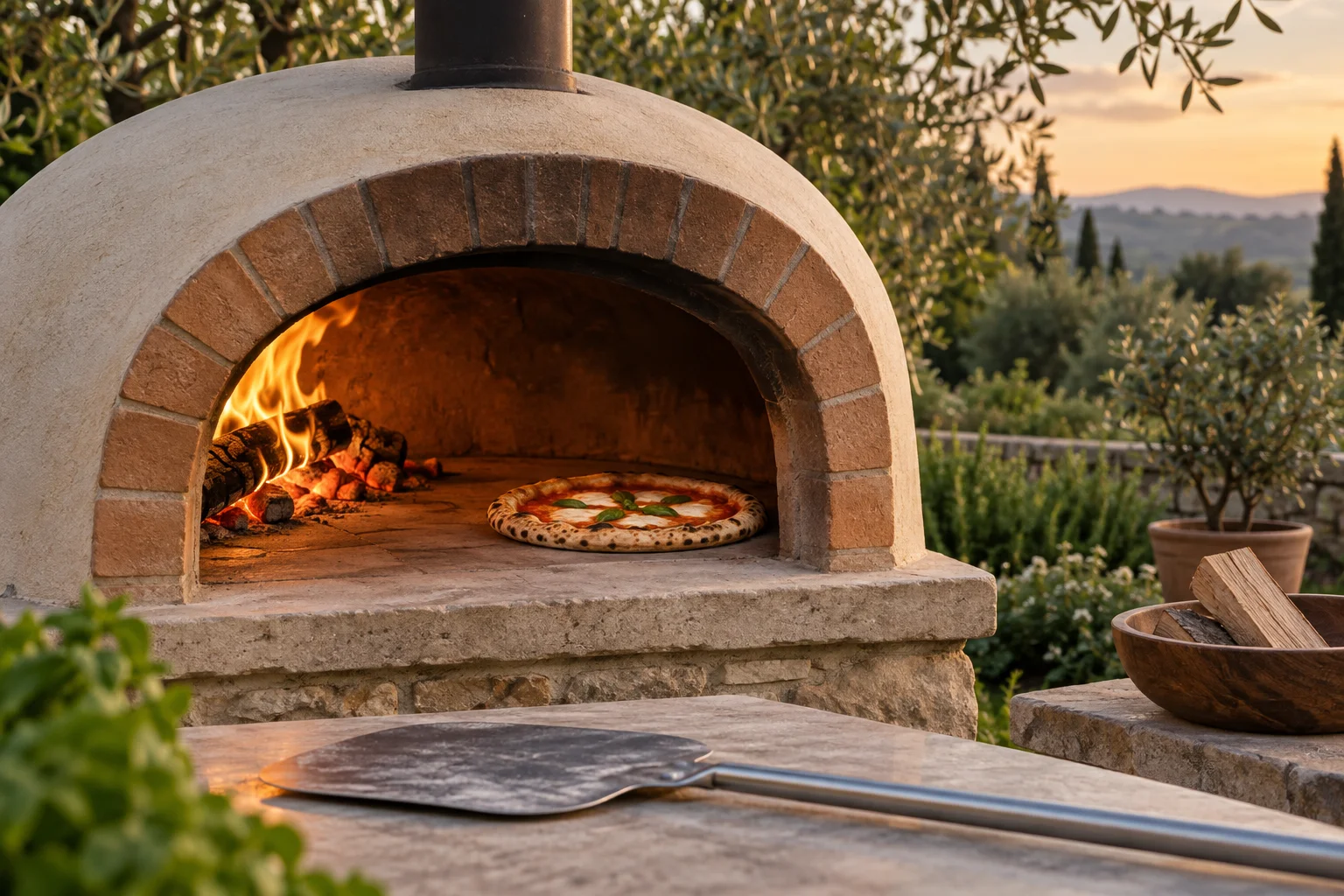
A wood-fired pizza oven makes tending the fire part of cooking. For a relaxed evening, the location, fuel, cooking space and preparation need to work together. This guide explains the main buying decisions and the sequence of a manageable pizza session.
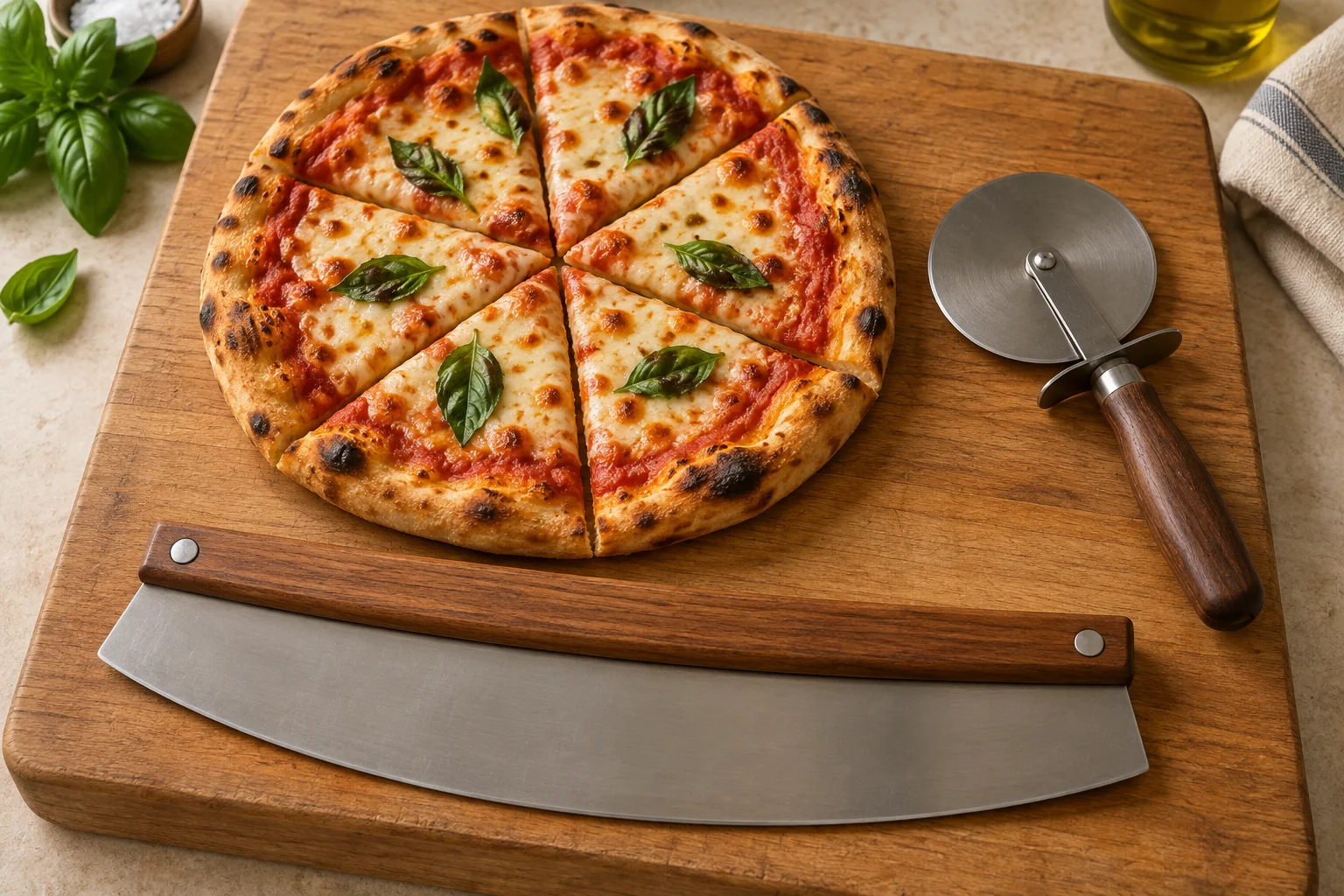
A useful pizza cutter separates the base, rim and toppings with control. Whether a wheel or a long rocker blade is more practical depends on your pizzas, cutting board and available storage space.
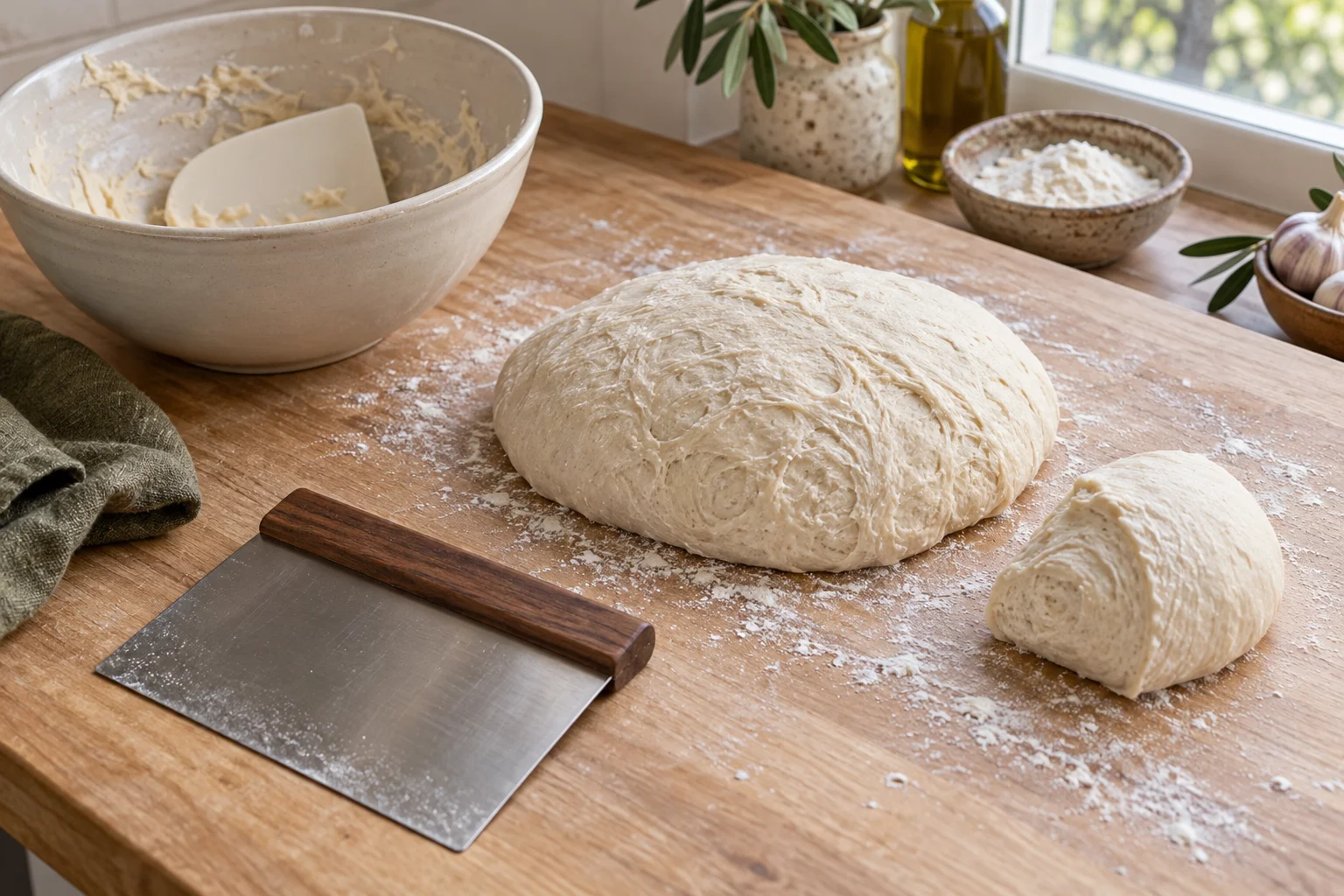
A dough scraper helps release sticky dough, divide portions and collect residue from the work surface. The most useful shape depends on whether you are working inside a bowl or on a board.
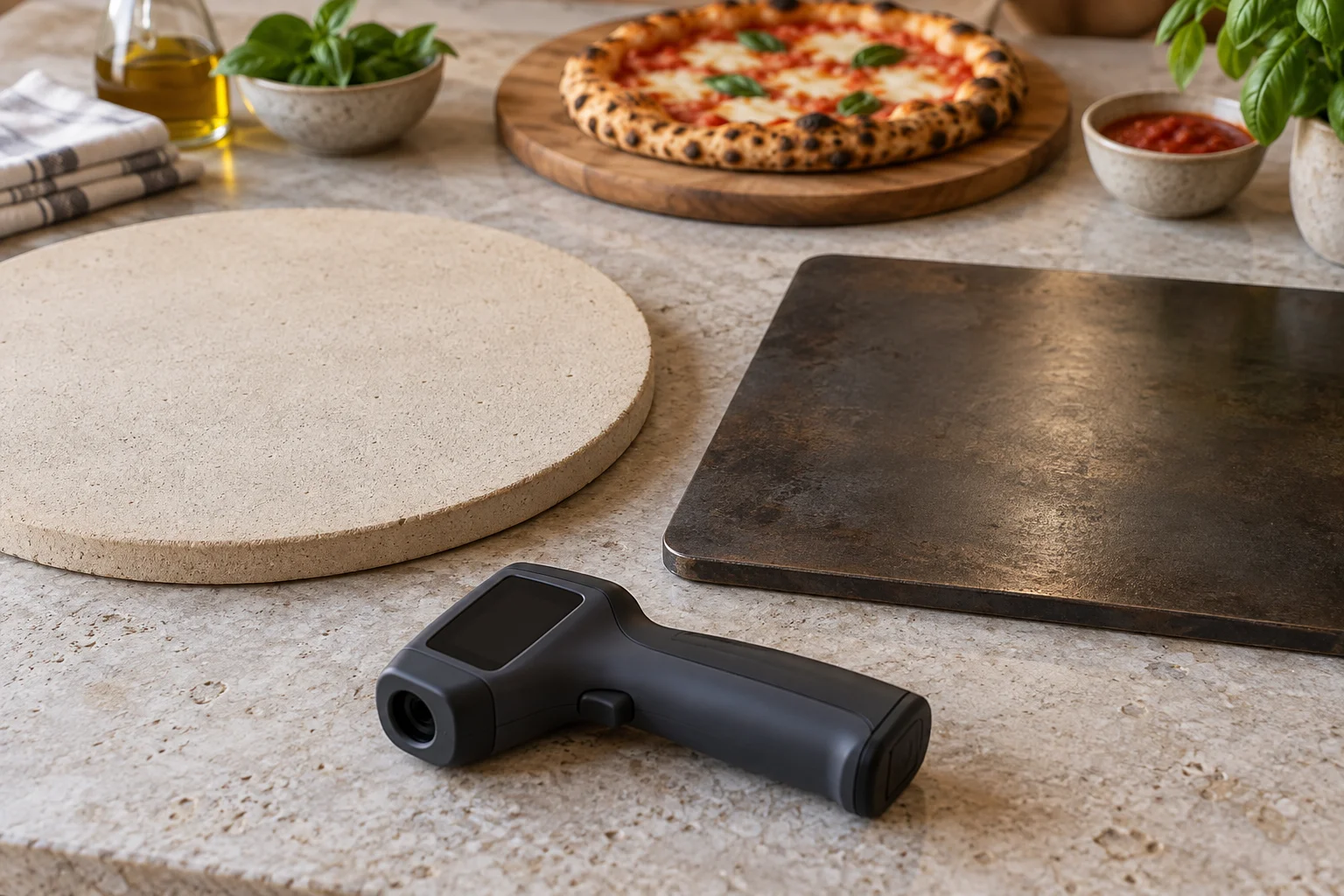
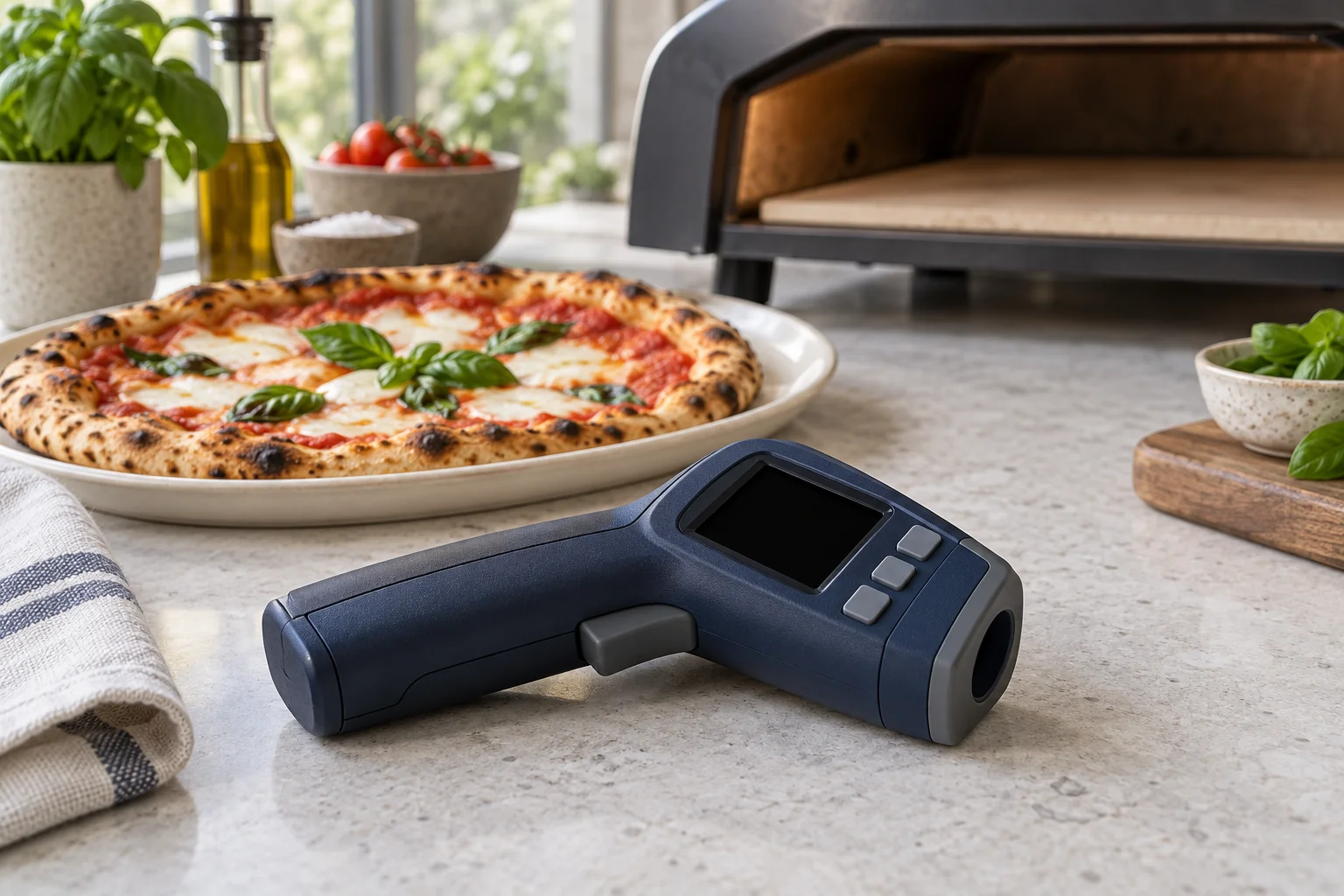
An infrared thermometer calculates surface temperature from the thermal radiation it receives. Its emissivity setting describes a property of the surface. If the setting does not suit the target, a precise-looking display can still be wrong.
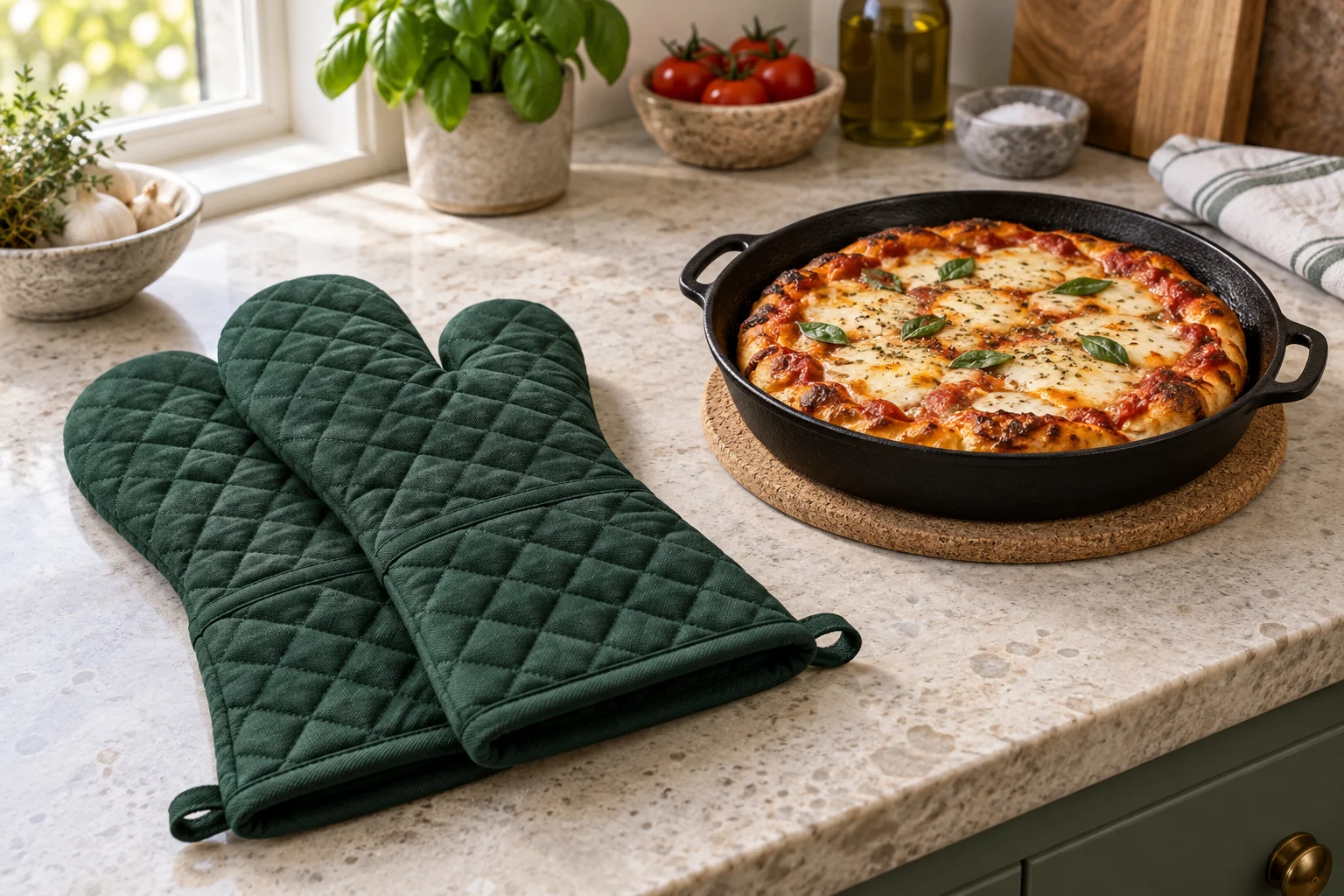
Oven gloves need to suit the hot cookware and the movement you intend to make. A large temperature number on the packaging is not enough. Usage limits, condition, fit and a prepared resting place all matter.
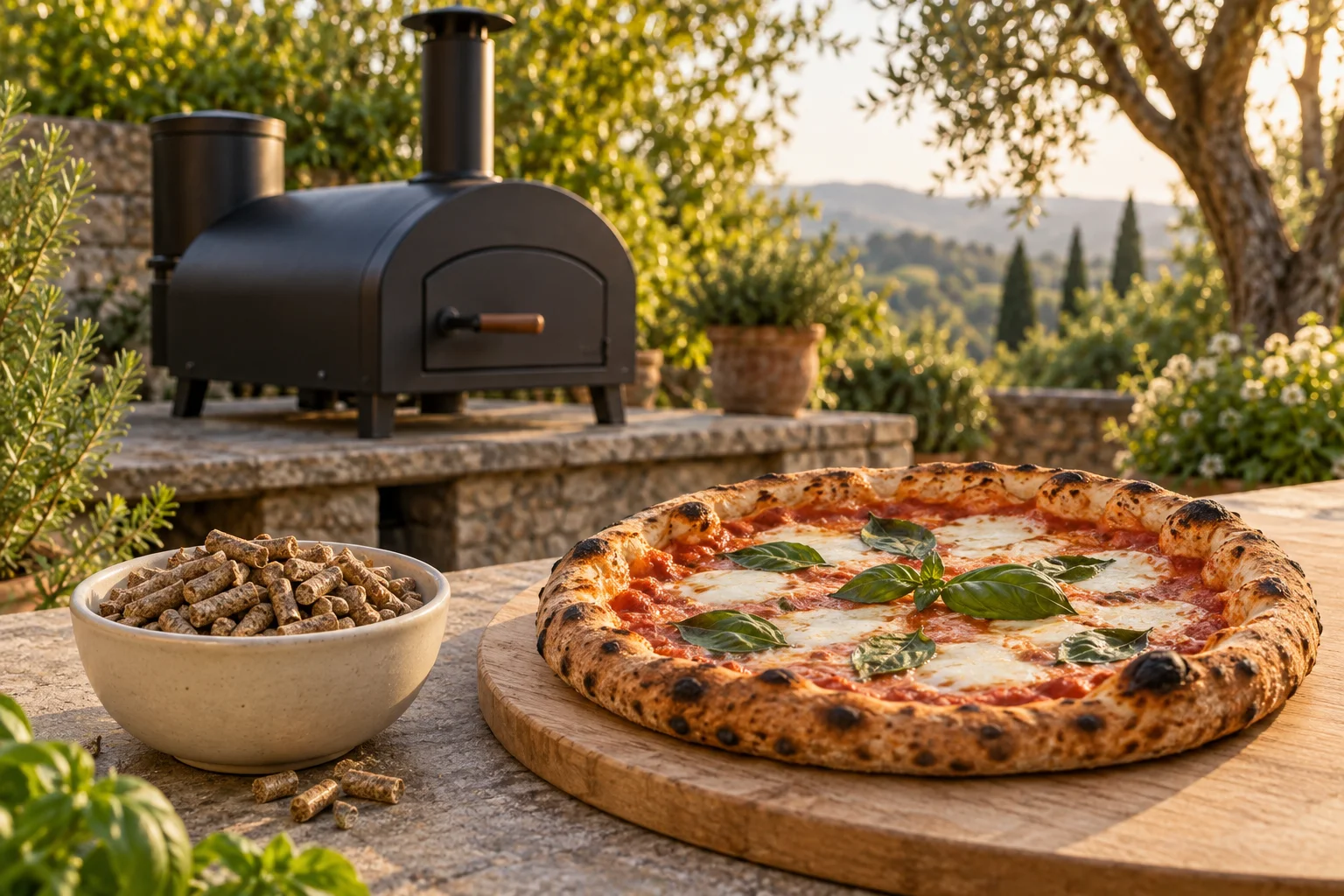
A pellet pizza oven combines a small wood fire with a fuel that is easy to portion. Whether it suits you depends mainly on how much you enjoy tending a fire while cooking. This guide explains what to check before buying and how to coordinate fuel, workspace and successive pizzas.
A multi-fuel pizza oven gives you a choice between several approved fuels. For that choice to be useful in practice, the equipment, conversion process and working routine need to fit together. This guide helps you assess a complete offer and choose around your actual pizza evenings.
A pizza can be pale underneath and too dark on top at the same time. That explains why one temperature display cannot describe the whole bake. Looking separately at floor heat, heat from above and pizza position makes the next useful adjustment much easier to identify.
An infrared thermometer helps you assess whether the cooking surface is ready for the next pizza. Its usefulness depends on a suitable measuring position and correct technique. This guide explains which specifications matter when buying and how to turn a surface reading into a practical cooking decision.
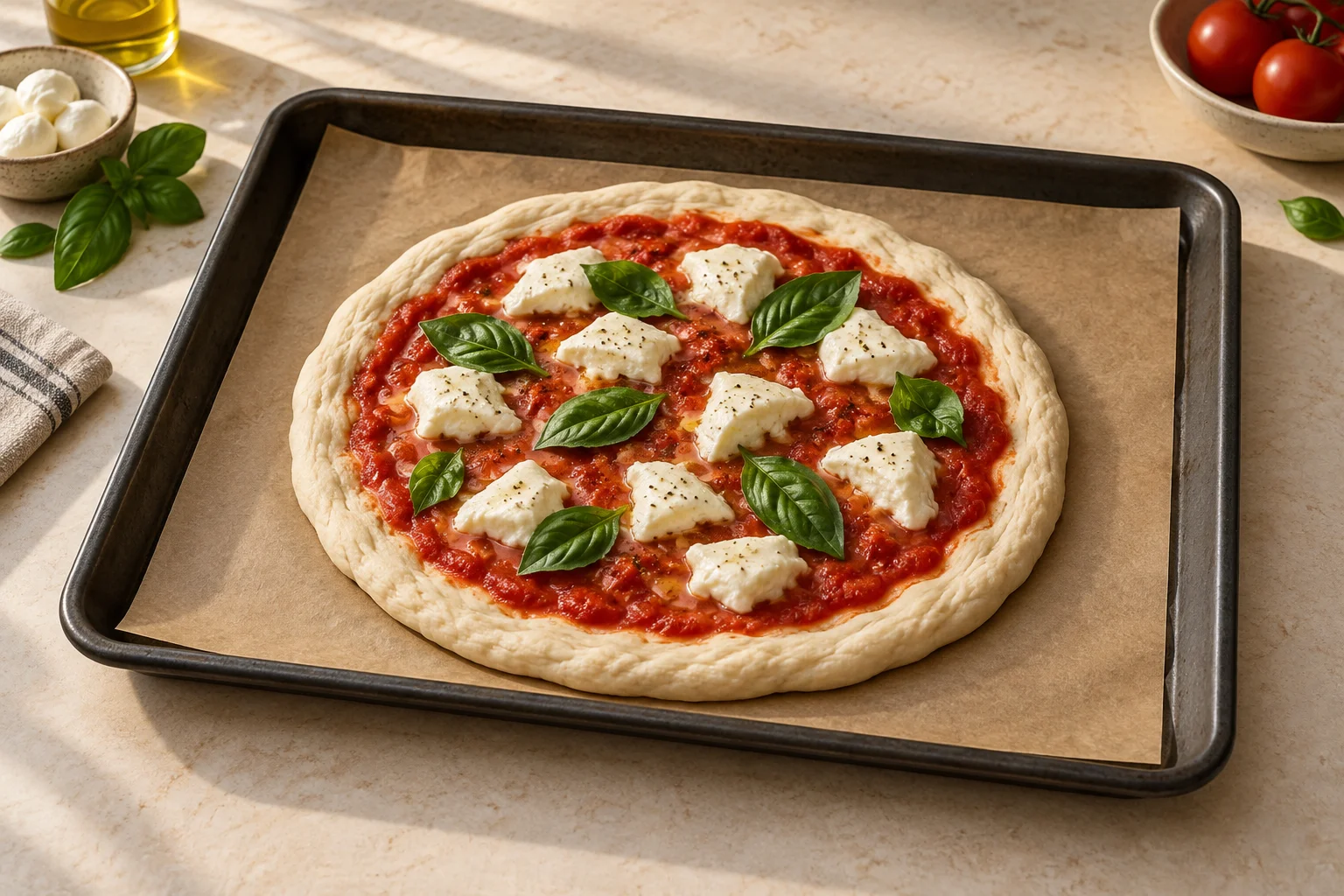
Baking parchment makes topping and moving a pizza easier. Whether it can stay underneath during baking depends on the paper's temperature limit and your oven's instructions. This matters particularly when moving from a kitchen oven to a dedicated pizza oven.
The oven shows the target temperature, but the first pizza stays pale underneath. Often the air is already hot while the baking surface is still absorbing heat. A suitable routine brings preheating, dough preparation and the first pizza together.
A good invitation makes people look forward to the evening and settles the few details you need for planning. These include arrival time, the first baking round and a quick reply about numbers and food. None of that requires a long message about logistics.
A useful pizza shopping list starts with the pizzas you intend to bake, not the largest possible selection of toppings. Decide on dough, varieties and existing supplies first, and you can buy purposeful quantities with less improvisation on the night.
A clean pizza oven needs a clear baking surface and airflow, but its stone does not have to look brand new after every evening. This guide sets out a post-baking routine and explains which steps depend on the fuel, surface and oven model.
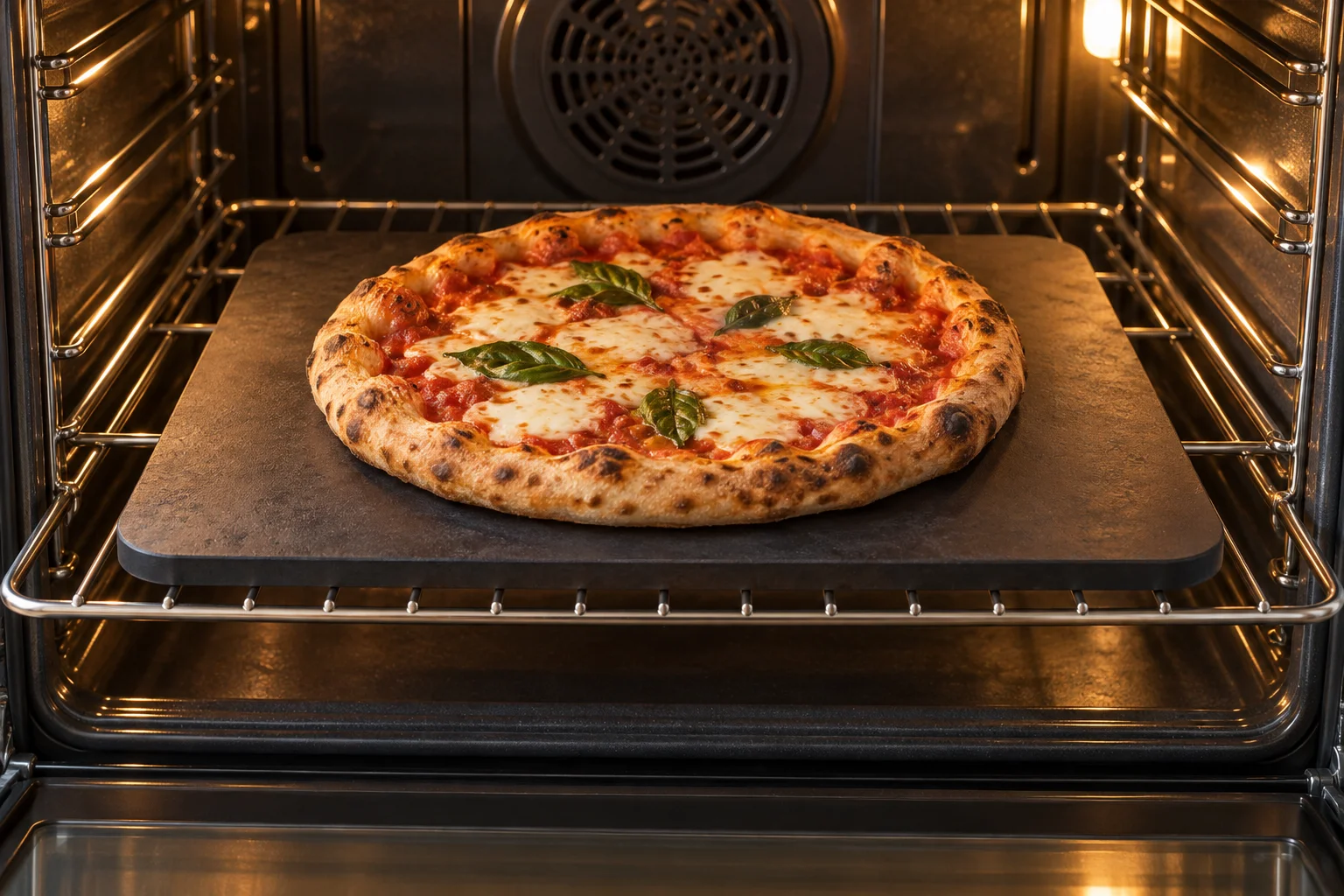
A pizza steel can provide strong bottom heat in a household oven. The plate, oven, preheating and pizza need to work together. This guide explains preparation, placement and adjustments to your baking routine without treating one temperature or baking time as a universal rule.
When dough, toppings and finished pizzas compete for the same space, the kitchen quickly gets crowded. A simple arrangement keeps the worktop useful, even when several guests want to help.
A young child and a hungry teenager do not need the same size pizza. Small first servings, second helpings and a quantity plan based on the children coming make pizza night easier to organise.
A small menu card answers the questions that otherwise return with every batch: which pizza is coming, what is on it and how will it be shared? Clear names and useful details are enough.
In a group order, the details most likely to go missing are sizes, extras and the final change buried in a chat. One agreed list and one person placing the order make the whole meal easier to track.
A used pizza stone does not need to become pale again. What matters for the next pizza is an intact baking surface, removed food residue and care suited to the material. Here is how to distinguish marks you can leave from problems that need attention.
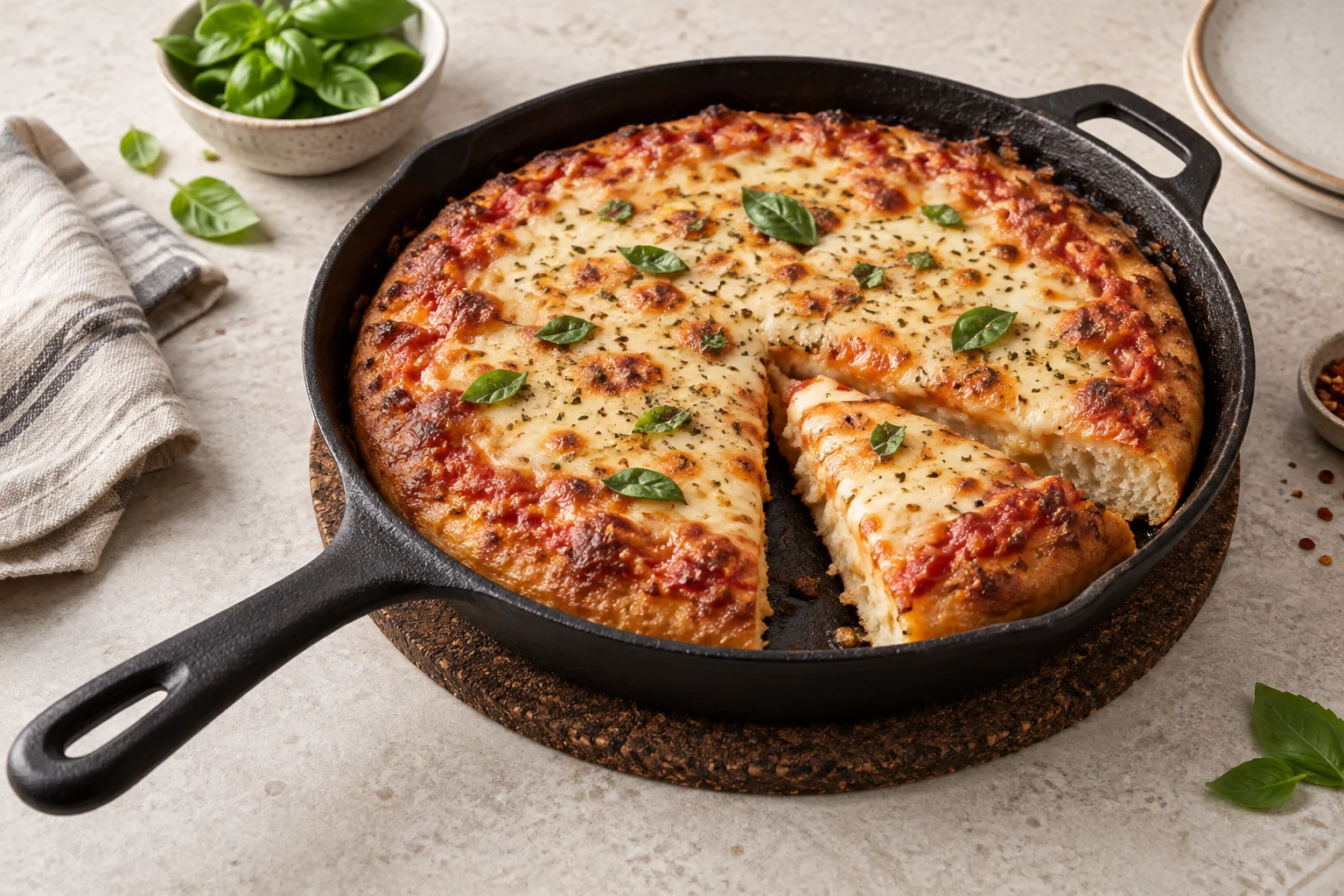
A cast iron skillet can give pizza a deeply browned base and a crisp edge. The pan, dough quantity and baking method need to work together. This guide helps you adapt a pan-pizza recipe to the equipment you already have.
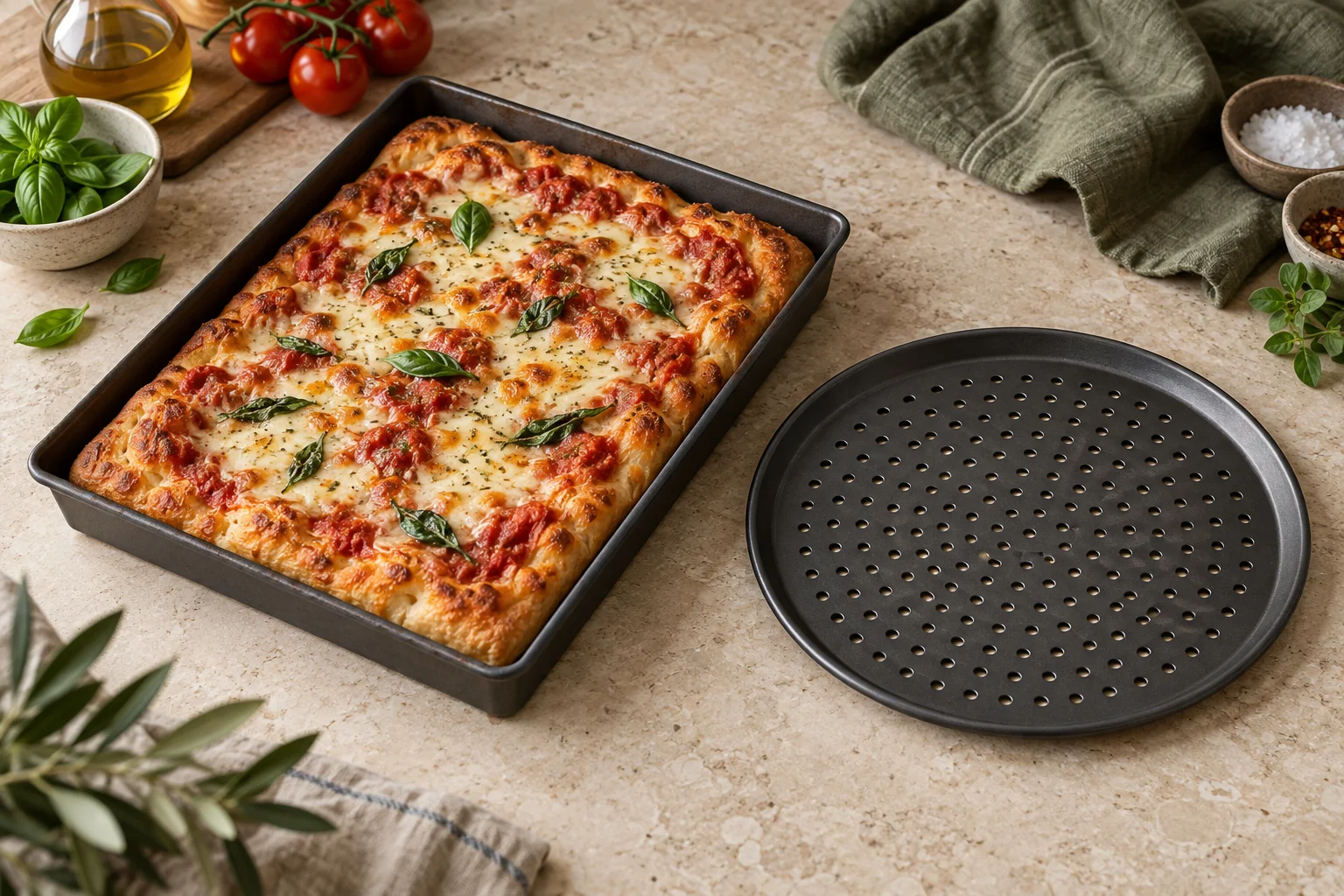
A useful pizza pan fits your oven and the pizza you want to bake. This guide explains solid, perforated and deep pans, shows how to adjust quantities for a different size, and identifies the details worth checking before buying.
Flour and water are weighed in substantial amounts, while yeast may be needed in fractions of a gram. A suitable scale must handle both tasks. This guide explains capacity, display increments and tare, and when a separate precision scale can help.
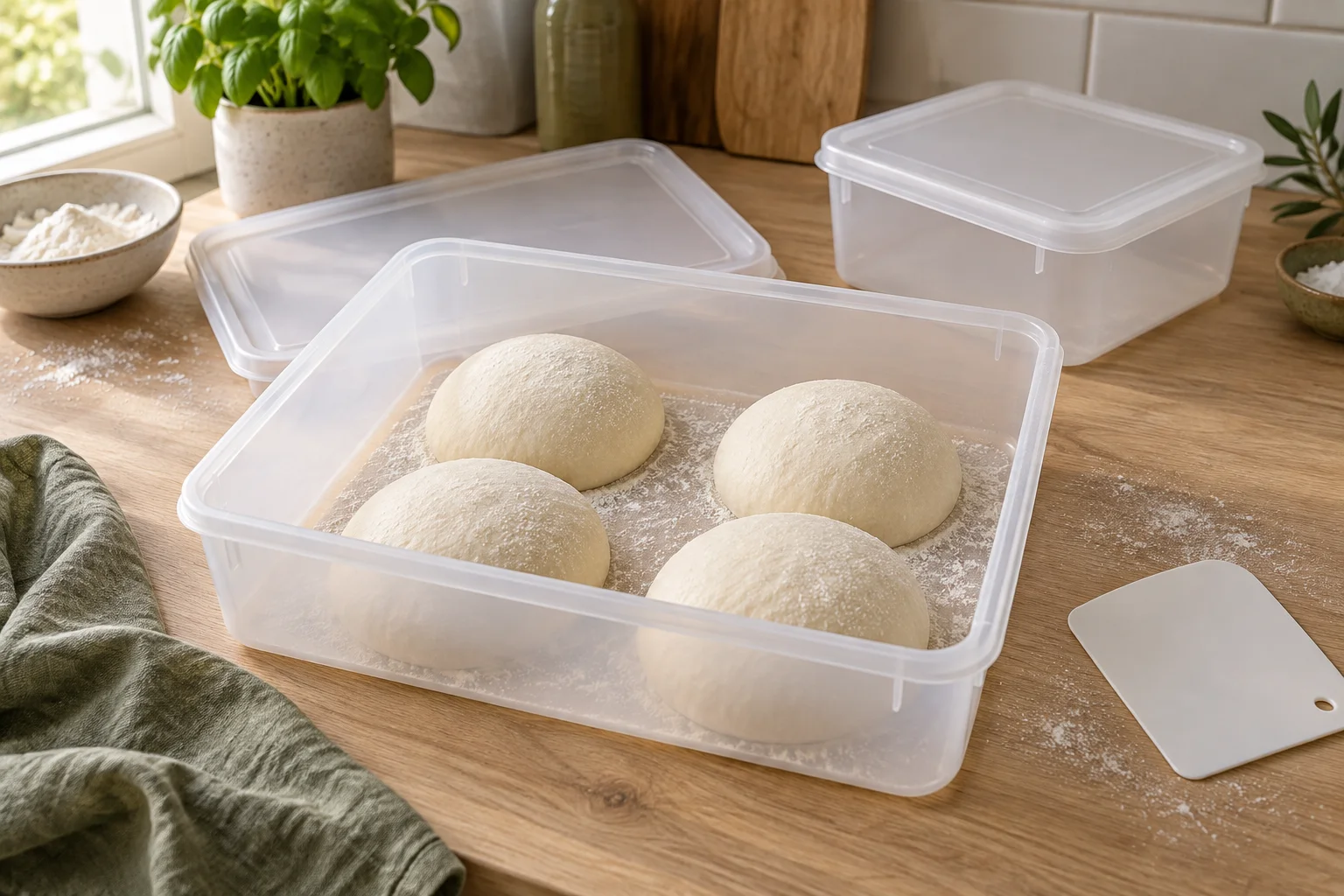
A suitable dough box keeps the surface supple, leaves room for proofing and makes dough balls easier to remove. The useful details are its internal dimensions, lid and place in your sequence between refrigerator, worktop and oven.
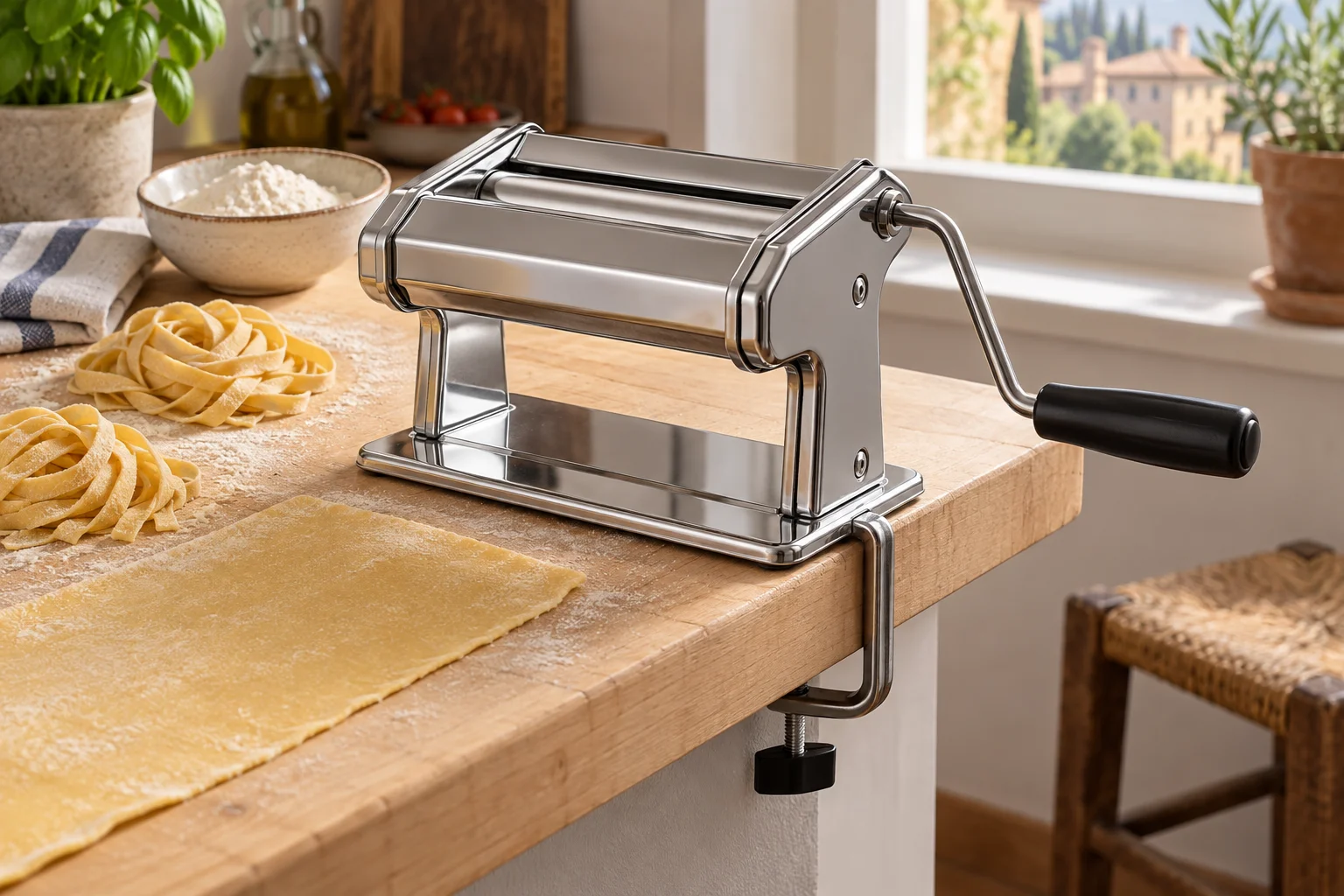
Lasagne sheets and ravioli need thin dough sheets; extruded tubes require a different machine. This guide helps you choose the appropriate type, understand attachments and assess the work involved before the meal reaches the table.
A good pizza party needs a schedule that suits your oven and your guests. When preparation, baking and serving fit together, fresh slices reach the table and you have time to enjoy the evening too.
The right amount of pizza depends on guest numbers, appetite, pizza size and the rest of the meal. A shared reference portion lets you work out dough, toppings and shopping quantities without giving every ingredient its own generous allowance.
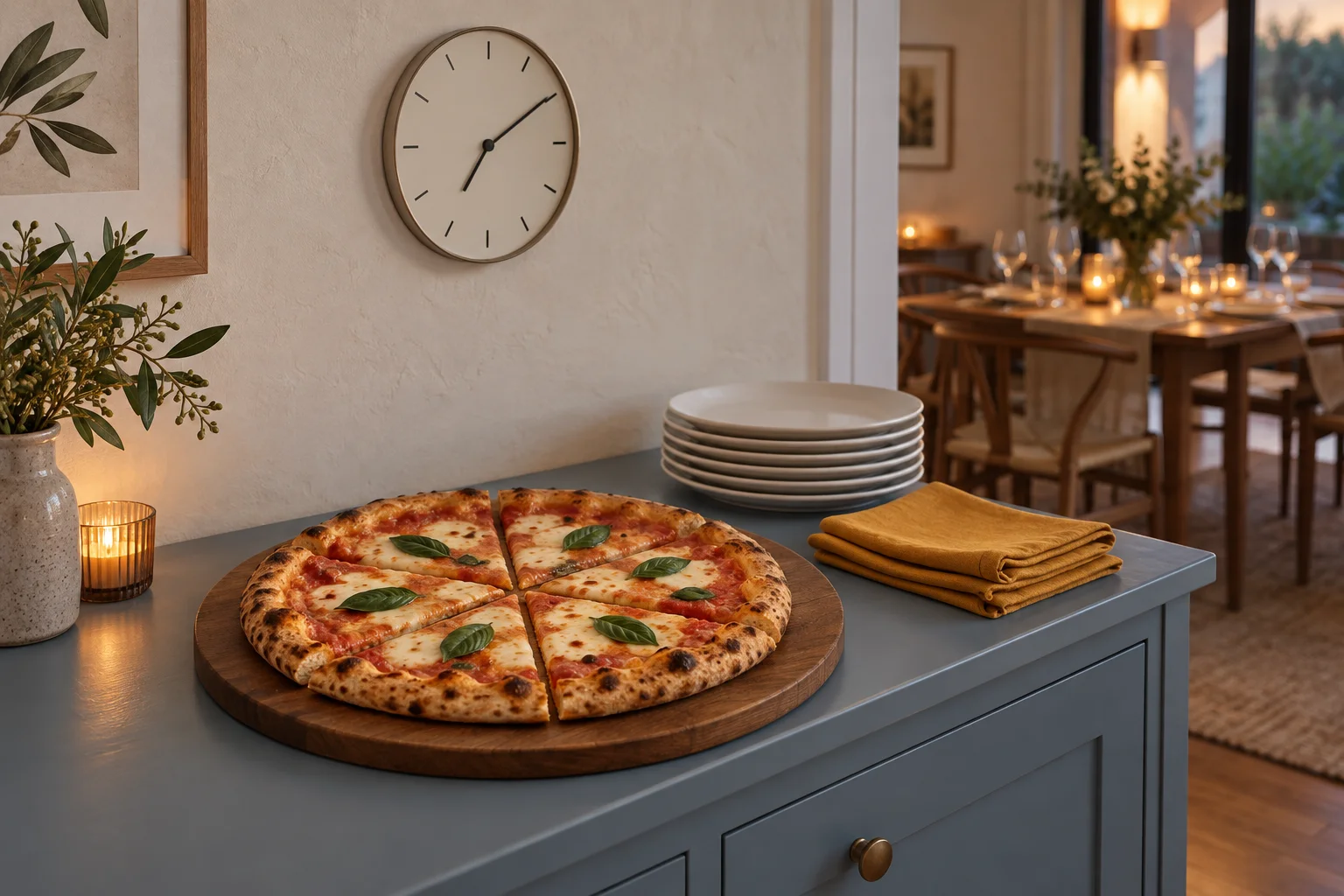
A pizza buffet works especially well when guests can try several varieties and fresh slices arrive regularly. Plan more than the pizzas themselves: consider their journey from the oven to the serving board and on to each guest's plate.
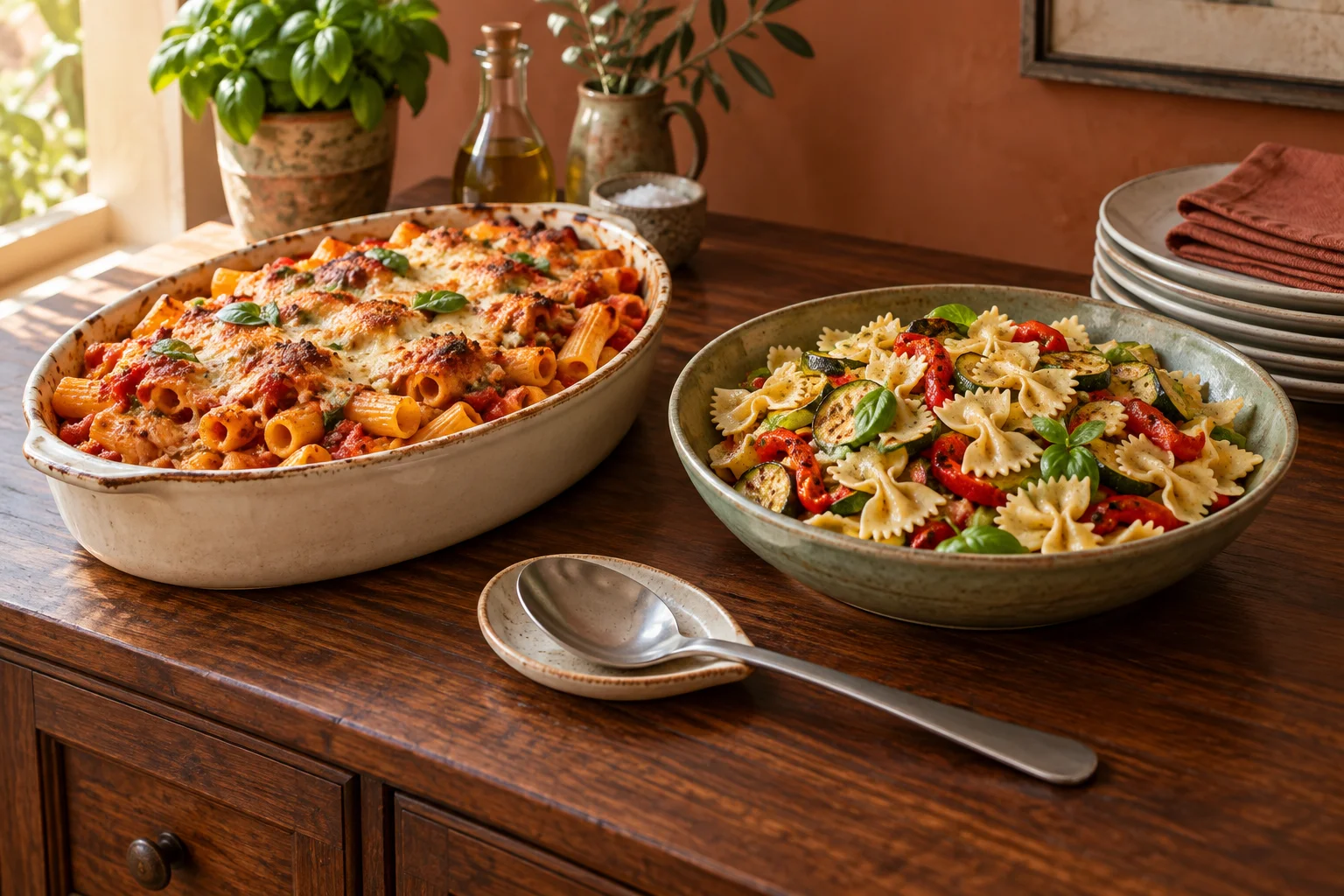
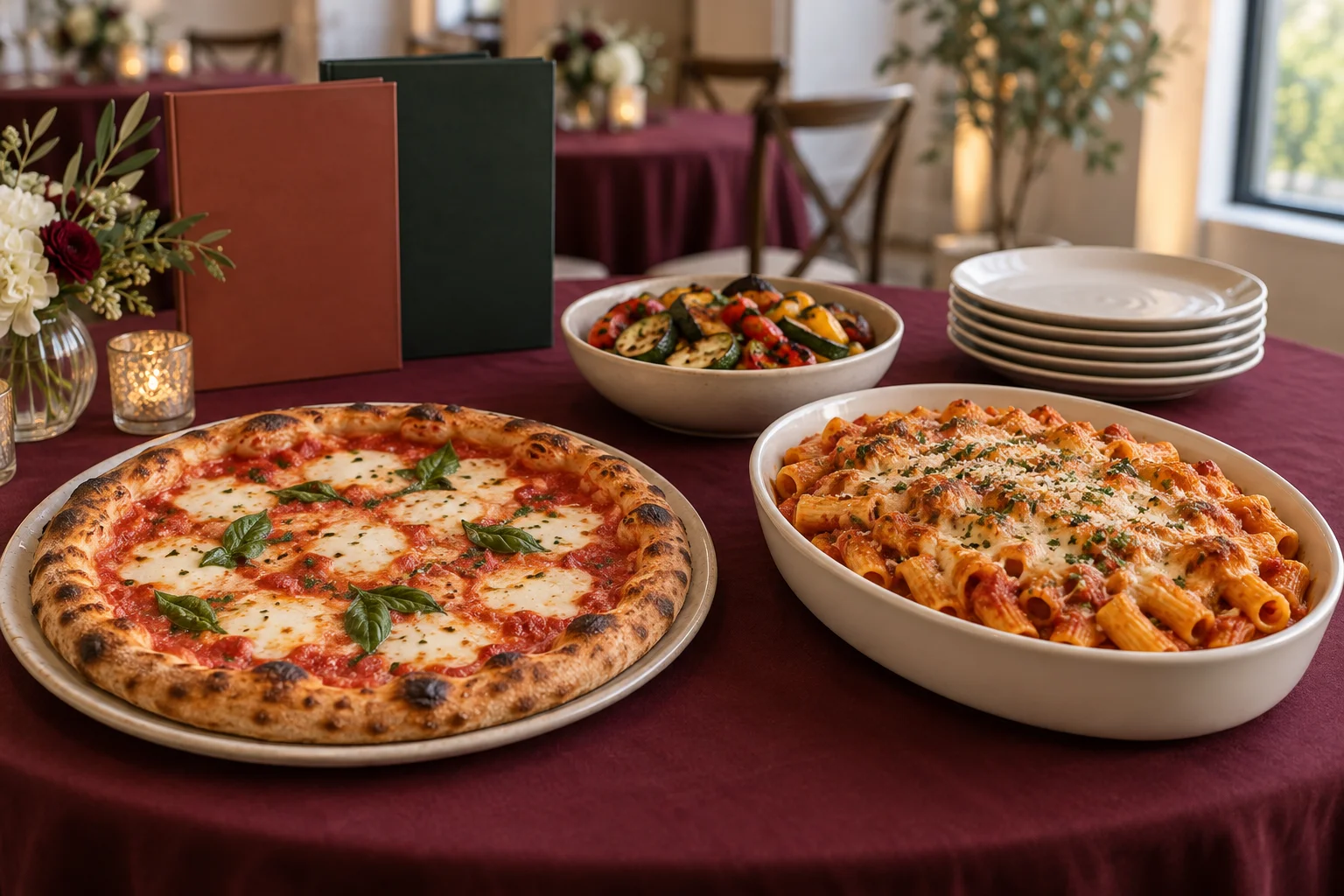
A few suitable dishes can give a pasta buffet plenty of variety. Clear portion planning, available cooking and refrigeration space, and a workable serving schedule help the pasta retain its intended texture until it reaches your guests.
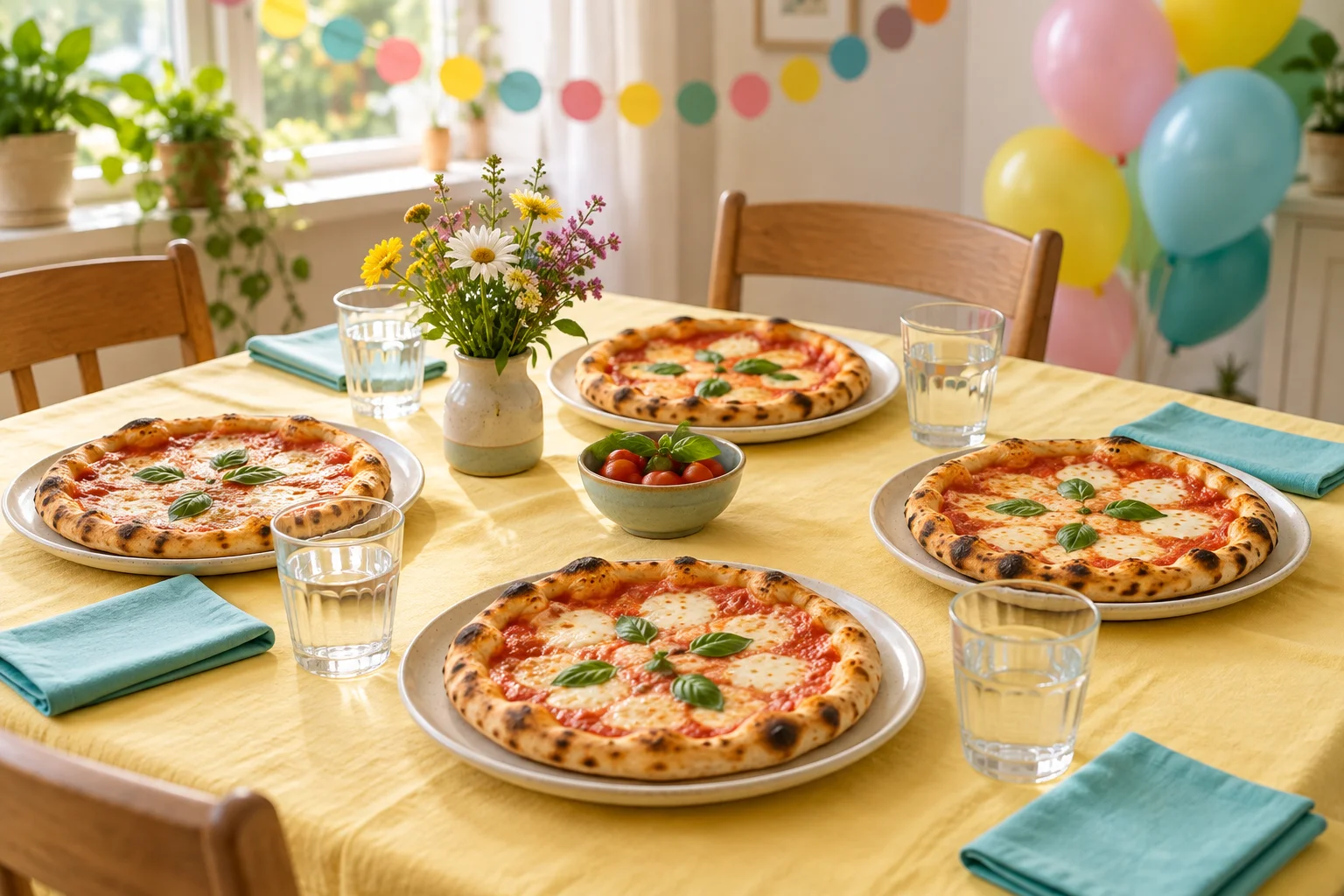
Pizza can be both a meal and a shared birthday activity. Prepared dough, a small topping selection and clearly divided jobs leave time for celebrating. This guide is mainly intended for a private gathering of primary-school-aged children.
Pizza catering can ease the workload in a club kitchen and feed members, families and visitors together. To provide a suitable service, a caterer needs more than a date and an estimated headcount. A clear plan helps you request a quotation that fits both the event and the budget.
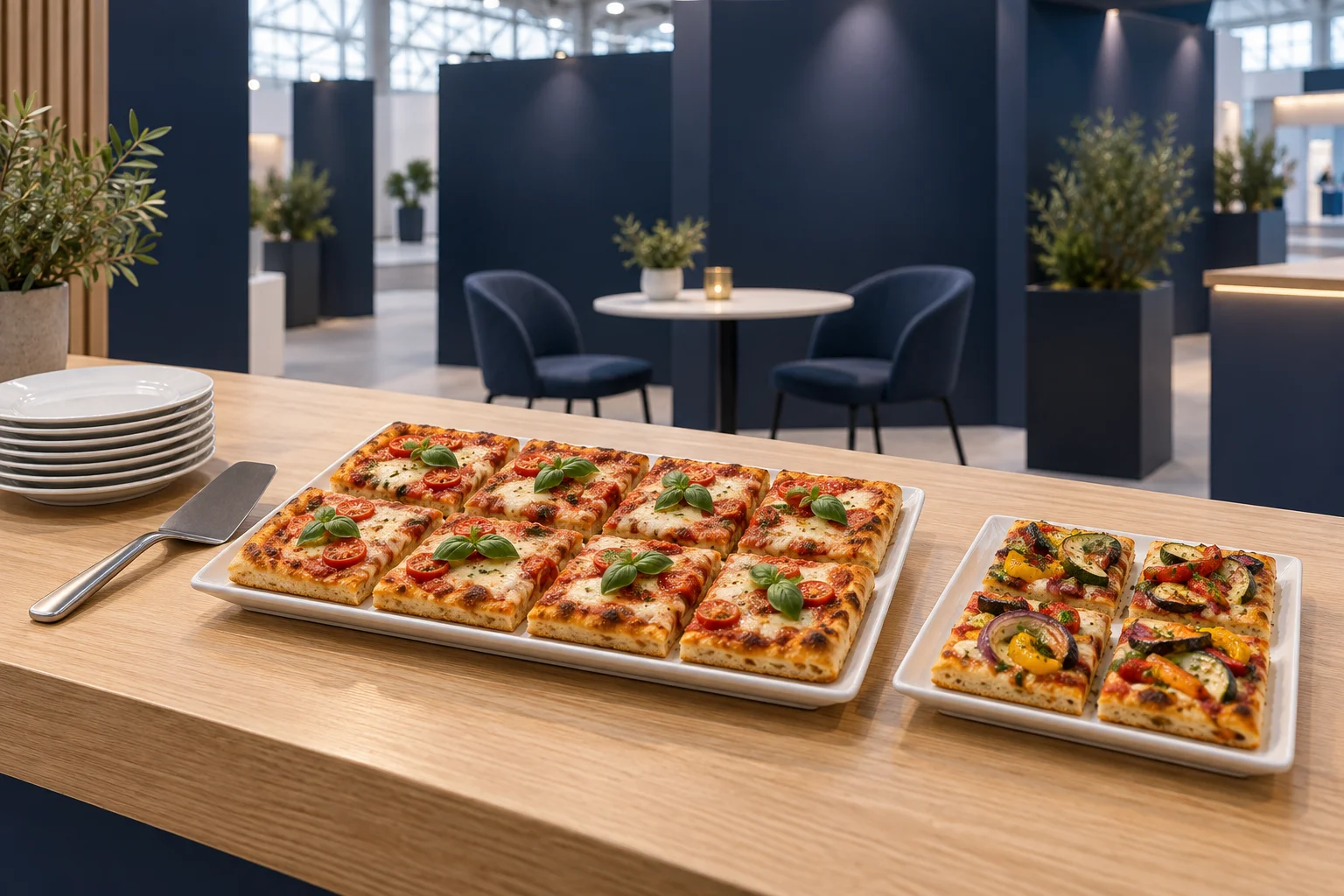
Pizza can feed the exhibition team, accompany a short customer meeting or form part of a reception at your stand. The right arrangement depends on the occasion, available space and rules of the particular event. This guide helps you turn those details into a useful catering enquiry.
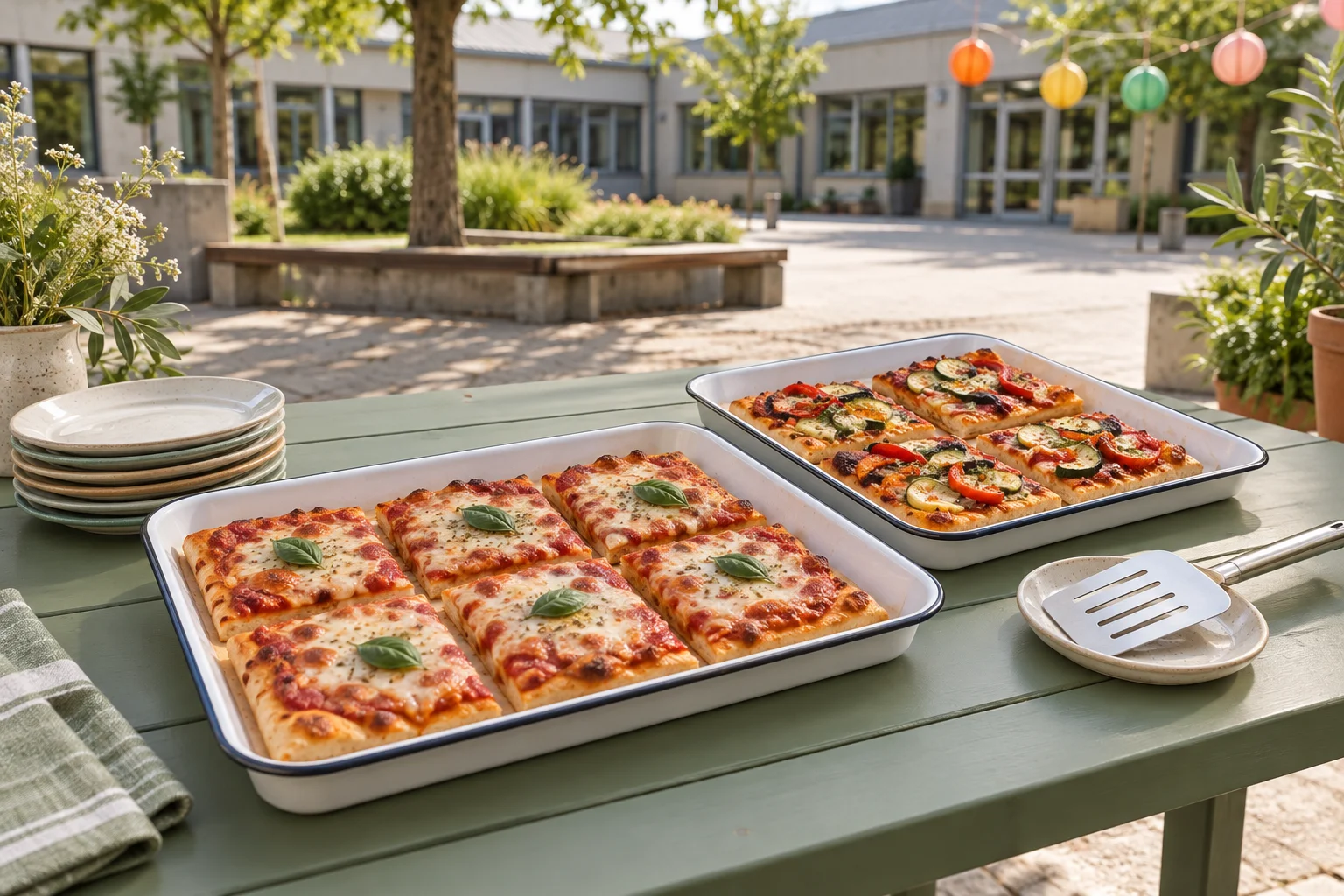
A pizza stall can be a useful addition to a school fair: varieties are easy to describe, pieces can come in different sizes, and a simple vegetable option is straightforward to include. To make it fit the event, the school, parents and caterer should agree on the same practical arrangement early on.
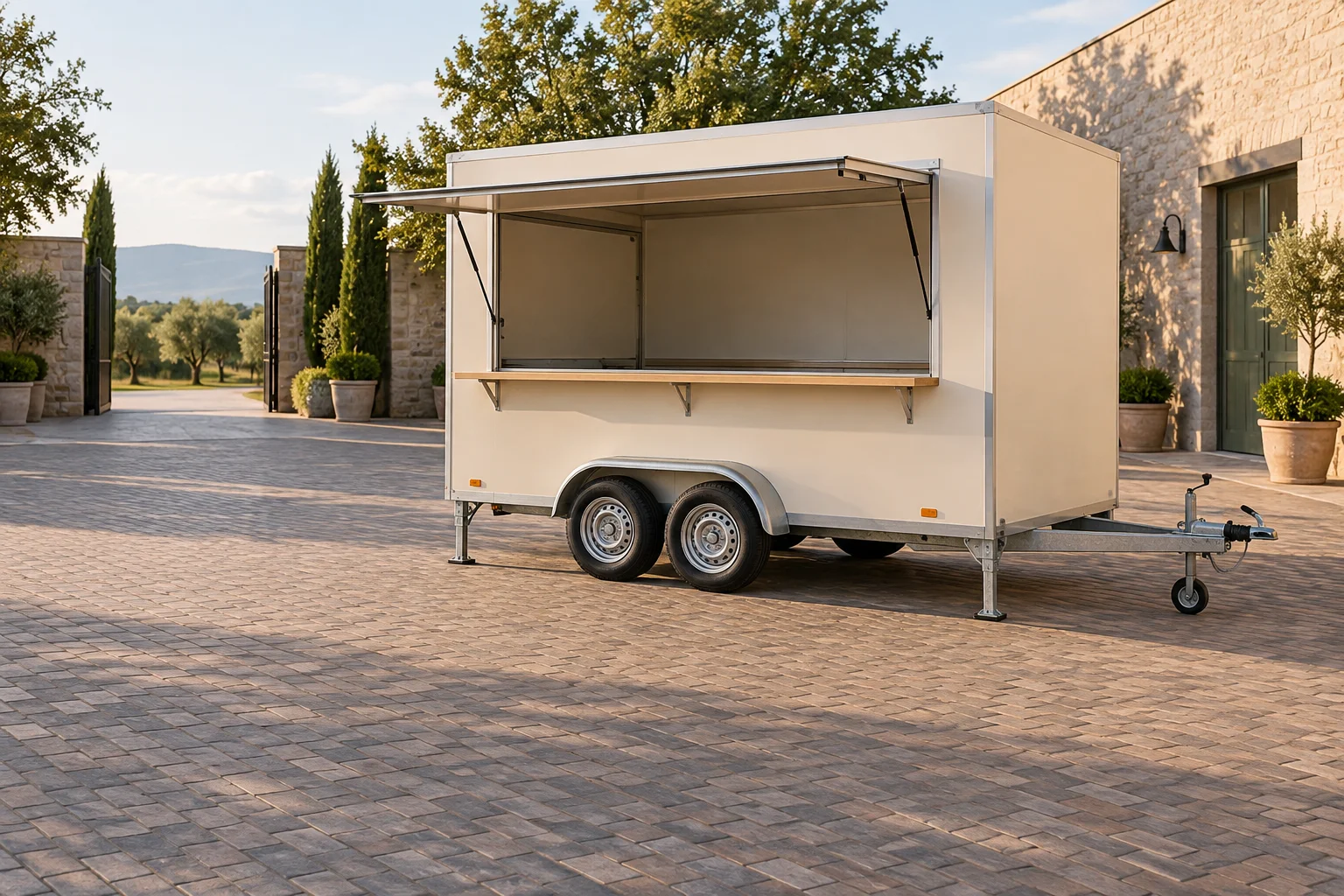
The right site lets the caterer set up efficiently and makes pizza easy for your guests to collect. Consider the whole route from the entrance to the serving plate. The following details help you describe a location clearly enough for the supplier to assess it.
The price per person alone does not establish the cost of pizza catering for your event. Guest numbers, quantities, service, travel and serving time must work together. A clear calculation shows what a quotation contains and which total you need to plan for your occasion.
Two pizza and pasta quotations become comparable when they cover the same job. Clear portions, serving times and responsibilities help you find the package that fits your event and identify any costs still missing.
A useful catering timetable starts when your guests should receive their food. Work backwards through setup, arrival and preparation, then continue through the final collection. The caterer, venue and host can all see when they are needed.
Suitable food starts with reliable information. Discuss requirements early with guests and the caterer so the recipe, preparation and service can work together. This guide helps you make a specific enquiry and arrange a clear handover on the day.
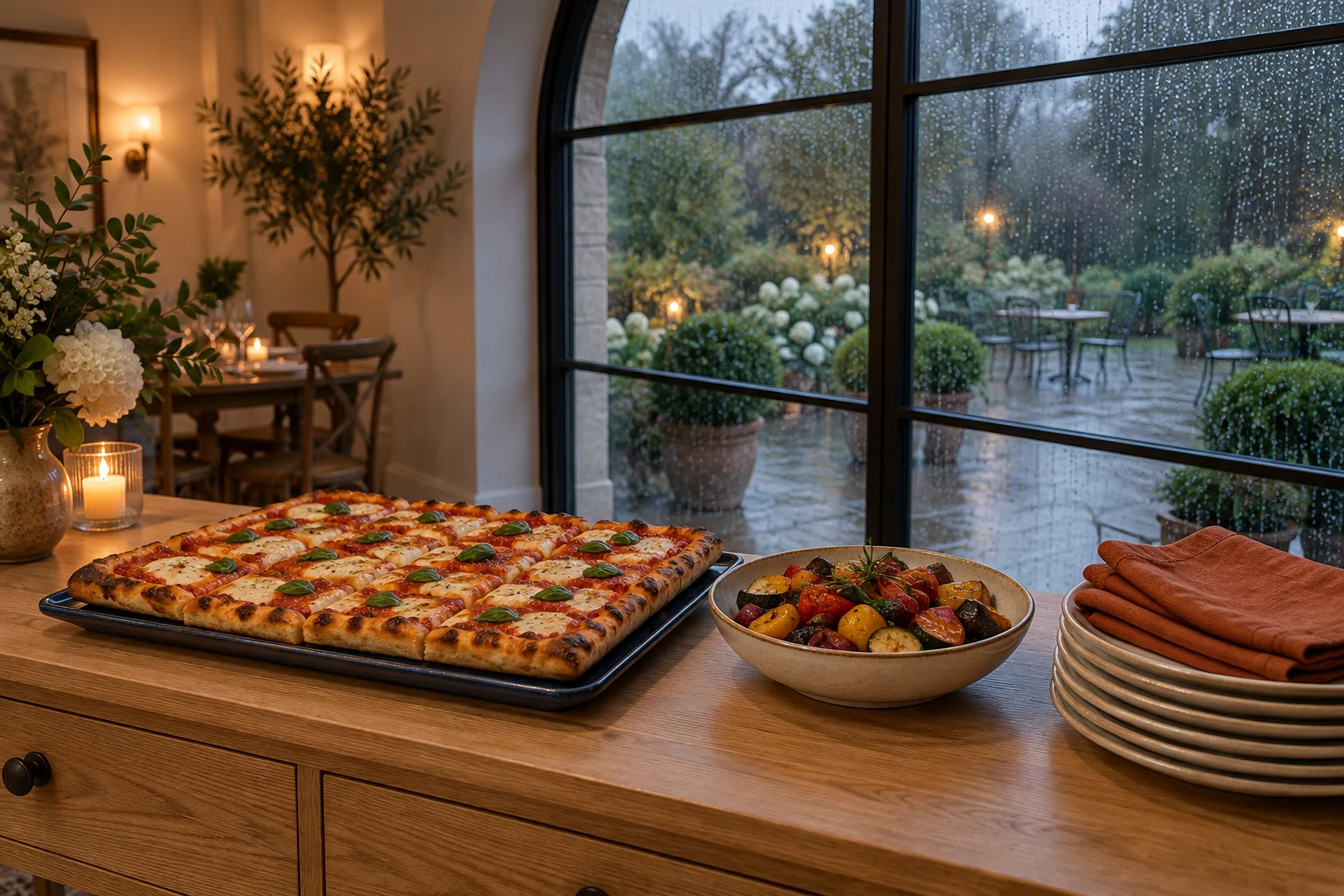
A celebration can work well in rain when food, guests and working areas have agreed places. Plan the alternative when booking. You can then decide in time how service will run and when the intended outdoor operation is no longer possible.
For pizza and pasta catering, reducing waste starts with a suitable order. A manageable menu, smaller serving rounds and clear return arrangements can help without taking away the pleasure of a good meal. What matters is who handles each task before, during and after your event.
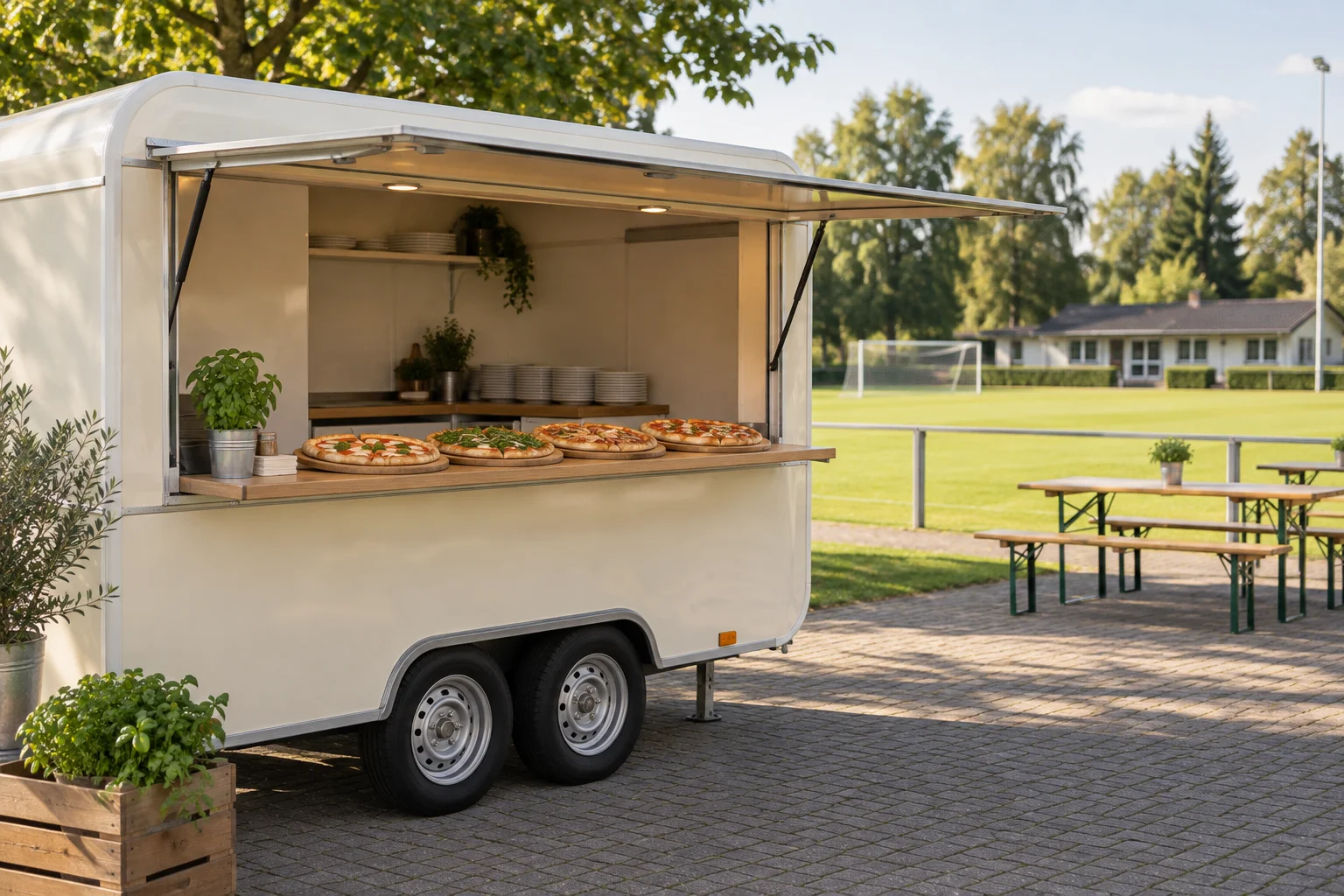
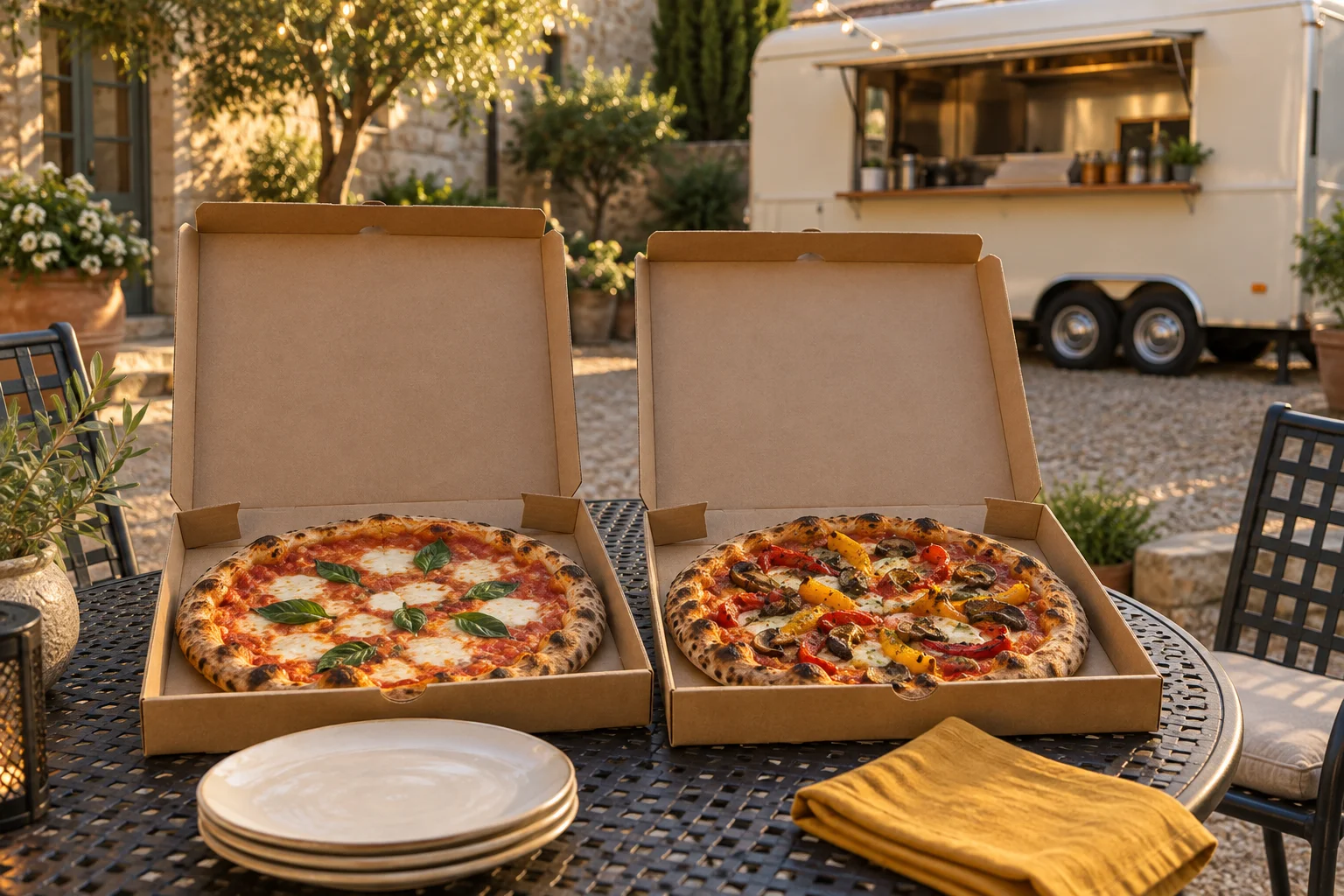
A pizza truck prepares food at the event, while delivery brings ordered dishes to the agreed address. Your decision depends on the venue, meal timing, service and work left for the host. Compare the complete arrangements before choosing either option.
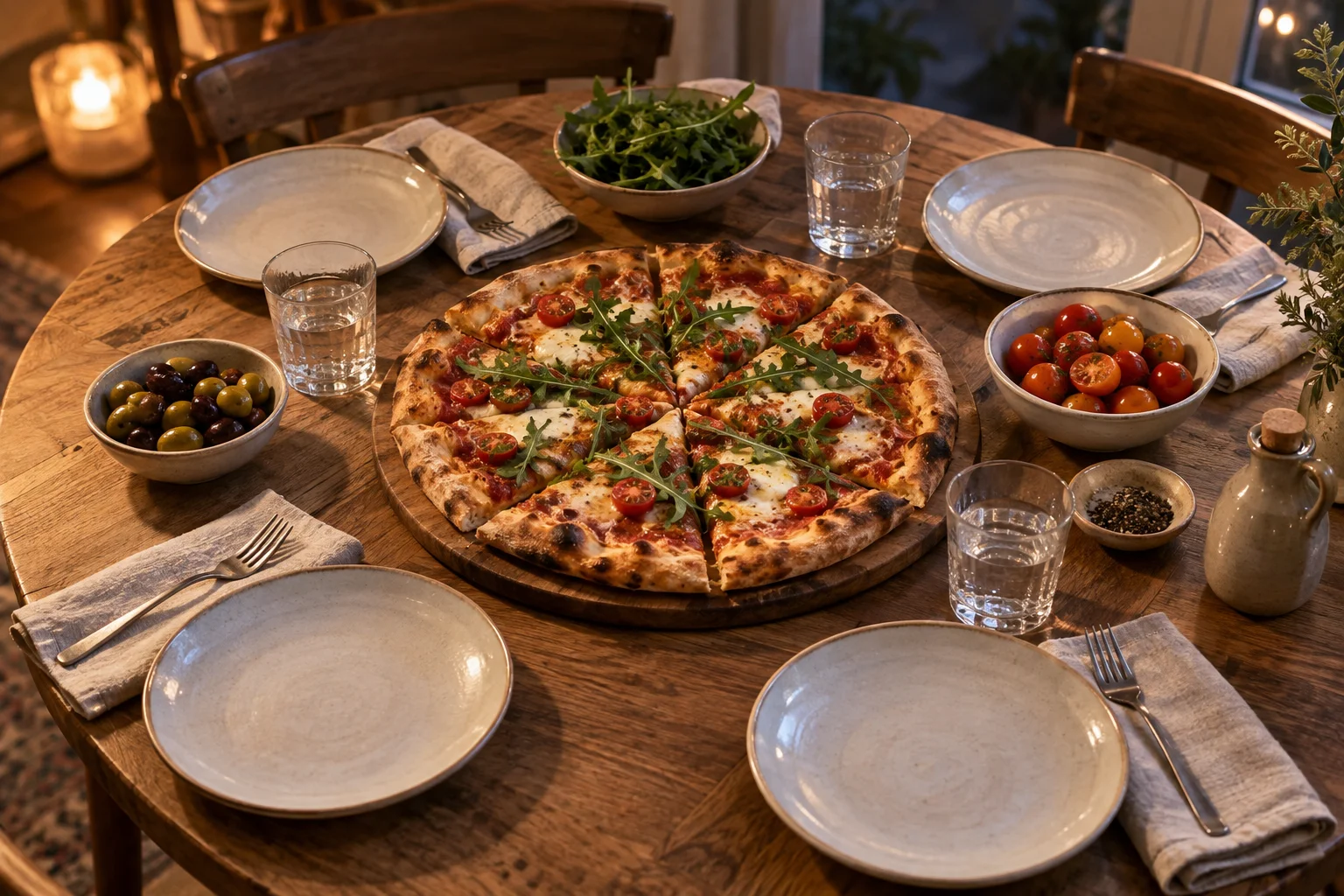
You do not need a large kitchen for a good pizza night. A suitable pizza style, clear surfaces and a sequence that avoids doing everything at once are more useful. Plan around your existing oven and refrigerator so that the workspace stays usable and you can enjoy the food with your guests.
A vegetarian pizza party can bring together fruity tomatoes, browned vegetables, creamy cheese and fresh herbs. A few well-chosen varieties create an enjoyable evening that is straightforward to prepare. Plan the menu, shopping and baking rounds together so that everyone receives suitable slices.
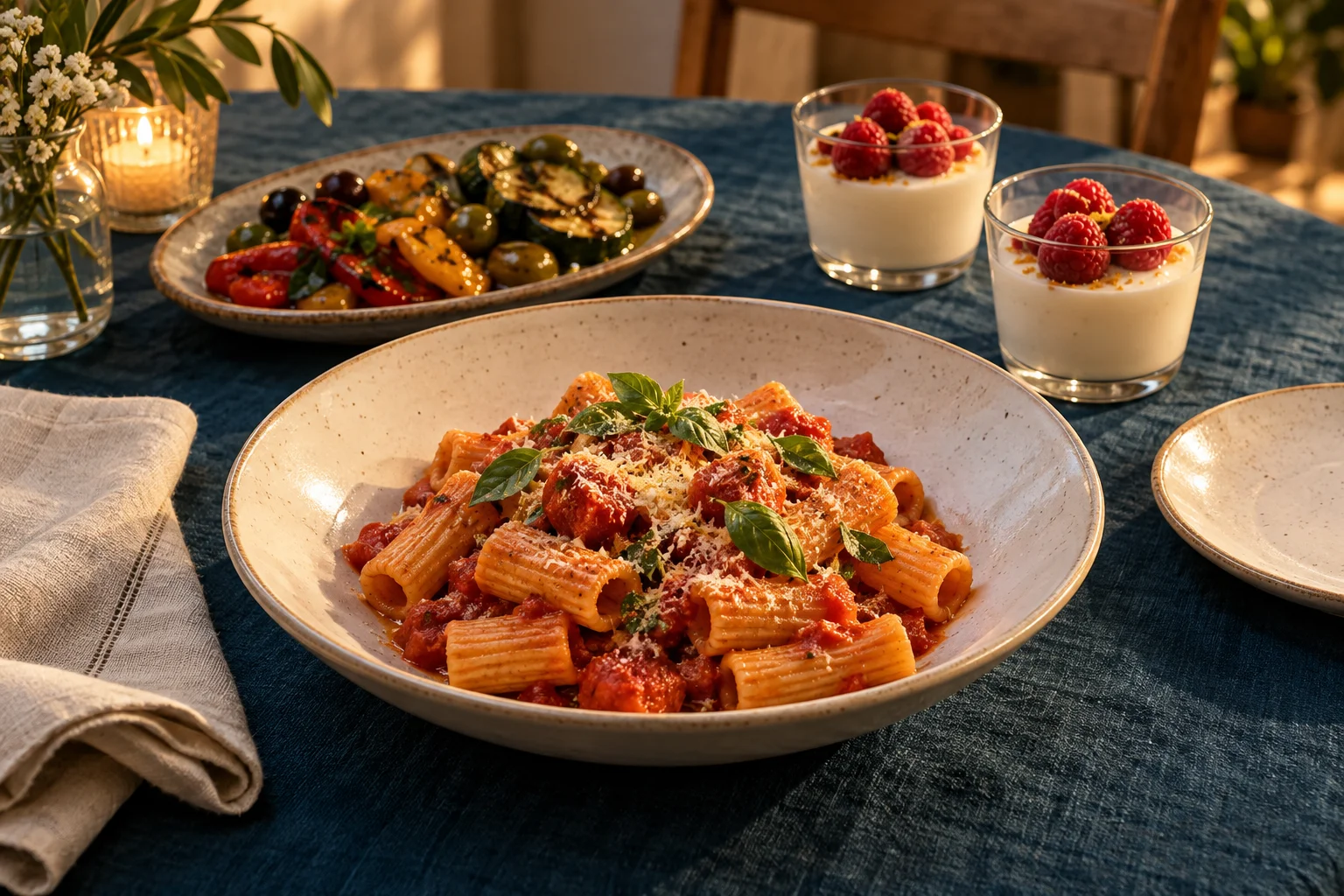
An Italian-inspired evening can work beautifully with a few well-matched dishes. What matters is how the starter, pizza or pasta and dessert fit together and when you prepare them. Choose a sequence that gives guests variety while letting you spend time at the table between courses.
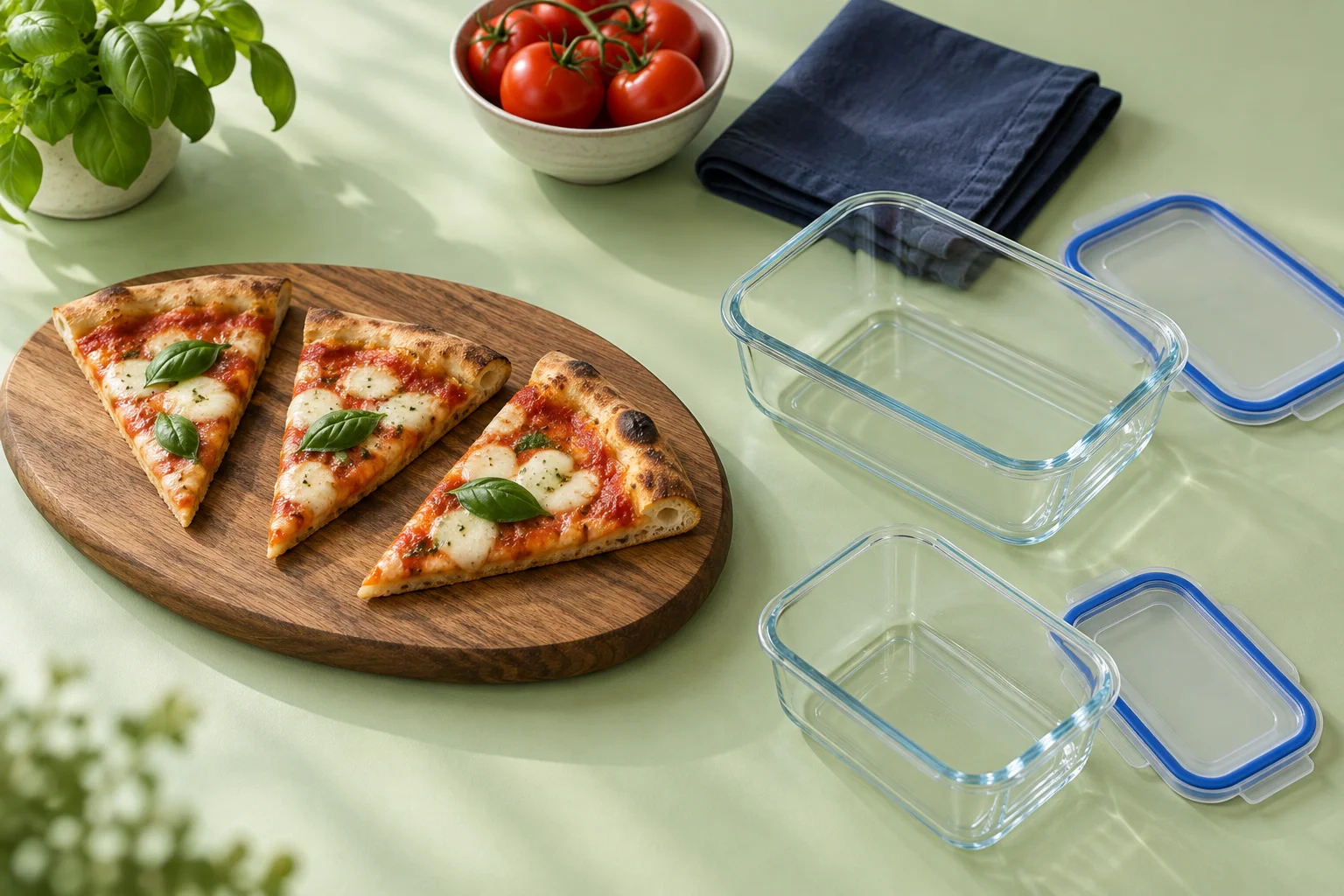
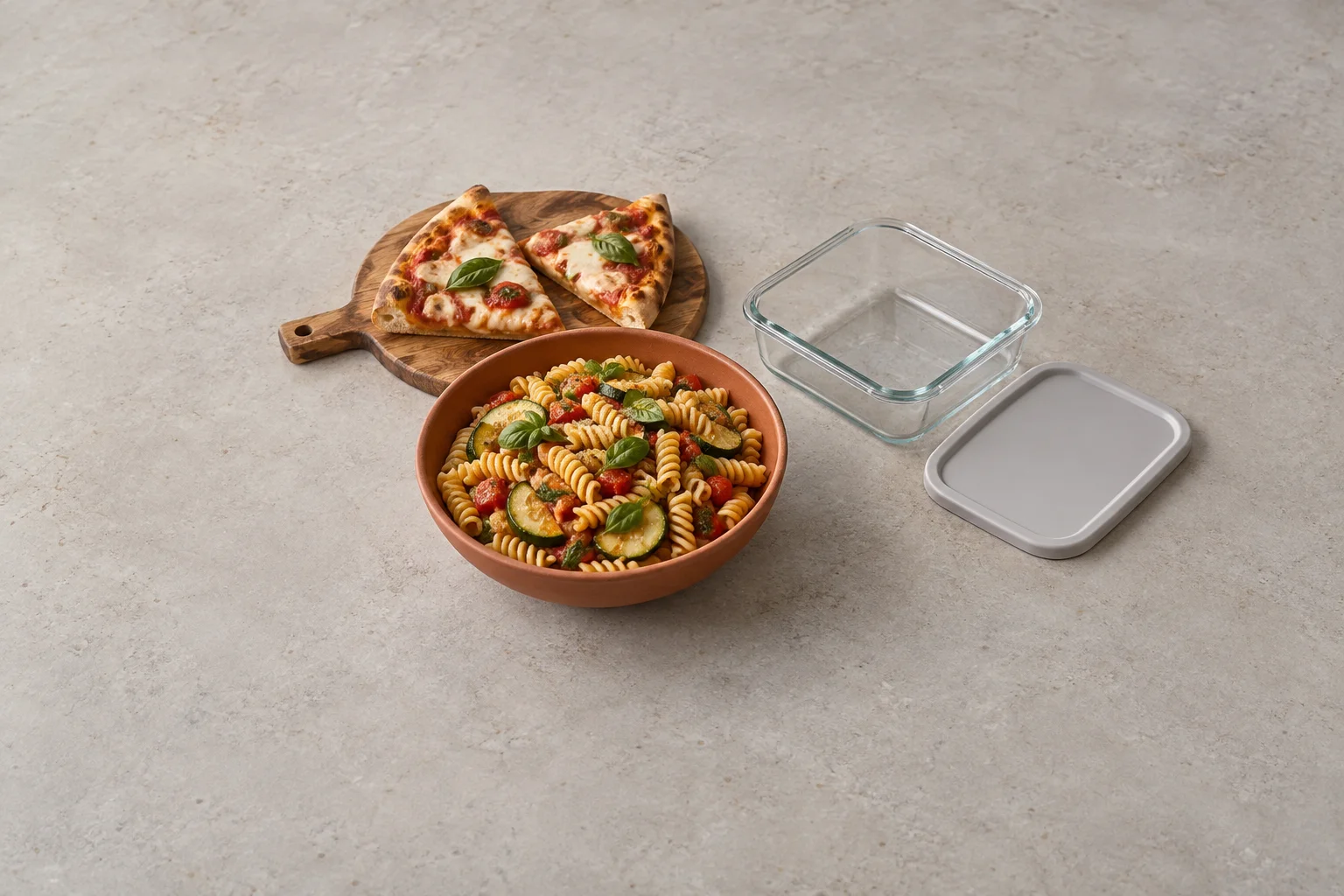
An opened tomato sauce, remaining vegetables or a small portion of pasta can make the next meal easier. It works best when quantities, storage and the intended use are considered while you cook. Unused supplies, cleanly reserved portions and food left on plates need different decisions.